Harley-Davidson Street 500 Problems Explained Guide
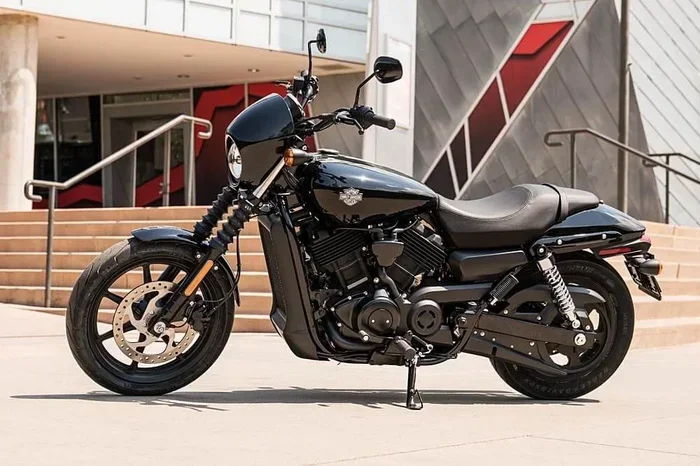
The Harley-Davidson Street 500 is a popular entry-level cruiser, but it comes with its share of known issues that every owner should understand. From engine troubles and electrical gremlins to clutch wear and brake concerns, these problems are well-documented among riders. This guide breaks down each major problem area with clear explanations and practical solutions. You will learn how to spot warning signs early and save money on costly repairs. Understanding these Street 500 problems helps you keep your ride running strong and reliable for years to come.
The Harley-Davidson Street 500 has been a favorite among new riders and casual cruisers since its launch. It offers a sleek design, a comfortable riding position, and that signature Harley rumble in a smaller, more manageable package. But like any motorcycle, it is not without its flaws. Many owners have reported a range of Harley-Davidson Street 500 problems that can affect performance, safety, and overall enjoyment.
If you own a Street 500 or are thinking about buying one, understanding these common issues is essential. This guide walks you through every major problem area in detail. We explain what goes wrong, why it happens, and how to fix it. By the end, you will feel confident tackling any issue that comes your way.
Knowledge is power when it comes to motorcycle ownership. The more you know about potential Street 500 common issues, the better equipped you are to prevent them or address them early. Let us dive into the problems and the solutions that matter most.
Key Takeaways
- Engine overheating and oil leaks are among the most reported Street 500 problems and need prompt attention.
- Electrical issues like battery drain and faulty wiring can frustrate owners but are usually fixable with simple steps.
- Clutch slippage and transmission hesitation are common as the bike ages, especially with heavy use.
- Brake wear and throttle response lag affect safety and should never be ignored.
- Regular maintenance prevents most of these problems from becoming serious or expensive.
- Knowing common owner complaints helps you make smarter buying and repair decisions.
- Early detection of problems saves time, money, and keeps you safe on the road.
📑 Table of Contents
- Common Harley-Davidson Street 500 Problems Overview
- Engine and Performance Issues
- Electrical and Battery Problems
- Clutch and Transmission Troubles
- Brake and Safety Concerns
- How to Prevent and Fix Street 500 Problems
- Real Owner Experiences and Common Complaints
- Comparison: Street 500 vs. Common Alternatives
- Final Thoughts on Harley-Davidson Street 500 Problems
Common Harley-Davidson Street 500 Problems Overview
Before we get into the specifics, let us look at the big picture. The Street 500 is a 49cc liquid-cooled V-twin engine motorcycle. It is designed for city riding and new riders. However, its compact design and smaller engine create unique challenges. Several recurring Street 500 problems have been documented by owners and mechanics alike.
Here is a quick look at the most frequently reported issues:
- Engine overheating and cooling system failures
- Oil leaks from the engine block and gaskets
- Electrical problems including battery drain and faulty connectors
- Clutch slippage and rough shifting
- Brake pad wear and brake fluid leaks
- Throttle response delays and stalling
- Exhaust system rust and cracking
Each of these problems has a root cause. In many cases, the issues stem from design choices, manufacturing tolerances, or simply wear and tear over time. The good news is that most of these Street 500 problems are fixable with the right approach. Let us break them down one by one.
Engine and Performance Issues
Overheating and Cooling System Problems
One of the most talked-about Street 500 problems is engine overheating. The Street 500 uses a liquid cooling system, which is great for regulating temperature. However, the cooling system can fail over time. This is especially true in hot weather or during heavy city traffic where airflow is limited.
Owners have reported the temperature gauge climbing into the red zone during normal riding. This can happen for several reasons:
- Clogged radiator fins that restrict airflow
- Low coolant levels due to slow leaks
- A failing water pump that does not circulate coolant properly
- A broken thermostat that stays closed and blocks coolant flow
If your Street 500 engine trouble involves overheating, do not ignore it. Riding with an overheating engine can cause permanent damage. Check your coolant level regularly. Inspect the radiator for dirt and debris. If the problem persists, take it to a qualified mechanic for a full cooling system inspection.
Oil Leaks and Gasket Failures
Oil leaks are another frequent complaint among Street 500 owners. The engine uses several gaskets to seal different sections. Over time, these gaskets can deteriorate and crack. This leads to oil seeping out and pooling under the motorcycle.
Common areas where oil leaks occur include:
- The valve cover gasket
- The oil pan gasket
- The front engine seal
- The drain plug area
Small leaks may not seem urgent at first. But over time, low oil levels can cause serious engine damage. Check your oil level every time you ride. Look for fresh oil spots under the bike after it has been parked. If you notice a leak, address it quickly. Replacing a gasket early is far cheaper than rebuilding an engine.
Throttle Response and Stalling
Some Street 500 owners have noticed a delay when twisting the throttle. This throttle response lag can feel unsafe, especially when merging into traffic. The bike may also stall at idle or when coming to a stop.
These issues often trace back to the fuel system. A dirty fuel injector or a clogged fuel filter can restrict fuel flow. The carburetor model used on earlier Street 500s is also prone to clogging if fuel quality is poor. Regular fuel system cleaning and using high-quality gasoline can help prevent these problems.
Quick Tip: If you notice stalling or hesitation, check your fuel filter first. It is a cheap and easy fix that often solves the problem.
Electrical and Battery Problems
Battery Drain and Starting Issues
Electrical problems rank high among Harley-Davidson Street 500 owner complaints. The most common issue is battery drain. Riders report that their Street 500 battery dies after sitting for just a few days. This is frustrating, especially if you ride infrequently.
Several factors contribute to this problem:
- An aging battery that can no longer hold a full charge
- A parasitic draw from accessories or a faulty regulator
- Corroded battery terminals that interrupt the electrical connection
- A weak alternator or stator that fails to recharge the battery while riding
To prevent battery drain, invest in a quality battery tender. This device keeps your battery charged when the bike is not in use. Also, inspect your terminals regularly for green or white corrosion. Clean them with a baking soda and water solution if you spot any buildup.
Faulty Wiring and Connector Issues
Some Street 500 electrical problems go beyond the battery. Owners have reported flickering lights, intermittent horn failures, and gauge malfunctions. These symptoms often point to loose or corroded wiring connectors.
The Street 500 has a complex wiring harness routed through the frame. Over time, vibration and exposure to the elements can cause connections to loosen. If you experience electrical gremlins, start by checking the connectors under the seat and near the handlebars. A simple reconnection or cleaning can often restore proper function.
Expert Insight: Many mechanics recommend applying dielectric grease to electrical connections. This protects them from moisture and corrosion, extending the life of your electrical system significantly.
Clutch and Transmission Troubles
Clutch Slippage
The Street 500 uses a wet clutch system, which is standard for most motorcycles. However, clutch slippage is a well-known problem as the bike accumulates mileage. You may notice the engine revving higher without a corresponding increase in speed. This is a classic sign of clutch wear.
Clutch slippage happens when the friction plates become glazed or worn. Several riding habits can accelerate this:
- Riding in too high a gear for the speed
- Holding the clutch partially engaged for long periods
- Aggressive acceleration that overheats the clutch
If you catch clutch slippage early, adjusting the clutch cable tension can sometimes help. But once the friction plates are worn down, a full clutch replacement is usually necessary. This repair can be costly, which is why prevention and early detection matter so much.
Rough Shifting and Transmission Hesitation
Some owners report rough or hesitant shifting on the Street 500. The bike may grind when going into gear or refuse to shift smoothly. This is often linked to the clutch cable adjustment or worn shift forks inside the transmission.
Keeping your clutch cable properly adjusted is the simplest way to ensure smooth shifts. If the problem continues, it may be a deeper transmission issue that requires professional diagnosis. Do not force gears. Forcing them can cause additional damage that becomes much more expensive to repair.
Brake and Safety Concerns
Brake Pad Wear and Brake Fluid Leaks
Safety should always come first on a motorcycle, and brake problems on the Street 500 deserve special attention. Owners have reported rapid brake pad wear, especially on the front disc brake. This can happen if you ride with heavy loads or frequently brake hard in stop-and-go traffic.
Brake fluid leaks are another serious concern. A small leak in the brake line or caliper can reduce braking power significantly. Check your brake fluid level regularly. If you notice the brake lever feeling spongy or going closer to the handlebar, you may have a leak or air in the system.
Quick Tip: Replace your brake pads before they wear down to the metal backing. Riding on worn pads damages the rotors, and rotor replacement costs much more than pad replacement.
Throttle Freeplay and Control Issues
A smooth, responsive throttle is essential for safe riding. Some Street 500 owners have experienced a sticky or grabby throttle. This can make it hard to maintain a steady speed and can be dangerous in traffic.
Throttle issues often come from a dirty throttle body or a loose throttle cable. Regular cleaning of the throttle body with a safe throttle cleaner can keep things operating smoothly. Also, check the cable tension and adjust it if needed. A properly set throttle cable should have a small amount of freeplay at the grip.
How to Prevent and Fix Street 500 Problems
Stick to a Regular Maintenance Schedule
The best way to avoid most Street 500 problems is prevention. Harley-Davidson provides a recommended maintenance schedule for every model. Following it closely can save you from expensive repairs down the road. Here are the key maintenance tasks you should never skip:
- Oil changes every 3,000 to 5,000 miles to keep the engine lubricated
- Coolant flushes every two years to prevent overheating
- Spark plug replacement at 15,000-mile intervals for consistent engine performance
- Brake inspections every 5,000 miles to catch wear early
- Chain lubrication and adjustment every 500 miles for smooth power delivery
Use Quality Parts and Fluids
When it comes to repairs and replacements, quality matters. Using OEM (Original Equipment Manufacturer) parts or trusted aftermarket alternatives ensures your Street 500 runs as it should. Cheap fluids and low-quality parts may save money upfront but often lead to more problems and higher costs later.
For example, using the correct grade of motorcycle oil is critical for the wet clutch system. Wrong oil can cause clutch slippage and premature wear. Always check your owner manual for fluid specifications and stick to them.
Listen to Your Bike
Your Street 500 will tell you when something is wrong. Unusual sounds, vibrations, smells, or changes in performance are all warning signs. The sooner you investigate, the better your chances of catching a small problem before it becomes a big one.
Keep a simple maintenance log. Write down when you change the oil, inspect the brakes, or notice anything unusual. This record-keeping habit pays off when you need to diagnose a problem or prove maintenance history to a mechanic or potential buyer.
Know When to Seek Professional Help
Many Street 500 problems can be fixed with basic tools and some mechanical know-how. But some issues require a trained technician. Electrical diagnostics, internal engine repairs, and transmission work are best left to professionals. If you are unsure about a problem, it is always better to get a second opinion than to risk making things worse.
Real Owner Experiences and Common Complaints
What do actual Street 500 owners say about their experiences? Online forums and reviews reveal a pattern of both praise and frustration. Many owners love the bike’s styling, comfortable ride, and approachable engine size. However, a significant number have voiced concerns about the reliability of certain components.
Common owner complaints include:
- Unexpected battery failures after 12 to 18 months of use
- Coolant leaks from the radiator hoses especially in older models
- Clutch cable stretching quickly requiring frequent adjustment
- Paint quality issues such as chipping and peeling
- Limited aftermarket support compared to larger Harley models
These real-world experiences highlight the importance of staying proactive with maintenance. Many owners who stay on top of their bike report far fewer problems and enjoy the Street 500 for years. Those who neglect maintenance tend to run into more frequent and costly issues.
Comparison: Street 500 vs. Common Alternatives
When considering the Street 500, it helps to compare it with similar bikes in the entry-level cruiser segment. Here is a quick comparison of common problems reported for popular models:
| Model | Common Problems | Reliability Rating |
|---|---|---|
| Harley-Davidson Street 500 | Overheating, electrical issues, clutch wear | Moderate |
| Honda Rebel 500 | Minimal issues, reliable overall | High |
| Yamaha V Star 250 | Minor electrical gremlins | High |
| Kawasaki Vulcan S | Throttle body issues, minor oil leaks | Moderate |
The Street 500 holds its own in the entry-level segment. It offers the Harley brand experience at a more accessible price point. However, it does require more attentive maintenance than some competitors. If you are willing to stay on top of upkeep, the Street 500 can be a rewarding ride.
Final Thoughts on Harley-Davidson Street 500 Problems
The Harley-Davidson Street 500 is a fun and stylish motorcycle that brings the Harley experience to new riders. But it is not without its challenges. Engine overheating, electrical problems, clutch wear, and brake concerns are all well-documented Street 500 problems that owners should be aware of.
The good news is that most of these issues are preventable or manageable with proper care. Regular maintenance, quality parts, and attentive riding go a long way. When problems do arise, early detection and prompt action can save you time, money, and frustration.
Whether you are a current Street 500 owner or considering buying one, this guide gives you the knowledge you need. Understand the common problems, follow the maintenance schedule, and listen to your bike. With the right approach, your Harley-Davidson Street 500 can provide many miles of enjoyable riding.
Stay informed, stay proactive, and most importantly, enjoy the ride. Your Street 500 is worth the effort.
Frequently Asked Questions
What are the most common Harley-Davidson Street 500 problems?
The most common issues include engine overheating, oil leaks, battery drain, clutch slippage, and brake pad wear. These problems are well-documented among Street 500 owners and can usually be addressed with regular maintenance and timely repairs.
Why does my Street 500 overheat so easily?
The Street 500 uses a liquid cooling system that can struggle in heavy traffic or hot weather. Clogged radiator fins, low coolant levels, or a failing water pump are common causes. Regular coolant checks and radiator cleaning can help prevent overheating.
How often should I change the oil on my Street 500?
Harley-Davidson recommends changing the oil every 3,000 to 5,000 miles. If you ride in stop-and-go traffic or extreme heat, you may need to change it more frequently. Fresh oil keeps the engine lubricated and prevents premature wear.
Is the Street 500 battery prone to dying quickly?
Yes, battery drain is a commonly reported problem. The battery can lose charge if the bike sits unused for extended periods. Using a battery tender and keeping terminals clean can significantly extend battery life.
Can I fix clutch slippage on my Street 500 myself?
Minor clutch cable adjustments can be done at home with basic tools. However, if the friction plates are worn, a full clutch replacement is needed. This repair is best left to a qualified mechanic due to the complexity of the wet clutch system.
Are there any recalls for the Harley-Davidson Street 500?
Harley-Davidson has issued recalls for certain Street 500 model years, primarily related to electrical and fuel system components. Always check the NHTSA website or contact your dealer to see if your specific bike is affected by any recalls.
=== CONCLUSION ===
Understanding the Harley-Davidson Street 500 problems explained in this guide empowers you as an owner or potential buyer. From engine troubles and electrical gremlins to clutch and brake concerns, each issue has a solution. The key is staying informed, maintaining your bike consistently, and addressing problems before they escalate. With proper care and attention, your Street 500 can deliver the Harley-Davidson experience you expect for many miles to come. Keep riding, keep learning, and keep your motorcycle in top shape.