Does Toyota 4Runner Hold Its Value Year After Year
The Toyota 4Runner is widely regarded as one of the best SUVs for holding its value year after year. With an average depreciation of only 20-25% over five years, the 4Runner significantly outperforms most competitors in the used SUV market. Its legendary reliability, strong demand, and rugged reputation make it a smart investment for buyers looking to minimize long-term ownership costs.
Key Takeaways
- Exceptional Value Retention: The 4Runner holds roughly 60-65% of its value after five years, far above the industry average.
- Strong Used Market Demand: Buyers consistently seek out the 4Runner, which keeps resale prices high.
- Reliability Drives Longevity: Toyota’s reputation for durability means fewer repairs and higher buyer confidence.
- TRD Trims Add Value: Special editions like the TRD Pro often depreciate slower than base models.
- Proper Maintenance Matters: Keeping up with service records and care directly impacts resale price.
- Off-Road Capability Sells: The 4Runner’s off-road reputation attracts a loyal buyer base willing to pay premium prices.
📑 Table of Contents
- Why the Toyota 4Runner Holds Its Value So Well
- How the 4Runner Depreciates Over Time
- What Makes the 4Runner So Desirable in the Used Market
- 4Runner Trim Levels and How They Affect Value
- Tips to Maximize Your 4Runner’s Resale Value
- How the 4Runner Compares to Other SUVs in Value Retention
- Common Mistakes That Hurt 4Runner Resale Value
- Is the 4Runner the Right Choice for You?
- The Future of 4Runner Value Retention
- Final Thoughts
Why the Toyota 4Runner Holds Its Value So Well
If you have ever shopped for a used SUV, you probably noticed something interesting. The Toyota 4Runner shows up everywhere. And its price tag barely drops year after year. So, does Toyota 4Runner hold its value? The short answer is yes, and it does so better than almost any other SUV on the road today.
The 4Runner has earned a reputation that goes beyond brand loyalty. It is built tough, runs forever, and appeals to buyers who want a vehicle that can do it all. Whether you use it for daily commuting or weekend adventures, this truck-SUV hybrid keeps its worth. That kind of value retention is rare in the automotive world. Most vehicles lose about 15-25% of their value each year. The 4Runner? It defies that trend.
Let us break down exactly why this truck has become a legend in the used vehicle market. We will look at depreciation rates, what buyers want, and how you can make sure your own 4Runner stays as valuable as possible.
The Numbers Behind 4Runner Depreciation
When we talk about SUV value retention, the numbers speak for themselves. On average, a new 4Runner loses about 15-20% of its value in the first year. By year five, it has lost roughly 35-40%. Compare that to the average SUV, which loses closer to 50-55% over the same period. The difference is massive.
Here is a quick look at how the numbers stack up:
- Year 1: 15-20% depreciation
- Year 3: 30-35% depreciation
- Year 5: 35-40% depreciation
- Year 10: 50-55% depreciation
Those numbers are impressive. But they only tell part of the story. The real magic of the 4Runner lies in how consistently it holds value across generations. Older models from the early 2000s still command strong prices on the used market. A well-maintained 2005 or 2010 4Runner can still sell for $10,000-$15,000, depending on condition and mileage.
How the 4Runner Depreciates Over Time
Understanding vehicle depreciation is key to appreciating why the 4Runner stands out. Depreciation is simply the loss of value over time. Every car experiences it. But the rate varies wildly depending on the vehicle.
The 4Runner depreciates slowly because demand stays high. Unlike some vehicles that spike in popularity and then fade, the 4Runner has maintained a steady following for over two decades. Buyers trust it. They know what they are getting. And they are willing to pay fair prices for used models.
First-Year Depreciation
The first year is always the steepest. When you drive a new 4Runner off the lot, it immediately loses about 15-20% of its retail price. This is normal for most vehicles. But the 4Runner slows the bleeding after that first year. By year two and three, the depreciation curve flattens out significantly.
This matters for buyers too. Purchasing a one-year-old 4Runner can save you thousands of dollars. You skip that steep first-year drop and still get a vehicle with plenty of life left.
Long-Term Value Stability
One of the most remarkable things about the 4Runner is its long-term stability. After 10 years, many SUVs are worth less than 30% of their original price. The 4Runner? It often holds 45-50% of its value at the 10-year mark. That is extraordinary for any vehicle, let alone one that is now considered a classic in many circles.
If you have ever wondered how to find my car’s actual cash value, tools like Kelley Blue Book and Edmunds consistently show the 4Runner outperforming competitors. Its actual cash value remains strong even as the vehicle ages, which makes it a favorite among buyers and sellers alike.
What Makes the 4Runner So Desirable in the Used Market
So why do people keep coming back to the 4Runner? There are several reasons, and they all feed into the vehicle’s incredible resale value.
Legendary Reliability
Toyota built the 4Runner with durability in mind. The engine is simple, the drivetrain is robust, and the body-on-frame construction has proven time and again that it can handle serious mileage. Many 4Runners easily surpass 200,000 miles with basic maintenance.
Buyers know this. When you are shopping for a used SUV, reliability tops the list. The 4Runner consistently ranks at the top of reliability surveys. That reputation translates directly into higher resale prices.
Off-Road Credibility
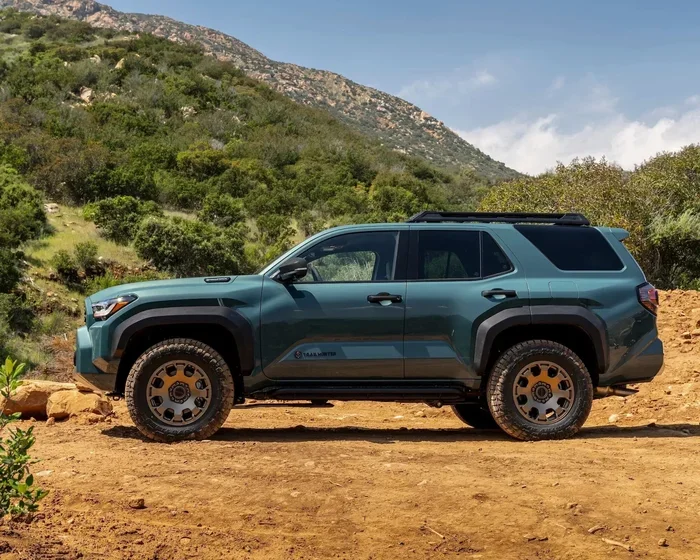
The 4Runner is not just a commuter vehicle. It is a legit off-road machine. The TRD Off-Road and TRD Pro trims come with locking differentials, crawl control, and multi-terrain select. These features attract buyers who want capability, not just looks.
The off-road community has embraced the 4Runner like almost no other vehicle. That loyalty creates a strong used market. People pay a premium for a 4Runner because they know it can go anywhere.
Cultural Icon Status
Let us not ignore the cultural impact. The 4Runner has appeared in movies, video games, and countless social media posts. It has a following that goes beyond practical transportation. For many buyers, owning a 4Runner is a lifestyle choice. And lifestyle-driven demand keeps prices elevated.
Fun fact: the 4Runner even appears in popular racing games like Forza. While the game version is not the real thing, it shows just how deeply embedded this vehicle is in car culture.
4Runner Trim Levels and How They Affect Value
Not all 4Runners are created equal when it comes to holding value. The trim level you choose can have a big impact on long-term resale. Here is a closer look at how different trims perform.
Base SR5
The SR5 is the most popular 4Runner trim, and for good reason. It offers a solid mix of capability and comfort at a reasonable price. Because of its popularity, SR5 models tend to hold their value well. The used market is flooded with SR5s, which keeps supply high and prices stable.
TRD Off-Road and TRD Pro
If you want the best value retention, the TRD trims are the way to go. These special editions come with upgraded suspension, skid plates, and unique styling. They are highly sought after in the used market, which means they depreciate slower than base models.
However, there is a trade-off. TRD models cost more upfront. You need to weigh the higher purchase price against the better resale value. For most buyers, the math works out in favor of the TRD trims over time.
Limited Trim
The Limited trim adds luxury features like leather seats, a premium sound system, and upgraded interior materials. It holds value well, but not as well as the TRD variants. The Limited appeals to buyers who want comfort over off-road performance, and that narrower audience slightly limits resale demand.
| Trim Level | 5-Year Retention | Used Market Demand |
|---|---|---|
| SR5 | ~60% | High |
| TRD Off-Road | ~63% | Very High |
| TRD Pro | ~65% | Very High |
| Limited | ~58% | Moderate |
As you can see, the TRD Pro edges out the competition in both value retention and market demand. If you plan to keep your 4Runner for several years and then sell, the TRD Pro is a smart investment.
Tips to Maximize Your 4Runner’s Resale Value
Buying a 4Runner is only half the battle. How you own and maintain it determines how much value you get back when it is time to sell. Here are some practical tips to keep your vehicle worth as much as possible.
Keep Up with Regular Maintenance
This one sounds obvious, but it is worth repeating. Follow the manufacturer’s maintenance schedule to the letter. Change your oil regularly, rotate your tires, and address small issues before they become big problems.
Full service records are gold when you sell. Buyers trust a well-documented maintenance history. It gives them confidence that the vehicle has been cared for properly.
Protect the Exterior and Interior
The 4Runner sees a lot of abuse. That is part of its charm. But excessive wear and tear will hurt your resale value. Consider using a vinyl wrap to protect the paint and keep the exterior looking fresh. A wrap can also add a custom look that makes your 4Runner stand out from the crowd.
For the interior, seat protectors and floor mats go a long way. Buyers notice a clean, well-maintained interior. It signals that the owner took pride in the vehicle.
Avoid Modifications That Limit Buyer Appeal
Customizations can be fun, but they narrow your potential buyer pool. A lifted suspension with massive tires might look cool, but it limits the pool of interested buyers. Stick with modifications that appeal to a wide audience, or keep the vehicle stock if resale value is your priority.
Drive It, But Don’t Abuse It
The 4Runner is built to be driven. Use it. Take it on trails. Go on road trips. But avoid harsh driving habits that accelerate wear. Smooth acceleration, gentle braking, and proper storage during extreme weather all contribute to long-term value.
Time Your Sale Strategically
Timing matters in the used vehicle market. Sell during peak demand seasons, typically spring and early summer. Avoid selling in late fall or winter when demand for SUVs dips slightly. Also, watch the market for similar 4Runner listings and price your vehicle competitively.
How the 4Runner Compares to Other SUVs in Value Retention
To truly appreciate the 4Runner’s value, it helps to compare it side by side with competitors. The used SUV market is competitive, but the 4Runner consistently comes out on top.
Vehicles like the Ford Bronco, Jeep Wrangler, and Toyota Tacoma share the 4Runner’s reputation for holding value. But the 4Runner often beats them in long-term retention studies. Its combination of reliability, capability, and cultural appeal gives it an edge.
If you are curious about your current vehicle’s worth, checking your car’s actual cash value is always a smart first step. Resources like Kelley Blue Book and Edmunds give you accurate estimates based on condition, mileage, and market trends. These tools confirm what many owners already know: the 4Runner holds its value remarkably well.
One thing to keep in mind is that regular maintenance keeps the engine and drivetrain running strong. Simple things like replacing a worn serpentine belt on time can prevent bigger issues down the road and help maintain the vehicle’s overall health, which buyers look for during inspections.
For buyers who also want to protect their investment, understanding what adds value and what does not is important. For example, some buyers wonder if accessories like Softex seat covers need special conditioning to maintain their appearance and resale appeal. Keeping the interior in top shape is just one part of the equation.
Common Mistakes That Hurt 4Runner Resale Value
Even the best vehicles lose value faster when owners make avoidable mistakes. Here are the most common ones to watch out for.
- Skipping maintenance: Missed oil changes and ignored service items reduce buyer confidence.
- Neglecting the interior: Stained seats, cracked dashboards, and odors drive prices down.
- Over-modifying: Too many aftermarket parts can scare off mainstream buyers.
- Ignoring tire condition: Worn or mismatched tires signal neglect.
- Poor exterior condition: Rust, dents, and faded paint lower perceived value significantly.
Avoiding these mistakes is simple. Stay on top of service, keep the vehicle clean, and make thoughtful decisions about modifications. Your future self, when it is time to sell, will thank you.
Is the 4Runner the Right Choice for You?
By now, the answer to “does Toyota 4Runner hold its value” should be clear. It is one of the strongest holds in the SUV segment. But the real question is whether the 4Runner is right for your lifestyle and budget.
If you value reliability, capability, and long-term savings, the 4Runner is hard to beat. Yes, it has a higher upfront cost than some competitors. But the slow depreciation means you lose less money over time. And the strong used market means you can sell it easily when you are ready for something new.
For buyers who finance their purchase, the strong resale value also means lower negative equity risk. You are less likely to owe more than the vehicle is worth, which provides peace of mind throughout the ownership period.
The Future of 4Runner Value Retention
What does the future hold for the 4Runner? Toyota has hinted at changes, including potential hybrid powertrains and updated technology. These updates could shift the value equation slightly. But the core strengths of the 4Runner remain unchanged.
The 4Runner is not chasing trends. It is a proven formula that works. And as long as buyers continue to value reliability and capability over flashy features, the 4Runner will hold its value for years to come.
Some buyers also wonder how the shift toward hybrid vehicles affects resale. While hybrids like the RAV4 Prime gain popularity, the 4Runner’s traditional V6 powertrain has its own charm. It is simple, proven, and easy to maintain. That simplicity is part of its long-term appeal.
Final Thoughts
The Toyota 4Runner is more than just a vehicle. It is an investment that pays you back every time you look at its resale value. From the first year to the tenth year, the 4Runner holds its value better than nearly any competitor in the SUV market.
Whether you are buying new or used, the 4Runner delivers. You get a vehicle that is reliable, capable, and desirable. You get low long-term ownership costs. And you get the confidence that comes from knowing your truck will still be worth a strong dollar when you decide to move on.
So the next time someone asks you, “does Toyota 4Runner hold its value?” you can confidently say yes. It is one of the smartest vehicle purchases you can make in today’s market.
Take care of your 4Runner, drive it hard, and enjoy the ride. When it is time to sell, you will be glad you did.
Frequently Asked Questions
How much does a Toyota 4Runner depreciate per year?
On average, the 4Runner loses about 15-20% of its value in the first year and 35-40% over five years. This is significantly slower than most SUVs, which typically lose 50% or more in the same timeframe. The 4Runner’s strong resale demand keeps depreciation low.
Is the Toyota 4Runner a good investment for resale?
Yes, the 4Runner is widely considered one of the best SUVs for resale value. Its combination of reliability, off-road capability, and cultural popularity means used models sell quickly and at strong prices. Buying a 4Runner is one of the smartest choices if you care about long-term value.
Which 4Runner trim holds the most value?
The TRD Pro and TRD Off-Road trims typically hold the most value due to their high demand in the used market. The SR5 base model also retains value well because of its popularity. The Limited trim holds value too, but not as strongly as the TRD variants.
Does mileage affect a 4Runner’s resale value?
Yes, higher mileage reduces resale value, but the 4Runner handles high mileage better than most vehicles. A 4Runner with 150,000 miles that has been well maintained can still command a strong price. Buyers trust Toyota’s durability, so they are more forgiving of higher mileage on this model.
How can I check my 4Runner’s current value?
You can use online tools like Kelley Blue Book, Edmunds, or NADA Guides to check your 4Runner’s current actual cash value. These tools factor in your vehicle’s year, trim, mileage, condition, and location to give you an accurate estimate of what it is worth in today’s market.
Do older 4Runner models still hold value well?
Absolutely. Older 4Runner models from the 2000s and early 2010s still hold value remarkably well. The 4Runner’s reputation for reliability means even decade-old models attract strong buyer interest. Well-maintained older 4Runners can sell for $8,000 to $15,000 or more depending on condition.