Car Roof Luggage Carrier How to Choose the Right One
Choosing the right car roof luggage carrier can transform your road trips by freeing up valuable interior space and keeping your gear secure. Whether you prefer a soft roof bag, a hard shell roof box, or a roof basket, this guide covers everything you need to make a confident decision. We will walk you through types, key features, installation tips, and common mistakes so you pick the perfect roof luggage system for your vehicle and travel style.
Key Takeaways
- Match the carrier type to your needs: soft bags offer flexibility, hard boxes provide security, and roof baskets handle bulky items best.
- Check weight capacity and dimensions: always verify your vehicle’s roof limits and the carrier’s maximum load before buying.
- Material matters: choose waterproof roof bag fabrics or durable hard shells depending on your climate and cargo type.
- Installation ease counts: look for universal roof carrier designs that work with standard crossbars and require minimal tools.
- Pack smart and secure: distribute weight evenly, use straps, and avoid overloading to stay safe on the road.
- Maintain your carrier regularly: clean, inspect straps, and store properly to extend its lifespan significantly.
- Budget wisely: mid-range options often deliver the best balance of quality, durability, and features for most travelers.
📑 Table of Contents
What Is a Car Roof Luggage Carrier and Why You Need One
A car roof luggage carrier is a storage system mounted on top of your vehicle to carry extra gear, bags, or equipment. These roof cargo carriers come in many shapes and sizes, and they are designed to fit different vehicles and travel needs. If you have ever struggled to fit suitcases, camping gear, or sports equipment inside your car, a roof luggage system is the solution you have been looking for.
The beauty of a car roof luggage carrier is simple. It opens up your interior space so passengers can stretch their legs and stay comfortable. At the same time, it keeps your belongings safe and secure during long drives. Whether you are heading to the beach, hitting the mountains, or embarking on a cross-country road trip, a roof carrier makes a huge difference.
Not all carriers are the same, though. The right car roof luggage carrier depends on your vehicle type, the amount of gear you carry, and how often you travel. This guide will help you understand your options and pick the best one with confidence.
Types of Car Roof Luggage Carriers Available
When you start shopping for a car roof luggage carrier, you will notice three main types. Each type has its own strengths, and the best choice depends on what you plan to carry and how you like to travel.
Soft Roof Bags
A soft roof bag is a flexible fabric carrier that straps directly onto your roof rack. These bags are lightweight, foldable, and easy to store when not in use. They are perfect for travelers who need extra space for soft items like clothes, pillows, or sleeping bags. A waterproof roof bag is a popular choice because it protects your gear from rain and moisture. Soft bags are also more affordable than hard shell options, making them a great entry point for first-time buyers.
One thing to keep in mind with a soft roof bag is that they can be affected by wind at high speeds. The flexible shape may catch air and create drag, which can slightly reduce fuel efficiency. However, many modern soft roof bags now feature aerodynamic designs that reduce this issue.
Hard Shell Roof Boxes
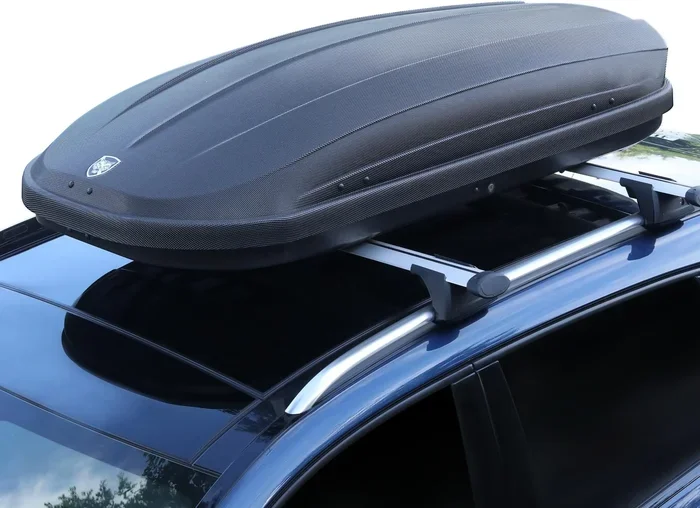
A hard shell roof box is a rigid, enclosed container made from durable plastic or fiberglass. These are the most popular type of cargo carrier for families and frequent travelers. A hard shell roof box offers excellent weather protection and keeps your belongings hidden from view, which adds a layer of security. They are also more aerodynamic than soft bags, which helps maintain fuel economy during highway driving.
The downside of a hard shell roof box is the price. They tend to cost more than soft bags, and they are heavier and less flexible in storage. You also need to make sure the box fits your roof rack properly, since sizes can vary between brands. But if you want durability and protection, a hard shell roof box is hard to beat.
Roof Baskets and Cargo Platforms
A roof basket is an open-frame platform that sits on top of your crossbars. Unlike bags or boxes, a roof basket gives you easy access to bulky items from above. They are ideal for carrying things like surfboards, kayaks, lumber, or large coolers that would not fit inside an enclosed carrier. A roof basket is also great for people who want to load and unload gear quickly without unzipping or unlocking anything.
The trade-off with a roof basket is that your cargo is exposed to the elements. Rain, snow, and dust can reach your belongings unless you add a roof rack cover or tie a tarp over the top. Roof basket accessories like nets and straps help secure items, but you still need to pack carefully to prevent anything from shifting during the drive.
Key Features to Look For When Choosing
Not every car roof luggage carrier is built the same way. Before you buy, it helps to know which features matter most. Here are the key factors that can make or break your experience with a roof luggage system.
Weight Capacity
Every car roof luggage carrier has a maximum weight limit. This number tells you how much load the carrier can safely hold. You must check both the carrier’s rating and your vehicle’s roof weight limit. Exceeding either one can damage your car or create a dangerous driving situation. Most car roof luggage carriers support between 100 and 165 pounds, but always double-check the specs before you buy.
Size and Dimensions
The size of your car roof luggage carrier should match both your vehicle and your gear. Measure your roof area and the space between your crossbars before shopping. Also, think about how much cargo you typically carry. A compact soft roof bag might work for a weekend trip, but a large family road trip may require a spacious hard shell roof box or a combination of carriers.
Material and Weather Resistance
The material of your car roof luggage carrier determines how well it holds up over time. Soft bags use reinforced polyester or nylon fabrics, while hard shells use polycarbonate or ABS plastic. Look for waterproof roof bag materials or hard shell roof boxes with sealed seams. UV-resistant coatings also help prevent fading and cracking after months of sun exposure. A well-made carrier from quality car roof accessories will last for many seasons.
Ease of Installation
Nobody wants to spend hours figuring out how to mount a car roof luggage carrier. Look for models with straightforward roof carrier mounting systems that use straps, locks, or quick-release mechanisms. A universal roof carrier that fits standard crossbars is the easiest to install. Some premium roof rack accessories even include tool-free setup, which is a huge plus for casual users.
Comparison Table: Soft Bags vs Hard Shell Boxes vs Roof Baskets
| Feature | Soft Roof Bag | Hard Shell Roof Box | Roof Basket |
|---|---|---|---|
| Best For | Soft, flexible items | Fragile and valuable gear | Bulky and oversized cargo |
| Weather Protection | Good (with waterproof model) | Excellent | Poor (needs cover) |
| Weight Capacity | Up to 75 lbs | Up to 165 lbs | Up to 200 lbs |
| Price Range | $40 – $150 | $150 – $500 | $50 – $200 |
| Fuel Impact | Moderate drag | Low drag (aerodynamic) | High drag (open frame) |
| Ease of Loading | Top or side opening | Top opening | Top loading |
| Storage When Not in Use | Folds flat | Bulky, needs garage space | Moderate size |
How to Choose the Right Car Roof Luggage Carrier for Your Needs
Now that you know the types and key features, let us talk about how to actually choose the right car roof luggage carrier. This decision should be based on a few simple factors that align with your lifestyle and vehicle.
Match the Carrier to Your Vehicle
Not every car roof luggage carrier fits every car. Start by checking your vehicle’s roof type. Do you have factory crossbars, or do you need a roof rack installation kit? Some carriers work only with specific roof rack systems, so compatibility is critical. Consult your vehicle’s owner manual to find the maximum roof carrier weight capacity and the spacing between your crossbars. This simple step saves money and prevents compatibility headaches.
Consider Your Travel Style
Think about how you travel. Are you a weekend camper who carries a tent and sleeping bags? A soft roof bag or a small hard shell roof box will serve you well. Do you travel with a family of five and bring tons of luggage? A large hard shell roof box paired with a roof basket on top gives you maximum capacity. If you are an outdoor enthusiast who carries bikes or skis, look for car roof accessories that include specialized mounts and straps for those items.
Budget Considerations
Price is always a factor when buying car roof accessories. Soft bags are the most budget-friendly option, starting around $40. Hard shell roof boxes range from $150 to $500 depending on size and brand. Roof baskets fall in the middle. Remember that investing in a quality car roof luggage carrier saves money in the long run because it lasts longer and performs better. Avoid the cheapest options that use thin materials and weak straps, as they may fail under load or in bad weather.
Brand Reputation and Warranty
Stick with reputable brands that offer solid warranties on their roof luggage system products. A good warranty shows that the manufacturer stands behind its car roof luggage carrier. Look for brands that have been in the roof rack industry for several years and have positive customer reviews. Reading real user feedback helps you spot potential issues before you spend your money.
Installation Tips and Common Mistakes
Installing a car roof luggage carrier is usually straightforward, but small mistakes can lead to big problems on the road. Follow these tips to ensure a safe and secure setup every time.
Step-by-Step Setup Guide
- Start by cleaning your roof surface and crossbars to remove dirt and debris.
- Place the carrier base or frame onto the crossbars and align it with your vehicle’s roof rails.
- Use the included straps or locking mechanisms to secure the carrier firmly to the crossbars.
- Tighten every strap or bolt by hand, then give each one a firm pull to test for looseness.
- Load your gear evenly across the carrier, placing heavier items low and centered over the vehicle.
- Use additional roof rack accessories like cargo nets or tie-down straps to secure loose items.
- Before driving, do a slow-speed test to check for rattling or shifting. Stop and re-tighten if needed.
Common Mistakes to Avoid
One of the biggest mistakes people make is overloading their car roof luggage carrier. Exceeding the weight limit puts stress on your vehicle’s roof, suspension, and handling. Another common error is failing to check wind resistance at highway speeds. A poorly secured or oversized carrier can create dangerous lift or drag. Also, never place heavy items on top of soft bags without a hard shell or basket underneath, as the soft material can compress and shift during driving.
Another mistake is ignoring roof carrier dimensions. A carrier that is too wide or too long for your vehicle can obstruct your view, interfere with antenna signals, or rub against garage door frames. Always measure twice and buy once.
Maintenance and Expert Road Trip Tips
Your car roof luggage carrier is an investment that deserves regular care. A little maintenance goes a long way in keeping it safe and functional for years of use.
Keeping Your Carrier in Top Shape
After every trip, wipe down your car roof luggage carrier with a damp cloth to remove dirt, salt, and road grime. For soft bags, make sure they are completely dry before folding and storing them. Mold and mildew can develop quickly on damp fabric. For hard shell roof boxes, check the seals and gaskets periodically to ensure they remain airtight and waterproof. Apply a silicone-based lubricant to moving parts like locks and latches to keep them functioning smoothly. Inspect all straps, buckles, and fasteners for wear and replace any damaged parts immediately.
Packing Tips for Safe Travel
How you pack your car roof luggage carrier matters just as much as which carrier you choose. Always distribute weight evenly and place heavier items low and toward the center of the carrier. This keeps your vehicle balanced and improves handling. Use soft items like clothing to fill gaps and prevent smaller items from shifting. Secure everything with straps or bungee cords, and never stack items above the carrier’s height limit, as this creates a wind hazard.
Final Thoughts on Choosing a Car Roof Luggage Carrier
Finding the right car roof luggage carrier does not have to be overwhelming. Start by understanding your needs, match the carrier type to your vehicle and travel style, and focus on quality features like weight capacity, weather resistance, and easy installation. Whether you choose a soft roof bag, a hard shell roof box, or a roof basket, the right roof luggage system will make every trip more comfortable and organized. Take your time, do your research, and enjoy the freedom of extra car roof storage on your next adventure.
Frequently Asked Questions
What is the best car roof luggage carrier for a small car?
A soft roof bag is often the best choice for small cars because it is lightweight, compact, and easy to install. Look for a waterproof roof bag with a capacity of 10 to 15 cubic feet, which provides enough space for weekend gear without overwhelming your vehicle’s roof. Always check your car’s manual for the maximum roof carrier weight capacity before purchasing.
Can I install a car roof luggage carrier without crossbars?
Some car roof luggage carriers come with their own mounting systems that do not require permanent crossbars. However, most carriers work best and safest when paired with a proper roof rack and crossbars. If your vehicle does not have factory crossbars, you can purchase an aftermarket roof rack installation kit that fits your make and model.
How much weight can a car roof luggage carrier hold?
The weight capacity varies by model, but most car roof luggage carriers support between 100 and 165 pounds. Soft bags typically handle up to 75 pounds, while hard shell roof boxes and roof baskets can carry more. Always check your vehicle’s roof weight limit and the carrier’s rated capacity to stay safe.
Are car roof luggage carriers safe for highway driving?
Yes, when installed correctly and not overloaded, a car roof luggage carrier is safe for highway driving. Make sure all straps are tight, the carrier is centered on your crossbars, and your load is balanced. Avoid exceeding the recommended speed limits listed by the manufacturer, and check your carrier during rest stops for any loosening or shifting.
What is the difference between a soft roof bag and a hard shell roof box?
A soft roof bag is flexible, lightweight, and affordable, making it great for casual trips and irregularly shaped items. A hard shell roof box is rigid, aerodynamic, and offers superior weather protection and security for valuable or fragile gear. The right choice depends on your budget, the type of cargo you carry, and how often you travel.
How do I maintain my car roof luggage carrier?
Clean your carrier after every trip with a damp cloth, and let soft bags dry completely before storing them. Inspect all straps, buckles, and seals regularly for wear. For hard shell roof boxes, check the rubber gaskets and apply a protectant to keep them flexible. Store your car roof luggage carrier in a cool, dry place away from direct sunlight to extend its lifespan.