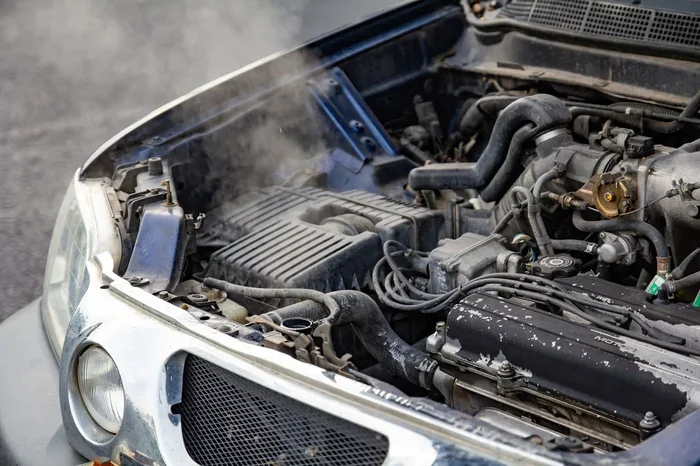
Burning Smell From Car Here Are The Main Reasons Why
A burning smell from car is a warning sign that should never be ignored. Whether it smells like burning rubber, oil, plastic, or something electrical, each odor points to a specific problem that needs attention. This guide covers every major cause, how to diagnose it, and what steps to take to keep your car safe.
You are driving down the road when suddenly it hits you. A sharp, unpleasant odor fills your car. Your first thought might be panic. A burning smell from car is one of those warnings you should never ignore. It can mean anything from a minor issue to something seriously dangerous. Understanding what causes this smell helps you act fast and stay safe.
Every car burning smell has a source. Sometimes it is a loose rubber hose. Other times it is an oil leak or an electrical short. The good news is that most causes are fixable when you catch them early. This guide breaks down every major reason for a burning smell from car. You will learn what each smell means, how to diagnose it, and what steps to take next.
Whether the odor smells like burning rubber, burning plastic, or something electrical, this article covers it all. We will walk you through each scenario with clear, practical advice. By the end, you will know exactly how to handle a burning smell from car and keep your vehicle running safely.
Key Takeaways
- Burning smell from car is never normal: Any persistent burning odor signals a problem that needs immediate attention
- Different smells mean different problems: Rubber, oil, plastic, and electrical burning odors each point to specific issues
- Brake-related burning smells are common: Worn brake pads and overheating rotors are frequent culprits
- Act quickly to prevent costly repairs: Ignoring a burning smell can lead to engine damage or even fire
- Some fixes are simple: Many causes can be resolved with basic maintenance or inexpensive parts
- Know when to call a pro: Some burning smell issues require professional diagnosis and repair
📑 Table of Contents
- What Does a Burning Smell From Car Actually Mean?
- Burning Rubber Smell From Car
- Burning Oil Smell From Car
- Burning Plastic Smell From Car
- Electrical Burning Smell From Car
- Burning Smell From Car When Braking
- Comparison Table: Common Burning Smells and Their Causes
- How to Diagnose and Fix a Burning Smell From Car
- Conclusion
What Does a Burning Smell From Car Actually Mean?
A burning smell from car is your vehicle’s way of telling you something is wrong. Cars use many different materials that can produce odors when they heat up, wear out, or break. Recognizing the type of smell is the first step toward finding the fix.
Why You Should Never Ignore It
Some drivers notice a burning odor from engine and keep driving. This is a big mistake. A car smells like burning for a reason, and that reason usually gets worse over time. What starts as a minor issue can turn into a major repair bill or even a dangerous situation on the road.
Ignoring a burning smell from car can lead to engine failure, electrical fires, or total vehicle breakdowns. The sooner you investigate the source, the better your chances of a simple and affordable fix. Think of the smell as your car’s alarm system. It is trying to tell you something important.
Common Types of Burning Odors
Not all burning odors are the same. Each type of smell points to a different problem. Here are the most common burning smells from car that drivers report:
- Burning rubber smell — Often caused by slipping belts or melted rubber hoses
- Burning oil smell — Usually signals an oil leak hitting hot engine parts
- Burning plastic smell — Points to melting dashboard components or foreign objects
- Electrical burning smell — Suggests overheated wiring or a short circuit
- Burning carpet smell — Often related to overheating brakes or clutch issues
- Sweet smell from car — Can indicate a leaking heater core or coolant issue
Each of these odors tells a different story about what is happening inside your vehicle. Let us now look at each one in detail so you can start narrowing down the cause.
Burning Rubber Smell From Car
A smell of burning rubber is one of the most common complaints drivers have. This odor usually comes from rubber components that are overheating, slipping, or rubbing against hot metal parts. It is important to address this smell quickly before the rubber fails completely.
Slipping Serpentine Belt
The serpentine belt drives many accessories in your car, including the alternator, power steering pump, and air conditioning compressor. When this belt becomes worn, loose, or misaligned, it starts to slip against the pulleys.
This slipping creates friction, which generates heat. The result is a distinct burning rubber smell from car that is hard to miss. You might also notice a squealing noise when you start the engine or turn the steering wheel sharply. The hot car smell that comes from a slipping belt is often described as sharp and acrid.
Quick Tip: Check your serpentine belt regularly for cracks, glazing, or fraying. Replacing a worn belt is inexpensive and prevents a lot of headaches down the road. Most belts last between 50,000 and 100,000 miles, but heat exposure can shorten that lifespan.
Loose or Worn Rubber Hoses
Your engine bay contains many rubber hoses that carry coolant, power steering fluid, and vacuum lines. Over time, these hoses can crack, swell, or become loose. When a hose rubs against a hot engine part or a moving belt, it can melt and produce a strong burning rubber odor.
Coolant leaks from a damaged hose can also cause your engine to overheat, which makes the overheating car smell even worse. If you see green, orange, or pink fluid under your car, a hose leak is likely the cause. A smoke from car engine scenario can develop quickly if a coolant hose bursts while driving.
Expert Insight: Rubber hoses typically last between four and seven years, but heat exposure can shorten their lifespan significantly. Inspect them during every oil change to catch wear early. Pay special attention to hose clamps, as loose clamps are a common source of slow leaks.
Burning Oil Smell From Car
A burning oil smell from car is another frequent issue that drivers encounter. This smell often indicates that engine oil is leaking and making contact with hot exhaust components or engine surfaces. Oil burning on hot metal produces a dark, acrid odor that is unmistakable once you have smelled it.
Oil Leaks and Overheating Engines
Engine oil lubricates hundreds of moving parts inside your motor. When an oil seal or gasket fails, oil can drip onto hot surfaces like the exhaust manifold. The oil burns off on contact, creating a burning oil smell from car that fills the cabin or lingers outside the vehicle.
Low oil levels make this problem worse. When your engine does not have enough lubrication, metal parts grind against each other. This generates excessive heat and can lead to serious car engine overheating. In extreme cases, a lack of oil can cause the engine to seize entirely, which means a very expensive repair or even a total loss.
Common causes of oil leaks include:
- Worn valve cover gaskets
- Damaged oil pan gasket
- Loose or broken oil drain plug
- Cracked piston rings
- Faulty oil filter seal
If you notice a burning oil smell from car along with blue or gray exhaust smoke, pull over safely and check your oil level immediately. Running an engine with low oil is one of the fastest ways to cause irreversible damage.
Burning Oil Smell From Car While Driving
Sometimes the burning oil smell from car only appears while you are driving, especially at highway speeds. This can happen when oil splashes onto the exhaust system during normal driving. A small leak that is barely noticeable at low speeds can become much worse under higher heat conditions.
If you experience this, do not continue driving for long distances. Stop, let the engine cool, and check for visible leaks underneath the car. Topping off your oil temporarily can help, but you should get the leak repaired as soon as possible. Driving with an oil leak is risky and can lead to engine failure on the road.
Common Mistake: Many drivers top off their oil and keep driving without finding the source of the leak. This is dangerous. A small leak today can become a catastrophic engine failure tomorrow. Always find and fix the source of the leak, not just the symptom.
Burning Plastic Smell From Car
A burning plastic smell car owners report is often alarming. Plastic components are found throughout your vehicle, from the dashboard to wire insulation. When these parts overheat or melt, they produce a sharp, chemical odor that is hard to ignore. While some causes are harmless, others need immediate attention.
Melting Dashboard Components
On hot days, your car’s interior can reach extreme temperatures. Some plastic dashboard components are not rated for prolonged heat exposure. When the sun beats down on a parked car, plastic trim pieces, clips, and covers can soften and emit a burning plastic smell.
This is especially common in older vehicles where the plastic has already become brittle from years of UV exposure. The smell is usually strongest right after you start the car and turn on the air conditioning, as the A/C blows air over the heated surfaces. This type of hot car smell is generally not dangerous but can be unpleasant.
Foreign Objects Near Hot Engine Parts
Sometimes a burning plastic smell from car is caused by something as simple as a grocery bag, a floor mat, or a piece of clothing resting on a hot engine component. The exhaust manifold and catalytic converter reach very high temperatures, and any plastic material that touches them will melt quickly.
Before you panic about a burning plastic smell car issue, pop the hood and look for any foreign objects near the engine. This is an easy fix that costs nothing. Also check your cabin air filter area, as debris can sometimes get lodged near the blower motor and melt.
Quick Tip: Always make sure your floor mats are properly secured and not resting on any hot components. After a car wash or interior cleaning, check that no towels or cloths were left near the engine bay. A catalytic converter smell can sometimes be confused with a plastic burning smell, so pay attention to where the odor is strongest.
Electrical Burning Smell From Car
An electrical burning smell is one of the most serious warnings your car can give. Electrical issues can lead to fires if not addressed quickly. If you ever notice a sharp, acrid odor that smells like burning electronics or melting insulation, treat it as an emergency and take action immediately.
Overheated Wiring and Fuses
Your car contains miles of wiring that carry electrical current to everything from the headlights to the infotainment system. Over time, wires can become frayed, damaged, or pinched. When bare wires touch each other or metal surfaces, they can create resistance and generate heat.
This overheated wiring produces a distinct electrical burning smell that is different from burning rubber or oil. It often smells like melting plastic or burnt paper. If you notice this smell, turn off the electrical systems and pull over immediately. Continuing to drive with an electrical fault increases the risk of a full-blown fire.
Common causes of overheated wiring include:
- Old or degraded wire insulation
- Aftermarket accessories installed without proper wiring
- Water damage causing short circuits
- Blown fuses that were replaced with incorrect amperage
- Overloaded electrical circuits from too many accessories
Short Circuits and Electrical Fires
A short circuit occurs when current flows along an unintended path. This can cause wires to heat up rapidly and ignite surrounding materials. An electrical burning smell from car that is accompanied by smoke or a flickering dashboard is a clear sign of a short circuit.
Common Mistake: Some drivers try to keep driving when they smell something electrical. This is extremely dangerous. An electrical fire can spread quickly and become life-threatening. If you suspect an electrical issue, stop the car, turn off the ignition, and call for help. Do not open the hood if you see smoke.
Expert Insight: Modern cars have complex electrical systems with computers and sensors. A short circuit in car wiring can affect everything from power windows to engine management. Always have electrical issues diagnosed by a qualified mechanic. The cost of an inspection is far less than the cost of replacing a burned-out wiring harness.
Burning Smell From Car When Braking
A burning smell from car that appears when you apply the brakes is a very specific issue. Your braking system generates enormous heat, and sometimes that heat produces noticeable odors that can alarm drivers. Understanding the difference between normal and abnormal brake smells is important.
Worn Brake Pads and Rotors
Brake pads are made of friction material that grips the rotors to slow your car down. When brake pads wear down to the minimum thickness, the metal backing plate starts to contact the rotor. This creates a grinding sound and a hot, metallic burning smell when braking.
If you notice a brake pad burning smell after hard braking, such as driving down a steep mountain road, this is sometimes normal. The friction generates a lot of heat, and the smell usually goes away once the brakes cool down. However, if the smell persists during normal driving, your brake pads need immediate replacement. Driving on worn brake pads reduces your stopping power, which is a serious safety risk.
Parking Brake Issues
A stuck or partially engaged parking brake can cause the rear brake pads to drag against the rotors. This constant friction creates heat and a persistent burning smell from car that is most noticeable after parking. If your parking brake does not release fully, have it adjusted or repaired right away.
Quick Tip: Make it a habit to fully release your parking brake before driving. A partially engaged parking brake not only causes a burning smell but also wears out your rear brake pads prematurely. This is an easy fix that many drivers overlook. Also, if you recently drove through water or washed your car, the brakes may smell slightly different until they dry out completely. This is normal and should go away within a few minutes of driving.
Comparison Table: Common Burning Smells and Their Causes
| Smell Type | Most Likely Cause | Severity | Immediate Action |
|---|---|---|---|
| Burning Rubber | Slipping belt or worn hose | Moderate | Check belt tension and hose condition |
| Burning Oil | Oil leak on hot engine parts | High | Check oil level and look for leaks |
| Burning Plastic | Melting dashboard or foreign object | Low to Moderate | Remove foreign objects and inspect plastic parts |
| Electrical Burning | Overheated wiring or short circuit | Critical | Stop driving and call for help |
| Burning Carpet | Overheating brakes or clutch | Moderate to High | Check brake pads and release parking brake |
| Sweet Smell | Coolant leak or heater core issue | High | Check coolant level and inspect for leaks |
How to Diagnose and Fix a Burning Smell From Car
Once you have identified the type of burning smell from car, the next step is diagnosis. Some causes are easy to find and fix yourself, while others require professional tools and expertise. The key is to be methodical and safe throughout the process.
Step-by-Step Diagnostic Guide
Follow these steps when you notice a burning smell coming from car:
- Pull over safely. Turn off the engine and let the car cool for a few minutes. Never open the hood immediately if you see steam or smoke.
- Check under the car. Look for any fluid puddles, hanging hoses, or visible damage. Use a flashlight to inspect the underside carefully.
- Listen for unusual sounds. Start the engine and listen for squealing, grinding, or hissing noises. These sounds often accompany a burning smell from car.
- Check fluid levels. Look at the oil dipstick, coolant reservoir, and brake fluid level. Low levels often explain burning odors.
- Inspect visible belts and hoses. Open the hood and visually check the serpentine belt, radiator hoses, and power steering hoses for cracks or wear.
- Note when the smell occurs. Does it happen when braking, accelerating, or idling? This information helps a mechanic diagnose the problem faster.
Taking these steps before visiting a mechanic can save you time and money. It also helps you communicate the problem more effectively. Write down when you first noticed the smell and what you were doing at the time. These details are valuable for any technician.
When to Call a Professional Mechanic
Some burning smell from car issues are beyond DIY repair. You should call a professional mechanic if:
- The smell is accompanied by smoke or flames
- Your temperature gauge shows the engine is overheating
- You see fluid leaking from the car
- The burning odor from engine persists after checking basic fluids and belts
- You experience a loss of power or strange handling
- The check engine light is on along with the burning smell
A professional mechanic has diagnostic tools like OBD-II scanners, smoke machines, and lift inspections that can find problems you cannot see from the driveway. Trusting a pro for serious issues keeps you safe and prevents expensive mistakes. A transmission burning smell or a heater core burning smell, for example, requires specialized knowledge and equipment to diagnose properly.
Key Takeaway: A burning smell from car should never be taken lightly. Quick action and proper diagnosis can mean the difference between a small repair and a major expense. Always prioritize safety over convenience, and do not hesitate to seek professional help when you are unsure.
Conclusion
A burning smell from car is never something you should brush aside. Whether it is a smell of burning rubber, a burning oil smell from car, or an electrical burning smell, each odor tells you that something needs attention. The most important thing you can do is act quickly and safely.
Start by identifying the type of smell and when it occurs. Check your fluid levels, inspect visible components, and listen for unusual sounds. Many causes of a burning smell from car are simple and affordable to fix when caught early. However, some issues like electrical problems or severe oil leaks require immediate professional help.
Regular maintenance is your best defense against most burning odors from car issues. Stick to your service schedule, inspect your car regularly, and never ignore warning signs. Your car communicates with you through sounds, smells, and sensations. Learning to listen to these signals keeps you, your passengers, and your vehicle safe for years to come.
If you ever find yourself dealing with a burning smell from car, trust your instincts and investigate. It is always better to be safe than sorry when it comes to your vehicle and your safety on the road. Take action today, and you will avoid bigger problems tomorrow.
Frequently Asked Questions
Can a burning smell from car cause a fire?
Yes, some causes of a burning smell from car can lead to fires, especially electrical issues or oil leaks that contact hot engine parts. If you notice smoke or flames along with the smell, stop the car immediately, turn off the engine, and call emergency services. Do not try to drive the vehicle to a repair shop if you see visible smoke or fire.
How much does it cost to fix a burning smell from car?
The cost varies widely depending on the cause. A serpentine belt replacement might cost $100 to $200, while an oil leak repair can range from $150 to $1,000 or more. Electrical issues and transmission problems can be even more expensive. The best way to know the exact cost is to have a mechanic diagnose the specific problem.
Is a burning smell from car after a brake pad replacement normal?
Yes, it is normal to notice a slight burning smell for the first few hundred miles after new brake pads are installed. This happens because the pads need to bed in against the rotors. However, if the smell persists beyond a few hundred miles or is very strong, you should have the brakes inspected again to make sure everything is seated properly.
What should I do if my car smells like burning while driving?
First, stay calm and pull over safely. Turn off the engine and let the car cool for a few minutes. Check for visible leaks, smoke, or unusual sounds. Do not open the hood if you see steam. If you cannot identify the cause, call a tow truck and have the car taken to a mechanic. Driving with a burning smell can worsen the problem and create safety risks for you and others on the road.
Can low coolant cause a burning smell from car?
Yes, low coolant can cause your engine to overheat, which produces a hot, metallic smell. Coolant leaks can also cause the heater core to emit a sweet, syrupy odor inside the cabin. If you suspect a coolant issue, check the reservoir level and look for green, orange, or pink fluid under your car. Never open the radiator cap when the engine is hot, as pressurized coolant can cause serious burns.
How can I prevent a burning smell from car?
Regular maintenance is the best prevention. Stick to your oil change schedule, inspect belts and hoses during routine service, and address small leaks before they become big problems. Keep your engine bay clean and free of debris, and never ignore warning signs like unusual smells, sounds, or dashboard lights. A well-maintained car rarely develops serious burning smell issues, and prevention is always cheaper than repair.