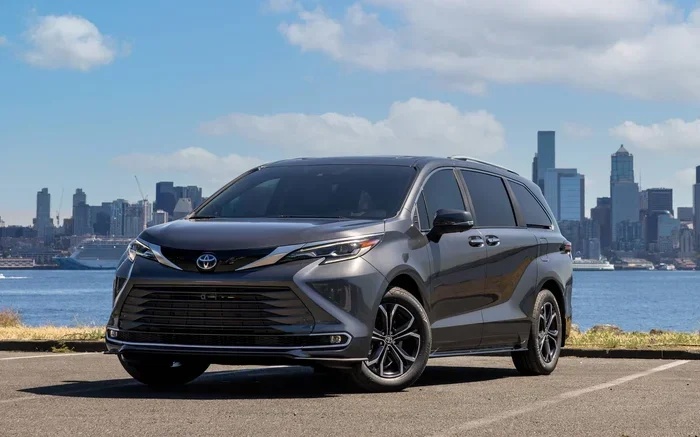
Does the Toyota Sienna Hold Its Value in the Long Run
The Toyota Sienna is one of the most reliable minivans on the road, and it holds its value surprisingly well compared to competitors. With strong demand, low maintenance costs, and a reputation for longevity, the Sienna consistently outperforms many rival models in resale value. Whether you buy new or used, understanding how this vehicle depreciates helps you make a smarter purchase decision.
When you spend tens of thousands of dollars on a vehicle, the last thing you want is for it to lose half its value in just a few years. That is exactly the worry many car buyers face. But here is the good news. The Toyota Sienna has a strong track record when it comes to holding its value. If you have been wondering does the Toyota Sienna hold its value, you are in the right place. In this article, we break down everything you need to know about Sienna resale trends, depreciation rates, and what makes this minivan a smart long-term investment.
The Toyota Sienna has been a staple in the minivan segment for decades. Families love it for its spacious interior, smooth ride, and proven reliability. But beyond daily comfort, the Sienna also delivers something many buyers overlook: strong resale value. Over the years, this vehicle has earned a reputation as one of the best minivans for retaining money. So let us dive deep into the numbers, the factors, and the expert insights that answer the big question.
Key Takeaways
- Strong Resale Value: The Toyota Sienna retains more of its original price than most minivans on the market.
- Reliability Drives Demand: Toyota’s reputation for durability keeps used Sienna models in high demand.
- Hybrid Models Hold Value Better: The Sienna Hybrid tends to depreciate slower than the gas-only version.
- Low Cost of Ownership: Affordable maintenance and repairs help preserve long-term value.
- Competitive Edge: The Sienna beats rival minivans like the Honda Odyssey and Chrysler Pacifica in resale benchmarks.
- Market Trends Favor Minivans Again: Growing family sizes and practical needs are boosting minivan demand, including the Sienna.
📑 Table of Contents
- Understanding Vehicle Depreciation
- Toyota Sienna Resale Value Over Time
- Factors That Affect Toyota Sienna Value
- Toyota Sienna vs. Competitors in Resale Value
- Why the Toyota Sienna Holds Value So Well
- Tips to Maximize Your Toyota Sienna’s Value
- Common Mistakes That Hurt Sienna Value
- Expert Insights on Minivan Value Retention
- Conclusion
Understanding Vehicle Depreciation
What Is Depreciation and Why Does It Matter?
Depreciation is the gradual loss of a vehicle’s value over time. Almost every car loses value after you drive it off the lot. But the rate of loss varies wildly depending on the brand, model, and market conditions. Some vehicles drop 20% in the first year alone. Others hold steady for several years. Understanding depreciation helps you choose a car that wastes less money over time. For minivan shoppers, this is especially important because families often keep vehicles for a long time.
The Toyota Sienna sits in a favorable position on the depreciation curve. According to industry data, the Sienna loses about 15% of its value in the first year. By year five, total depreciation typically lands around 45% to 50%. Compare that to some competitors, and the Sienna looks even better. Many rival minivans lose closer to 55% or 60% over the same period. This difference adds up to thousands of dollars when it is time to sell or trade in.
How Depreciation Is Calculated
Depreciation depends on several factors. Mileage plays a huge role. A Sienna with 30,000 miles will hold value better than one with 80,000 miles. Condition matters too. A well-maintained interior and exterior make a big difference. Service history also counts. Buyers pay more for vehicles with documented maintenance. And then there is market demand. When a model is popular, it holds value longer. The Sienna benefits from all of these factors, which is why it consistently ranks well in resale studies.
Toyota Sienna Resale Value Over Time
Year-by-Year Depreciation Breakdown
Let us look at a typical depreciation timeline for the Toyota Sienna. Keep in mind that actual numbers vary based on trim, condition, and location.
- Year 0 (New): You pay the full sticker price, usually between $38,000 and $50,000 depending on trim.
- Year 1: Value drops roughly 15%. A new Sienna worth $45,000 might be worth around $38,000.
- Year 3: Expect about 30% to 35% depreciation. That same Sienna could be valued near $29,000.
- Year 5: Total depreciation hits around 45% to 50%. The vehicle might be worth $22,000 to $25,000.
- Year 7: Value continues to decline more slowly. A well-kept Sienna could still be worth $17,000 to $20,000.
- Year 10: Older Siennas with good maintenance can still hold $10,000 to $14,000 depending on condition.
These numbers show that the Sienna loses value quickly at first but stabilizes after the first few years. This pattern is typical for Toyota vehicles. The brand is known for building cars that last, and buyers recognize that. That recognition translates directly into stronger resale numbers.
Comparing New vs. Used Sienna Value
Buying a used Toyota Sienna is one of the smartest moves for value-conscious buyers. When you buy a three-year-old Sienna, you skip the steepest part of the depreciation curve. A new Sienna might lose $7,000 to $10,000 in its first year. A three-year-old Sienna has already absorbed that hit. You get a vehicle that is still reliable and modern, but at a significantly lower price. And when you decide to sell again, the value loss from that point is much smaller.
If you want to check what your current vehicle might be worth, you can use tools that help you find your car’s actual cash value quickly and accurately. This gives you a realistic baseline before you list your Sienna for sale.
Factors That Affect Toyota Sienna Value
Trim Level and Features
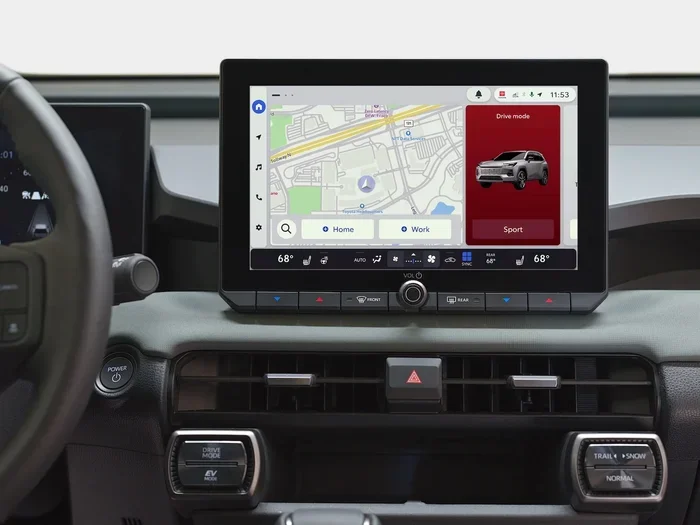
Not all Toyota Siennas are created equal when it comes to holding value. Higher trims like the XSE and Limited tend to hold their value better than base models. Why? Because they come with more desirable features. Leather seats, power sliding doors, advanced infotainment systems, and driver-assistance packages all add appeal to used buyers. When you buy a higher-trim Sienna, you are paying for features that buyers actively seek out in the used market.
Here are some features that help preserve Sienna value:
- All-wheel drive (AWD): AWD is a big selling point in colder climates.
- Hybrid powertrain: The Sienna Hybrid commands a premium in the used market.
- Third-row comfort: Families value comfortable third-row seating highly.
- Advanced safety tech: Features like adaptive cruise control and lane-keeping assist attract buyers.
- Clean interior and exterior: A well-maintained vehicle always sells for more.
Mileage and Maintenance History
Mileage is one of the single biggest factors in determining resale value. A Sienna with 60,000 miles will almost always sell for more than one with 120,000 miles, even if both are the same year. Regular maintenance plays a huge role too. Toyota recommends oil changes every 5,000 to 7,500 miles, tire rotations every 5,000 to 7,500 miles, and brake inspections at least once a year. Keeping up with these services shows potential buyers that the vehicle has been cared for.
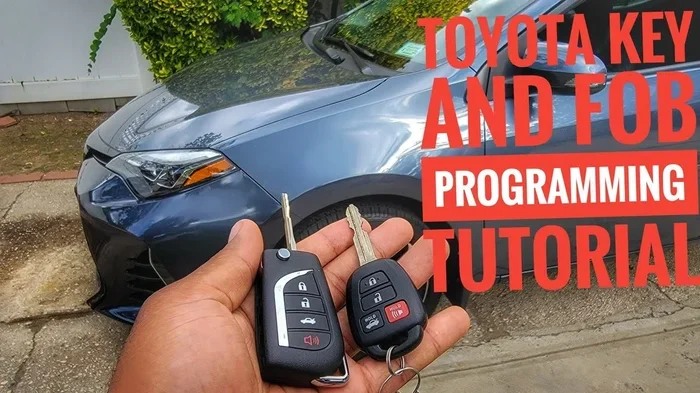
One thing many Sienna owners ask is whether the vehicle can be started without the key fob. Understanding your vehicle’s features, including starting your car without the key fob, helps you feel more confident and prepared when showing the vehicle to buyers or handling emergencies.
Market Demand and Trends
Minivans have experienced ups and downs in popularity over the past two decades. For a while, SUVs and crossovers dominated the family vehicle market. But minivans are making a comeback. More families are recognizing the practical advantages of a dedicated minivan over a three-row SUV. The Toyota Sienna benefits directly from this trend. Higher demand means stronger resale values. When more people want a vehicle, prices stay higher longer.
The hybrid version of the Sienna has also gained popularity. Fuel economy is a major concern for many families. The Sienna Hybrid delivers around 36 miles per gallon combined, which is excellent for a vehicle of its size. This efficiency attracts buyers who care about long-term operating costs, and that interest keeps used Sienna prices strong.
Toyota Sienna vs. Competitors in Resale Value
Sienna vs. Honda Odyssey
The Honda Odyssey is the Toyota Sienna’s most direct rival. Both are minivans built for families. Both offer spacious interiors and strong reliability. But when it comes to resale value, the Sienna generally comes out ahead. According to recent studies, the Toyota Sienna retains about 5% to 10% more of its original value than the Honda Odyssey over a five-year period. The difference is not massive, but over time it adds up. Toyota’s overall brand reputation for reliability gives the Sienna a slight edge with used buyers.
Sienna vs. Chrysler Pacifica
The Chrysler Pacifica is another popular minivan, but it does not hold value as well as the Sienna. The Pacifica tends to depreciate faster, partly because Chrysler has a less robust reputation for long-term reliability. Parts and repair costs for the Pacifica can also be higher, which makes buyers hesitant. The Sienna’s lower cost of ownership and stronger reliability reputation give it a clear advantage in the resale market.
Sienna vs. Kia Carnival
The Kia Carnival is a newer entry in the minivan segment. It offers a lot of features for its price, which makes it appealing. However, Kia minivans have not been on the market long enough to build a strong used resale track record. The Toyota Sienna benefits from decades of consumer trust. When buyers compare the two, the Sienna’s proven reliability often wins out, especially in the used market.
| Model | 5-Year Residual Value (%) | Avg. Annual Depreciation | Reliability Rating |
|---|---|---|---|
| Toyota Sienna | 50% – 55% | ~9% – 10% | Excellent |
| Honda Odyssey | 45% – 50% | ~10% – 11% | Very Good |
| Chrysler Pacifica | 40% – 45% | ~11% – 12% | Good |
| Kia Carnival | 38% – 43% | ~12% – 13% | Good |
Note: Residual values are estimates based on industry averages and may vary by specific model year, trim, and condition.
Why the Toyota Sienna Holds Value So Well
Toyota Reliability Reputation
Toyota has built one of the strongest brands in the automotive world. When people think of reliable cars, Toyota is almost always at the top of the list. The Sienna benefits directly from this reputation. Even buyers who have never owned a Toyota know that the brand builds vehicles that last. That perception translates into stronger demand for used Siennas, which keeps prices higher.
Low Cost of Ownership
Owning a Toyota Sienna is relatively affordable. Maintenance costs are lower than many competitors. Parts are widely available and reasonably priced. Toyota dealerships and independent shops can service the vehicle with ease. Insurance costs tend to be moderate as well. All of these factors make the Sienna attractive to used car buyers who want to minimize their ongoing expenses. A vehicle that is cheap to own holds its value better because more buyers can afford it.
Hybrid Technology Advantage
The Toyota Sienna was one of the first minivans to offer a hybrid powertrain. That was a bold move, and it has paid off. Hybrid vehicles generally hold their value better than gas-only models because buyers see them as more economical long-term. The Sienna Hybrid delivers impressive fuel economy without sacrificing performance or space. As fuel prices fluctuate, the hybrid advantage becomes even more appealing to used car shoppers.
Strong Safety Ratings
Safety is a top priority for most car buyers, especially families. The Toyota Sienna has consistently earned strong safety ratings from the National Highway Traffic Safety Administration (NHTSA) and the Insurance Institute for Highway Safety (IIHS. Top safety scores make a vehicle more desirable on the used market. Buyers are willing to pay a premium for vehicles with proven safety records, and the Sienna delivers on that front.
Tips to Maximize Your Toyota Sienna’s Value
Keep Up With Regular Maintenance
The single best thing you can do to preserve your Sienna’s value is follow the recommended maintenance schedule. Change the oil on time. Rotate the tires. Replace brakes when needed. Keep all service records in a folder. When you go to sell, having a complete maintenance history gives buyers confidence and justifies a higher price.
Protect the Interior and Exterior
First impressions matter when selling a vehicle. Keep the interior clean and free of stains. Use sunshades to protect the dashboard from cracking. Wash and wax the exterior regularly. Address small dents or scratches before they become bigger problems. A well-cared-for Sienna looks and feels newer, which directly impacts what buyers are willing to pay.
Avoid Modifications That Limit Buyer Appeal
It can be tempting to customize your Sienna with aftermarket parts. But some modifications can actually hurt resale value. Loud exhaust systems, aggressive body kits, and non-factory wheels narrow the pool of potential buyers. Stick with factory-original features whenever possible. If you do add aftermarket parts, choose items that improve function rather than appearance, like a backup camera or all-weather floor mats.
Time Your Sale Strategically
When you sell your Sienna matters. Spring and early summer are typically the best times to list a minivan for sale. Families are planning road trips and looking for vehicles before summer vacations. Avoid listing your vehicle during the winter holidays when demand for used cars tends to dip. Timing your sale can add hundreds or even thousands of dollars to your final price.
Common Mistakes That Hurt Sienna Value
Ignoring Small Repairs
Small problems become big problems fast. A cracked windshield that goes unrepaired can spread. A check engine light that is ignored can signal serious issues. Buyers will lowball their offers because they anticipate expensive repairs. Stay on top of small issues before they turn into costly problems that scare away buyers.
Neglecting Service Records
Many owners throw away service receipts or forget to log oil changes. This is a mistake. Service records are one of the most important documents when selling a vehicle. Without them, buyers assume the worst. Keep digital copies of every receipt and service invoice. A complete record book can increase your selling price by hundreds of dollars.
Selling Too Early or Too Late
Selling a vehicle too early means you miss the sweet spot where depreciation slows down. Selling too late means the vehicle has high mileage and aging features that buyers do not want. The sweet spot for selling a Toyota Sienna is typically between years four and seven. The vehicle is still reliable, has reasonable mileage, and has avoided the steepest depreciation while still offering modern features.
Expert Insights on Minivan Value Retention
Automotive experts consistently rank the Toyota Sienna as one of the top minivans for value retention. According to Kelley Blue Book and Edmunds, the Sienna regularly appears in their best-resale-value lists for the minivan segment. Experts point to three main reasons for this success:
- Toyota’s proven reliability: Buyers trust the brand and are willing to pay more for used models.
- Strong family appeal: The Sienna checks every box for family needs, from seating capacity to cargo space.
- Competitive pricing: Even new Siennas are priced competitively, which keeps the used market attractive.
Industry analysts also note that the minivan segment is evolving. Modern minivans like the Sienna are more tech-forward than ever. Infotainment systems, driver-assistance features, and hybrid powertrains make the Sienna appealing to a broader range of buyers. This expanding appeal helps sustain strong resale values across model years.
If you are considering whether to lease or buy a Sienna, keep in mind that leasing affects your financial picture differently than purchasing. Understanding the full picture of your options, including how different financing choices impact your budget, is always a smart move before signing any contract.
Conclusion
So, does the Toyota Sienna hold its value? The answer is a clear yes. The Toyota Sienna is one of the strongest performers in the minivan segment when it comes to resale value. Its combination of reliability, low cost of ownership, strong safety ratings, and family-friendly design makes it a vehicle that buyers want long after the original owner drives off. Whether you buy new or used, the Sienna delivers value that lasts.
If you are shopping for a family vehicle and want something that holds its money well, the Toyota Sienna should be at the top of your list. It is a vehicle that works hard for your family and works just as hard to protect your investment. The numbers do not lie. The Sienna holds its value better than most competitors, and that is a fact that every smart buyer should appreciate.
Take the time to research, compare trims, and find the right Sienna for your needs. Whether you are buying new or shopping for a reliable used model, you are making a choice that will serve you well for years to come. And when the time comes to sell, you will be glad you chose a vehicle with such strong resale credentials.
Frequently Asked Questions
How much does a Toyota Sienna depreciate in the first year?
A new Toyota Sienna typically loses about 15% of its value in the first year. For a vehicle priced at $45,000, that means a depreciation of roughly $6,750. After the first year, the rate of depreciation slows down significantly.
Is the Toyota Sienna Hybrid a better investment than the gas model?
Yes, the Toyota Sienna Hybrid tends to hold its value better than the gas-only version. Buyers are willing to pay a premium for hybrid efficiency, and the Sienna Hybrid’s strong fuel economy makes it especially attractive in the used market.
What is the best year for a used Toyota Sienna?
Model years between 2018 and 2022 are considered the sweet spot for used Sienna buyers. These years offer modern features, strong reliability, and have already absorbed the steepest part of depreciation. They also still have several years of useful life left.
Does the Toyota Sienna have good long-term reliability?
Yes, the Toyota Sienna is widely regarded as one of the most reliable minivans available. Toyota builds vehicles with longevity in mind, and the Sienna consistently earns top reliability ratings from consumer reports and industry experts.
How does the Sienna compare to SUVs in terms of value retention?
Minivans like the Sienna often hold value better than three-row SUVs in the same price range. This is because minivans are more practical for large families, with easier entry, more cargo space, and lower operating costs. The Sienna’s strong resale numbers reflect this practical advantage.
Can I find affordable maintenance for a used Toyota Sienna?
Absolutely. Toyota Sienna maintenance costs are lower than many competitors. Parts are widely available, and both Toyota dealerships and independent shops can service the vehicle. Regular oil changes, tire rotations, and brake replacements are all reasonably priced, which helps keep the total cost of ownership low.