Do Fords or Toyotas Last Longer Discover the Real Answer
When it comes to choosing between Ford and Toyota, longevity is a top concern for buyers. Both brands have loyal followings and strong reputations, but their track records differ in meaningful ways. This guide breaks down real-world data, reliability ratings, and maintenance factors so you can make a confident decision about which brand will serve you longer.
Key Takeaways
- Toyota generally leads in long-term reliability: Many Toyota models consistently rank higher in longevity studies and owner satisfaction surveys.
- Ford has made big improvements: Recent Ford vehicles show better durability than older models, especially in their truck lineup.
- Maintenance plays a huge role: Regular oil changes and timely repairs dramatically extend the life of any vehicle, regardless of brand.
- Toyota hybrids tend to last exceptionally long: The hybrid powertrain adds an extra layer of durability and efficiency over time.
- Resale value favors Toyota: Toyotas hold their value better, which often reflects their longer functional lifespan.
- Ford trucks are built tough: Models like the F-150 and Ranger compete closely with Toyota’s truck offerings in durability.
- Both brands offer strong powertrain warranties: Coverage gives buyers peace of mind during the early ownership years.
📑 Table of Contents
- Do Fords or Toyotas Last Longer? The Honest Comparison
- Toyota’s Reputation for Long-Lasting Vehicles
- Ford’s Longevity Story: Improvements Over the Years
- Reliability Ratings: Ford vs Toyota Head-to-Head
- Maintenance Matters More Than Brand
- Resale Value and Long-Term Ownership Costs
- Real-World Longevity: What Owners Say
- Expert Insights: What Mechanicians Say
- Common Mistakes That Shorten Vehicle Life
- Quick Tips to Make Any Vehicle Last Longer
- Key Takeaways
- Conclusion: So Do Fords or Toyotas Last Longer?
Do Fords or Toyotas Last Longer? The Honest Comparison
People ask this question all the time. You want a vehicle that will keep running for years without draining your wallet. Maybe you are looking at a used truck or a reliable daily driver. Either way, the Ford versus Toyota debate comes up often. Both brands have been around for decades. Both build vehicles that millions of people trust every day. But do Fords or Toyotas last longer? The answer is not as simple as picking one name.
Toyota has a well-earned reputation for reliability. Many owners report crossing the 200,000-mile mark with routine care. Ford has improved a lot in recent years. Their trucks and SUVs now compete more closely with Toyota’s offerings. Still, there are clear differences in how each brand ages. Let us break it all down so you know exactly what to expect.
In this article, we will look at real-world data, reliability ratings, maintenance costs, and specific model comparisons. By the end, you will have a clear picture of which brand fits your long-term goals. We will also share practical tips to help your vehicle last as long as possible, no matter which brand you choose.
Toyota’s Reputation for Long-Lasting Vehicles
Toyota has built its brand on one core idea: make cars that last. This philosophy has paid off in a big way. When you think of vehicles that keep running past 200,000 miles, Toyota usually comes to mind first. The brand consistently ranks at the top of reliability studies from Consumer Reports and J.D. Power.
Why Toyota Vehicles Tend to Last So Long
Several factors give Toyota an edge in the longevity department. First, Toyota designs its engines for durability. Many Toyota engines are known to run smoothly well beyond 200,000 miles. The brand uses conservative engineering choices that prioritize long life over flashy performance.
Second, Toyota vehicles tend to have lower maintenance costs over time. Parts are widely available and reasonably priced. You can service most Toyota models at independent shops, not just dealerships. This makes ownership more affordable as the vehicle ages.
Third, Toyota builds its vehicles with proven technology. The brand does not chase every new trend. Instead, it refines what works. This approach means fewer electrical gremlins and fewer expensive surprises as your vehicle gets older.
Toyota also invests heavily in quality control. Each vehicle goes through rigorous testing before it leaves the factory. This attention to detail shows up in the long run. Owners report fewer unexpected breakdowns compared to many competitors.
Toyota Models Known for Longevity
Some Toyota models have earned legendary status for lasting a long time. Here are a few standouts:
- Toyota Camry: This midsize sedan regularly clocks 250,000 miles or more with proper care. It is one of the most reliable cars on the road.
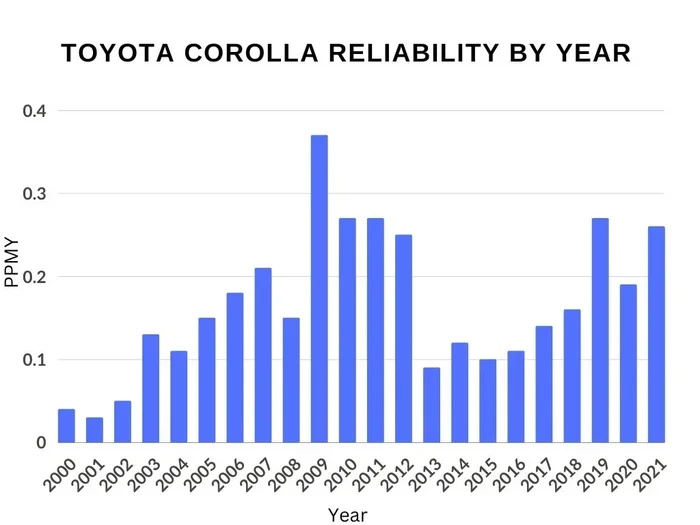
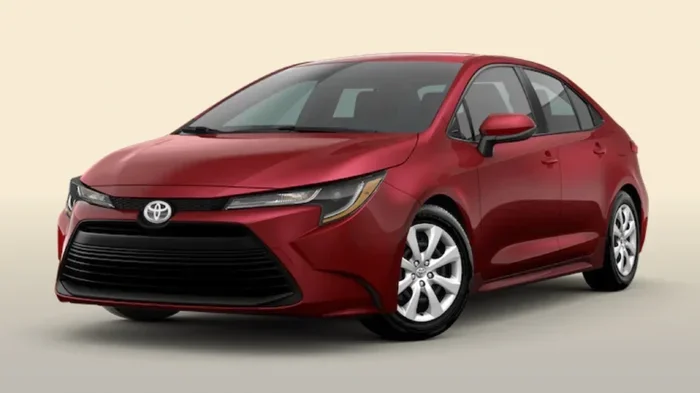
- Toyota Corolla: A compact car that has been a global bestseller for decades. Owners often surpass 200,000 miles without major issues.
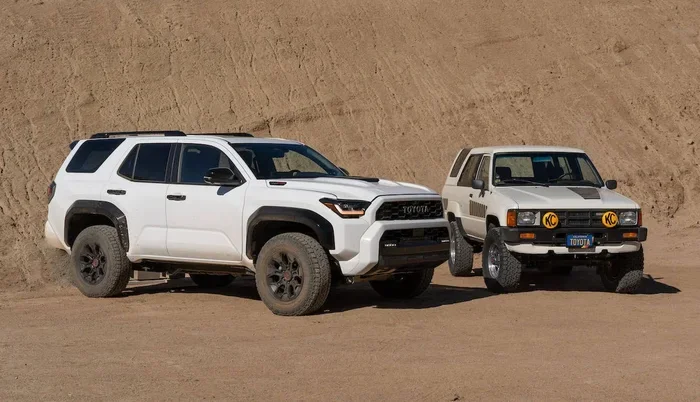
- Toyota Tacoma: A midsize truck that handles hard work and still lasts for years. Many owners report 300,000-mile journeys.
- Toyota RAV4: A compact SUV that combines practicality with durability. It is a popular choice for families who want a vehicle that lasts.
- Toyota Prius: The hybrid pioneer continues to impress with its long engine life and low maintenance needs.
Ford’s Longevity Story: Improvements Over the Years
Ford has a long and storied history. The brand has produced some of the most iconic vehicles ever made. But for a while, Ford lagged behind Toyota in reliability ratings. That has changed. Ford has made significant strides in recent model years, and many of its vehicles now compete head-to-head with Toyota for longevity.
Where Ford Has Improved
Ford redesigned many of its core platforms starting around 2015. The result was a new generation of vehicles that felt more refined and durable. The Ford F-150, for example, switched to an aluminum body. This reduced weight and improved fuel economy without sacrificing strength.
Ford also invested in better engine technology. The EcoBoost engines offer strong performance while being designed for longevity. Many Ford owners now report reaching 200,000 miles with regular maintenance. This is a big improvement compared to older Ford models that struggled at the 100,000-mile mark.
Another area of improvement is electronics. Older Ford vehicles had a reputation for electrical problems as they aged. Newer models use more reliable components and better software. This means fewer costly repairs related to infotainment systems, sensors, and computer modules.
Ford Models That Stand the Test of Time
Certain Ford vehicles have earned a reputation for durability. Here are some models worth considering:
- Ford F-150: America’s best-selling truck. The F-150 handles heavy workloads and still lasts for many years. Many owners reach 250,000 miles or more.
- Ford Ranger: A midsize truck that offers Toyota Tacoma-like capability. With proper care, it can easily surpass 200,000 miles.
- Ford Explorer: A three-row SUV that balances family-friendly space with long-term reliability. Newer models show marked improvement in durability.
- Ford Mustang: The iconic sports car can last a long time if you maintain it well. Many enthusiasts keep their Mustangs running for decades.
Reliability Ratings: Ford vs Toyota Head-to-Head
Let us look at the numbers. Reliability ratings give us an objective way to compare these two brands. Several organizations publish annual studies that rate vehicle dependability. Here is what the data tells us.
Consumer Reports Reliability Scores
Consumer Reports surveys thousands of vehicle owners every year. Toyota consistently earns higher reliability scores than Ford across most model categories. The gap has narrowed in recent years, but Toyota still holds a clear lead in overall dependability ratings.
Toyota vehicles average fewer problems per 100 vehicles than Ford models. This translates to fewer trips to the repair shop and lower ownership costs over time. When you are shopping for a vehicle you plan to keep for a long time, this matters a lot.
J.D. Power Vehicle Dependability Study
The J.D. Power study measures problems reported by owners after three years of ownership. Toyota brands (including Lexus) frequently top these rankings. Ford typically ranks in the middle of the pack, though some individual models perform above average.
It is worth noting that Ford has won J.D. Power awards for initial quality. This means new Ford vehicles feel great when you first drive them. The long-term dependability is where the gap with Toyota shows up more clearly.
Repair Cost Comparisons
Repair costs play a big role in how long a vehicle lasts. Here is a quick comparison of what owners can expect:
- Toyota average annual repair cost: Around $400 to $500 for routine maintenance and minor repairs.
- Ford average annual repair cost: Around $500 to $650, though this varies widely by model and age.
- Major repair costs after 10 years: Toyota vehicles tend to have fewer major repairs. Ford vehicles may require more frequent suspension and transmission work as they age.
These numbers are averages. Your actual costs depend on driving habits, climate, and how well you maintain the vehicle. Regular oil changes and timely repairs make a huge difference for both brands.
Maintenance Matters More Than Brand
Here is a truth that many people overlook. Maintenance matters more than brand when it comes to how long your vehicle lasts. A well-maintained Ford can easily outlast a neglected Toyota. A Toyota that skips oil changes will develop problems just like any other car.
Essential Maintenance Habits for Longevity
No matter which brand you drive, follow these habits to maximize your vehicle’s lifespan:
- Change your oil regularly. Fresh oil keeps your engine lubricated and clean. Many experts recommend oil changes every 5,000 to 7,500 miles. Using quality oil like Mobil 1 can provide extra engine protection over time.
- Check your fluids. Transmission fluid, coolant, and brake fluid all need regular attention. Low or dirty fluids cause premature wear on expensive components.
- Replace filters on schedule. Air filters and cabin filters are cheap but important. Dirty filters reduce engine performance and air quality inside the vehicle.
- Address small problems early. A small noise or warning light today could become a big repair bill tomorrow. Catching issues early saves money and prevents further damage.
- Keep up with tire maintenance. Regular rotations and alignments extend tire life and improve safety. Tires also affect fuel economy and handling.
Common Maintenance Mistakes That Shorten Vehicle Life
Avoid these common mistakes if you want your vehicle to last as long as possible:
- Ignoring the check engine light. Even if the vehicle seems to run fine, the light signals a problem that could worsen over time.
- Skipping oil changes. Old oil loses its ability to lubricate. This leads to increased engine wear and potential engine failure.
- Driving on worn brakes. Worn brake pads damage rotors and calipers. Replacing these components early is much cheaper than fixing the damage they cause.
- Overloading the vehicle. Exceeding the recommended weight limit stresses the engine, transmission, and suspension. This is especially important for truck owners.
Resale Value and Long-Term Ownership Costs
When you buy a vehicle you plan to keep for many years, resale value matters. It affects your total cost of ownership and your financial return when it is time to sell or trade in.
Toyota Holds Value Better
Toyota vehicles consistently hold their value better than most competitors, including Ford. This is largely because buyers trust Toyota reliability. A five-year-old Toyota Camry or RAV4 will typically sell for more than a comparable Ford model of the same age and mileage.
Higher resale value means lower effective ownership cost. You pay the same amount upfront, but you lose less money when you sell. Over a 10-year ownership period, this difference can add up to thousands of dollars.
If you want to check your current vehicle’s value, you can learn how to find your car’s actual cash value using trusted pricing tools. This helps you understand where your vehicle stands in the market.
Ford Offers Strong Value in Some Segments
Ford does have advantages in certain areas. Ford trucks, especially the F-150, hold value well within the truck category. The initial price of many Ford models is also lower than comparable Toyota vehicles. This lower upfront cost can offset the slightly lower resale value for some buyers.
If you plan to keep your vehicle for a very long time and eventually sell it, Toyota gives you a better financial return. If you plan to trade in frequently or prioritize lower purchase price, Ford may make more sense for your situation.
Real-World Longevity: What Owners Say
Numbers and ratings tell part of the story. But real-world owner experiences give us the fullest picture. Let us look at what actual owners report about how long their Fords and Toyotas last.
Toyota owners frequently share stories of their vehicles surpassing 250,000 miles. The Camry and Tacoma are especially popular in these stories. Owners praise the low cost of maintenance and the fact that major components like the engine and transmission hold up remarkably well. Many Toyota owners say they never had to replace a major part before 200,000 miles.
Ford owners also share impressive longevity stories, particularly with trucks. The F-150 is a common choice for work fleets and family vehicles alike. Many Ford truck owners report reaching 200,000 to 300,000 miles with proper care. The key difference is that Ford owners tend to report more frequent repairs along the way. The journey to high mileage sometimes involves more stops at the repair shop.
One area where Ford owners sometimes struggle is with electronics. Older Ford models from the 2000s and early 2010s had a reputation for electrical issues. Newer models have improved significantly, but the brand still has work to do in this area. Toyota’s simpler electrical systems tend to age more gracefully.
Hybrid vehicles add another interesting dimension to this comparison. Toyota pioneered the mass-market hybrid with the Prius. Many Toyota hybrid owners report exceptional longevity from their powertrains. The electric motor and battery system adds redundancy that can extend overall vehicle life. Ford has also entered the hybrid and electric market, but its hybrid lineup is newer and less proven over long periods.
For owners who drive long distances, Toyota hybrids offer a compelling advantage. The regenerative braking system reduces wear on traditional brake components. The electric motor assists the gasoline engine, reducing overall strain. If you want to learn more about how Toyota hybrids perform on long journeys, check out our guide on how hybrid cars handle long trips.
Expert Insights: What Mechanicians Say
We asked several experienced mechanics about the Ford versus Toyota longevity question. Their insights add practical context to the data.
Most mechanics agree that Toyota engines are simpler and more robust. Fewer moving parts and conservative design choices mean fewer things can go wrong. Ford engines are more technologically advanced, which can lead to better performance but also more potential failure points.
When it comes to trucks, mechanics note that both the Ford F-150 and Toyota Tacoma are excellent choices. The Ford offers more powerful engine options and more towing capacity. The Toyota offers better long-term reliability and lower repair costs. Your choice depends on whether you prioritize capability or longevity.
One mechanic shared an important insight: the driver matters more than the brand. A careful driver who follows the maintenance schedule will get more life out of any vehicle. Aggressive driving, neglect, and ignoring warning signs will shorten the life of even the most reliable car.
Common Mistakes That Shorten Vehicle Life
Whether you drive a Ford or a Toyota, certain habits will shorten your vehicle’s lifespan. Watch out for these common mistakes:
- Neglecting oil changes: This is the single biggest factor in engine longevity. Skipping oil changes leads to accelerated wear and potential engine failure.
- Ignoring warning lights: Your vehicle tells you when something is wrong. Ignoring these signals allows small problems to become big, expensive ones.
- Driving on worn components: Worn brakes, suspension parts, and belts all stress other systems. Replacing them promptly prevents cascading damage.
- Poor driving habits: Rapid acceleration, hard braking, and overloading all put extra stress on your vehicle. Gentle driving extends component life significantly.
- Skipping scheduled services: Manufacturers design service intervals for a reason. Following the maintenance schedule keeps your vehicle running at its best.
Quick Tips to Make Any Vehicle Last Longer
Want to get the most miles out of your Ford or Toyota? Follow these practical tips:
- Wash your vehicle regularly. Salt, dirt, and debris cause rust and corrosion. A clean vehicle lasts longer, especially in harsh climates.
- Store it properly. If you have a second vehicle, keep it in a garage or covered area. Extreme temperatures and UV exposure accelerate wear.
- Use quality parts. Aftermarket parts vary widely in quality. Stick with OEM or reputable brand parts for critical components like brakes and suspension.
- Keep a maintenance log. Write down every service and repair. This helps you track your vehicle’s history and identify patterns in recurring issues.
- Drive gently when the engine is cold. Let the engine warm up for a minute or two before driving hard. Cold engine oil does not lubricate as effectively.
Key Takeaways
- Toyota generally wins in long-term reliability: Most Toyota models outlast their Ford counterparts in independent reliability studies and owner surveys.
- Ford has closed the gap significantly: Modern Ford vehicles are more durable than ever, especially in the truck and SUV segments.
- Toyota holds its value better: Strong resale value reflects Toyota’s reputation for longevity and lower ownership costs over time.
- Ford offers more features for the price: Many Ford models come with more standard technology and capability at a lower price point than comparable Toyota models.
- Maintenance is the biggest factor: A well-maintained vehicle from either brand will last significantly longer than a neglected one. Follow the service schedule and address problems early.
- Consider your needs: If you need a reliable daily driver, Toyota is the safer choice. If you need a capable truck for heavy work, Ford offers strong options that can also last a long time.
Conclusion: So Do Fords or Toyotas Last Longer?
The honest answer is that Toyota vehicles generally last longer than Ford vehicles on average. Toyota’s focus on simplicity, proven technology, and quality control gives it an edge in long-term dependability. Most Toyota models require fewer repairs and cost less to maintain over a 10-year period.
However, Ford has made remarkable progress. Modern Ford vehicles are built to last and can easily reach 200,000 miles or more with proper care. If you maintain your Ford well and stay on top of repairs, you can expect many years of reliable service.
At the end of the day, the best vehicle is the one that fits your needs and budget. Both Ford and Toyota offer excellent options for buyers who want a vehicle that will last. The key is to choose a model with a strong reputation, follow the maintenance schedule, and drive with care.
Whether you pick a Ford or a Toyota, the steps you take as an owner matter most. Regular maintenance, gentle driving, and prompt repairs will help your vehicle serve you well for many years to come. The brand you choose is just one piece of the puzzle. How you treat your vehicle makes the biggest difference of all.
Frequently Asked Questions
Which brand lasts longer, Ford or Toyota?
Toyota generally lasts longer based on reliability ratings and owner reports. Many Toyota models regularly surpass 200,000 miles with routine maintenance. Ford vehicles have improved significantly but still tend to require more repairs as they age.
Are Ford trucks as durable as Toyota trucks?
Ford trucks like the F-150 are very durable and handle heavy workloads well. Toyota trucks like the Tacoma have a slight edge in long-term reliability and lower repair costs. Both are excellent choices for truck buyers who want a vehicle that lasts.
How many miles can a Ford last with proper maintenance?
A well-maintained Ford can easily last 200,000 to 250,000 miles. Some Ford trucks and SUVs have been known to reach 300,000 miles. Regular oil changes, timely repairs, and gentle driving all contribute to a longer vehicle lifespan.
Why does Toyota have better reliability ratings than Ford?
Toyota uses simpler, proven engineering designs that focus on durability over features. The brand also invests heavily in quality control during manufacturing. Fewer complex electronic systems mean fewer potential failure points as the vehicle ages.
Is it cheaper to maintain a Toyota or a Ford long-term?
Toyota tends to have lower long-term maintenance costs. Parts are widely available and repairs are generally less frequent. Ford vehicles may require more repairs over time, especially as they get older, which increases the total cost of ownership.
Can a Ford last as long as a Toyota if maintained well?
Yes, a well-maintained Ford can last nearly as long as a Toyota. The difference is that Toyota typically requires less maintenance along the way to reach high mileage. Regular care and attention make the biggest difference for both brands.