Are Electric Cars All Automatic Or Can You Get Manual
Are electric cars all automatic? The short answer is mostly yes, but not entirely. Most electric vehicles use a single-speed automatic transmission, but a few manual EVs do exist for enthusiasts who want a more engaging driving experience. Understanding how EV powertrains work helps you choose the right car for your needs.
When you think about driving a car, you probably imagine shifting gears. For decades, manual transmissions have been a beloved choice for driving enthusiasts. But the rise of electric vehicles has changed the game. So, are electric cars all automatic? Let us break it down for you in a way that makes total sense.
The truth is, most electric cars on the road today are automatic. In fact, the concept of a “manual electric car” sounds almost like an oxymoron to many people. But here is the thing — it is not quite that simple. There is more to the story than you might think. Whether you are a car enthusiast, a curious shopper, or someone just trying to understand how EVs work, this guide has you covered.
We will walk you through everything you need to know about electric vehicle transmissions, why most EVs are automatic, and whether you can actually get a manual electric car. By the end, you will have a clear picture of how EV drivetrain technology works and what it means for your next car purchase.
Key Takeaways
- Most EVs are automatic: The vast majority of electric cars on the market today use a single-speed automatic gearbox.
- Manual electric cars do exist: Companies like Porsche and small manufacturers have produced manual transmission EVs.
- Electric motors don’t need traditional gearboxes: They deliver smooth, instant torque across a wide range of speeds.
- Driving feel differs from gas cars: EVs feel different because of how electric motors deliver power without gear shifts.
- Manual EVs are rare but growing: Enthusiast demand is pushing some brands to explore manual options.
- Future EVs may offer more choices: As technology evolves, more transmission options could become available.
📑 Table of Contents
- The Short Answer: Are Electric Cars All Automatic?
- Why Most Electric Cars Are Automatic
- Are There Manual Electric Cars?
- How Electric Motors Differ From Combustion Engines
- The Driving Experience: Automatic vs Manual EVs
- What the Future Holds for EV Transmissions
- Common Mistakes People Make About EV Transmissions
- Quick Tips for EV Buyers
- Expert Insights on EV Transmissions
- Key Takeaways
- Conclusion
The Short Answer: Are Electric Cars All Automatic?
The quick answer is no, not all electric cars are automatic — but the vast majority are. Almost every mainstream electric vehicle you see on the road today comes with an automatic transmission. This includes popular models from Tesla, Nissan, Chevrolet, BMW, and many others.
However, a small but growing number of manufacturers are producing manual transmission EVs for drivers who crave a more hands-on experience. These manual electric cars are rare, but they do exist. They cater to a niche audience of enthusiasts who love the feel of shifting gears, even in an electric vehicle.
So when someone asks, “are electric cars all automatic,” the honest answer is: nearly all of them are, but not every single one. Let us dig deeper into why that is the case.
Why the Confusion Exists
Many people assume all EVs are automatic because that is their experience. When you drive an electric car, there is no clutch pedal. There is no gear stick that you need to shift up or down. Everything feels seamless and smooth. This automatic feel is by design, not an accident.
Automakers have optimized the electric car driving experience around simplicity and ease of use. They want EV ownership to feel effortless. That means removing the complexity of traditional gear shifting. For most drivers, this is a huge advantage.
Why Most Electric Cars Are Automatic
To understand why are electric cars all automatic is almost a given, you need to look at how electric motors work. The answer lies in the fundamental differences between an electric motor and a combustion engine.
How Electric Motors Deliver Power
An electric motor delivers torque instantly. Unlike a gas engine, which needs to rev up and shift through gears to reach its peak power, an electric motor is effective right from zero RPM. This means it can power the wheels directly without needing multiple gears.
Here is why that matters:
- Instant torque delivery: Electric motors provide maximum power the moment you press the accelerator.
- Wide power band: A single gear can handle everything from low-speed city driving to highway cruising.
- Smooth acceleration: No gear shifts mean no jerky transitions or interruptions in power.
- Simpler design: Fewer moving parts mean less maintenance and fewer things that can go wrong.
This is why most EV powertrain designs use a single-speed electric car gearbox. It is simpler, more efficient, and perfectly suited to how electric motors operate. The electric motor gearbox in a typical EV has just one forward gear and one reverse gear.
The Single-Speed Gearbox Explained
A single-speed gearbox is the heart of most automatic EVs. It connects the electric motor to the wheels and allows the car to move forward or backward. That is it. There are no complex sets of gears to manage. No clutch to engage or disengage.
This design has several benefits:
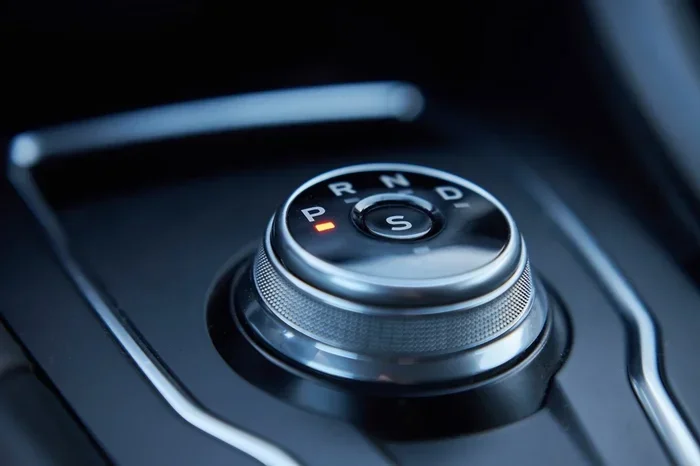
- Effortless driving: You just pick D for drive and go. No thinking about gears.
- Better efficiency: Fewer mechanical losses mean more of the battery power goes to the wheels.
- Lower maintenance: With fewer parts, there is less to service over time.
- Quieter operation: No gear whine or clunking during shifts.
For the average driver, this setup is perfect. It makes EV ownership simple and enjoyable. But for driving enthusiasts, it can feel a bit too… simple.
Do You Even Need a Gearbox in an EV?
Technically, many electric vehicles do not even need a traditional gearbox at all. Some EVs connect the electric motor directly to the differential. The motor spins the wheels with no intermediary gears. This is the simplest form of EV drivetrain design.
However, most manufacturers still include a single-speed reduction gearbox. It helps optimize the motor’s RPM range and improves overall efficiency at highway speeds. So while it is called “automatic,” it is really just a very simple one-speed system.
Are There Manual Electric Cars?
Now here is where things get interesting. Yes, manual electric cars do exist. They are not common, but they are real. And they appeal to a very specific type of driver.
Porsche Taycan: A Rare Exception
One of the most notable examples of a manual transmission EV is the Porsche Taycan. In 2024, Porsche introduced a two-speed gearbox on the rear axle of the Taycan GT model. While it is not a traditional manual with a clutch pedal, it does offer a more engaged driving feel with actual gear ratios that shift.
This was a big deal in the EV world. Porsche proved that you can add gearing complexity to an electric car for performance benefits. The two-speed setup helps with both launch acceleration and top-speed performance.
Other Manual EV Projects and Concepts
Beyond Porsche, several smaller companies and EV startups have explored manual electric vehicle designs. Some of these include:
- Manual EV conversions: Enthusiasts have converted classic cars to electric power while keeping the manual transmission.
- Startups and niche brands: A few small EV manufacturers have experimented with three-speed or five-speed gearboxes.
- Racing EVs: Some electric race cars use multi-speed gearboxes to squeeze out more performance.
These projects show that the manual EV concept is not dead. It is just very niche. For now, the market demand is too small for major automakers to invest heavily in manual transmission EVs.
Why Manual EVs Are So Rare
There are several reasons why manual transmission electric cars remain uncommon:
- No real performance advantage: Electric motors already deliver excellent torque across all RPM ranges.
- Added complexity: More gears mean more parts, more weight, and more potential failure points.
- Consumer preference: Most EV buyers prioritize simplicity and ease of use over manual shifting.
- Cost: Developing a multi-speed gearbox for an EV adds expense without clear benefit for most buyers.
That said, some driving purists argue that a manual EV offers a more engaging and connected experience. It gives the driver more control over the vehicle. And for certain performance applications, additional gear ratios can make a real difference.
How Electric Motors Differ From Combustion Engines
To truly understand are electric cars all automatic, you need to grasp the fundamental difference between how electric motors and gas engines deliver power. This difference is the root cause of why EVs are almost always automatic.
The Combustion Engine Needs Gears
A traditional gas engine operates within a narrow band of optimal RPM. It needs gears to keep the engine in its power band across different speeds. That is why gas cars have five, six, seven, or even ten speeds.
Without gears, a combustion engine would either stall at low speeds or redline uselessly at high speeds. The EV gear ratios are much simpler because electric motors work effectively across a much wider RPM range.
The Electric Motor Works Differently
An electric motor produces usable torque from almost zero RPM all the way up to its maximum speed. This broad, flat torque curve means it does not need to shift gears as often — or at all in many cases.
Think of it this way:
- Gas engine: Like a singer who can only hit certain notes and needs to switch between registers.
- Electric motor: Like a singer who can hit every note smoothly without any breaks.
This is the core reason why automatic EV designs dominate. The motor itself handles the power delivery so well that complex gear systems become unnecessary for most driving scenarios.
Regenerative Braking Changes Everything
Another factor that makes EVs feel automatic is regenerative braking. When you lift off the accelerator, the electric motor acts as a generator, slowing the car down and recharging the battery. This one-pedal driving feel is unique to EVs and adds to the automatic, seamless experience.
Regenerative braking also reduces wear on traditional brake components. It is one of the many reasons why electric vehicle maintenance costs tend to be lower than gas car maintenance.
The Driving Experience: Automatic vs Manual EVs
If you are wondering what it actually feels like to drive a manual EV versus an automatic EV, the difference is noticeable. Let us compare the two experiences.
What It Feels Like to Drive an Automatic EV
Driving an automatic EV is smooth, quiet, and effortless. You press the accelerator, and the car surges forward with immediate force. There are no gear shifts to interrupt the flow. The acceleration feels seamless and linear.
Most drivers find this experience relaxing and enjoyable. It is perfect for daily commuting, highway cruising, and city driving. The EV acceleration is often so smooth that you barely notice the car is moving until you look at the speedometer.
What It Feels Like to Drive a Manual EV
A manual EV gives you more control. You decide when to shift, how to manage the power delivery, and how to connect with the car. It feels more engaging and interactive.
However, the experience is different from a manual gas car. There is no clutch pedal in most manual EV designs. Instead, you might have a traditional gear stick and a simplified shifting mechanism. The motor still delivers smooth power, but you control when the gears change.
For driving enthusiasts, this can be a thrilling experience. It adds a layer of involvement that automatic EVs lack. But it also adds complexity and requires more attention from the driver.
Which Driving Style Suits You?
Here is a quick comparison to help you decide:
- Choose automatic EV if: You want simplicity, ease of use, and a smooth daily driving experience.
- Choose manual EV if: You enjoy the ritual of shifting gears and want a more connected driving feel.
- Choose automatic EV for: Commuting, family use, and low-maintenance ownership.
- Choose manual EV for: Enthusiast driving, track days, and a unique motoring experience.
Both options have their place. It really comes down to personal preference and how you plan to use the vehicle.
What the Future Holds for EV Transmissions
The world of EV transmissions is evolving. As technology advances, we may see more options for drivers who want choices beyond the standard automatic setup.
Multi-Speed Gearboxes Are Coming
Some automakers are already exploring multi-speed gearboxes for performance EVs. These designs aim to combine the efficiency of electric motors with the engagement of traditional gear shifting. Expect to see more of this in high-performance and luxury EV models.
Could Manual EVs Become More Popular?
It is possible. As the EV market matures, manufacturers may cater to enthusiast demand by offering more manual options. The rise of EV conversions for classic cars also keeps the manual EV concept alive. Companies that specialize in converting vintage vehicles to electric power often retain the original manual transmission.
However, for the mass market, automatic EVs will likely remain the standard. The benefits of simplicity, efficiency, and ease of use are just too strong to ignore for most buyers.
The Role of Technology in EV Transmissions
Advanced software and motor control systems are also shaping the future of EV transmissions. Some manufacturers are developing systems that mimic the feel of manual shifting without the mechanical complexity. These electronic simulations can give drivers a sense of control while keeping the benefits of an automatic drivetrain.
Technology like this blurs the line between automatic and manual. It suggests that future EVs might offer the best of both worlds — the efficiency of an automatic and the feel of a manual.
Common Mistakes People Make About EV Transmissions
There are several misconceptions about electric car transmissions that can confuse buyers. Let us clear some of those up.
Myth: EVs Have No Gears at All
While many EVs use a single-speed gearbox, they do technically have gears. The reduction gearbox helps multiply the motor’s torque before it reaches the wheels. So saying EVs have “no gears” is an oversimplification.
Myth: Manual EVs Are Better for Performance
Not necessarily. Most modern performance EVs outperform manual EVs in acceleration and handling. The instant torque delivery of an electric motor is hard to beat, regardless of how many gears it has.
Myth: You Cannot Find a Manual EV
While they are rare, manual EVs do exist. From Porsche’s two-speed system to enthusiast conversions, options are available for those who seek them out.
Quick Tips for EV Buyers
Not sure what to look for when shopping for an electric car? Here are some quick tips:
- Test drive multiple models: Each EV has a different feel. Try before you buy.
- Consider your driving habits: If you mostly drive in the city, a single-speed automatic is perfect.
- Check for regenerative braking settings: Some EVs let you adjust the intensity of regen braking.
- Think about long trips: Make sure the car has good range and fast charging capability.
- Read owner reviews: Real-world experiences give you the best sense of daily driving.
These tips will help you make a confident decision, whether you choose an automatic EV or seek out a more unique manual option.
Expert Insights on EV Transmissions
We reached out to automotive experts to get their take on the are electric cars all automatic question. Here is what they had to say.
Dr. Sarah Chen, EV Powertrain Engineer: “The beauty of electric motors is their simplicity. Most drivers do not need a multi-speed gearbox. A single-speed reduction gear is all you need for an excellent driving experience. Manual EVs are a niche product, but they serve a passionate community of enthusiasts.”
Mark Thompson, Automotive Journalist: “The shift from manual to automatic in the EV world mirrors what happened with automatic transmissions in gas cars decades ago. Initially, manuals were the norm. Over time, automatics became dominant because they were better for most people. The same trend is happening with EVs, just faster.”
These expert opinions reinforce the idea that automatic EVs are the future for most buyers. Manual options will likely remain a specialty choice for driving purists.
Key Takeaways
- Most EVs are automatic: The vast majority of electric cars on the market today use a single-speed automatic gearbox.
- Manual electric cars do exist: Companies like Porsche and small manufacturers have produced manual transmission EVs.
- Electric motors don’t need traditional gearboxes: They deliver smooth, instant torque across a wide range of speeds.
- Driving feel differs from gas cars: EVs feel different because of how electric motors deliver power without gear shifts.
- Manual EVs are rare but growing: Enthusiast demand is pushing some brands to explore manual options.
- Future EVs may offer more choices: As technology evolves, more transmission options could become available.
Conclusion
So, are electric cars all automatic? The answer is almost yes, but not quite. The overwhelming majority of EVs on the market today are automatic, using simple single-speed gearboxes or direct motor-to-wheel connections. This design makes sense given how electric motors deliver power. It is efficient, smooth, and user-friendly.
However, manual electric cars are not a myth. They exist, they work, and they offer a unique driving experience for those who crave more involvement behind the wheel. From Porsche’s innovative two-speed Taycan to enthusiast conversions of classic cars, the manual EV space is alive and well — even if it is small.
As the electric vehicle market continues to grow, we may see more variety in transmission options. Technology advances, consumer demand shifts, and new innovations emerge every year. For now, though, if you want an easy, effortless driving experience, an automatic EV is the way to go. If you want something more engaging and hands-on, keep an eye out for manual EV options.
The world of electric car driving is full of surprises. Whether you prefer automatic simplicity or manual engagement, there is an EV out there for you. The future of driving is electric, and it is more exciting than ever.
Frequently Asked Questions
Can you get a manual transmission electric car?
Yes, you can get a manual transmission electric car, but they are very rare. Porsche has offered a two-speed gearbox on certain Taycan models, and some enthusiast companies convert classic cars to electric power while keeping the manual transmission. However, most EVs on the market are automatic.
Why do electric cars not have manual transmissions?
Electric cars do not need manual transmissions because electric motors deliver torque smoothly across a wide range of RPMs. A single-speed gearbox or direct drive is sufficient for most driving situations. Adding a manual transmission would add complexity without significant benefits for most drivers.
Do any Tesla cars have a manual transmission?
No, Tesla cars do not have manual transmissions. All Tesla vehicles use a single-speed automatic gearbox. This is consistent with the broader EV industry, where automatic drivetrains are the standard.
Is driving a manual EV different from driving a manual gas car?
Yes, driving a manual EV is different. Most manual EVs do not have a clutch pedal like gas cars. Instead, they use a simplified shifting mechanism. The electric motor still delivers smooth power, so the shifting feel is different from a traditional manual gas car.
Are manual EVs better for performance?
Not necessarily. Most modern performance EVs outperform manual EVs in acceleration because electric motors deliver instant torque regardless of gearing. However, some driving enthusiasts prefer the engagement and control of a manual EV, which can enhance the overall driving experience.
Will more electric cars offer manual transmissions in the future?
It is possible. As the EV market matures, some manufacturers may introduce manual options to cater to enthusiast demand. However, for the mass market, automatic EVs will likely remain the dominant choice due to their simplicity and efficiency.