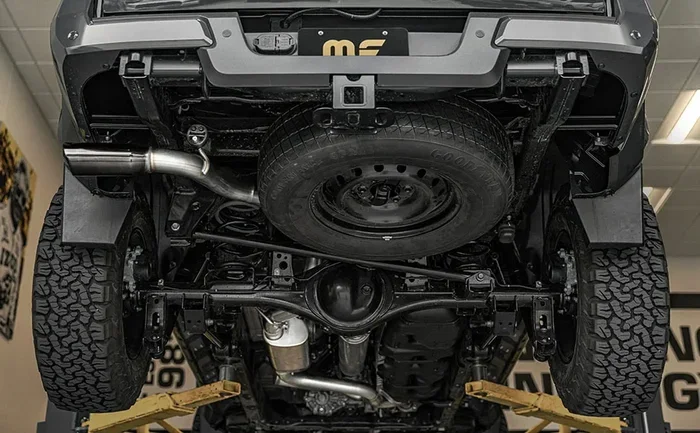
Can I Drive My Toyota Tacoma Without a Catalytic Converter
Can I Drive My Toyota Tacoma Without a Catalytic Converter? Yes, technically you can, but it is not recommended and may be illegal. Without this critical exhaust component, your truck will run rough, fail emissions tests, and risk serious engine damage over time. Driving without a catalytic converter also exposes you to fines and failed vehicle inspections in most states.
If you have been asking yourself whether you can drive your Toyota Tacoma without a catalytic converter, you are not alone. Many Toyota truck owners face this question after discovering their catalytic converter has been stolen, damaged, or removed for other reasons. The catalytic converter is a vital part of your vehicle’s exhaust system, responsible for reducing harmful exhaust fumes before they leave the tailpipe. Without it, your Toyota Tacoma may still start and move, but it will likely perform poorly, sound extremely loud, and could put you on the wrong side of emissions laws. In this guide, we will walk you through everything you need to know about what happens when your catalytic converter goes missing, the symptoms to watch for, and the best steps to take next.
The catalytic converter has been a standard component on all new vehicles sold in the United States since 1975. It was introduced as part of the Clean Air Act to reduce the amount of toxic pollution that vehicles release into the atmosphere. Over the decades, this small device has become one of the most important parts of your truck’s exhaust system. It works hand in hand with the oxygen sensor and the engine control unit to keep your Toyota running cleanly and efficiently. When this component is gone, the effects are immediate and often serious.
Key Takeaways
- A catalytic converter reduces harmful emissions: It cleans your Toyota Tacoma’s exhaust before it reaches the atmosphere.
- You can technically drive without one: But expect rough idling, loud exhaust noise, and a glowing check engine light.
- It is illegal in most states: Driving without a catalytic converter can result in fines and failed vehicle inspection.
- Common symptoms include loud noise and poor fuel economy: These are clear signs your converter may be missing or damaged.
- Converter theft is on the rise: Toyota Tacomas are frequent targets due to their high ground clearance and valuable metals inside.
- Replacement costs vary widely: Expect to pay several hundred to over a thousand dollars depending on your model year.
- Act quickly if yours is missing: The sooner you replace it, the less damage you risk to your engine and exhaust system.
📑 Table of Contents
- Can I Drive My Toyota Tacoma Without a Catalytic Converter?
- Warning Signs That Your Catalytic Converter Is Missing
- The Legal and Environmental Impact
- What to Do If Your Toyota Tacoma’s Catalytic Converter Is Missing
- How to Protect Your Toyota Tacoma From Catalytic Converter Theft
- Final Thoughts on Driving Without a Catalytic Converter
Can I Drive My Toyota Tacoma Without a Catalytic Converter?
What Does the Catalytic Converter Actually Do?
The catalytic converter sits along the exhaust pipe between the exhaust manifold and the muffler on your Toyota Tacoma. Its primary job is to convert toxic gases into less harmful substances before they exit the tailpipe. Specifically, it transforms carbon monoxide, nitrogen oxides, and hydrocarbons into carbon dioxide and water vapor. Think of it as a filter that cleans your truck’s exhaust. Without it, all those dangerous gases go straight into the air you and others breathe.
Your Toyota truck relies on the catalytic converter to meet federal and state emissions standards. The converter also works closely with the oxygen sensor, sometimes called the O2 sensor, to monitor and adjust the air-fuel mixture. Together, these parts keep the engine running efficiently and cleanly. When the converter is missing, this delicate balance falls apart. The engine control unit receives incorrect data, and the air-fuel mixture becomes unstable. This leads to a chain of problems that only get worse over time.
What Happens When It Is Gone?
So what actually happens when you remove or lose your catalytic converter? First, your vehicle performance will likely suffer. The engine may run rough, especially at idle. You might notice a significant drop in fuel economy because the engine control unit cannot properly regulate the air-fuel ratio without accurate oxygen sensor feedback. The exhaust sound will become extremely loud and deep. Your truck will sound like a race car at every stoplight, which might sound cool but is far from ideal.
You will almost certainly see the check engine light come on. Modern Toyotas from 2005 onward have very sensitive engine codes that detect missing or damaged converters. In many cases, you will get a P0420 code or similar warning that indicates low catalytic converter efficiency. Some drivers have reported that their check engine warning stays on constantly until the converter is replaced. If you also notice your truck running lean or rich, you may be dealing with a related oxygen sensor problem. You can look into related codes to understand the full picture of what is happening with your truck’s systems.
Warning Signs That Your Catalytic Converter Is Missing
Loud Exhaust Sounds
One of the first things you will notice is an extremely loud exhaust note. Without the catalytic converter, there is nothing to muffle the sound of exhaust gases exiting the engine. Your Toyota Tacoma will sound noticeably different from how it sounded before. The noise is deep, rumbling, and almost roaring. Many owners describe it as sounding like a truck with a straight pipe. This is not just annoying to you and your passengers. It is also annoying to everyone around you. Loud exhaust noise can disturb neighbors, scare pedestrians, and even violate local noise ordinances. If your Tacoma suddenly sounds like a completely different vehicle, a missing catalytic converter is a likely culprit.
Check Engine Light and Error Codes
Your Toyota Tacoma is packed with sensors that monitor every system in the engine and exhaust. When the catalytic converter is gone, these sensors detect an imbalance almost immediately. The check engine light will almost certainly turn on. You may see specific codes like P0420, which indicates low catalytic converter efficiency. Other common codes include P0430 for bank 2 efficiency issues. If you also notice your truck running lean or rich, you might be dealing with a related oxygen sensor problem.
If your check engine light is on and you are unsure what it means, it is worth investigating further. For example, if you are also dealing with a lean fuel code, you might want to look up whether Can I Still Drive With A P0171 Code applies to your situation. The P0171 code relates to a lean fuel mixture, which can sometimes accompany catalytic converter problems. Either way, a glowing check engine light after a converter goes missing is normal and should not be ignored.
Failed Emissions and Vehicle Inspection
If your state requires an annual vehicle inspection or emissions test, a missing catalytic converter will be an instant fail. The converter is specifically designed to reduce harmful pollutants. Without it, your Toyota Tacoma’s exhaust output will be far above legal limits. Even if your state does not require regular inspections, you could still face penalties during a roadside check or after an accident. Many states have adopted strict emissions laws that make it illegal to operate a vehicle without a functioning catalytic converter. This applies to both gasoline and diesel engines. Do not assume you can skip the inspection and avoid the problem. Law enforcement and inspection stations have the tools to detect a missing converter quickly.
The Legal and Environmental Impact
Federal Emissions Standards
The catalytic converter has been a required component on all new vehicles sold in the United States since 1975. This mandate came from the Environmental Protection Agency as part of the Clean Air Act. The goal was simple but important: reduce the amount of harmful pollution that vehicles release into the atmosphere. Removing or disabling your catalytic converter is a direct violation of federal law. Even if you live in a state with less strict enforcement, the federal standard still applies. If your truck is found to be non-compliant, you could face fines, penalties, and even orders to cease operating the vehicle on public roads. The Toyota Tacoma is a popular truck, which means it is also closely monitored for compliance.
State Laws and Potential Fines
Beyond federal regulations, individual states have their own rules. California, for example, has some of the strictest emissions laws in the country. Under California’s CARB regulations, removing a catalytic converter can result in fines of up to $1,000 or more. Other states like New York, Colorado, and Arizona also enforce emissions testing that will catch a missing converter. Even in states without mandatory testing, police officers can pull you over if your exhaust is excessively loud or visible smoke is coming from your tailpipe. The fines vary but can range from a few hundred dollars to over a thousand. Repeated offenses can lead to increased penalties and even vehicle impoundment. Always check your local regulations before considering driving without this component.
What to Do If Your Toyota Tacoma’s Catalytic Converter Is Missing
Immediate Steps to Take
If you just discovered that your catalytic converter is missing, do not panic. The first thing you should do is check your surroundings for any signs of tampering. Look under your truck for marks or damage where the converter was mounted. Next, document the situation with photos. This will be helpful for insurance claims or if you decide to file a police report. You should also avoid driving the truck for long distances until the converter is replaced. While you Can I Start My Car Without The Remote Key in some situations, driving without a converter can cause additional engine stress and make existing problems worse.
If your truck has a remote start or keyless entry system and it is not working properly after the theft, that is another sign of tampering you should investigate. Some newer Toyota models come with a mobile app that lets you start your truck remotely. If you are having trouble with the app, you might find helpful information about troubleshooting by checking Can I Download An App To Start My Car. These digital tools can sometimes help you diagnose related issues that arise after a converter theft.
Replacement Costs and Options
Replacing a catalytic converter is not cheap. For a Toyota Tacoma, you can expect to pay anywhere from $500 to $2,500 or more, depending on your model year and the type of converter you choose. Aftermarket converters are less expensive but may not meet federal emissions standards. OEM converters from a Toyota dealer will cost more but will ensure compliance and proper fit. If you are considering a used or remanufactured converter, make sure it comes with a warranty and meets CARB standards if you live in a state that requires it. The exhaust system repair cost also includes labor, which typically runs between $100 and $300 depending on your location.
Some aftermarket converters are designed to reduce theft risk by using specialized bolts or protective shielding. This is a worthwhile investment if you live in an area with high converter theft rates. You might also consider getting a comprehensive insurance policy that covers theft of exhaust components. Before choosing a replacement, compare prices from multiple suppliers and ask about warranty coverage. A quality converter should last 100,000 miles or more under normal driving conditions.
How to Protect Your Toyota Tacoma From Catalytic Converter Theft
Anti-Theft Devices Worth Considering
Catalytic converter theft has become a nationwide problem, and Toyota Tacomas are frequent targets. The high ground clearance makes them easy to get under, and the precious metals inside the converter, like platinum, palladium, and rhodium, make them valuable to thieves. There are several anti-theft devices you can install to protect your truck. Catalytic converter locks and cages are the most popular options. These devices bolt onto your truck’s frame and enclose the converter, making it nearly impossible to remove without specialized tools. Some systems cost between $200 and $800, which is far less than a replacement converter. You can also consider etching your vehicle identification number onto the converter. This makes it harder for thieves to sell a stolen converter and can help police recover it.
Smart Parking and Prevention Habits
Where you park matters more than you might think. Whenever possible, park your Toyota Tacoma in a well-lit area close to building entrances. Garages and secured parking lots are always the best choice. Avoid parking near curbs or gutters, as these give thieves easy access to the underside of your truck. If you park at work or school, choose a spot where many people can see your vehicle. Thieves are less likely to target trucks in high-traffic areas. Some owners also install motion-sensor lights or security cameras near their regular parking spots. These simple steps can deter opportunistic thieves.
Being proactive about anti theft mode and overall vehicle security can save you from the headache and expense of a missing converter. If your truck does enter anti theft mode after any kind of security breach, you can learn how to resolve it by reading How Do I Get My Car Out Of Anti Theft Mode With A Fob. Taking these preventive measures seriously can protect your investment and keep your Toyota Tacoma on the road where it belongs.
Final Thoughts on Driving Without a Catalytic Converter
So, can you drive a Toyota Tacoma without a catalytic converter? The honest answer is that you can, but you really should not. The risks far outweigh any short-term convenience. You will deal with a loud and embarrassing exhaust, poor engine performance, reduced fuel economy, and the constant glow of a check engine light. Beyond the driving experience, you face real legal consequences including fines and failed inspections. And over time, driving without a converter can cause serious and expensive damage to your engine and exhaust system.
The best course of action is always to replace a missing or damaged catalytic converter as soon as possible. Choose a quality part that meets emissions standards, have it installed by a qualified mechanic, and take steps to protect your truck from future theft. Your Toyota Tacoma is a capable and reliable truck. Keep it running the way it was designed to run by ensuring your exhaust system is complete and functioning properly. A small investment in replacement and protection today can save you thousands of dollars and a lot of headaches down the road.
Frequently Asked Questions
How far can I drive my Toyota Tacoma without a catalytic converter?
You can technically drive short distances without a catalytic converter, but it is not recommended. Even short trips can cause your engine to run poorly and trigger error codes. Extended driving without a converter can lead to serious engine damage and costly repairs. Always replace a missing converter as soon as possible.
What does a missing catalytic converter sound like on a Toyota Tacoma?
A missing catalytic converter makes your exhaust extremely loud and deep. Your Tacoma will sound like it has a straight pipe exhaust. The noise is especially noticeable at idle and during acceleration. If your truck suddenly sounds much louder than usual, a missing converter is a likely cause.
Can I pass an emissions test without a catalytic converter?
No, you will not pass an emissions test without a functioning catalytic converter. The converter is specifically designed to reduce harmful pollutants in your exhaust. Without it, your Toyota Tacoma’s emissions will be far above legal limits. You will need to replace the converter before you can pass inspection.
Why are Toyota Tacomas targeted for catalytic converter theft?
Toyota Tacomas are targeted because of their high ground clearance, which makes them easy for thieves to get under. The precious metals inside the converter, such as platinum and rhodium, are also highly valuable on the black market. Tacomas are popular trucks, which means there is a large market for replacement converters, making theft even more appealing to criminals.
How much does it cost to replace a catalytic converter on a Toyota Tacoma?
Replacement costs for a Toyota Tacoma catalytic converter typically range from $500 to $2,500 or more. The price depends on your model year, whether you choose an OEM or aftermarket converter, and your location’s labor rates. Adding protective devices like converter cages can help prevent future theft and save you money in the long run.
Is it legal to drive without a catalytic converter in all states?
No, it is not legal to drive without a catalytic converter in any state. Federal law requires all vehicles sold since 1975 to have a functioning catalytic converter. Many states also have their own emissions laws and inspection requirements that make driving without a converter a violation. Penalties can include fines, failed inspections, and even vehicle impoundment.
=== CONCLUSION ===
Driving your Toyota Tacoma without a catalytic converter is technically possible but strongly discouraged. The risks include poor engine performance, loud exhaust noise, failed emissions tests, legal fines, and long-term engine damage. Your catalytic converter is an essential part of your truck’s exhaust system, and replacing it should be a top priority if it goes missing. Take preventive steps like installing anti-theft devices and parking in secure areas to protect your investment. A well-maintained Toyota Tacoma will serve you well for years to come when all its components, including the catalytic converter, are in good working order.