Why Hydrogen Cars Are Not the Future of Transportation
Hydrogen cars face huge hurdles that make them impractical for mass adoption. The cost of hydrogen, lack of hydrogen refueling stations, and low fuel efficiency put hydrogen fuel cell vehicles at a serious disadvantage. Battery electric cars are winning the race for zero-emission vehicles in the transportation sector.
Key Takeaways
- Hydrogen infrastructure is severely lacking: There are very few hydrogen refueling stations worldwide, making ownership impractical for most drivers.
- Hydrogen cars are incredibly expensive: The cost of hydrogen fuel and fuel cell technology makes them far pricier than battery electric cars.
- Energy efficiency is poor: Hydrogen cars waste a lot of energy during production, storage, and conversion compared to battery electric vehicles.
- Green hydrogen is hard to produce: Most hydrogen today comes from fossil fuels, not renewable sources, which undermines its clean image.
- Electric vehicles are far ahead: Battery electric cars have better charging networks, lower costs, and growing consumer adoption.
- The automotive industry is shifting focus: Major automakers are investing heavily in battery technology rather than hydrogen fuel cell vehicles.
- Hydrogen has niche uses: While not ideal for passenger cars, hydrogen may still play a role in heavy-duty trucking and industrial applications.
📑 Table of Contents
Why Hydrogen Cars Are Not the Future of Transportation
Hydrogen cars once seemed like the next big thing in clean transportation. Automakers hype them. Tech companies invest in them. But here is the truth: hydrogen cars are not the future of transportation. The dream of a hydrogen-powered vehicle that emits nothing but water vapor sounds perfect on paper. In reality, the challenges are massive and hard to ignore.
So why are so many experts saying why hydrogen cars are not the future? The answer comes down to three big problems: cost, infrastructure, and efficiency. Battery electric vehicles solve these problems far better. They charge faster, cost less, and work with the infrastructure we already have. Let us break down exactly why hydrogen fuel cell vehicles are falling behind in the race for zero-emission vehicles.
The automotive industry is at a crossroads. Governments around the world are pushing for cleaner vehicle emissions. Consumers want affordable, practical green cars. But hydrogen cars simply do not deliver on any of these promises. Electric vehicles do. That is why the future belongs to batteries, not hydrogen fuel cells.
The Cost Problem: Hydrogen Cars Are Way Too Expensive
Let us talk money first. Hydrogen cars are incredibly expensive to buy and to fuel. A hydrogen fuel cell vehicle costs two to three times more than a comparable battery electric car. The fuel cell stack alone is a major expense. It uses precious metals like platinum, which drives up the price tag significantly.
Then there is the fuel cost. Hydrogen refueling is pricey. A single fill-up can cost $50 to $80 or more. Compare that to charging an electric vehicle at home, which costs a fraction of that. The cost of hydrogen is high because of how it is produced and transported. Most hydrogen today is made from natural gas, a process that releases carbon dioxide.
Even if we switch to green hydrogen made through electrolysis, the price stays high. Electrolysis requires a lot of electricity. That electricity must come from renewable energy sources to be truly clean. Right now, green hydrogen is three to four times more expensive than hydrogen from natural gas. Until that changes, hydrogen cars will remain a luxury item, not a practical choice for everyday drivers.
Quick Tip: If you are considering a zero-emission vehicle, look at the total cost of ownership. Battery electric cars save you money on fuel and maintenance. Hydrogen fuel cell vehicles do not offer the same savings.
The Infrastructure Nightmare: Where Do You Even Fill Up?
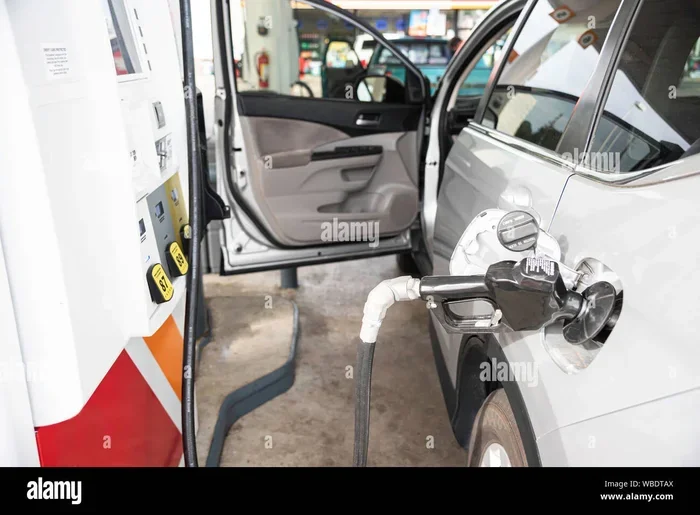
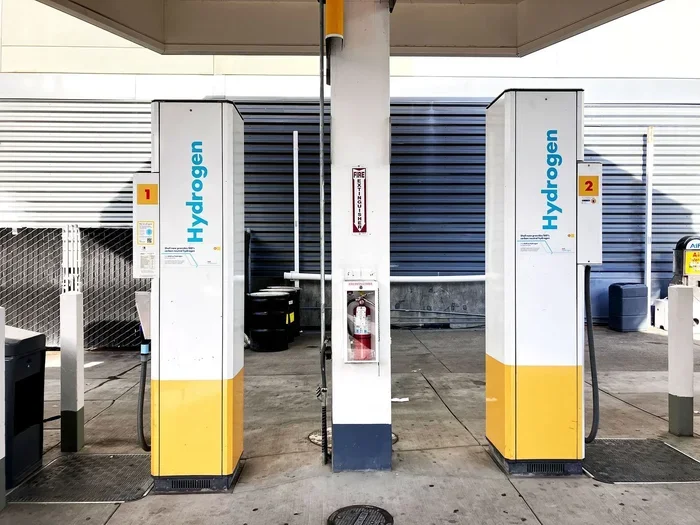
Here is a simple question: where is the nearest hydrogen refueling station? For most people, the answer is nowhere. The hydrogen infrastructure is almost nonexistent outside of a few regions. California has the most stations in the United States. Even there, the number is tiny compared to charging stations for battery electric vehicles.
Building hydrogen refueling stations is enormously expensive. Each station costs $1 million to $2 million. You need special tanks, compressors, and safety systems. The hydrogen supply chain is also fragile. Hydrogen is hard to store and transport. It is the smallest molecule in existence, which means it leaks easily. Pipelines designed for hydrogen are rare and costly to build.
Compare this to the electric vehicle charging network. You can charge your car at home overnight. Public charging stations are popping up everywhere. Fast chargers can add 200 miles of range in under 30 minutes. The charging infrastructure is growing rapidly. The hydrogen refueling network is barely growing at all.
Without a widespread and reliable infrastructure, hydrogen cars are impractical for daily use. You cannot drive cross-country on hydrogen the way you can with an electric vehicle and a growing network of charging stations. This is a dealbreaker for most consumers.
Energy Efficiency: Hydrogen Cars Waste Too Much Energy
This is where the science really hurts hydrogen cars. The energy efficiency of a hydrogen fuel cell vehicle is terrible compared to a battery electric car. Let us look at the numbers.
Here is how hydrogen fuel cell vehicles work. You use electricity to split water into hydrogen and oxygen through electrolysis. Then you compress the hydrogen. Then you transport it. Then you put it in your car. Then the fuel cell converts it back into electricity. Then the electric motor drives the wheels.
Every single step in that process loses energy. By the time the wheels turn, you have used only about 25 to 35 percent of the original electricity. Compare that to a battery electric vehicle. You plug it in. Electricity goes directly into the battery. The motor uses it to drive the wheels. Battery electric cars are 70 to 90 percent efficient.
That means a battery electric vehicle uses less than half the electricity a hydrogen car needs to travel the same distance. In a world where renewable energy is precious, wasting 65 to 75 percent of it makes no sense. Hydrogen fuel cell vehicles are simply not energy-efficient enough to compete with battery electric cars.
| Factor | Hydrogen Fuel Cell Vehicle | Battery Electric Vehicle |
|---|---|---|
| Well-to-Wheel Efficiency | 25-35% | 70-90% |
| Fuel/Refueling Cost | $50-$80 per fill-up | $5-$15 per full charge |
| Refueling/Charging Time | 5-10 minutes | 30 min (fast) to 8 hrs (home) |
| Refueling/Charging Stations | Very few globally | Millions worldwide |
| Purchase Price | $50,000-$70,000+ | $25,000-$60,000 |
| Infrastructure Maturity | Nascent | Rapidly growing |
| Emissions (if green source) | Zero tailpipe | Zero tailpipe |
The Green Hydrogen Myth: Is Hydrogen Really Clean?
Many people believe hydrogen cars are completely clean. They emit only water vapor from the tailpipe. That is true. But that is only part of the story. The real question is: how is the hydrogen made?
Today, about 95 percent of hydrogen comes from natural gas. This is called gray hydrogen. The process releases a significant amount of carbon dioxide. So hydrogen fuel cell vehicles running on gray hydrogen are not really zero-emission vehicles. They just move the pollution from the tailpipe to the factory.
Green hydrogen is made through electrolysis powered by renewable energy. This is the clean version. But green hydrogen is rare and expensive. It accounts for less than 1 percent of global hydrogen production. Until we massively scale up green hydrogen production, hydrogen cars cannot claim to be truly clean.
Expert Insight: Dr. Jose Santos, a professor of automotive engineering, explains: “The dream of green hydrogen is real, but the scale needed is enormous. We would need more solar and wind energy just to produce hydrogen for cars. That energy could charge millions of battery electric vehicles directly, with far less waste.”
Even if green hydrogen becomes cheap someday, battery electric vehicles will still be more efficient. You skip the entire hydrogen production and conversion process. The electricity goes straight into the battery. That is the smarter path for reducing vehicle emissions in the transportation sector.
Why Battery Electric Cars Are Winning the Race
Battery electric cars are getting better every year. Range is increasing. Prices are dropping. Charging stations are becoming as common as gas stations. The automotive industry has clearly shifted its focus toward battery technology.
Every major automaker is investing in electric vehicles. Tesla, Ford, GM, Volkswagen, Hyundai, and Toyota are all expanding their battery electric car lineups. Even companies that once backed hydrogen fuel cell vehicles are now focusing on batteries. Toyota, which sells the Mirai hydrogen car, is pouring billions into battery technology.
The reasons are clear. Battery electric vehicles have a growing charging infrastructure. They are cheaper to buy and cheaper to run. They are far more energy-efficient. They use renewable energy directly instead of converting it through an extra step. And consumers are buying them in record numbers.
Common Mistakes People Make: Many people assume hydrogen cars and electric cars are the same thing. They are not. Hydrogen fuel cell vehicles generate electricity on board from hydrogen. Battery electric vehicles store electricity in a large battery pack. These are fundamentally different technologies with very different strengths and weaknesses.
Another mistake is ignoring the energy density problem. Hydrogen has high energy density by weight but very low energy density by volume. This makes it hard to store enough hydrogen in a car to achieve good range without huge, heavy tanks. Battery electric cars solve this with compact, lightweight battery packs that keep improving.
The Niche Case for Hydrogen: Where It Actually Makes Sense
Let us be fair. Hydrogen fuel cell technology is not useless. It has real potential in specific areas. Heavy-duty trucking is one. Long-haul trucks need fast refueling and long range. Hydrogen refueling takes about the same time as diesel. A battery-electric truck would need hours to recharge. For this reason, hydrogen trucks might find a home in freight and logistics.
Buses and trains in certain regions also use hydrogen fuel cell vehicles. Ships and aircraft may explore hydrogen as a fuel source someday. These are heavy-duty, long-range applications where battery electric technology struggles. But for passenger cars? The case is very weak.
The automotive industry knows this. That is why investment in hydrogen cars for personal use has slowed. The focus is on battery electric vehicles for the mass market. Hydrogen fuel cell vehicles remain a niche technology for specific industrial and commercial uses.
Quick Tip: If you want a zero-emission vehicle for daily commuting and errands, a battery electric car is the clear winner. If you need a vehicle for heavy-duty commercial use, keep an eye on hydrogen fuel cell technology developments. But for most drivers, hydrogen cars are not a practical choice today.
The Bottom Line
The evidence is clear. Hydrogen cars are not the future of transportation. The cost of hydrogen is too high. The hydrogen infrastructure is too weak. The energy efficiency is too low. And the green hydrogen dream is still far from reality.
Battery electric vehicles are winning the race for a cleaner transportation sector. They are more efficient, cheaper, and backed by a rapidly growing charging infrastructure. Major automakers, governments, and consumers have all shifted toward electric vehicles. The writing is on the wall.
That does not mean hydrogen fuel cell technology will disappear entirely. It will likely find a home in heavy-duty transport and industrial applications. But for the average driver, battery electric cars are the smarter, cleaner, and more practical choice. Why hydrogen cars are not the future is not about technology failure. It is about physics, economics, and practical reality. Battery electric vehicles simply do it better.
If you are in the market for a new car, go electric. The future is here, and it runs on batteries. Hydrogen cars are a fascinating technology, but they are not the road ahead.
Frequently Asked Questions
Are hydrogen cars completely emission-free?
Not entirely. While hydrogen fuel cell vehicles emit only water vapor from the tailpipe, most hydrogen today is made from natural gas, which releases carbon dioxide. Only green hydrogen made from renewable energy is truly emission-free. Until green hydrogen becomes mainstream, hydrogen cars are not fully clean.
Why are hydrogen refueling stations so rare?
Building hydrogen refueling stations is extremely expensive, costing $1 million to $2 million each. The hydrogen supply chain is also complex and fragile. Hydrogen is hard to store and transport safely. This is why the hydrogen infrastructure lags far behind the electric vehicle charging network.
Can hydrogen cars beat electric cars in refueling speed?
Yes, hydrogen refueling takes about 5 to 10 minutes, which is faster than most charging stations. However, fast-charging battery electric vehicles can add significant range in 20 to 30 minutes. The speed advantage of hydrogen is real but not enough to overcome the other major disadvantages.
Is green hydrogen the solution to all the problems?
Green hydrogen is cleaner, but it is still very expensive and energy-intensive to produce. Even if green hydrogen becomes affordable, battery electric vehicles will still be more energy-efficient overall. The extra steps of producing, compressing, transporting, and converting hydrogen waste too much energy compared to direct battery charging.
Which automakers still make hydrogen cars?
Toyota sells the Mirai, and Hyundai offers the Nexo. These are the main hydrogen fuel cell vehicles available for consumers. However, most major automakers have shifted their focus to battery electric vehicles and are investing far more in battery technology than hydrogen fuel cells.
Could hydrogen cars make a comeback in the future?
It is possible but unlikely for passenger vehicles. Hydrogen fuel cell technology may grow in heavy-duty trucking, buses, and industrial equipment. For personal cars, battery electric vehicles have too many advantages in cost, efficiency, and infrastructure. A comeback for hydrogen cars in the consumer market would require breakthroughs in production cost and infrastructure that are not on the horizon.