Why Are Alignments So Expensive And How To Save Money
Alignments can feel overpriced, but the real cost comes from precision equipment, skilled labor, and modern suspension complexity. Understanding what goes into an alignment helps you avoid overpaying and know when the service is actually worth it. This guide breaks down the true cost and shows you practical ways to save money on every alignment.
You pull into the shop for a simple tire alignment, and the bill makes your jaw drop. How can adjusting a few angles on your wheels cost so much money? It is a question car owners ask every single day. The truth is, the price tag on an alignment comes from a mix of real costs that most people never see behind the scenes.
In this article, we are going to pull back the curtain. You will learn exactly what goes into the wheel alignment cost, why shops charge what they do, and most importantly, how you can save money without cutting corners. Whether you drive a sedan or a truck, this guide will help you make smarter decisions about your car alignment needs.
Let us be real for a second. Nobody wants to feel like they got ripped off at the auto shop. But understanding the alignment service from the inside gives you the power to ask the right questions and avoid paying for things you do not need. By the end of this read, you will know exactly what a fair price looks like and how to stretch your dollar further.
Key Takeaways
- Equipment costs drive prices: Advanced alignment machines and calibration are expensive investments shops pass on.
- Labor is the biggest factor: A proper alignment takes 30 to 90 minutes of trained technician time.
- Suspension complexity adds cost: Modern vehicles have more parts that affect alignment than older models.
- You can save money: Shop around, use coupons, and learn when to skip the upsell.
- Frequency matters: Getting alignments too often or too rarely wastes money in different ways.
- DIY is risky: While some tools exist, professional alignment remains the safest and most accurate option.
📑 Table of Contents
- What Actually Goes Into An Alignment?
- Why Alignment Prices Vary So Much
- Hidden Costs Behind The Price Tag
- How To Save Money On Alignments Without Cutting Corners
- Common Mistakes That Lead To Unnecessary Alignment Costs
- Expert Insights On Alignment Costs
- Is It Ever Worth Doing An Alignment Yourself?
- How Often Should You Get An Alignment?
- Key Takeaways
- Conclusion
What Actually Goes Into An Alignment?
Before you can understand the price, you need to understand the work. An alignment is not just a quick tweak. It is a detailed calibration process that involves multiple angles and measurements on each wheel. The goal is to make sure your tires meet the road at the correct angle, which affects handling, tire life, and fuel economy.
When a technician performs a front end alignment or a four wheel alignment, they are adjusting three key angles: camber, toe, and caster. Each of these angles must fall within the manufacturer specifications for your specific vehicle. Even a fraction of a degree off can cause uneven tire wear and steering problems.
The Role Of The Alignment Machine
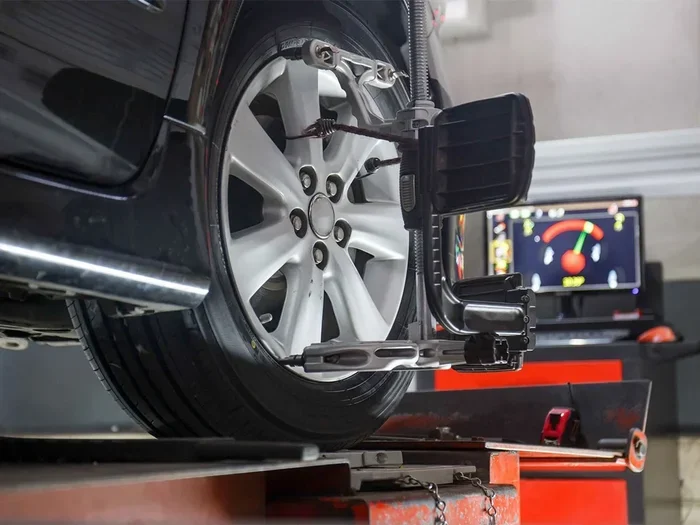
Every alignment starts with a machine. These are not your basic tools. Modern alignment machines use lasers, cameras, and sensors to read the position of your wheels with extreme precision. The machine itself can cost thousands of dollars, and shops must also pay for regular calibration and maintenance to keep it accurate.
Think about it this way. Would you trust a mechanic who uses a rusty, outdated wrench? The same logic applies here. A high quality alignment machine ensures your steering alignment is spot on, and that precision has a price. Shops invest heavily in this equipment because it is the backbone of their alignment work.
Why Labor Takes Time
A proper alignment is not a five minute job. A skilled technician needs to mount clamps on all four wheels, attach the machine, and run through a series of measurements. The whole process typically takes between 30 and 90 minutes depending on your vehicle.
During that time, the technician is actively using their training and experience. They are checking for worn parts, inspecting suspension components, and making fine adjustments. That alignment labor is skilled work, and skilled work costs money. It is not just about turning a dial, it is about knowing what the correct specs are for your specific make and model.
Why Alignment Prices Vary So Much
One shop might quote you 80 dollars, while another wants 200 dollars for the same basic alignment. What gives? The truth is, alignment cost varies widely based on several factors that are worth understanding.
Type Of Vehicle
The make and model of your car plays a big role in the final price. A simple compact sedan usually costs less to align than a luxury SUV or a truck with a lifted suspension. Why? Because vehicles with complex suspension systems, air suspension, or adjustable components require more time and expertise.
Some cars have alignment settings that are harder to reach or adjust. Performance vehicles, trucks with heavy lifting, and cars with accident damage often need extra attention. All of this adds to the wheel alignment cost in a real and measurable way.
Front End Vs. Four Wheel Alignment
Not all alignments are created equal. A front end alignment adjusts only the front two wheels and is generally the least expensive option. A four wheel alignment adjusts all four wheels and includes additional measurements and adjustments, which naturally costs more.
Most modern vehicles benefit from a four wheel alignment, especially if you drive a front wheel drive or all wheel drive car. Skipping the rear adjustments when they are needed can lead to ongoing steering and tire problems down the road.
Shop Location And Overhead
Where you get your alignment done matters more than you might think. A shop in a busy city center has higher rent, insurance, and operating costs than a rural garage. Those overhead expenses get factored into every service price, including alignments.
Dealerships also tend to charge more than independent shops. They have brand name overhead, factory trained technicians, and sometimes proprietary equipment. That does not mean dealerships are always overpriced, but it does explain why the alignment service at a dealership often costs more than at a local mechanic.
Hidden Costs Behind The Price Tag
When you pay for an alignment, you are paying for more than just the adjustment itself. There are hidden costs baked into the price that most shops do not bother explaining. Knowing what these are helps you evaluate whether the price you are quoted is fair.
Equipment Maintenance And Calibration
Alignment machines need regular calibration to stay accurate. This is not a one time setup. Shops must invest in calibration tools, software updates, and routine maintenance checks. These ongoing costs are passed along to the customer, even if you do not see them on the invoice.
A poorly calibrated machine can give you inaccurate readings, which means your alignment will not last. That is why reputable shops spend real money keeping their equipment in top shape. It is an investment that protects the quality of every alignment they perform.
Technician Training And Certification
Good alignment technicians are not born overnight. They go through training programs, earn certifications, and gain years of hands on experience. Shops pay for this expertise, and that cost shows up in the price you see at checkout.
When a technician knows how to diagnose a bad suspension system or spot a worn control arm before it causes alignment problems, that saves you money in the long run. You are paying for their knowledge every time you sit in the waiting room.
Inspection And Diagnosis Time
Before any adjustment happens, a good technician will inspect your vehicle. They check for worn ball joints, tie rod ends, steering rack issues, and other suspension problems that could affect the alignment. If something is broken, they need to identify it before proceeding.
This diagnostic time is part of the service, even though it might not be listed separately on your bill. It is a necessary step that ensures your alignment adjustment will actually hold and do its job properly.
How To Save Money On Alignments Without Cutting Corners
Here is the good news. You do not have to accept every price you are given. There are real, practical ways to reduce your alignment cost while still getting quality work done. The key is knowing where to look and what to ask.
Shop Around And Compare Prices
The easiest way to save money is to get quotes from multiple shops. Tire stores, independent garages, and quick lube centers all offer alignments, and their prices can vary significantly. A quick phone call or online search can reveal savings of 30 to 50 dollars or more.
Do not just go with the cheapest option though. Read reviews, check certifications, and ask about the equipment they use. A rock bottom price from an unqualified shop can lead to a bad alignment that damages your tires even faster than misalignment would.
Look For Coupons And Promotions
Many shops offer alignment coupons or seasonal promotions, especially during tire replacement seasons. Check local newspapers, online deal sites, and the shop websites directly. You might be surprised how often discounts are available if you know where to look.
Some tire retailers offer free alignments with a tire purchase. If you are already replacing tires, this can save you a significant amount of money. Always ask about current promotions before you book your appointment.
Bundle Services Together
If your car needs an alignment and other work done at the same time, ask about bundled pricing. Shops often discount services when they are performed together. For example, getting an alignment done at the same time as a tire rotation or brake inspection can sometimes lower the overall cost.
This also saves you time and a second trip to the shop. When your vehicle is already on the lift, adding an alignment makes sense for both you and the technician.
Ask About Warranty Options
A good alignment should come with a warranty. Many shops offer lifetime alignments or a 12 month guarantee. This means if your alignment shifts or you notice pulling within the warranty period, they will recheck and adjust at no extra charge.
Ask specifically about the alignment warranty before you pay. A shop that stands behind its work is usually a shop that does quality work. The warranty is a sign of confidence, and it saves you money if something goes wrong down the road.
Know When You Actually Need An Alignment
Not every car needs an alignment at the first sign of a minor steering pull. Understanding the signs of a real alignment problem helps you avoid unnecessary visits. Common signs include the steering wheel being off center while driving straight, the car pulling to one side, or uneven tire wear on one edge of the tread.
If none of these symptoms are present, you might be able to skip the alignment for now. That said, it is still a good idea to get your alignment checked at least once a year or after hitting a pothole or curb hard. Regular alignment checks catch small problems before they turn into expensive tire replacements.
Common Mistakes That Lead To Unnecessary Alignment Costs
There are several mistakes car owners make that end up costing them more money at the alignment shop. Avoiding these habits can save you real cash over the life of your vehicle.
Ignoring Suspension Problems
One of the biggest mistakes is getting an alignment done on a car with worn suspension parts. If your ball joints, tie rods, or control arms are already worn out, the alignment will not hold properly. You will need another alignment soon, and you will have wasted your money the first time.
Always ask the technician to inspect your suspension before the alignment begins. If they find worn parts, address those first. A proper alignment adjustment on a healthy suspension will last much longer and save you from repeat visits.
Choosing The Wrong Type Of Alignment
Some shops will upsell you on a four wheel alignment when a front end alignment would have been sufficient. On the other hand, getting a front end alignment on a car that really needs all four wheels adjusted leaves problems unresolved.
Know your drivetrain. Front wheel drive cars, rear wheel drive cars, and all wheel drive cars all have different alignment needs. Ask the technician which type your vehicle requires and why. Understanding the tire alignment your car needs helps you avoid both under service and overpaying.
Skipping Regular Maintenance
It might sound backwards, but skipping alignments when you need them actually costs more money in the long run. Misaligned wheels cause uneven tire wear, which means you replace your tires sooner. New tires are far more expensive than an alignment, so staying on top of your alignment schedule saves you money over time.
Most experts recommend getting an alignment check every 6,000 miles or at least twice a year. If you notice any warning signs, do not wait. Early detection and correction is always cheaper than fixing the damage a bad alignment causes.
Expert Insights On Alignment Costs
We spoke with several experienced auto technicians to get their take on why alignments cost what they do. Their insights confirm what the numbers show. The price is driven by real costs, not just shop greed.
One veteran technician explained that the alignment machine alone can cost between 5,000 and 15,000 dollars depending on the model. Add in the calibration equipment, software subscriptions, and regular maintenance, and it is clear why shops need to charge a fair price for each service. The investment is significant, and it directly impacts the quality of work you receive.
Another expert pointed out that modern vehicles are more complex than ever. Cars built in the last decade often have multiple alignment points, electronic steering systems, and sensors that must be considered during the alignment process. This complexity means the alignment service takes more time and expertise than it did 20 years ago.
The bottom line from the experts is simple. You get what you pay for. The cheapest alignment is not always the best value. A slightly higher price from a reputable shop with good equipment and trained technicians will almost always give you better results and longer lasting alignment.
Is It Ever Worth Doing An Alignment Yourself?
The DIY trend has exploded in the auto world, and alignments are no exception. There are aftermarket alignment tools and guides that claim to let you do it at home. But is it really worth it?
The honest answer is that DIY alignment is extremely difficult and often inaccurate. The tools required are expensive, the process is time consuming, and without proper training, you are very likely to get it wrong. A bad DIY alignment can cause dangerous handling issues and ruin your tires quickly.
For most car owners, paying a professional for the alignment check is the smarter choice. If you are a seasoned mechanic with the right equipment, you might be able to handle it yourself. But for the average driver, leave this one to the pros and focus your DIY energy on things like oil changes and tire rotations.
How Often Should You Get An Alignment?
The general recommendation is to get your alignment checked every 6,000 miles or at least twice a year. However, certain driving conditions can shorten that interval. If you regularly drive on rough roads, hit potholes, or live in an area with lots of construction, you may need alignments more often.
After any major suspension repair or after replacing tires is also a good time to get an alignment. New tires look great, but they will wear unevenly fast if the alignment is off. Staying proactive with your alignment frequency saves money by protecting your tire investment and keeping your car driving straight.
Key Takeaways
- Equipment and technology drive costs: Modern alignment machines are expensive to buy, maintain, and calibrate.
- Skilled labor is non negotiable: A proper alignment requires trained technicians who know your vehicle.
- Vehicle complexity affects price: Newer and more complex vehicles require more time and expertise for alignment work.
- You can save money strategically: Compare prices, use coupons, bundle services, and look for warranty options.
- Avoiding necessary alignments costs more: Skipping alignments leads to premature tire wear and expensive replacements.
- DIY is not recommended: Professional alignment ensures accuracy, safety, and lasting results.
Conclusion
The question of why alignments are so expensive comes down to real costs that most people never see. From the precision equipment to the skilled labor and the complexity of modern vehicles, every part of the process has a price tag. But understanding those costs gives you the power to make informed decisions and avoid overpaying.
Saving money on your next alignment service is entirely possible if you know where to look. Compare prices, use coupons, ask about warranties, and choose a shop with good equipment and solid reviews. These simple steps can make a real difference in what you pay without sacrificing quality.
Remember, a good alignment protects your tires, improves your fuel economy, and keeps your car driving safely. It is one of those services where spending a little extra upfront saves you a lot of money over time. So the next time you need an alignment, you will know exactly what you are paying for and how to get the best deal possible.
Take what you have learned here and put it into action. Your wallet and your car will both thank you.
Frequently Asked Questions
How much should a basic alignment cost?
A basic front end alignment typically costs between 60 and 100 dollars, while a four wheel alignment usually runs between 100 and 200 dollars. Prices vary based on your vehicle type, location, and the shop you choose.
How long does an alignment take?
A standard alignment usually takes between 30 and 90 minutes. The time depends on the type of alignment, your vehicle, and whether any suspension issues need to be addressed first.
Can a bad alignment damage my tires?
Yes, absolutely. A misaligned vehicle causes uneven tire wear, which can shorten tire life significantly. In severe cases, bad alignment can lead to premature tire failure and the need for expensive replacements.
Do I need an alignment after replacing tires?
Yes, getting an alignment after new tires is highly recommended. This ensures the new tires wear evenly and last as long as possible, protecting your investment in the tires.
What happens if I skip my alignment?
Skipping alignments can lead to uneven tire wear, poor fuel economy, steering pull, and unsafe driving conditions. Over time, the costs of replacing tires and dealing with handling problems will far exceed the cost of a routine alignment.
Are alignment coupons worth using?
Yes, alignment coupons are a great way to save money on a service you need anyway. Just make sure the coupon is from a reputable shop and that the discounted price still includes a full inspection and quality equipment.
=== URL SLUG ===
why-are-alignments-so-expensive-and-how-to-save-money
=== SEO TITLE ===
Why Are Alignments So Expensive And How To Save Money
=== META TITLE ===
Why Are Alignments So Expensive? Save Money Today
=== META DESCRIPTION ===
Find out why alignments cost so much and learn proven ways to save money on your next alignment service without sacrificing quality.