How Much Does It Cost to Fix the VSA System on an Acura
The cost to fix the VSA system on an Acura typically ranges from $200 to $1,500, depending on the root cause and your specific model. Common issues include faulty wheel speed sensors, a failing steering angle sensor, or a defective VSA module. Getting a proper diagnostic scan is the essential first step to pinpointing the exact problem and avoiding unnecessary expenses.
This is a comprehensive guide about How Much Does It Cost to Fix the VSA System on an Acura?.
Key Takeaways
- VSA repair costs vary widely: Minor sensor fixes can cost as little as $200, while a full VSA module replacement may reach $1,500 or more.
- Diagnostic fees are the first expense: Most shops charge between $75 and $150 to run a diagnostic scan and identify the root cause.
- Common culprits include wheel speed sensors, steering angle sensors, and the VSA control module itself.
- Driving with a VSA warning light is risky: The system helps maintain control in slippery or emergency conditions, so repairs should not be delayed.
- Hybrid Acura models may have additional considerations: The VSA system integrates with hybrid powertrain components, which can affect repair complexity.
- DIY diagnostics are possible: An OBD-II scanner can help you identify error codes before visiting a shop, saving time and money.
[FEATURED_IMAGE_PLACEHOLDER]
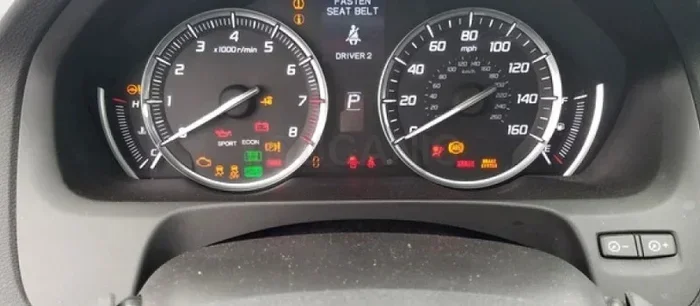
If you own an Acura and have seen the VSA warning light flicker on your dashboard, you are not alone. The Vehicle Stability Assist system is a critical safety feature, and when it malfunctions, it can leave you feeling unsure about your car’s reliability. One of the first questions that comes to mind is usually about cost. How much does it cost to fix the VSA system on an Acura? The answer depends on several factors, including the specific Acura model you drive, the root cause of the problem, and whether you choose a dealership or an independent shop.
This guide covers everything you need to know about VSA system repairs. We will walk through the most common causes of VSA failures, break down the costs for each repair type, and give you practical tips to save money. Whether you drive an Acura MDX, TLX, RDX, or another model, this article will help you understand what you are facing and what to expect at the repair shop.
The VSA system, also known as Vehicle Stability Assist, works behind the scenes every time you drive. It monitors your car’s traction, steering input, and yaw rate to keep the vehicle stable. When something goes wrong, the system relies on a network of sensors and a central control module to detect and correct skidding or loss of control. Understanding how this system works makes it much easier to understand why repairs can vary so much in price.
What Is the VSA System and Why Does It Matter?
The VSA system is Acura’s version of electronic stability control. It is designed to help you maintain control of your vehicle during sharp turns, slippery road conditions, or sudden maneuvers. The system uses data from several sensors to determine if the car is sliding or losing traction. If it detects a problem, it automatically adjusts brake pressure and engine power to help you stay on course.
How the VSA System Works
Here is a simple breakdown of the key components that make the VSA system function:
- Wheel Speed Sensors: These monitor how fast each wheel is spinning. If one wheel spins faster than the others, the system knows there is a traction issue.
- Steering Angle Sensor: This tracks the direction you are steering. It compares your intended path with the car’s actual movement.
- Yaw Rate Sensor: This measures how fast the car is rotating around its vertical axis. It helps detect if the car is spinning or sliding.
- Brake Pressure Sensor: This monitors the hydraulic pressure in the braking system to ensure proper brake application.
- VSA Control Module: This is the brain of the system. It processes data from all the sensors and sends commands to adjust brakes and engine output.
When any of these components fail, the VSA warning light comes on. The system may still allow you to drive, but you lose the stability and traction benefits that keep you safe. This is why addressing VSA issues promptly is so important.
Common Causes of VSA System Failure in Acura Vehicles
Before you can understand the cost, you need to know what is actually causing the problem. VSA system failures in Acura vehicles usually fall into a few common categories. Each one has a different price tag for repair.
Faulty Wheel Speed Sensors
Wheel speed sensors are the most common cause of VSA warnings. These small sensors sit near each wheel and monitor rotation speed. Over time, they can wear out, get contaminated with road grime, or suffer electrical damage. When a wheel speed sensor fails, the VSA system cannot accurately determine traction, and it shuts down as a precaution.
Replacing a single wheel speed sensor typically costs between $100 and $300, including parts and labor. Since Acura vehicles have four wheels, you might need to replace more than one sensor if multiple have failed. This is one of the more affordable VSA repairs you can face.
Steering Angle Sensor Malfunction
The steering angle sensor is located in the steering column and measures the angle and rate of your steering input. When this sensor goes bad, the VSA system cannot tell whether you are turning or going straight. This often triggers the VSA warning light and may also affect the traction control system.
Steering angle sensor replacement usually costs between $200 and $500. The exact price depends on your Acura model and the labor involved. Some models, like the Acura MDX and TLX, have more complex steering columns that require extra labor time.
Yaw Rate Sensor Failure
The yaw rate sensor detects rotational movement of the vehicle. When it fails, the VSA system loses its ability to sense whether the car is sliding or spinning. This sensor is typically located near the center of the vehicle, which can make replacement more labor-intensive.
Replacing a yaw rate sensor on an Acura generally costs between $250 and $600. The location of the sensor means that labor costs tend to be higher than for wheel speed sensors. In some cases, the yaw rate sensor is integrated into a larger assembly, which can increase the part cost as well.
VSA Control Module Failure
The VSA control module is the most expensive component to replace. This module processes all the sensor data and controls the braking and engine adjustments. When it fails, the entire VSA system goes down. Module failures are less common than sensor failures, but they are more serious and more costly to fix.
Replacing a VSA control module can cost anywhere from $800 to $1,500 or more. The module itself can cost $400 to $900, and the labor for programming and installation adds another $400 to $600. Some Acura models require the module to be programmed to the specific vehicle, which adds to the overall expense.
Wiring and Electrical Issues
Not all VSA problems come from broken parts. Sometimes the issue is damaged wiring, corroded connectors, or a blown fuse. Electrical issues can be tricky to diagnose because the symptoms often mimic sensor or module failures. A thorough inspection by a qualified technician is essential to rule out wiring problems before replacing expensive parts.
Repairing wiring or connector issues usually costs between $100 and $400, depending on the extent of the damage. These repairs are often the cheapest option, but they require a skilled diagnostician to identify the exact problem.
Breakdown of VSA Repair Costs by Acura Model
The cost to fix the VSA system can vary depending on which Acura you drive. Different models have different sensor configurations, module locations, and labor requirements. Here is a general breakdown of what you might expect across popular Acura models.
| Acura Model | Common VSA Issue | Estimated Repair Cost | Labor Time |
|---|---|---|---|
| Acura MDX | Wheel speed sensor, VSA module | $200 – $1,500 | 1 – 4 hours |
| Acura TLX | Steering angle sensor, yaw sensor | $200 – $1,200 | 1 – 3 hours |
| Acura RDX | Wheel speed sensor, module | $200 – $1,400 | 1 – 4 hours |
| Acura ILX | Wheel speed sensor, fuse | $100 – $400 | 0.5 – 2 hours |
| Acura RLX | Yaw sensor, VSA module | $300 – $1,500 | 1.5 – 4 hours |
These are estimated ranges, and your actual cost may differ based on your location, the shop you choose, and the specific year of your vehicle. Always ask for a detailed quote before authorizing any repairs.
How to Save Money on VSA System Repairs
VSA repairs do not have to break the bank. There are several practical steps you can take to reduce the cost and avoid unnecessary expenses.
Get a Diagnostic Scan First
Before replacing any parts, make sure you get a proper diagnostic scan. Many drivers skip this step and end up replacing parts that were not the real problem. A diagnostic scan uses an OBD-II scanner to read the error codes stored in your car’s computer. These codes tell the technician exactly which sensor or component is causing the VSA warning light.
You can get a diagnostic scan at most auto parts stores for free or a small fee. You can also visit a shop that offers diagnostic services. If you are wondering whether a quick lube place like Jiffy Lube can handle this, check out what Jiffy Lube offers for diagnostics to see if it is a viable option for your situation.
Compare Dealership vs. Independent Shop Costs
Dealerships typically charge more for VSA repairs than independent shops. The hourly labor rate at a dealership can be $100 to $200, while independent shops often charge $75 to $120 per hour. However, dealerships have access to factory-specific diagnostic tools and training, which can be valuable for complex VSA module replacements.
For simpler repairs like sensor replacements, an independent shop is usually the more affordable choice. For module replacements or electrical issues, a dealership may be worth the extra cost if it ensures proper programming and calibration.
Address Warning Lights Early
One of the best ways to save money is to address the VSA warning light as soon as it appears. Ignoring the light can lead to secondary problems. For example, if a faulty wheel speed sensor causes the VSA system to shut down, the traction control system may also be affected. This can lead to unsafe driving conditions and potentially more expensive repairs down the road.
Consider Aftermarket Parts
For non-module components like wheel speed sensors and steering angle sensors, aftermarket parts can be significantly cheaper than OEM (Original Equipment Manufacturer) parts. Aftermarket sensors from reputable brands often cost 30 to 50 percent less than OEM parts and work just as well. However, for the VSA control module itself, OEM parts are generally recommended to ensure proper compatibility and programming.
Can You Diagnose VSA Issues Yourself?
Many car owners want to know if they can diagnose VSA problems on their own before spending money on a shop visit. The answer is yes, to a certain extent. Here is what you can do at home.
First, check your owner’s manual for the VSA system section. The manual will explain what the warning light looks like and what it means. Sometimes the VSA light comes on because of a simple issue, like a loose connector or a temporary electrical glitch. In these cases, turning the car off and back on may reset the light.
Second, invest in an OBD-II scanner. These devices plug into the diagnostic port under your dashboard and read the error codes from your car’s computer. A basic scanner costs $20 to $50 and can save you hundreds of dollars in diagnostic fees. When you plug in the scanner, look for codes related to the VSA system, such as C0035, C0040, or C1234. These codes point to specific sensor or module issues.
Third, perform a visual inspection. Check the area around each wheel for damaged wiring or dirty sensors. Look under the steering column for loose connectors. Sometimes the problem is as simple as a corroded connector that just needs to be cleaned or reseated.
Keep in mind that a DIY diagnosis can help you understand the problem, but it does not replace professional repair. If you need to replace a sensor or module, you will still need to visit a shop or do the repair yourself if you have the skills and tools.
Is It Safe to Drive with the VSA Light On?
This is one of the most common questions drivers ask when the VSA light comes on. The short answer is: it depends on the situation. In normal driving conditions on dry roads, you can usually drive safely with the VSA light on. The system is simply disabled, but your basic brakes and steering still work.
However, driving in rain, snow, or on gravel roads becomes much riskier without the VSA system active. The system helps prevent skidding and loss of control, so disabling it means you lose that safety net. If you notice your car sliding or feeling unstable, pull over safely and arrange for a tow or repair.
If the VSA light comes on and stays on, it is best to get the car checked as soon as possible. Delaying the repair not only puts you at risk but can also cause additional wear on other components like the brakes and tires.
When Should You Seek Professional Help?
While some VSA issues are simple enough to diagnose at home, others require professional attention. Here are the situations where you should definitely visit a qualified technician.
- The VSA light is flashing: A flashing light usually indicates a more serious problem that needs immediate attention.
- Multiple warning lights are on: If the VSA light appears alongside the ABS light or check engine light, the issue may be more complex than a single sensor failure.
- You hear unusual noises: Grinding or clicking sounds when the VSA light is on could indicate a problem with the braking system.
- The car feels unstable: If you notice pulling, sliding, or a lack of responsiveness, do not wait. Get the car to a shop right away.
- DIY diagnostics did not reveal the problem: If you scanned the codes and the issue is still unclear, a professional diagnostic at a shop will give you the clarity you need.
If you are unsure where to start, a free diagnostic check at a local shop can point you in the right direction. Many shops, including free diagnostic services, will read your error codes without charging you upfront. This can save you time and help you make a more informed decision about the repair.
VSA System Maintenance Tips to Prevent Future Problems
Preventing VSA system issues is much easier and cheaper than repairing them. Here are some simple maintenance tips that can help keep your Acura’s VSA system working properly.
- Keep your sensors clean: Wheel speed sensors can accumulate dirt and debris over time. Wipe them down during routine car washes to prevent buildup.
- Check your battery: A weak battery can cause electrical issues that trigger the VSA light. If your battery is more than three years old, consider having it tested regularly.
- Address brake issues promptly: The VSA system relies on the braking system to function. Worn brake pads or low brake fluid can affect VSA performance.
- Do not ignore warning lights: The moment a VSA or traction control light appears, have it checked. Early intervention prevents small problems from becoming big expenses.
- Follow your maintenance schedule: Regular oil changes, brake inspections, and fluid flushes keep all of your car’s systems running smoothly, including the VSA system.
Frequently Asked Questions
What does the VSA warning light look like on an Acura?
The VSA warning light on an Acura typically looks like a car with curved lines underneath, representing the vehicle sliding. It is usually yellow or amber in color. When the light is steady, it means the VSA system has detected a fault. When it flashes, it usually means the system is actively intervening to help you maintain control. If the light stays on constantly, the system is disabled and needs to be serviced.
Can I drive my Acura with the VSA light on?
Yes, you can usually drive with the VSA light on in normal conditions. Your brakes and steering will still work normally. However, you will not have the stability and traction control benefits that the VSA system provides. Avoid driving in slippery or emergency conditions until the system is repaired.
How long does a VSA system repair take?
Simple sensor replacements usually take one to two hours. Steering angle sensor calibration may take an additional 30 minutes. VSA module replacement and programming can take three to four hours or more, depending on the Acura model and the shop’s workload. Always ask your technician for a time estimate before authorizing the repair.
Is a VSA repair covered by warranty?
If your Acura is still under the factory warranty or an extended warranty, VSA repairs may be covered. However, coverage depends on the specific terms of your warranty and the cause of the failure. Wear items like wheel speed sensors are sometimes excluded. Check with your dealer or warranty provider to confirm your coverage.
Can a dead battery cause the VSA light to come on?
Yes, a weak or dying battery can cause the VSA light to illuminate. The VSA system relies on a stable electrical supply to function properly. If the battery voltage drops too low, the system may shut down as a safety precaution. Replacing or recharging the battery often resolves this issue.
What is the difference between VSA and traction control?
VSA (Vehicle Stability Assist) is a broader system that includes traction control as one of its functions. While traction control prevents wheel spin during acceleration, VSA also helps correct oversteering and understeering by adjusting brakes and engine power. When the VSA light is on, both the stability control and traction control functions are typically disabled.
Final Thoughts
The cost to fix the VSA system on an Acura depends on what is causing the problem. Simple sensor replacements are affordable, often costing between $200 and $300. More complex issues like a VSA module failure can push the cost toward $1,500 or higher. The key to managing repair costs is early diagnosis. Do not ignore the VSA warning light, and do not rush to replace parts without understanding the root cause.
Start with a diagnostic scan, compare quotes from different shops, and consider aftermarket parts for non-module repairs. These steps can save you a significant amount of money while ensuring your Acura gets the care it needs. The VSA system is one of the most important safety features on your vehicle, so investing in its repair is always worth it.
Whether you drive an Acura MDX, TLX, RDX, or any other model, staying on top of VSA system health keeps you safe on the road and prevents small issues from turning into expensive repairs. Take action at the first sign of a VSA warning, and your Acura will reward you with years of reliable, stable performance.
Frequently Asked Questions
What is How Much Does It Cost to Fix the VSA System on an Acura??
How Much Does It Cost to Fix the VSA System on an Acura? is an important topic with many practical applications.