How Many Catalytic Converters Does an Acura MDX Have
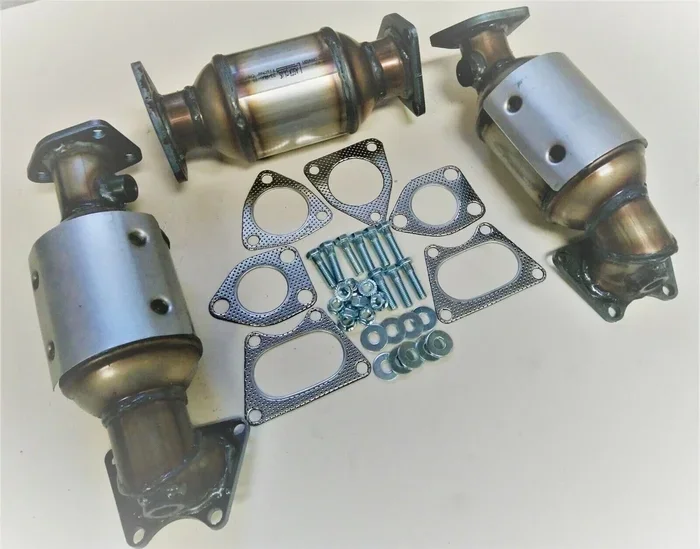
The Acura MDX typically has two catalytic converters — one for each exhaust bank on its V6 engine. These converters play a critical role in reducing harmful emissions and keeping your vehicle running smoothly. Understanding their location, function, and replacement needs helps you maintain your MDX properly and avoid costly repairs down the road.
This is a comprehensive guide about How Many Catalytic Converters Are in an Acura MDX.
Key Takeaways
- Two Converters Standard: Most Acura MDX models come equipped with two catalytic converters, one per exhaust bank.
- Location Matters: The converters sit near the exhaust manifold and further downstream in the exhaust system.
- Replacement Costs Can Be High: Luxury vehicle parts, including catalytic converters for the MDX, tend to carry a premium price tag.
- Warning Signs Exist: Reduced engine performance, check engine lights, and unusual exhaust smells signal potential converter issues.
- Regular Maintenance Helps: Keeping your exhaust system in good shape extends the life of your catalytic converters.
- Electric Vehicles Differ: EVs like Teslas do not use catalytic converters since they produce zero exhaust emissions.
[FEATURED_IMAGE_PLACEHOLDER]
How Many Catalytic Converters Does an Acura MDX Have
If you own or are considering an Acura MDX, you might wonder about the catalytic converters under your vehicle. The answer is straightforward for most model years: the Acura MDX has two catalytic converters. These are part of the exhaust system and work silently to clean up the gases your engine produces before they exit the tailpipe.
Knowing how many converters your MDX has is more than just trivia. It matters when you need repairs, when you are checking for warning signs of failure, or when you are trying to understand your vehicle’s emissions system. Luxury SUVs like the MDX have specific setups that differ from smaller or more common cars. The V6 engine configuration means the exhaust splits into two banks, and each bank gets its own converter.
In this guide, we will walk through everything you need to know. We will cover the exact location of each converter, what they do, how long they last, what happens when they fail, and how much it costs to replace them. Whether you are a new MDX owner or have been driving one for years, this information will help you stay ahead of potential problems.
Understanding the Acura MDX Exhaust System
The exhaust system on an Acura MDX is designed to handle the byproducts of combustion efficiently. Your MDX uses a 3.5-liter V6 engine in most trims, and some older models feature a 3.7-liter V6. These engines produce power by burning fuel, which creates exhaust gases. Those gases need to be cleaned before they leave the vehicle.
How the Exhaust Flows
Here is how the exhaust system works on the MDX in simple terms:
- Exhaust Manifold: Collects gases from the engine cylinders.
- Primary Catalytic Converters: Clean the gases right after the manifold.
- Oxygen Sensors: Monitor the cleanliness of the exhaust gases.
- Resonator and Muffler: Reduce noise and further filter gases.
- Tailpipe: Releases the cleaned exhaust into the air.
Because the V6 engine has two banks of cylinders, the exhaust system splits into two paths. Each path has its own catalytic converter. This is why the standard answer to “how many catalytic converters does an Acura MDX have” is two. Each converter handles one side of the engine’s exhaust output.
Why Two Converters?
Using two converters instead of one is not just about engine layout. It is about efficiency and emissions control. Each converter works on a smaller volume of exhaust gas, which means it can operate at the right temperature more quickly. This leads to better emission reduction and improved fuel economy. Acura engineered the MDX exhaust system this way to meet strict environmental standards while delivering the performance expected from a luxury SUV.
Where Are the Catalytic Converters Located on an Acura MDX?
Finding the catalytic converters on your MDX is easier than you might think. You do not need to be a mechanic to locate them, though you will need to get under the vehicle.
Primary Converter Location
The first catalytic converter sits close to the engine, right after the exhaust manifold. On the MDX, this is often called the “downstream” converter. It is bolted to the exhaust pipe and can usually be seen by looking under the front of the vehicle. Because it sits close to the engine, it heats up fast and starts cleaning exhaust gases almost immediately.
Secondary Converter Location
The second converter is further back in the exhaust system, closer to the middle or rear of the vehicle. It handles the exhaust gases that have already passed through the first converter. This setup creates a two-stage cleaning process that ensures the exhaust leaving your tailpipe is as clean as possible.
If you are ever underneath your MDX for maintenance or tire changes, take a moment to visually inspect both converters. Look for any signs of damage, rust, or physical impact. Early detection of converter issues can save you from more expensive repairs later on.
What Does a Catalytic Converter Do?
The catalytic converter is one of the most important parts of your vehicle’s emissions system. Its job is to convert harmful gases into less harmful substances before they reach the atmosphere.
The Chemical Process
Inside the catalytic converter, there are precious metals like platinum, palladium, and rhodium. These metals act as catalysts, meaning they speed up chemical reactions without being consumed themselves. Here is what happens inside:
- Carbon Monoxide (CO) gets converted into Carbon Dioxide (CO2).
- Unburned Hydrocarbons (HC) get converted into Water (H2O) and CO2.
- Nitrogen Oxides (NOx) get converted into Nitrogen (N2) and Oxygen (O2).
This three-way conversion process happens in seconds as exhaust gases flow through the converter. Without it, your MDX would release significantly more pollutants into the air. Vehicle emissions testing in many states requires a functioning catalytic converter, so keeping yours in good shape is both an environmental and legal responsibility.
Why It Matters for the MDX
The Acura MDX is a premium vehicle, and Acura builds it to meet or exceed emissions standards. A failing converter can cause your MDX to fail an emissions test, which means you cannot register your vehicle in many states. Beyond that, a bad converter can hurt your fuel economy and overall engine performance. Regular maintenance of your exhaust system keeps the MDX running the way Acura intended.
Signs Your Acura MDX Catalytic Converter Is Failing
Catalytic converters do not last forever, even though they are built to be durable. Knowing the warning signs of a failing converter can help you address problems early and avoid more expensive repairs.
Common Symptoms to Watch For
- Check Engine Light: This is often the first sign. Your MDX has oxygen sensors that detect when the converter is not working efficiently. When they sense a problem, they trigger the check engine light.
- Reduced Engine Performance: A clogged converter restricts exhaust flow. You might notice sluggish acceleration or a lack of power when you press the gas pedal.
- Dark Exhaust Smoke: If you see black or dark smoke coming from your tailpipe, the converter may not be processing exhaust gases properly.
- Sulfur or Rotten Egg Smell: A healthy converter converts sulfur compounds into odorless substances. A failing one lets that rotten egg smell through.
- Rattling Noise: Inside the converter, a mesh screen can break apart over time. This creates a rattling sound, especially when you start the engine or idle.
- Failed Emissions Test: If your MDX does not pass an emissions inspection, a bad catalytic converter is one of the most common culprits.
If you notice any of these symptoms, do not ignore them. The longer you drive with a failing converter, the more damage it can cause to other parts of your exhaust system and engine.
Quick Tips for Early Detection
- Pay attention to any new dashboard warning lights.
- Have your exhaust system inspected during every oil change.
- Listen for unusual sounds from underneath the vehicle.
- Trust your nose — unusual smells are never a good sign.
- Keep up with your MDX’s recommended maintenance schedule.
How Much Does It Cost to Replace a Catalytic Converter on an Acura MDX?
Let us talk about the cost, because this is where many MDX owners get a sticker shock. Replacing a catalytic converter on a luxury vehicle is not cheap, and the Acura MDX is no exception.
Average Replacement Costs
On average, replacing one catalytic converter on an MDX costs between $800 and $1,500 per unit. Since the MDX has two converters, a full replacement can run you anywhere from $1,600 to $3,000 or more. These prices vary based on several factors:
- Model Year: Newer MDX models may have more expensive converters due to advanced technology.
- Trim Level: Higher trims sometimes have different exhaust setups that affect converter pricing.
- Labor Costs: Dealership labor rates are higher than independent shops, but they offer OEM parts and warranties.
- Aftermarket vs. OEM: Aftermarket converters are cheaper but may not last as long or meet the same quality standards.
For comparison, Cadillac parts can also be expensive due to the luxury brand markup. The same principle applies to Acura. When you are paying for premium engineering and quality materials, the replacement parts reflect that investment.
Why Are Converters So Expensive?
The cost of a catalytic converter comes down to the precious metals inside it. Platinum, palladium, and rhodium are rare and valuable. The supply and demand for these metals directly affects converter pricing. Additionally, luxury vehicles like the MDX often use larger or more advanced converters that contain more of these metals, driving the price up further.
Tips to Reduce Replacement Costs
- Get quotes from both dealerships and trusted independent shops.
- Ask about aftermarket converters that meet EPA and CARB standards.
- Check if your MDX is still under warranty, as converters may be covered.
- Address small exhaust issues early before they damage the converter.
- Consider a certified pre-owned warranty if buying a used MDX.
How to Extend the Life of Your Catalytic Converters
The good news is that you can take steps to make your MDX’s catalytic converters last longer. The average lifespan of a catalytic converter is around 100,000 miles, but with proper care, many last even longer.
Maintenance Best Practices
- Keep Your Engine Tuned: A misfiring engine sends unburned fuel into the exhaust, which can overheat and damage the converter. Follow your MDX’s maintenance schedule for spark plugs, ignition coils, and fuel injectors.
- Use Quality Fuel: Lower-quality fuel can leave deposits that eventually clog the converter. Stick with reputable gas stations and the recommended fuel grade for your MDX.
- Fix Engine Problems Promptly: If your check engine light comes on, do not ignore it. Engine issues that cause rich fuel mixtures or misfires are the number one killer of catalytic converters.
- Avoid Short Trips When Possible: The converter needs to reach a certain temperature to function properly. Frequent short trips that never allow the converter to fully warm up can cause buildup over time.
- Inspect the Exhaust System Regularly: Look for leaks, cracks, or loose connections in the exhaust system. Even small leaks can affect how the converter operates.
Common Mistakes That Damage Converters
- Ignoring check engine lights for extended periods.
- Driving with low oil levels, which can contaminate the converter.
- Using fuel additives that are not recommended for your vehicle.
- Hitting speed bumps or curbs hard enough to damage the undercarriage.
- Neglecting oil or coolant leaks that seep onto the converter.
By avoiding these mistakes and staying on top of routine maintenance, you can ensure your MDX’s converters last well beyond the average lifespan. Think of it as preventive care — a little attention now saves you a lot of money later.
Electric Vehicles and Catalytic Converters
Here is an interesting fact: electric vehicles do not have catalytic converters. Since EVs like the Tesla lineup produce zero exhaust emissions, there is no need for a converter to clean up exhaust gases. This is one of the environmental advantages of going electric.
If you are comparing the Acura MDX to an electric SUV, this is an important distinction. The MDX has a traditional combustion engine with a full exhaust system including two catalytic converters. EVs have no exhaust system at all, which means no converter maintenance or replacement costs. However, EVs come with their own maintenance considerations, such as battery health and charging infrastructure.
Some people wonder if converter theft is a concern for the MDX. While converter theft has become more common in recent years, the MDX’s converters are not as frequently targeted as those on some other vehicles. Still, if you park in areas with high theft rates, consider having your converters etched with your VIN or installing anti-theft devices for peace of mind.
Model Year Variations in Acura MDX Catalytic Converters
The number of catalytic converters in an Acura MDX has remained consistent across most model years, with two converters being the standard. However, there are some variations worth noting:
Older MDX Models (2001–2013)
Early MDX models used conventional catalytic converters with standard precious metal coatings. These converters were effective but could be more prone to clogging over time, especially if the vehicle was used primarily for short trips.
Newer MDX Models (2014–Present)
More recent MDX models may use advanced converter designs with higher concentrations of precious metals. These converters are more efficient at reducing emissions but also more expensive to replace. Some newer models also incorporate additional emissions control components that work alongside the catalytic converters to meet stricter environmental regulations.
Regardless of the model year, the basic principle remains the same: your MDX has two catalytic converters that work together to keep your exhaust clean and your engine running efficiently.
When to Seek Professional Help
While some car owners enjoy DIY repairs, catalytic converter work is best left to professionals. The converters are located in tight spaces under the vehicle, and improper installation can lead to exhaust leaks, reduced performance, and failed emissions tests.
If you suspect your MDX has a converter problem, here is what to do:
- Get a Diagnostic Scan: A mechanic can read the error codes from your MDX’s computer to confirm whether the converter is the issue.
- Request a Visual Inspection: Have the mechanic look at both converters for physical damage or signs of clogging.
- Ask About Converter Condition: During routine maintenance, specifically ask about the health of your catalytic converters.
- Compare Repair vs. Replace: Sometimes cleaning or repairing a converter is an option, but replacement is often the most reliable fix.
Finding a mechanic who knows luxury vehicles makes a big difference. Someone familiar with Acura MDX maintenance will understand the specific needs of your vehicle’s exhaust system and can recommend the best course of action.
Conclusion
The Acura MDX has two catalytic converters, one for each exhaust bank on its V6 engine. These converters are essential for reducing harmful emissions, passing emissions tests, and keeping your luxury SUV running at its best. From understanding their location and function to recognizing the signs of failure and knowing the replacement costs, this knowledge empowers you as an MDX owner.
Remember to stay on top of regular maintenance, address engine problems promptly, and never ignore warning signs from your vehicle. A well-maintained catalytic converter system can last well over 100,000 miles, saving you from expensive repairs and keeping your MDX performing the way it should.
Whether you are a new MDX owner or have been driving one for years, taking care of your catalytic converters is just one part of owning a luxury vehicle. Stay proactive, stay informed, and your MDX will reward you with reliable performance and clean emissions for years to come.
FAQs
Can I drive my Acura MDX with a bad catalytic converter?
You can technically drive with a bad converter, but it is not recommended. A failing converter can reduce engine performance, lower fuel economy, and eventually cause more serious engine damage. It can also cause your vehicle to fail emissions testing, which is illegal in many areas. Have it checked and repaired as soon as possible.
How long do catalytic converters last on an Acura MDX?
Most catalytic converters on an MDX last between 100,000 and 150,000 miles. However, this depends heavily on driving habits, maintenance, and fuel quality. Regular engine tune-ups and using quality fuel can significantly extend converter life.
Are catalytic converters on the Acura MDX expensive to replace?
Yes, they tend to be expensive. Luxury vehicle parts carry a premium, and the precious metals inside converters add to the cost. Expect to pay between $1,600 and $3,000 or more for both converters on an MDX. Getting multiple quotes can help you find the best price.
Can a stolen catalytic converter affect my MDX’s performance?
Absolutely. If a catalytic converter is stolen, your MDX will have a loud exhaust rumble, reduced engine performance, and will almost certainly fail an emissions test. You will also see the check engine light come on due to the oxygen sensors detecting the missing converter. Replace it as soon as possible.
Do all Acura MDX models have two catalytic converters?
Yes, across all model years from 2001 to the present, the Acura MDX has been equipped with two catalytic converters. This is because the V6 engine design splits exhaust into two banks, and each bank requires its own converter for proper emissions control.
What is the difference between a primary and secondary catalytic converter?
The primary converter sits closer to the engine and handles the hottest exhaust gases first. The secondary converter is further down the exhaust system and provides a second stage of cleaning. Both are essential for meeting emissions standards and keeping your MDX running cleanly.
Frequently Asked Questions
What is How Many Catalytic Converters Are in an Acura MDX?
How Many Catalytic Converters Are in an Acura MDX is an important topic with many practical applications.