How Do You Read How Much Oil Is Left?
Knowing how to read how much oil is left in your engine is one of the simplest yet most critical maintenance skills every driver should master. Regularly checking your oil level helps prevent costly engine damage, keeps your vehicle running smoothly, and extends its overall lifespan. Whether you use a dipstick, an electronic gauge, or a sight glass, understanding your oil level takes just minutes and can save you from unexpected breakdowns.
Key Takeaways
- Always check oil on a level surface for an accurate reading every time.
- Locate the MIN and MAX marks on your dipstick to gauge oil level.
- Check oil when the engine is cool for the safest and most reliable measurement.
- Oil should sit between the two marks on the dipstick for proper lubrication.
- Low oil causes serious engine damage, so act quickly if levels drop below MIN.
- Follow your owner’s manual for the recommended oil change interval and type.
- Wipe the dipstick clean before reinserting to avoid false or inaccurate readings.
📑 Table of Contents
Understanding How Do You Read How Much Oil Is Left
Knowing how do you read how much oil is left is one of the simplest yet most important skills every car owner should have. Your engine oil is the lifeblood of your vehicle. It keeps all the moving parts lubricated, cool, and running smoothly. Without enough oil, your engine can suffer serious damage in a matter of minutes.
Checking your oil level might seem intimidating at first, but it is actually really straightforward once you know what to look for. Whether you drive a sedan, truck, or SUV, the process is pretty much the same across most vehicles. In this guide, we will walk you through everything you need to know about reading your oil level accurately. You will learn how to use your dipstick, what the readings mean, and how to avoid common mistakes that trip up even experienced drivers.
Regular oil checks can save you from expensive repairs and keep your engine running strong for years. Think of it as a quick health check for your car. Just like you would not skip a doctor’s visit, you should not skip checking your engine oil. Let us dive in and make sure you feel confident doing this yourself.
Understanding Your Oil Dipstick
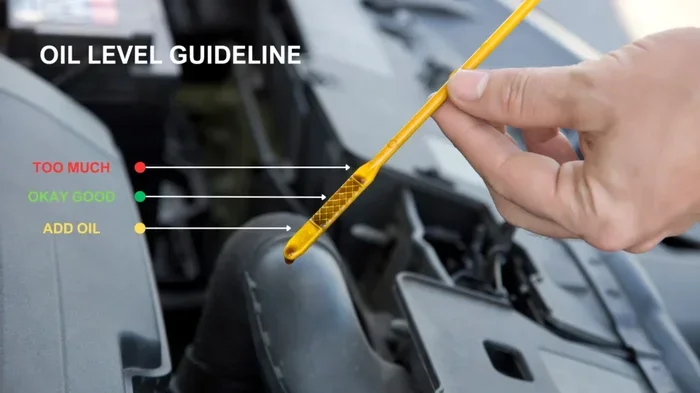
The dipstick is the tool that tells you how much oil is left in your engine. It is a long, thin metal rod with a handle that pulls out of your engine bay. Most cars have a yellow or orange handle that makes it easy to spot. When you pull it out, there is a strip of metal at the tip with markings that show your oil level.
Modern dipsticks usually have two marks on the tip. These can be dots, lines, or an area marked “MIN” and “MAX.” Some newer vehicles even have a crosshatched pattern between the two marks. The oil should fall somewhere between these indicators. If it is below the MIN mark, you need to add more oil. If it is near or above the MAX mark, you are in good shape.
Types Of Dipsticks
Not all dipsticks look the same. Here are the most common types you might encounter:
- Traditional Dipstick With Marks – Has two lines or dots indicating minimum and maximum levels.
- Crosshatch Dipstick – Features a textured area between MIN and MAX marks. Oil should coat the lower half of the crosshatch.
- Electronic Oil Level Sensor – Some newer vehicles do not use a traditional dipstick at all. Instead, they have a sensor that displays oil level on your dashboard screen.
If your car has an electronic sensor, you can usually find the oil level in your vehicle information menu on the dashboard. Check your owner’s manual for specific instructions. For everyone else, the traditional dipstick method works just fine and gives you a hands-on feel for your car’s maintenance.
Step-By-Step Guide To Checking Your Oil Level
Checking your oil is something you can do in about five minutes. You do not need any special tools, just a clean rag or paper towel and your owner’s manual. Follow these steps to get an accurate reading every time.
Step 1: Park On Level Ground
This is the most important step that many people skip. You need to park your car on a flat, level surface. If you check your oil on a slope, the reading will be inaccurate. The oil will pool to one side of the oil pan and give you a false level. Turn off the engine and wait a few minutes for the oil to settle back into the oil pan.
Step 2: Locate The Dipstick
Open your hood and look for the dipstick handle. It is usually located near the front of the engine. The handle is often brightly colored so it is easy to find. If you are having trouble, refer to your owner’s manual or look for a diagram under the hood.
Step 3: Pull Out The Dipstick
Gently pull the dipstick straight out. Be careful not to tilt it, as this can cause the oil to splash and give you an incorrect reading. Use a clean rag or paper towel to wipe the dipstick completely clean.
Step 4: Reinsert And Pull Again
Push the dipstick all the way back in, then pull it out again slowly. This second reading gives you the most accurate measurement. Look at the tip of the dipstick and find where the oil stops.
Step 5: Read The Level
Look at the oil mark on the dipstick tip. The oil should be between the MIN and MAX marks. If it is close to MIN, you should add oil soon. If it is below MIN, add oil right away. If it is near MAX, you are good to go.
What The Oil Level Readings Mean
Now that you know how to get a reading, let us talk about what those readings actually mean. Understanding the numbers and markings helps you make smart decisions about your engine maintenance.
Oil Level Below MIN
If your oil is below the MIN mark, your engine is running low. This is a serious concern. Low oil means the engine components are not getting proper lubrication. Running an engine with low oil can cause overheating, increased wear, and eventually catastrophic engine failure. If your oil is low, add the correct type of oil as soon as possible. Check your owner’s manual for the right oil weight and capacity for your vehicle.
Oil Level Between MIN And MAX
This is the sweet spot. Your engine has enough oil to function properly. If your oil is in this range, you are in good shape. However, keep an eye on it over time. If you notice the level dropping quickly between checks, that could indicate an oil leak or excessive oil consumption.
Oil Level At Or Above MAX
While having enough oil is good, too much oil can also cause problems. Overfilling your engine can lead to oil foaming, which reduces lubrication effectiveness. Excess oil can also put pressure on engine seals and gaskets, potentially causing leaks. If you overfill, have a mechanic drain the excess oil safely.
Oil Condition Matters Too
The level is only half the story. You should also pay attention to the condition of the oil on the dipstick. Fresh oil is usually amber or golden in color. As oil ages, it turns dark brown or black. If the oil looks gritty, milky, or has a burnt smell, those are signs of serious problems. Milky oil could indicate a coolant leak, while dark gritty oil means it is time for an oil change.
Common Mistakes When Checking Oil
Even though checking oil is simple, people still make mistakes that lead to inaccurate readings or engine damage. Here are the most common errors to avoid.
Checking Oil Right After Driving
Hot oil expands and can stick to the dipstick, giving you a higher reading than the actual level. Always wait at least 5 to 10 minutes after turning off the engine before checking. Many experts recommend checking oil in the morning before you start the car for the day.
Not Reading On Level Ground
We mentioned this earlier because it is so important. Parking on an incline will always give you a skewed reading. Take the extra time to find a flat spot. Your engine will thank you for the accurate reading.
Overfilling The Oil
Some people think more oil is better. It is not. Overfilling can be just as damaging as running low. Add oil in small increments, checking the dipstick between each addition. A little goes a long way.
Using The Wrong Oil Type
Not all oils are created equal. Using the wrong viscosity or type of oil can affect how your engine performs and how the oil level reads. Always use the oil recommended by your vehicle manufacturer. You can find this information in your owner’s manual or on the oil fill cap under the hood.
Ignoring The Oil Warning Light
If your dashboard oil warning light comes on, do not ignore it. This light means your oil pressure is low, which can indicate critically low oil levels or a failing oil pump. Pull over safely and check your oil immediately. If the light stays on, do not continue driving.
When Should You Change Your Oil
Checking your oil level is not the only maintenance task you should be doing. Knowing when to change your oil is equally important. Old oil loses its lubricating properties and can no longer protect your engine effectively.
The old rule of thumb was to change your oil every 3,000 miles. Modern synthetic oils and engines have changed that significantly. Most vehicles today can go between 5,000 and 7,500 miles between oil changes. Some synthetic oils can even last up to 10,000 miles. Always check your owner’s manual for the manufacturer’s recommended oil change interval.
Keep in mind that your driving habits affect how often you need to change your oil. If you frequently drive in stop-and-go traffic, tow heavy loads, or drive in extreme temperatures, you may need to change your oil more often. These are considered “severe” driving conditions.
Regular oil changes are one of the best investments you can make in your vehicle. They are relatively inexpensive compared to the cost of repairing a damaged engine. If you are unsure about your oil condition, you can always get a free diagnostic on your car at many auto parts stores. This can give you peace of mind and help you catch any issues early.
Quick Tips For Maintaining Healthy Oil Levels
Here are some practical tips to keep your engine oil in great shape between checks:
- Check your oil at least once a month. Make it part of your regular car care routine. Set a reminder on your phone if needed.
- Keep a log of your oil levels. Writing down your readings helps you spot trends. If your oil is consistently dropping, you may have a leak.
- Always use the correct oil grade. Check your owner’s manual or the oil fill cap for the recommended viscosity.
- Keep your oil fill cap tight. A loose cap can cause oil leaks and contamination.
- Replace your oil filter regularly. A clean oil filter keeps your oil flowing freely and removes contaminants.
- Wash your car regularly to spot leaks. Clean oil under your vehicle is easier to spot when your car is freshly washed.
Key Takeaways
Learning how do you read how much oil is left is a fundamental part of car ownership. It only takes a few minutes and can save you from costly repairs down the road. Remember these key points:
- Always check your oil on level ground with the engine cool.
- The dipstick has MIN and MAX marks that guide your reading.
- Oil should be between the two marks for optimal engine health.
- Oil condition matters just as much as oil level.
- Follow your manufacturer’s recommended oil change schedule.
- Never ignore warning lights or unusual oil readings.
Taking a few minutes each month to check your oil is one of the simplest things you can do to extend the life of your engine. It is a small effort that pays big dividends. Your car will run better, last longer, and save you money on repairs. So grab a rag, pop your hood, and give your dipstick a look. Your engine will thank you for it.
Frequently Asked Questions
How Do You Read How Much Oil Is Left?
To read how much oil is left, pull out the dipstick, wipe it clean, reinsert it fully, then pull it out again to check the level. The dipstick will have two marks — a minimum and maximum line — that show where your oil level should fall between. Keeping your engine oil at the right level ensures proper lubrication and prevents costly engine damage.
What Do the Oil Level Marks on a Dipstick Mean?
The marks on a dipstick indicate the safe operating range for your engine oil, with one line showing the minimum level and the other showing the maximum. When the oil sits between these two lines, your engine has the right amount of lubrication. If the oil falls below the minimum mark, you need to add oil right away to protect your engine.
Can You Check Oil Level When the Engine Is Hot?
You can check your oil level when the engine is warm, but most manufacturers recommend checking it when the engine is cool for the most accurate reading. Hot oil can cling to the dipstick and give a slightly higher reading than what is actually in the oil pan. For the best results, wait a few minutes after turning off the engine and then check the oil level.
What Happens If You Drive With Low Oil?
Driving with low oil causes increased friction between engine parts, which leads to overheating and premature wear. Severely low oil levels can cause the engine to seize up completely, resulting in expensive repairs or even a full engine replacement. Checking your oil level regularly and topping it off when needed is one of the easiest ways to protect your vehicle.
How Often Should You Check Your Oil Level?
Most experts recommend checking your oil level at least once a month and before any long road trips. Modern vehicles may also have electronic oil monitors that display oil level on the dashboard, but a manual dipstick check is still the most reliable method. Regular oil checks help you catch leaks early and keep your engine running smoothly between oil changes.
Why Does the Oil Level Drop Between Oil Changes?
A small drop in oil level between changes is normal because the engine burns a tiny amount of oil during operation. However, a noticeable drop could signal an oil leak or worn engine parts that need attention. If you find yourself adding oil frequently, it is a good idea to have a mechanic inspect the vehicle for potential issues.