Can I Drive 50 Miles With the Check Engine Light On
Can you drive 50 miles with the check engine light on? In most cases, yes — but it depends on what triggered the warning. A solid check engine light usually means a minor issue, while a flashing light signals a serious problem that needs immediate attention. This guide covers everything you need to know about driving safely when your check engine light is on, including causes, risks, and what to do next.
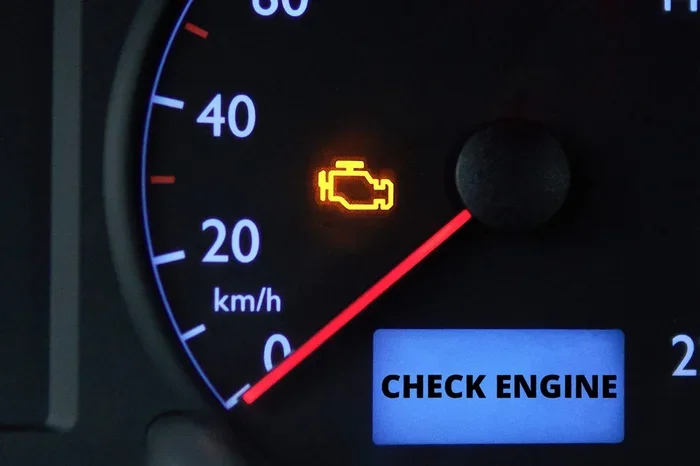
You are driving down the road, and suddenly that little orange engine icon lights up on your dashboard. Your heart sinks. You have somewhere to be, and it is 50 miles away. Can I drive 50 miles with the check engine light on? This is one of the most common questions car owners ask when that dreaded warning appears.
The short answer is: it depends. In many situations, you can keep driving. But in some cases, pushing forward could cause serious damage to your vehicle. Let us break down everything you need to know about driving with your check engine light on, what the different signals mean, and how to handle the situation like a pro.
## What Does the Check Engine Light Actually Mean?
Your car is a complex machine. It has dozens of sensors monitoring everything from fuel levels to exhaust emissions. When something falls outside the normal range, the check engine light turns on to warn you.
The light is part of your vehicle’s onboard diagnostics system, often called OBD-II. This system has been standard in all cars sold in the U.S. since 1996. It constantly checks your engine, transmission, and emission systems. When it detects a problem, it stores a diagnostic trouble code (DTC) and lights up your dashboard.
### Solid Light vs. Flashing Light
This is the most important distinction to understand.
A solid check engine light means the system has detected a problem, but it is not an emergency. You can usually drive a short to moderate distance safely. However, you should get the car checked soon.
A flashing check engine light is much more serious. It means the engine is misfiring, and unburned fuel is entering the exhaust system. This can damage the catalytic converter, which is an expensive part to replace. If your light is flashing, pull over and get your car towed.
## Common Reasons the Check Engine Light Comes On
Knowing what triggers the light helps you decide how urgent the situation is. Here are the most common check engine light causes:
### Loose or Faulty Gas Cap
This is the number one simplest cause. Your gas cap seals the fuel system and keeps vapors from escaping. If it is loose, cracked, or missing, the system detects a leak and triggers the light.
If you just filled up and the light came on, try tightening the cap. Drive a few miles and see if the light goes off. This is one of those situations where driving 50 miles is completely fine.
### Oxygen Sensor Failure
The oxygen sensor measures how much oxygen is in your exhaust. It helps the engine run efficiently. A failing sensor can reduce fuel economy and increase emissions.
You can drive with a bad oxygen sensor for a while, but it is best to replace it soon. Ignoring it can lead to engine performance issues over time.
### Worn Spark Plugs or Ignition Coils
Spark plugs ignite the fuel-air mixture in your engine cylinders. When they wear out, you may experience a rough idle, poor acceleration, or a slight engine misfire.
Replacing spark plugs is inexpensive and easy. Driving 50 miles with worn plugs is usually safe, but do not ignore the problem for too long.
### Catalytic Converter Issues
The catalytic converter reduces harmful emissions. Problems here are more serious and can be costly to repair. If the light is solid and your car runs normally, you may be able to drive a short distance. But if the light is flashing, stop driving immediately.
### Mass Airflow Sensor Problems
The mass airflow sensor tells the computer how much air is entering the engine. A dirty or faulty sensor can cause stalling, rough idling, or poor fuel economy. This is a drivable condition in most cases, but you should address it soon.
## Can You Actually Drive 50 Miles Safely?
Now for the real question: can I drive 50 miles with the check engine light on? The answer depends on several factors.
### Factors That Make It Safe
– The light is solid, not flashing
– Your car drives normally with no loss of power
– No unusual noises or smells
– The temperature gauge reads normal
– The light came on after a simple fix like tightening the gas cap
In these cases, driving 50 miles should not cause damage. Many people drive hundreds of miles with a solid check engine light when the issue is minor.
### Factors That Make It Dangerous
– The light is flashing
– You notice a loss of power or acceleration
– The engine is making strange knocking or pinging sounds
– You see smoke or smell burning
– The temperature gauge is climbing
– Your car is stalling or shutting off
If any of these apply, do not push it. Find a safe place to pull over and call for help. Continuing to drive with a flashing light or serious symptoms can lead to engine damage that costs thousands to repair.
## What Should You Do Right Now?
When the check engine light comes on, stay calm. Here is a step-by-step approach:
Step 1: Check the gas cap. Pull over safely and tighten it. If it was loose, the light may go off after a few drive cycles.
Step 2: Check for other warning lights. Is the temperature gauge showing overheating? Is the oil pressure light on? These are more urgent than the check engine light alone.
Step 3: Assess how the car feels. Is it running smoothly? Any vibrations? Any unusual sounds? Trust your instincts here.
Step 4: Get a diagnostic scan. You can buy a cheap OBD-II scanner at any auto parts store or online. Plug it into the port under your steering column, and it will read the diagnostic trouble code. Many stores like AutoZone will read the code for free.
Step 5: Decide whether to keep driving. Based on the code and how the car feels, make an informed decision. If you are unsure, call a trusted mechanic or roadside assistance.
## How a Diagnostic Scan Works
A diagnostic scan is the fastest way to understand what is going on. The OBD-II port in your car connects directly to the engine computer. When you plug in a scanner, it reads the stored codes.
Each code starts with a letter followed by four numbers. For example, P0171 means the fuel system is too lean. P0300 indicates a random engine misfire. The code does not tell you exactly what is broken, but it points you in the right direction.
Many people choose to get a free diagnostic on their car at local auto parts stores. This is a great first step before deciding whether to drive a longer distance.
## The Real Cost of Ignoring the Check Engine Light
Some drivers ignore the check engine light for months. They assume it will go away on its own. While it sometimes does, ignoring it can lead to bigger problems.
A simple loose gas cap that costs nothing to fix can turn into a failed emission test. A worn oxygen sensor that costs $50 to replace can cause poor fuel economy, costing you hundreds over time. A small engine misfire can destroy a catalytic converter, which can cost $1,000 or more to replace.
The bottom line is that addressing the issue early almost always saves money.
## Expert Insights on Driving With Warning Lights
Experienced mechanics agree on a few key points about dashboard warning lights:
– Most check engine light issues are not emergencies if the light is solid.
– Always pay attention to how the car feels, not just the light.
– A diagnostic scan takes minutes and removes the guesswork.
– If you are near a mechanic, it is always better to get it checked sooner rather than later.
– Keep a basic emergency kit in your car, especially if you plan to drive longer distances with a warning light.
## Quick Tips for the Road
If you find yourself needing to drive with the check engine light on, keep these tips in mind:
- Drive at steady speeds and avoid heavy acceleration.
- Keep an eye on the temperature gauge at all times.
- Listen for any unusual sounds from the engine or exhaust.
- Have a portable OBD-II scanner handy if you travel often.
- Know where the nearest mechanic or auto parts store is along your route.
- Keep your phone charged in case you need to call for help.
## When to Call for Help Instead of Driving
There are times when driving is simply not the right choice. Call for roadside assistance or a tow truck if:
- The check engine light is flashing rapidly.
- Your car is losing power or stalling.
- You see smoke coming from the engine or exhaust.
- The temperature gauge is in the red zone.
- You hear loud knocking or grinding sounds.
- You feel unsafe for any reason.
Your safety always comes first. No destination is worth risking your well-being or causing further damage to your vehicle.
## How to Prevent the Check Engine Light From Coming On
Prevention is always better than cure. Here are some simple habits that can help keep your check engine light off:
- Tighten your gas cap after every fill-up.
- Keep up with regular maintenance like oil changes and spark plug replacements.
- Do not ignore small issues. A minor problem today can become a major one tomorrow.
- Use the recommended fuel grade for your vehicle.
- Have a professional inspection if you notice any changes in how your car runs.
## Comparison: Solid Light vs. Flashing Light
Understanding the difference between a solid and flashing check engine light is critical for making the right decision about driving.
- Solid Light: The problem is detected but not active or urgent. You can usually drive short to moderate distances. Schedule a diagnostic soon.
- Flashing Light: The problem is active and likely causing damage. Stop driving safely and get the car towed to a mechanic.
## Can You Drive a Car With the Check Engine Light on for Insurance or Legal Reasons?
Some drivers worry that having the check engine light on might cause legal issues or affect their insurance. In most cases, a check engine light alone will not get you pulled over. However, if the light is caused by an emission-related issue and your car fails an inspection, that could lead to fines or registration problems.
If you live in a state with strict emission testing, get the light checked before your inspection date. Many drivers have found that a simple fix resolves the issue quickly and keeps them on the right side of the law.
## What About Electric and Hybrid Vehicles?
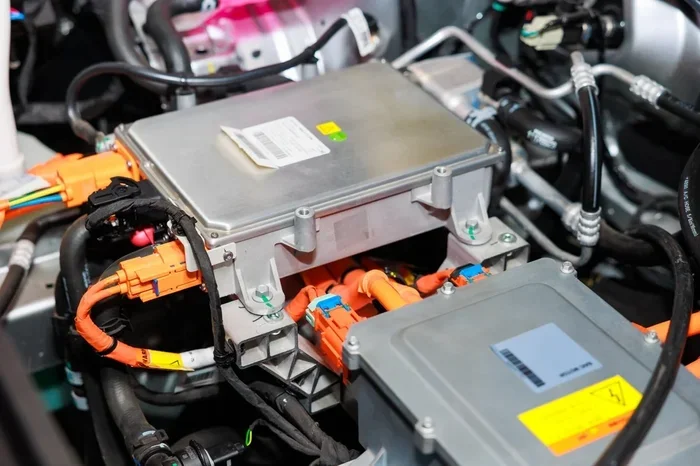
Electric and hybrid vehicles also have check engine lights, though they are less common. These cars have fewer moving parts, which means fewer things can go wrong. However, issues with the battery system, electric motor, or charging port can still trigger the light.
If you drive an electric vehicle and see the warning, the same rules apply. A solid light is usually less urgent, while a flashing light needs immediate attention.
## Final Thoughts on Driving 50 Miles With the Check Engine Light On
So, can you drive 50 miles with the check engine light on? In the majority of cases, yes. Most causes are minor and do not pose an immediate threat. But the key is to understand what triggered the light and to monitor your car closely while driving.
Do not let fear keep you from getting where you need to go. But also do not ignore the warning. A quick diagnostic scan can give you peace of mind and help you make the best decision for your situation.
The most important takeaway is this: your car is trying to tell you something. Listen to it. Address the issue promptly, and you will keep your vehicle running safely for many miles to come.
Key Takeaways
- Solid vs. Flashing Matters: A solid check engine light is often less urgent than a flashing one, which indicates active engine damage.
- Common Causes Are Often Simple: A loose gas cap, faulty oxygen sensor, or worn spark plug can trigger the light without making your car undrivable.
- Distance Is Not the Main Factor: The real question is what caused the light, not how many miles you have to go.
- Get a Diagnostic Scan: An OBD-II scanner or a free diagnostic at an auto parts store can tell you exactly what is wrong.
- Watch for Warning Signs: If you notice overheating, loss of power, or strange noises, pull over immediately.
- Ignoring the Light Can Be Costly: Small problems left unchecked can turn into expensive repairs over time.
Frequently Asked Questions
Is it safe to drive 50 miles with a solid check engine light?
In most cases, yes. A solid check engine light usually indicates a minor issue like a loose gas cap or a faulty sensor. As long as your car drives normally and shows no other warning signs, driving 50 miles should be safe. However, always get the problem diagnosed as soon as possible.
Can I drive with the check engine light flashing?
No, you should not drive with a flashing check engine light. A flashing light means the engine is misfiring, which can cause serious and expensive damage to the catalytic converter and other components. Pull over safely and arrange for a tow to a mechanic.
What is the most common cause of the check engine light?
The most common cause is a loose or faulty gas cap. Other frequent triggers include a failing oxygen sensor, worn spark plugs, a bad mass airflow sensor, or a small vacuum leak. These issues are usually inexpensive and easy to fix.
Will the check engine light go away on its own?
Sometimes it does, especially if the issue was temporary, like a loose gas cap. Once the problem is resolved, the light typically turns off after a few drive cycles. If the light stays on, you need a diagnostic scan to identify the root cause.
How much does it cost to diagnose a check engine light?
Many auto parts stores offer free diagnostic scans. If you go to a mechanic, a diagnostic fee usually ranges from $50 to $150 depending on your location and the shop. The scan itself is quick and gives you a clear starting point for repairs.
Can a low battery cause the check engine light to come on?
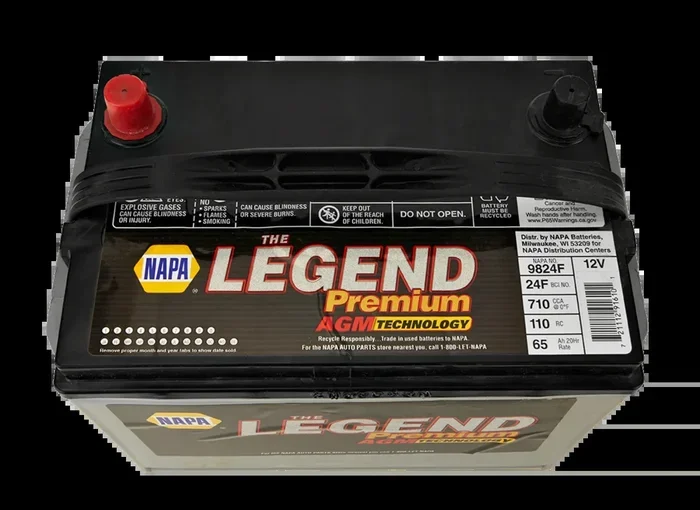
Yes, a weak or dying car battery can trigger the check engine light. Low voltage can cause erratic readings from the engine sensors. If the light comes on and your car is hard to start or the headlights are dim, the battery might be the culprit. Have it tested at any auto parts store for free.
=== CONCLUSION ===
Driving 50 miles with the check engine light on is something many car owners face at some point. The good news is that most causes are minor and manageable. A solid light usually means you can keep driving carefully while getting the issue checked. A flashing light is a different story and requires immediate action.
The best approach is simple: stay calm, assess the situation, get a diagnostic scan, and make an informed decision. Taking care of small problems early saves you time, money, and stress in the long run. Your car will thank you for it, and you will drive with confidence knowing you handled the situation the right way.