What Deactivates Cruise Control And How To Prevent It
Understanding what deactivates cruise control helps you stay safe and avoid frustrating interruptions on the road. Common causes include hitting the brake pedal, pressing the cancel button, low brake fluid, and faulty vehicle speed sensors. This guide shows you exactly how to prevent cruise control deactivation and keep your system running reliably.
You are cruising down the highway, set at a comfortable speed, and suddenly the cruise control shuts off for no obvious reason. It is incredibly frustrating. You wonder, what deactivates cruise control, and how can you stop it from happening again?
Knowing the answer to this question is more important than most drivers realize. Cruise control is a fantastic feature. It reduces fatigue on long drives, helps maintain a steady speed, and even improves fuel economy. But when it keeps cutting out, it can be annoying and even distracting.
This guide breaks down every reason cruise control might deactivate. More importantly, it shows you how to prevent those interruptions so you can enjoy a smoother, safer drive. Whether you drive an automatic or a manual, a sedan or a truck, this article covers what you need to know.
Key Takeaways
- Brake Pedal Activation: Pressing the brake pedal is the most common reason cruise control deactivates immediately.
- Cancel Button: The cruise control cancel button on the steering wheel shuts the system off with a single tap.
- Low Brake Fluid: Low brake fluid levels can trigger the system to disable cruise control as a safety measure.
- Faulty Vehicle Speed Sensor: A bad speed sensor sends incorrect data and causes the cruise control to shut down unexpectedly.
- Traction and Stability Control: When these systems activate, they override cruise control to keep the vehicle stable.
- Manual Transmission Clutch: Pressing the clutch pedal in a manual car deactivates cruise control automatically.
- Regular Maintenance: Keeping up with inspections and fluid checks prevents most cruise control deactivation issues.
📑 Table of Contents
What Deactivates Cruise Control And Why It Matters
Before we dive into the details, let us clear up exactly what happens when cruise control deactivates. The system simply releases the throttle and stops maintaining your set speed. Your car returns to normal manual driving, and you may need to reapply the gas pedal yourself.
Understanding what deactivates cruise control matters for two big reasons. First, it keeps you safe. Some deactivation triggers exist for a reason. They protect you from accidents. Second, it saves you time and frustration. If you know the common causes, you can fix them before they ruin your driving experience.
Let us explore the most common reasons your cruise control might shut off unexpectedly.
The Brake Pedal Is the Biggest Trigger
The single most common reason cruise control deactivates is the brake pedal. When you press the brake, a signal goes straight to the cruise control module. It tells the system to release the throttle immediately. This is a safety feature designed into every vehicle.
Here is something many drivers do not realize. Even a light tap on the brake pedal can cancel cruise control. You do not have to slam on the brakes. A gentle touch is enough. This is why you should always be mindful of your right foot position when cruise control is active.
Some drivers accidentally brush the brake pedal without meaning to. This happens a lot on bumpy roads or when adjusting the seat. If your cruise control keeps cutting out, check whether your foot is resting near the brake pedal. A small shift in position can make a big difference.
The Cancel Button on the Steering Wheel
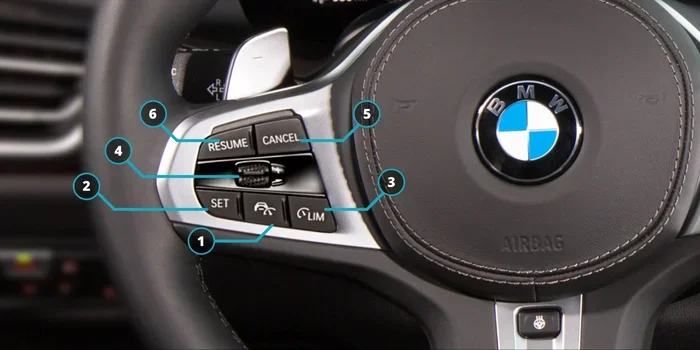
Every vehicle with cruise control has a cancel button on the steering wheel. It is usually marked with a symbol that looks like a speedometer with a line through it. Pressing this button shuts off the cruise control system without fully clearing the memory.
This is different from hitting the brake pedal. When you press the cancel button, the system remembers your last set speed. You can usually resume cruise control by pressing the resume button. This is a useful feature when you need to slow down briefly but want to return to your previous speed quickly.
However, pressing the cancel button too often can become a habit that disrupts your driving flow. Be intentional about when you use it. If you do not need to slow down, leave the cruise control alone.
Low Brake Fluid Levels
This one surprises a lot of drivers. Low brake fluid can actually deactivate your cruise control system. Most modern cars have sensors that monitor brake fluid levels. When the fluid drops below a safe threshold, the system disables cruise control to alert you to a potential problem.
Brake fluid is critical for your vehicle’s braking system. It transmits the force from your foot on the pedal to the brakes themselves. Low fluid often means a leak somewhere in the system. This is not something you should ignore. If your cruise control keeps deactivating and your brake fluid is low, get your car checked right away.
Here is a quick tip. Make it a habit to check your brake fluid level once a month. It takes only a few seconds. You can find the reservoir under the hood, usually near the back of the engine bay on the driver’s side. The fluid should be between the minimum and maximum marks on the reservoir.
Faulty Vehicle Speed Sensor
The vehicle speed sensor (VSS) tells your car how fast you are going. This information is essential for cruise control. The system relies on accurate speed data to maintain your set speed. If the sensor malfunctions, the cruise control cannot function properly.
A bad speed sensor can cause the cruise control to deactivate suddenly. You might notice other symptoms too. Your speedometer might behave erratically. The transmission might shift strangely. These are all signs that the VSS could be failing.
Replacing a vehicle speed sensor is usually not expensive. But ignoring the problem can lead to bigger issues. Your fuel economy may suffer. Your transmission might wear out faster. If you suspect a bad speed sensor, have a mechanic diagnose it as soon as possible.
Traction Control and Stability Control Interference
Modern cars come loaded with safety systems. Traction control and stability control are two of the most important. These systems work to keep your car stable, especially on slippery surfaces. But here is the catch. When they activate, they override cruise control.
If you are driving on a wet road and the wheels start to slip, traction control kicks in. It reduces engine power to regain grip. At the same time, it deactivates cruise control. This is a deliberate safety design. The system wants you to take manual control when traction is compromised.
The same thing happens with stability control. If the car detects a skid or loss of direction, it intervenes. Cruise control is one of the first things to go. This is normal and expected. However, if these systems activate constantly on dry roads, you may have a sensor problem that needs attention.
How Transmission Type Affects Cruise Control
The type of transmission your car has plays a big role in how cruise control behaves. Manual and automatic transmissions interact with cruise control in very different ways.
Manual Transmission: The Clutch Pedal Factor
If you drive a manual car, you already know the drill. Pressing the clutch pedal deactivates cruise control. This is by design. When you press the clutch, you are disengaging the engine from the wheels. The cruise control system cannot maintain speed in this state, so it shuts off automatically.
This is actually a safety feature. Imagine if cruise control stayed active while you are downshifting. The engine would rev high, and the car could lurch forward unexpectedly. The clutch pedal cancellation prevents this from happening.
For manual transmission drivers, the key is to be smooth with clutch inputs. Do not ride the clutch. Keep your foot off the clutch pedal unless you are actively shifting gears. This simple habit keeps cruise control engaged and your drives more comfortable.
Automatic Transmission: Simpler but Not Foolproof
Automatic transmission cars have fewer manual interventions, so cruise control tends to stay engaged more consistently. But that does not mean problems never happen. The same brake pedal and sensor issues apply to automatics as well.
One thing automatic drivers should watch for is the torque converter. In some vehicles, the torque converter locks up at certain speeds to improve fuel economy. If there is an issue with the torque converter, the cruise control system may deactivate as a protective measure.
Common Environmental and Road Conditions
Not all cruise control deactivation comes from mechanical or electrical issues. Sometimes the road and weather conditions are the culprits.
Driving on Hills and Steep Inclines
Cruise control works best on flat, open roads. When you hit steep hills, the system struggles. Going uphill, the engine may not have enough power to maintain the set speed. The system might deactivate or the speed might drop below the set limit.
Going downhill is another story. The car picks up speed, and the cruise control may not be able to hold the vehicle at the set speed. Some older systems simply cannot apply enough engine braking on steep descents. In these cases, it is better to take manual control and use the brakes yourself.
Many newer cars come with adaptive cruise control. These systems are smarter. They can adjust speed on hills and maintain a safe following distance. If your car has adaptive cruise control, you may notice fewer deactivation issues on hilly terrain.
Wet, Icy, or Snowy Roads
Driving on slippery surfaces is one of the most dangerous times to rely on cruise control. On ice or snow, a sudden loss of traction can cause the wheels to spin. The cruise control system responds by trying to maintain speed, which can make things worse.
Most safety experts recommend turning off cruise control when road conditions are less than ideal. Rain, snow, ice, and even wet leaves can cause deactivation through the traction control system. The safest approach is to drive manually in these conditions and stay fully engaged with the road.
Bumpy or Uneven Roads
Rough roads can also cause cruise control to deactivate. Potholes, gravel, and uneven surfaces can cause the wheels to slip momentarily. The traction control system may interpret this as a loss of grip and shut down cruise control.
If you frequently drive on rough roads, you might notice this happening often. It is not a malfunction. It is the system doing its job. But if it happens on smooth highways, something else is likely going on.
Electrical and System Faults That Cause Deactivation
Sometimes the problem is deeper than a pedal or a sensor. Electrical faults and system errors can also deactivate cruise control.
Blown Fuse or Wiring Issues
Every cruise control system has a fuse. If that fuse blows, the system loses power and shuts down. This is a simple fix. You can check your owner’s manual to locate the fuse box and identify the cruise control fuse. Replacing a blown fuse is quick and inexpensive.
However, if the fuse keeps blowing, there is a deeper wiring issue. You should not keep replacing fuses without investigating the root cause. A short circuit or damaged wire could be causing the problem.
Cruise Control Module Failure
The cruise control module is the brain of the system. It processes all the inputs from sensors, switches, and pedals. If this module fails, the entire cruise control system goes down.
Module failures are less common but more serious. Symptoms include the cruise control not engaging at all, deactivating randomly, or failing to resume after a cancel. If you suspect a module issue, a professional diagnosis is the best next step.
Dirty or Stuck Throttle Body
The throttle body controls how much air enters the engine. When cruise control is active, it adjusts the throttle to maintain speed. If the throttle body is dirty or sticking, it cannot respond properly. The system may deactivate as a result.
Cleaning the throttle body is a maintenance task many people overlook. Over time, carbon buildup can cause the throttle to stick. A simple cleaning can restore smooth operation and keep cruise control working reliably.
How To Prevent Cruise Control Deactivation
Now that you know what deactivates cruise control, let us talk about prevention. Most issues are avoidable with a little awareness and regular maintenance.
Keep Your Right Foot Away From the Brake Pedal
This sounds obvious, but it is the number one cause of accidental deactivation. When cruise control is on, rest your foot on the floor to the left of the brake pedal. Get in the habit of keeping it there. It takes a few days to build the habit, but once you do, you will notice far fewer interruptions.
Check Brake Fluid Regularly
As mentioned earlier, low brake fluid can shut down cruise control. Make it part of your routine to check the fluid level during regular car maintenance. Topping it off is easy and takes less than two minutes.
Stay On Top of Sensor Maintenance
The vehicle speed sensor, throttle position sensor, and other inputs need to work correctly for cruise control to function. Regular inspections can catch sensor issues early. Ask your mechanic to check these components during oil changes or scheduled service visits.
Keep the Throttle Body Clean
A clean throttle body responds smoothly to cruise control commands. Ask your mechanic to inspect and clean the throttle body during routine service. This simple step can prevent many cruise control issues.
Turn Off Cruise Control in Poor Conditions
Smart drivers know when to use cruise control and when to turn it off. On wet roads, icy patches, steep hills, and rough terrain, take manual control. This keeps you safer and prevents unnecessary deactivation.
Address Warning Lights Immediately
If you see a warning light on your dashboard related to the traction control, stability control, or brake system, do not ignore it. These warnings often point to issues that can also affect cruise control. Address them promptly to keep everything running smoothly.
When To See a Professional
Most cruise control issues are simple to fix. But some problems require professional attention. If you have checked the brake fluid, the fuse, and the sensors, and cruise control still does not work, it is time to see a mechanic.
Also, if the cruise control deactivates randomly and you cannot find a clear cause, a diagnostic scan can reveal hidden issues. Modern cars store error codes that point directly to the problem. A mechanic can read these codes and save you a lot of guesswork.
Do not wait too long to get help. A failing cruise control system is not just an inconvenience. It can be a safety concern. The system is designed to help you drive more safely and comfortably. When it stops working properly, you lose that benefit.
Conclusion
Now you have a clear answer to the question, what deactivates cruise control. The brake pedal, the cancel button, low brake fluid, faulty sensors, traction control interference, and clutch pedal inputs are all common culprits. Road conditions and electrical faults can also play a role.
More importantly, you now know how to prevent these issues. Keep your foot off the brake pedal, maintain your fluids, clean the throttle body, and stay aware of road conditions. These simple habits go a long way toward keeping your cruise control system working reliably.
Cruise control is a great feature that makes driving easier and more enjoyable. Treat it well, and it will treat you right. Take the time to understand your vehicle, address problems early, and enjoy every mile of the ride.
Frequently Asked Questions
Why does my cruise control keep turning off by itself?
The most common reason is an accidental touch on the brake pedal. Other causes include low brake fluid, a faulty vehicle speed sensor, or a blown fuse. Check these first before assuming a bigger problem.
Can low brake fluid cause cruise control to stop working?
Yes, absolutely. Low brake fluid triggers a safety response that disables cruise control. Check your brake fluid level if you notice frequent deactivation. Topping it off often solves the problem immediately.
Is it safe to use cruise control in the rain?
It is generally not recommended. Wet roads reduce traction, and cruise control can cause the wheels to spin if you lose grip. Turn it off on rainy or slippery surfaces and drive manually instead.
Does pressing the clutch pedal deactivate cruise control in automatic cars?
No, only manual transmission cars have a clutch pedal that interacts with cruise control. Automatic cars do not have a clutch, so this is not a concern for automatic drivers.
How do I resume cruise control after it deactivates?
Press the resume button on your steering wheel. The system will return to your last set speed. Note that the cancel button preserves the memory, while the brake pedal or emergency stop clears it entirely.
Can a bad throttle body cause cruise control problems?
Yes, a dirty or sticking throttle body can prevent cruise control from maintaining the set speed. The system may deactivate if it cannot adjust the throttle properly. Regular cleaning can prevent this issue.