What Car Brand Holds Its Value the Longest Revealed
If you want to know what car brand holds its value the longest, you’re in the right place. Toyota, Jeep, and Porsche consistently top the list for resale value. This guide breaks down the best brands for resale and explains why these vehicles lose value slower than others.
If you’re wondering what car brand holds its value the longest, you’re not alone. Car buyers today want more than just a great drive. They want a vehicle that stays worth money. Resale value is a big deal. It affects how much you pay upfront and how much you get back when you sell. In this guide, we reveal the brands that win the car value retention race. We also look at why they win and how you can make the smart choice.
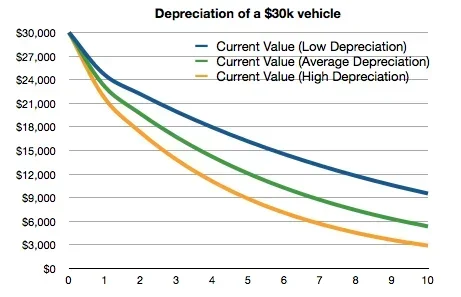
Depreciation is the silent killer of your car budget. Most cars lose 20% of their value the moment you drive off the lot. Over five years, a typical sedan might lose half its price. But some brands barely blink. They hold their resale value like a vault. We’ll show you which best brands for resale make the cut. You’ll learn the factors that slow down car depreciation. By the end, you’ll know exactly how to spot a vehicle that holds its value.
Key Takeaways
- Toyota leads the pack: Models like the Tacoma and 4Runner are famous for their incredible car value retention.
- Jeep Wrangler is a legend: Its strong resale is driven by loyal fans and limited competition.
- Porsche defies luxury depreciation: Even high-end sports cars can hold value better than many sedans.
- Demand drives prices: Popular body styles like trucks and SUVs often lose value slower than sedans.
- Maintenance matters: A clean service record can boost your resale value significantly.
- Certified pre-owned is smart: Buying a certified pre-owned vehicle reduces the initial depreciation hit.
📑 Table of Contents
Why Do Some Car Brands Hold Their Value So Well?
The Hidden Cost of Depreciation
Every car owner faces vehicle depreciation. It’s the drop in price over time. A new car is a depreciating asset. But the rate varies wildly. A car depreciation rate depends on many things. Brand reputation plays a huge role. Reliability keeps cars on the road longer. That makes them popular on the resale market. High demand means buyers compete for used models. This pushes prices up. Low demand has the opposite effect.
What Makes a Brand Stand Out?
Some brands build trust over decades. They focus on durability. They use proven technology. These brands rarely chase every trend. Instead, they refine what works. This creates a loyal customer base. When it’s time to sell, buyers seek these names. They know the car will run. They know parts are easy to find. That trust translates directly into automotive value retention. A strong brand identity is a shield against steep drops in price.
What Car Brand Holds Its Value the Longest? The Top Contenders
So, what car brand holds its value the longest? The answer isn’t a single name. It’s a mix of brands that dominate different segments. Trucks, SUVs, and even sports cars can hold value. Here are the champions of car value retention.
Toyota: The Undisputed King
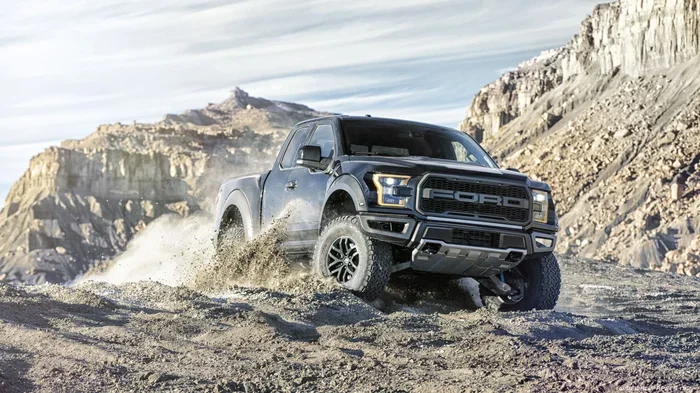
Toyota is the gold standard for resale value. The Tacoma pickup truck is a legend. It often loses less than 30% of its value in five years. The 4Runner SUV does the same. These models are simple, tough, and reliable. Buyers know a Toyota will last. The Toyota resale numbers speak for themselves. The brand regularly wins awards for lowest depreciation.
Jeep: The Rugged Survivor
The Jeep Wrangler holds value like almost no other SUV. Its boxy design and off-road fame create a cult following. Supply often can’t meet demand. This keeps prices high on the used market. The Wrangler’s Jeep Wrangler value retention is remarkable. Even older models fetch strong prices. It’s a rare case where a vehicle’s quirks boost its resale value.
Porsche: Luxury That Doesn’t Depress
Most luxury car depreciation is steep. Porsche breaks that rule. The brand’s sports cars, like the 911, often hold value better than many economy cars. Limited production and high demand create a waiting list. Used Porsche models can depreciate only 10-15% over five years. This Porsche holding value story surprises many buyers. It proves that brand cachet and engineering can beat the odds.
Honda and Subaru: The Reliable Duo
Honda and Subaru also rank high in best car brands for resale. Honda’s Civic and Accord are compact cars that age well. Subaru’s all-wheel-drive system is a huge selling point. Their vehicles are safe and practical. This drives strong Subaru retention rates. Both brands enjoy a reputation for longevity. That reputation feeds a steady used-car market.
Comparison Table: 5-Year Depreciation by Brand
| Brand | Model Example | Avg. 5-Year Depreciation | Segment |
|---|---|---|---|
| Toyota | Tacoma | ~28% | Truck |
| Jeep | Wrangler | ~30% | SUV |
| Porsche | 911 | ~15% | Sports Car |
| Honda | Civic | ~35% | Compact Car |
| Subaru | Outback | ~35% | Wagon/SUV |
| Ram | 1500 | ~38% | Truck |
| BMW | 3 Series | ~45% | Luxury Sedan |
As you can see, the best brands for resale span different price ranges. It’s not just about luxury. It’s about trust and demand.
Quick Tips for Buying a Value-Holding Car
- Pick a popular color: White, black, and silver sell fastest.
- Avoid flashy modifications: They narrow your buyer pool.
- Stay on top of service: Keep every receipt in a folder.
- Choose the right trim: Base models often depreciate slower than high-trim versions.
- Consider certified pre-owned: You get a warranty and a lower price.
Factors That Affect Vehicle Depreciation
Not all cars lose value at the same speed. Understanding the depreciation curve helps you make smarter choices. Several key factors control how fast a car drops in price.
Mileage and Wear
High mileage is the biggest enemy of car value retention. Buyers assume more miles mean more wear. A car with 150,000 miles will always be worth less than one with 60,000. However, a well-maintained high-mileage vehicle can still beat a neglected low-mileage one. Regular oil changes and gentle driving slow the clock.
Condition and Maintenance
A clean, accident-free car commands a premium. Resale value soars when a vehicle has a clean title. Dents, scratches, and interior stains add up. They tell a story of neglect. On the flip side, a full service history proves you cared for the machine. This gives buyers confidence. It directly fights luxury car depreciation too.
Market Demand and Trends
The automotive market shifts constantly. Fuel prices, new regulations, and trends all play a role. When gas is expensive, fuel-efficient compact car depreciation slows. When trucks are popular, their truck depreciation rate drops. Right now, SUVs and trucks hold value better than sedans. The resale market rewards what people want today.
New Model Releases
When a brand launches a new model, the older version loses value fast. This is called model-year depreciation. Buyers flock to the latest tech and styling. The previous year’s model becomes yesterday’s news. Smart shoppers buy a one-year-old car to avoid the steepest drop.
Common Mistakes That Kill Your Car’s Value
- Skipping scheduled maintenance: It signals future problems to buyers.
- Ignoring small repairs: A tiny leak can become a major repair.
- Overloading with aftermarket parts: Some buyers want stock vehicles.
- Smoking or pet damage inside: Odors are a huge turnoff.
- Ignoring recall notices: Unfixed recalls scare buyers away.
Luxury vs. Economy: Which Holds Value Better?
Many people assume luxury brands hold value best. The truth is more nuanced. Luxury car depreciation is usually harsh. A brand-new Mercedes-Benz might lose 50% of its value in five years. But there are exceptions. Porsche proves that a luxury sports car can hold value better than a family sedan. The key is exclusivity and engineering. Brands with low production numbers and high demand win. They create a luxury brands that hold value niche.
On the economy side, economy cars that hold value are all about reliability. A Toyota Corolla won’t wow you with speed. But it will run forever. That long life creates a used market full of eager buyers. The best car brands for resale often sit in the middle. They offer quality without the luxury tax. Brands like Honda and Mazda fit this perfectly.
Expert Insights: What the Analysts Say
Industry analysts look at data over decades. They measure the depreciation rate across thousands of transactions. Their top tip is simple. “Buy the most popular version of the most reliable brand,” says one automotive researcher. “Avoid the frills. Stick to proven engines and transmissions.” This advice holds true for both SUV and truck buyers. The automotive value retention secret is boring on purpose. It’s about consistency, not flash.
How to Buy a Car That Holds Its Value
You don’t have to guess. You can follow a clear plan to minimize loss. Whether you buy new or used, these steps protect your investment.
Step 1: Research the Depreciation Curve
Before you visit a dealer, check the numbers. Use a car depreciation calculator. Websites show how specific models lose value year by year. You’ll see which car brands that hold value are trending up. This knowledge puts you in control.
Step 2: Choose the Right Body Style
Trucks and SUVs hold value better than sedans. Convertibles depreciate faster. Wagons are niche but loyal. Pick the body style that matches the resale market demand in your area. If you live in a snowy region, an all-wheel-drive crossover is a smart pick.
Step 3: Buy Certified Pre-Owned
A certified pre-owned vehicle is a used car with a warranty. It has passed a rigorous inspection. You get peace of mind and a slower start on the depreciation curve. The original owner absorbed the first big hit. You enjoy the benefits without the steepest drop.
Step 4: Keep It Clean and Stock
When you own the car, protect its value. Wash it regularly. Fix small issues fast. Avoid loud customizations. A clean, stock vehicle appeals to the widest range of buyers. This is the best way to ensure a strong car value retention when you’re ready to sell.
Key Takeaways for Smart Buyers
- Research before you buy: Know the depreciation rate of your target model.
- Prioritize reliability: Brands like Toyota and Honda are safe bets.
- Consider certified pre-owned: It’s the sweet spot between new and used.
- Maintain meticulously: A full service history is your best asset.
- Stay neutral on colors: Classic shades sell faster and for more money.
Conclusion: The Final Word on Long-Lasting Car Value
The search for what car brand holds its value the longest ends with a clear winner: Toyota. But it doesn’t stop there. Jeep, Porsche, Honda, and Subaru all prove that smart engineering and brand loyalty beat the odds. Car depreciation is inevitable, but it doesn’t have to be devastating. By choosing a vehicle that holds its value and caring for it properly, you keep more money in your pocket.
Remember, the best brands for resale are the ones that focus on you, the driver. They deliver reliability, safety, and timeless design. They don’t chase every trend. Instead, they build cars people trust. That trust creates a resale market that works in your favor. Start your search with these principles. You’ll drive off in a car that not only serves you today but also protects your wallet for tomorrow.
Frequently Asked Questions
Which car brand depreciates the slowest?
Toyota is widely considered the brand with the slowest car depreciation rate. Models like the Tacoma and 4Runner consistently top the resale value charts. Their reliability and strong demand keep them valuable for years.
Is it better to buy a car that holds its value?
Yes, buying a vehicle that holds its value saves you money in the long run. You lose less money when you sell or trade it in. It also means you can afford a higher-quality car for the same upfront cost.
Do luxury brands ever hold value well?
Most luxury brands suffer from steep luxury car depreciation. However, a few exceptions like Porsche hold value remarkably well. Exclusivity, low production numbers, and high demand create this rare luxury brands that hold value effect.
How can I check a car’s depreciation rate?
You can use online car depreciation calculators from sites like Kelley Blue Book or Edmunds. Enter the make, model, and year. The tool shows the estimated depreciation curve and resale value over time.
Does buying certified pre-owned really help with value?
Absolutely. A certified pre-owned vehicle has already taken the biggest depreciation hit. You also get a warranty and a thorough inspection. This reduces risk and often means a better automotive value retention for your ownership period.
What color car holds its value best?
Neutral colors like white, black, and silver are the safest choices. They appeal to the widest range of buyers on the resale market. Bold or niche colors can limit your pool of potential buyers and lower the final price.