The Importance of the Windshield You Should Never Ignore
The importance of the windshield goes far beyond keeping wind and debris out of your car. Your windshield is a critical safety component that provides vehicle structural support, enables proper airbag deployment, and ensures clear driving visibility. Understanding why your windshield matters helps you make smarter decisions about repair, maintenance, and replacement.
The importance of the windshield goes far beyond keeping bugs and wind out of your car. Your windshield is a critical safety component that works hard every time you drive. It supports your vehicle’s structure, helps airbags deploy correctly, and gives you the clear view you need to stay safe on the road. Yet most drivers take their windshield for granted until something goes wrong.
When was the last time you really thought about your windshield? If you are like most people, the answer is probably “when I noticed a chip or crack.” The truth is that your windshield plays a much bigger role in your safety than most drivers realize. Understanding the importance of the windshield can change the way you think about car maintenance forever.
In this article, we will cover everything you need to know about why your windshield matters so much. We will explore its role in vehicle safety, how damage affects performance, and what you can do to keep your windshield in great shape. By the end, you will understand why this piece of auto glass deserves far more attention than it usually gets.
Key Takeaways
- Your windshield is a structural safety component: It supports the roof during rollover crashes and helps maintain the cabin’s integrity.
- Windshield damage spreads fast: Small chips can turn into large cracks quickly, especially with temperature changes and road vibrations.
- Airbag deployment depends on intact glass: A cracked windshield can change how airbags function during a collision, reducing their effectiveness.
- Repair is cheaper and faster than replacement: Fixing a chip early can save you hundreds of dollars and keep your original glass intact.
- Regular maintenance extends windshield life: Proper cleaning, timely wiper replacement, and smart parking habits protect your auto glass.
- Most insurance covers windshield repair: Full-coverage auto insurance policies typically include glass repair with no deductible.
- Never ignore small damage: Even a tiny chip can compromise your safety and lead to costly windshield replacement down the road.
📑 Table of Contents
- What Does Your Windshield Actually Do?
- Why Windshield Damage Is More Serious Than You Think
- How the Windshield Supports Your Safety
- Signs Your Windshield Needs Immediate Attention
- Windshield Maintenance Tips for Long-Term Protection
- When to Choose Windshield Repair vs. Windshield Replacement
- Common Mistakes Drivers Make With Their Windshield
- Expert Insights: What Professionals Want You to Know
- Conclusion
What Does Your Windshield Actually Do?
Most drivers never think about their windshield until something goes wrong. But this piece of auto glass performs several critical functions every single time you drive. Let us break down exactly what your windshield does and why it deserves more attention.
Structural Support and Roof Integrity
Your windshield is not just a flat piece of glass sitting in the frame. It is a load-bearing component of your car’s structure. During a rollover accident, the windshield helps prevent the roof from collapsing into the passenger cabin. This is called structural integrity, and it can be the difference between a minor injury and a life-threatening one.
Modern vehicles are designed with the windshield playing a key role in crash dynamics. Engineers account for how the glass absorbs and distributes force during impact. When your windshield is cracked or weakened, it loses this ability. That is why even a small windshield chip should never be ignored. Every crack reduces the vehicle structural support your car can offer in an accident.
Think of your windshield as a backbone for your car’s cabin. Remove or weaken that backbone, and the entire structure becomes vulnerable. This is one of the most important reasons why the importance of the windshield cannot be overstated.
Clear Visibility for Safe Driving
You need a clear view of the road to drive safely. Your windshield gives you a wide, unobstructed view of traffic, pedestrians, road signs, and potential hazards. When the glass is damaged, visibility while driving drops significantly.
Even a tiny crack can refract sunlight and create dangerous glare. Rain and snow do not bead off damaged glass the same way they do on smooth surfaces. This means your weather protection is compromised when the windshield is not in good condition. Fog and condensation also settle more easily on damaged glass, further reducing your view.
Your windshield wiper system works best on smooth, intact glass. Wipers can actually make chips and cracks worse by catching on damaged edges. This creates a cycle of worsening damage that can quickly turn a minor issue into a major safety problem.
Airbag Deployment Assistance
Here is something most drivers do not know. Your windshield helps your airbags deploy in the right direction. During a front-end collision, the passenger-side airbag bounces off the windshield to cushion the occupant. If the windshield is cracked or weakened, it may shatter on impact. This changes how the airbag functions and can reduce its effectiveness dramatically.
The importance of the windshield in airbag deployment is one of the most overlooked safety facts. A cracked windshield can turn a life-saving feature into a potential hazard. This is why maintaining windshield integrity is so important for every driver and passenger in the vehicle.
Why Windshield Damage Is More Serious Than You Think
A small rock chip might seem harmless. You might even put off fixing it because it does not bother your view. But windshield damage spreads fast, and the consequences can be serious if left unaddressed.
How Chips and Cracks Spread
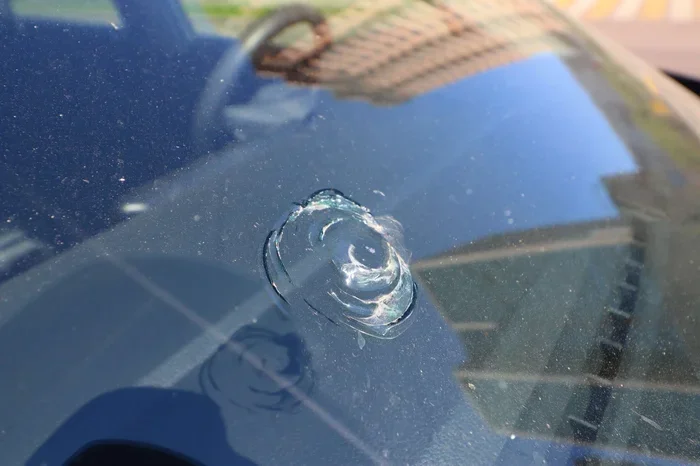
Every time you drive over a bump, the stress on a damaged area increases. Temperature changes cause the glass to expand and contract. Over time, a small windshield chip turns into a long crack. What started as a $50 repair can become a $300 or more replacement job.
Once a crack reaches the edge of the windshield, the entire piece of auto glass becomes compromised. The windshield seal can also be affected, allowing moisture to seep into the cabin. This leads to mold, foggy windows, and potential electrical issues with sensors and cameras mounted near the glass.
Here is a simple way to think about it. A small chip is like a tiny hole in a boat. At first, it seems harmless. But over time, water gets in and the problem grows. The same thing happens with windshield damage. The longer you wait, the worse it gets.
The Risk of Complete Windshield Failure
A severely cracked windshield can shatter unexpectedly. This is especially dangerous at high speeds or during a collision. A cracked windshield loses its ability to hold together, which means it cannot protect you the way it was designed to.
Windshield integrity is essential for your safety. When the glass is damaged, the entire car protection system is weakened. You are exposed to outside elements, and the cabin structure is less rigid. In a serious accident, this can mean the difference between walking away and suffering severe injuries.
How the Windshield Supports Your Safety
The importance of the windshield for road safety goes beyond just seeing the road clearly. Your windshield is an active safety feature built into your vehicle’s design. It works alongside seatbelts, airbags, and crumple zones to protect you during a crash.
Rollover Protection
In a rollover accident, the windshield acts as a support beam. It helps keep the cabin intact and prevents the roof from caving in. Studies show that vehicles with intact windshields have significantly better survival rates in rollover crashes. This is because the windshield absorbs and distributes the force of the impact across a wider area.
This is why windshield replacement should always be done by certified professionals. A poorly installed windshield will not provide the same level of vehicle structural support. The bonding process matters just as much as the glass itself. Using the right adhesive and proper installation techniques ensures that your windshield performs as designed during a crash.
Ejection Prevention
Your windshield helps keep passengers inside the vehicle during a crash. Ejection from the vehicle is one of the leading causes of fatal accidents. The safety glass in your windshield is designed to hold together even when broken, reducing the risk of passengers being thrown from the car.
Safety glass is made through a special process called lamination. Two layers of glass are bonded together with a layer of polyvinyl butyral (PVB) in between. This inner layer holds the glass together even when it cracks. It is this design that makes modern windshields so effective at protecting occupants during collisions.
UV Protection for You and Your Passengers
Modern windshields come with a built-in UV coating. This protects your skin and eyes from harmful sun rays. It also keeps the interior of your car from fading and cracking. When the windshield is damaged, this UV protection is reduced.
Good UV protection is another reason why maintaining your windshield matters. It is not just about structural safety. It is about long-term health and comfort inside your vehicle. Prolonged UV exposure can cause skin damage over time, and your windshield is one of your best defenses against it.
Signs Your Windshield Needs Immediate Attention
Not all windshield damage is obvious. Some issues develop slowly over time. Here are the signs that your windshield needs professional attention right away.
Visible Cracks and Chips
This one seems obvious, but many drivers ignore small chips. If you see any cracks or chips, get them inspected. Even a chip the size of a dime can spread quickly, especially in cold weather or on rough roads. The longer you wait, the more expensive the fix becomes.
Water Leaks Inside the Car
If you notice water dripping inside your car during rain, your windshield seal may be failing. A broken seal allows moisture into the cabin. This can damage your interior, create mold problems, and even affect electronic components near the windshield frame.
Wind Noise While Driving
Excessive wind noise at highway speeds can indicate a gap between the windshield and the frame. This happens when the seal deteriorates over time. It is not just annoying. It also reduces your driving visibility by letting rain and debris hit the glass directly. It can also make your car less fuel-efficient by disrupting aerodynamics.
Distorted or Wavy Vision
If your view through the windshield looks wavy or distorted, the glass may be warped. This can happen after extreme temperature changes or after a minor impact. Distorted vision is dangerous and should be checked immediately by a professional. Driving with warped glass strains your eyes and increases fatigue on long trips.
Hazing or Cloudy Spots
Over time, windshields can develop a hazy film that does not come off with regular cleaning. This is often caused by UV degradation of the glass and the PVB layer. When hazing becomes severe, it scatters light and reduces clarity. At that point, windshield replacement may be the only solution to restore clear driving visibility.
Windshield Maintenance Tips for Long-Term Protection
Taking care of your windshield can extend its life and keep you safe on the road. Here are some simple tips every driver should follow to protect their auto glass.
Clean Your Windshield Properly
Use a microfiber cloth and a glass-safe cleaner. Avoid harsh chemicals that can damage the tint and the seal around the edges. Clean both the inside and outside of the windshield regularly. Oils from your car’s dashboard can build up on the inside and cause glare at night, reducing your driving visibility.
For a deep clean, use a mixture of white vinegar and water. This natural solution cuts through grime without leaving streaks. Clean your windshield at least once a week, and more often if you drive in dusty or rainy conditions.
Replace Your Windshield Wipers Regularly
Worn wipers can scratch your windshield. Replace them every six to twelve months. If you notice streaking, squeaking, or skipping, it is time for new wipers. Clean wipers protect your auto glass and improve driving visibility significantly.
Never run your wipers on a dry windshield. This creates friction that can scratch the glass. Always use washer fluid when wiping. Keep your washer fluid reservoir full, especially before long trips or during rainy seasons.
Park Smart
Avoid parking under trees where branches can fall. Park away from construction zones where debris is common. In hot weather, try to park in the shade. Temperature extremes put stress on your windshield and can cause existing chips to spread rapidly.
In winter, avoid pouring hot water on a frozen windshield. The sudden temperature change can cause the glass to crack. Instead, use your car’s defroster and let it warm up gradually. These small habits can add years to the life of your windshield.
Address Damage Immediately
Do not wait to fix a chip or crack. The longer you wait, the worse it gets. Early windshield repair saves money and keeps you safe. Many repair shops can fix a chip in under 30 minutes, and the cost is often covered by your auto insurance policy.
Quick Tips for Windshield Care
- Tip 1: Fix chips within 48 hours to prevent them from spreading.
- Tip 2: Use a sunshade to reduce temperature stress on the glass during hot weather.
- Tip 3: Avoid slamming car doors, which creates vibration stress on the windshield.
- Tip 4: Keep your windshield washer fluid full for better cleaning and protection.
- Tip 5: Choose a certified, reputable shop for any windshield replacement work.
- Tip 6: Inspect your windshield regularly for small chips, especially after long road trips.
- Tip 7: Avoid following large trucks too closely, as they can kick up rocks that chip your glass.
When to Choose Windshield Repair vs. Windshield Replacement
Not every damaged windshield needs to be replaced. Sometimes a simple repair is enough. Knowing the difference can save you time and money while keeping you safe.
When Repair Is Enough
A chip repair works well when the damage is small and away from the edges of the glass. If the crack is under three inches long and does not block your view, repair is usually the best option. Repair is also faster and cheaper. Most insurance plans cover windshield repair at no cost to you. It is a quick fix that restores much of the strength of the glass.
Professional repair involves injecting a clear resin into the damaged area. The resin fills the chip or crack and bonds with the glass. Once cured, it restores the structural integrity of the glass and prevents the damage from spreading. It is an effective solution for minor damage that is caught early.
When Replacement Is Necessary
Replacement becomes necessary when the crack is long, deep, or located at the edge of the windshield. If the damage is in the driver’s direct line of sight, replacement is the safer choice. A crack that spreads across multiple areas of the glass also requires full replacement.
A cracked windshield that has spread across the surface cannot be reliably repaired. In these cases, windshield replacement restores the full structural integrity of your vehicle. Always choose a shop that uses OEM-quality glass and proper installation techniques to ensure your safety.
| Factor | Repair | Replacement |
|---|---|---|
| Damage Size | Under 3 inches | Over 3 inches or spreading |
| Location of Damage | Away from edges | At the edge or in driver’s line of sight |
| Cost | Lower ($50 to $150) | Higher ($200 to $500+) |
| Time Required | About 30 minutes | One to two hours |
| Insurance Coverage | Usually covered | Usually covered |
| Safety Restoration | Partial | Full |
| Glass Quality | Original glass preserved | New OEM or aftermarket glass |
Always consult a professional to determine the best option for your situation. They can assess the damage and recommend the right solution based on the size, location, and severity of the damage.
Common Mistakes Drivers Make With Their Windshield
Many drivers make mistakes that shorten the life of their windshield. Here are the most common ones to avoid so you can keep your auto glass in great shape.
Ignoring Small Chips
The biggest mistake is ignoring small chips. Drivers think they can just live with them. But chips spread fast, especially with temperature changes and road vibrations. What starts as a minor issue becomes a major safety problem that requires full windshield replacement. Fixing a chip early is one of the easiest ways to avoid expensive repairs later.
Using Harsh Cleaning Products
Some drivers use household cleaners on their windshield. Ammonia-based products can damage the tint and the seal around the edges. Stick to products designed for auto glass. These are formulated to clean effectively without harming the glass or the windshield seal that keeps it securely in place.
Delaying Replacement
When a windshield needs replacement, delaying the job is risky. A compromised windshield is a safety hazard. It is not worth saving a few dollars by putting it off. The longer you drive with a damaged windshield, the more vulnerable you are in a collision.
Choosing the Wrong Repair Shop
Not all shops are created equal. A poorly installed windshield can leak, rattle, and fail in a crash. Always choose a certified technician with good reviews and proper equipment. Look for shops that use OEM-quality glass and follow manufacturer installation guidelines. Your safety depends on the quality of the work.
Expert Insights: What Professionals Want You to Know
We spoke with several auto glass professionals to get their top advice for drivers. Here is what they had to say about the importance of the windshield and how to keep yours in great shape.
“The biggest thing I tell my customers is that a small chip today can become a cracked windshield tomorrow. Do not wait. Get it fixed early, and it will save you money and keep you safe on the road.”
Mark T., Certified Auto Glass Technician with 15 years of experience
“Many people do not realize their windshield is a structural part of the car. It is not just a window. When it is damaged, the whole vehicle is less safe. Always address damage promptly and choose a qualified installer for any replacement work.”
Sarah L., Auto Safety Specialist
“If your insurance covers the repair or replacement, take advantage of it. Most full-coverage policies include glass repair with no deductible. It costs you nothing and could save your life in a serious accident.”
James R., Insurance Advisor
“I see way too many people driving around with cracked windshields that should have been replaced months ago. It is not just a cosmetic issue. It is a safety issue that affects how your car protects you in a crash.”
David K., Master Auto Glass Technician
Conclusion
The importance of the windshield goes far beyond keeping bugs and wind out of your car. It is a critical safety component that protects you in crashes, supports your vehicle’s structure, and gives you the visibility you need to drive safely. Every time you get behind the wheel, your windshield is working to keep you and your passengers protected.
Taking care of your windshield is one of the simplest things you can do for your safety. Fix chips quickly. Replace damaged glass without delay. Keep your seals and wipers in good shape. These small actions add up to big protection over time. Your windshield is your first line of defense on the road, and it deserves the same attention you give to other safety features in your car.
Do not wait until a small chip becomes a serious problem. Stay proactive about your auto glass maintenance. Check your windshield regularly, address damage immediately, and choose trusted professionals for any repair or windshield replacement. Your safety depends on it, and a little prevention goes a long way.
Remember, the importance of the windshield extends to every trip you take. Whether you are driving to work, running errands, or taking a long road trip, your windshield is there protecting you. Give it the care and attention it deserves, and it will keep doing its job for years to come.
Frequently Asked Questions
Can I drive with a cracked windshield?
It is not recommended. Even a small crack can weaken the structural integrity of your windshield and reduce its ability to protect you in a crash. Cracks also obstruct your view and can spread quickly. Have your windshield inspected by a professional as soon as you notice any damage.
How long does a windshield repair take?
Most windshield repairs take about 30 minutes or less. The technician cleans the damaged area, injects a clear resin, and cures it with a special light. You can usually drive your car immediately after the repair is complete.
Does auto insurance cover windshield replacement?
Most full-coverage auto insurance policies include glass repair and replacement with no deductible. Check with your insurance provider to confirm your specific coverage. Many shops also offer direct billing to your insurance company, making the process quick and easy.
How long does a windshield replacement take?
A professional windshield replacement typically takes one to two hours. However, you should wait at least one hour before driving to allow the adhesive to set properly. The technician will advise you on the exact curing time for your specific vehicle and adhesive type.
Can a chipped windshield be repaired?
Yes, in most cases. Small chips that are under three inches and away from the edges of the glass can usually be repaired. The repair restores much of the structural strength and prevents the chip from spreading into a larger crack.
How often should I replace my windshield wipers?
You should replace your windshield wipers every six to twelve months. If you notice streaking, squeaking, or skipping during use, it is time for new wipers. Fresh wipers protect your windshield from scratches and improve your driving visibility in all weather conditions.