How to Become a Certified Tesla Powerwall Installer
Becoming a certified Tesla Powerwall installer opens doors to a booming career in renewable energy. You need electrical experience, Tesla-specific training, and hands-on certification to get started. This guide walks you through every step from prerequisites to job opportunities.
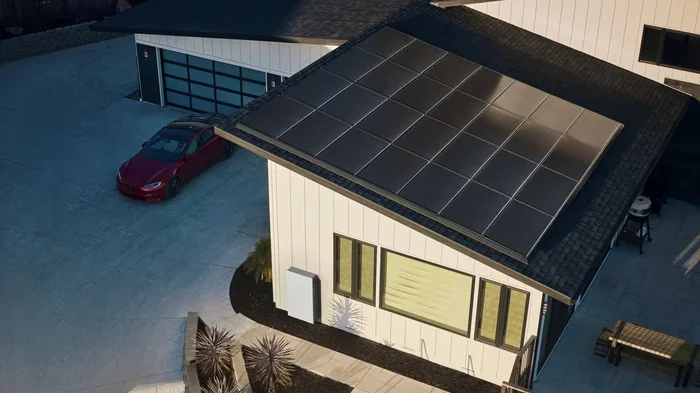
The solar energy industry is growing fast. Homeowners want backup power. They want energy independence. The Tesla Powerwall sits at the center of this shift. It stores solar energy for use at night. It keeps lights on during outages. And it reduces reliance on the grid.
But here is the thing. You cannot just slap a Powerwall on a wall and call it done. Installation requires technical skill. It demands electrical knowledge. It requires proper training and certification. If you have been wondering how to become a certified Tesla Powerwall installer, you are in the right place. This guide covers everything you need to know. From prerequisites to the actual certification process. From tools to career prospects. Let us dive in.
## What Is a Tesla Powerwall and Why Does Installation Matter?
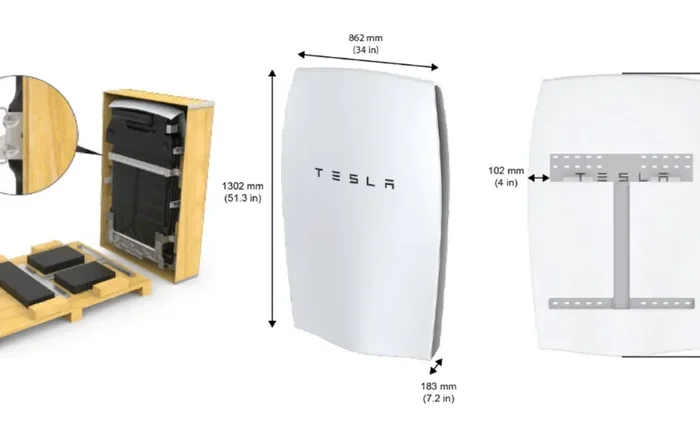
The Tesla Powerwall is a rechargeable lithium-ion battery. It is designed for home energy storage. It pairs with solar panels or draws power from the grid. The stored energy kicks in when you need it most. During peak hours. During blackouts. Or at night when the sun is down.
The Powerwall 3 is the latest model. It offers higher capacity and improved efficiency. It features built-in inverter technology. This simplifies the installation process. But simpler does not mean easy. Electrical work is involved. High-voltage systems are involved. Safety is non-negotiable.
### Why Certification Exists
Tesla requires certified installers for good reason. Improper installation can cause fires. It can damage the battery. It can void warranties. It can put lives at risk. Certification ensures that every installer meets Tesla’s safety and technical standards. It protects the homeowner. It protects the brand. And it protects you as the installer.
Think about it this way. Would you trust an unlicensed person to rewire your house? Probably not. The same logic applies here. A certified Tesla Powerwall installer knows the ins and outs of the system. They understand electrical codes. They follow proper procedures. And they deliver safe, reliable installations.
## Prerequisites and Training Requirements
Before you jump into Tesla certification, you need a foundation. Not everyone can walk into the program cold. There are prerequisites. There are skills you should already have.
### Educational Background
Most installers start with a high school diploma or equivalent. But many pursue further education. Trade schools offer electrical programs. Community colleges provide certificate courses. These programs cover wiring, circuits, and electrical theory. They give you a solid base to build on.
### Electrical License and Experience
This is the big one. In most U.S. states, you need a valid electrical license to install Powerwall systems. The requirements vary by state. Some states require a journeyman electrician license. Others accept a master electrician license. Either way, you need formal training and supervised hours.
Here is a quick look at common prerequisites:
- A state-issued electrical license
- Minimum of 2,000 hours of electrical work experience
- Familiarity with solar panel systems
- Knowledge of local building codes and electrical codes
- Basic understanding of inverter systems, similar to how a 12V to 230V car inverter converts power, but at a much larger scale
### Helpful Certifications to Have
You do not need these to start. But they help a lot. The North American Board of Certified Energy Practitioners (NABCEP) offers a respected solar installation certification. The Electrical Training Alliance provides industry-recognized credentials. Having these on your resume shows commitment. It shows you are serious about this career path.
## The Tesla Certification Process Step by Step
Now let us get into the actual process. How do you become a certified Tesla Powerwall installer? It is not one single step. It is a journey with multiple stages.
### Step 1: Apply Through Tesla Energy
Start by visiting the Tesla Energy website. Look for the installer program or contact Tesla directly. They have a partner network of certified installers. You can apply to join this network. The application asks about your experience. It asks about your licensing. It asks about your background in electrical work.
Be honest. If you lack experience, gain some first. Tesla looks for candidates who already understand electrical systems. They want people who can hit the ground running.
### Step 2: Complete Tesla’s Online Training
Once accepted, you get access to Tesla’s training portal. This is an online program. It covers the Powerwall system in detail. You learn about hardware components. You learn about software settings. You study system design and sizing. You go through safety protocols.
The training includes video modules. It includes quizzes. It includes interactive simulations. You work through each section at your own pace. Most people finish the online portion in a few weeks.
### Step 3: Pass the Hands-On Assessment
This is where it gets real. Tesla requires a hands-on assessment. You must demonstrate your ability to install a Powerwall correctly. This is not a written test. It is a practical evaluation.
You will be asked to:
- Mount the Powerwall unit securely
- Connect the electrical wiring properly
- Configure the system settings using the Tesla app
- Verify the system is functioning correctly
- Follow all safety guidelines during the process
An evaluator watches and scores your work. You must pass all sections to earn your certification. If you do not pass the first time, you can retake the assessment. But preparation is key.
### Step 4: Maintain Your Certification
Certification is not a one-and-done deal. Tesla requires ongoing education. You may need to complete refresher courses. You must stay updated on new models and software updates. The Powerwall 3, for example, introduced new features. Certified installers need to know these updates.
Think of it like keeping a driver’s license. You need to stay current. Tesla provides resources for this. Use them. Stay sharp. Keep your skills fresh.
## Tools and Equipment You Will Need
Every installer needs the right tools. You cannot do the job properly without them. Here is what you will typically need:
- Electrical testing equipment: Multimeter, voltage tester, and clamp meter
- Mounting hardware: Tesla provides specific mounting brackets for the Powerwall
- Wiring tools: Wire strippers, crimpers, and torque wrench
- Safety gear: Insulated gloves, safety glasses, and hard hat
- Ladder or lift equipment: The Powerwall is heavy and must be mounted at the right height
- Laptop or tablet: For configuring system settings and using the Tesla app
### Understanding the Electrical Connections
The Powerwall connects to your home’s electrical panel. It also connects to solar panels if you have them. The wiring can be complex. You need to understand how circuits work. You need to know how to size conductors properly.
Some people compare the electrical connections to how a 12V car socket to 3 pin adapter converts and routes power. The concept is similar. You are converting and directing electrical current safely. But at a much larger scale and with higher stakes.
### Workspace Requirements
You also need a proper workspace. The Powerwall is heavy. It weighs around 250 pounds. You need a clean, organized area to prep components. You need storage for parts and tools. A professional setup inspires confidence and ensures quality work.
## Career Opportunities and Earnings Potential
So what does this certification actually get you? Let us talk about the career side of things.
### Job Roles Available
With a Tesla Powerwall certification, you can pursue several roles:
- Tesla Energy Installer: Work directly with Tesla or a Tesla-certified partner company
- Solar Installer: Many solar companies install Powerwall systems alongside panels
- Independent Contractor: Run your own installation business
- Energy Consultant: Advise homeowners on battery storage solutions
- Service Technician: Maintain and troubleshoot existing Powerwall systems
### How Much Can You Earn?
Certified Powerwall installers earn competitive wages. Entry-level installers typically make between $50,000 and $65,000 per year. Experienced installers with multiple certifications can earn $80,000 or more. Independent contractors can earn even more, depending on their client base and project volume.
The demand for solar battery installers is rising. More homeowners are investing in energy storage. Government incentives make solar and battery systems more affordable. This trend is not slowing down anytime soon.
### Building Your Reputation
Certification is just the beginning. Your reputation matters. Happy customers refer you to friends and neighbors. Positive reviews build trust. Quality installations lead to repeat business. Over time, you can build a strong name in your local renewable energy market.
## Common Mistakes to Avoid
Every new installer makes mistakes. The key is learning from them. Here are common pitfalls to watch out for:
### Skipping the Training
Some people think they can learn on the job alone. That is a risky approach. Tesla’s training exists for a reason. It covers safety protocols and technical details that you cannot pick up by guesswork. Always complete the full training program.
### Ignoring Local Codes
Every area has its own electrical codes. These codes exist for safety. Ignoring them can lead to failed inspections. It can also create serious hazards. Always check your local regulations before starting any installation.
### Underestimating the Physical Demands
The Powerwall is heavy. It requires proper lifting techniques. Installations often happen on walls or in tight spaces. Physical fitness matters. Take care of your body. Use proper equipment. Do not try to lift heavy units alone.
### Neglecting Ongoing Education
Technology evolves. Tesla updates its systems regularly. If you stop learning, you fall behind. Stay current with new products, software updates, and best practices. Continuous learning keeps you competitive.
## Expert Insights: What Tesla Looks for in an Installer
We reached out to several certified Powerwall installers to get their perspective. Here is what they had to say.
Mike R., certified installer with 3 years of experience: “The hands-on assessment was the hardest part for me. I knew the theory. But actually doing the installation under pressure was different. My advice is to practice as much as you can before the assessment.”
Sarah L., independent contractor: “Getting certified opened up a whole new client base. Homeowners specifically look for Tesla-certified installers. It gives them confidence. It also allows me to charge premium rates for my services.”
David K., solar company owner: “We hire certified Powerwall installers because they already know the system. It saves us training time. It reduces errors on the job site. The certification is worth its weight in gold.”
## Key Takeaways
Key Takeaways
- Electrical licensing is essential: Most states require a valid electrical license before you can install Powerwall systems.
- Tesla offers a structured certification program: You must complete their online training and pass a hands-on assessment.
- NABCEP certification boosts your credentials: This widely recognized solar installation certification adds serious value to your resume.
- Hands-on experience matters: Tesla prefers candidates who have already worked with solar or battery storage projects.
- Earning potential is strong: Certified Powerwall installers can earn competitive salaries with room for growth as demand rises.
Key Takeaways
- Electrical licensing is essential: You need a valid electrical license and hands-on experience before pursuing Tesla certification.
- Tesla offers a structured certification process: It includes online training and a hands-on assessment that you must pass.
- NABCEP and other certifications add value: They strengthen your resume and show dedication to the field.
- The right tools and workspace matter: Proper equipment ensures safe, efficient, and high-quality installations.
- Career opportunities are growing: Demand for certified Powerwall installers is increasing as more homeowners adopt solar battery storage.
- Ongoing education is required: Tesla expects certified installers to stay updated on new models, features, and safety protocols.
- Avoid common mistakes: Do not skip training, ignore local codes, or neglect physical safety on the job.
## Frequently Asked Questions
Do I need an electrical license to become a certified Tesla Powerwall installer?
Yes, in most cases you do. Tesla requires installers to hold a valid electrical license. This ensures that you understand electrical codes and safety standards. Without proper licensing, you cannot legally perform Powerwall installations in most states.
How long does the Tesla certification process take?
The timeline varies. The online training portion typically takes two to four weeks. The hands-on assessment can be scheduled after you complete the training. Some people finish the entire process in about a month. Others take longer depending on their availability and experience level.
Can I become a certified installer if I have no solar experience?
It is possible but not recommended. Tesla prefers candidates with some background in electrical work or solar installation. If you are brand new to the field, consider gaining experience first. Work with a solar company. Learn the basics. Then pursue Tesla certification when you are ready.
Is the Tesla Powerwall certification recognized outside the United States?
Tesla operates globally, and their certification program is available in many countries. However, recognition varies by region. Some countries have their own certification requirements. Always check local regulations before offering installation services in a new market.
How much does it cost to get Tesla Powerwall certified?
Tesla does not charge a separate fee for the certification program itself. However, you will need to invest in training materials and potentially travel for the hands-on assessment. If you are already an electrician or solar installer, these costs are minimal compared to the career opportunities the certification unlocks.
What is the difference between Tesla certification and NABCEP certification?
Tesla certification is specific to Tesla products. It proves you can install and maintain Powerwall systems. NABCEP certification is broader. It covers solar installation in general. Many professionals hold both certifications. Together, they make you a stronger candidate in the renewable energy job market.
## Conclusion
Becoming a certified Tesla Powerwall installer is a smart career move. The renewable energy industry is expanding rapidly. Homeowners are investing in battery storage more than ever. A certified installer fills a real and growing need.
The path requires dedication. You need electrical experience. You need proper training. You must pass the certification assessment. But the payoff is worth it. Strong earning potential. Career growth. The satisfaction of helping people achieve energy independence.
Start with the basics. Get your electrical license. Gain hands-on experience. Then take the leap into Tesla certification. Follow the steps outlined in this guide. Stay committed to learning. And before long, you will be a certified Tesla Powerwall installer making a real difference in the clean energy transition.
Frequently Asked Questions
What is How to Become a Certified Tesla Powerwall Installer?
How to Become a Certified Tesla Powerwall Installer is an important topic with many practical applications.