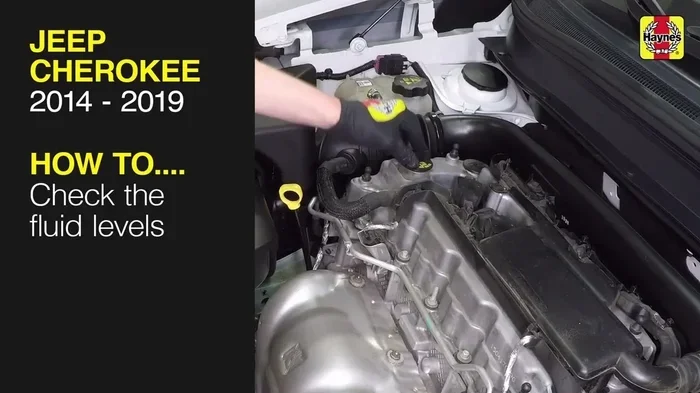
How to Add Transmission Fluid to Your Jeep Cherokee
Adding transmission fluid to your Jeep Cherokee is a straightforward task that every owner can do at home with basic tools. This guide walks you through everything you need to know, from picking the right fluid to checking your levels safely. You will learn the exact steps, common mistakes to avoid, and tips to keep your transmission healthy for years to come.
Your Jeep Cherokee is a tough, reliable SUV built for adventure. But even the best vehicles need regular care to keep running right. One of the most important maintenance tasks you can do is checking and adding transmission fluid. The transmission is the heart of your Jeep’s drivetrain. It shifts gears smoothly so you can cruise on the highway or tackle off-road trails. Without proper fluid levels, your transmission can overheat, slip, or even fail. That is why learning how to add transmission fluid to your Jeep Cherokee is such a valuable skill.
Whether you have a newer model or an older Jeep Cherokee, this guide covers everything you need. We will walk you through the fluid types, the tools you need, and the exact steps to follow. You will also learn about common mistakes and how to tell when your transmission needs more than just a top-off. By the end, you will feel confident handling this job in your own garage.
The Jeep Cherokee has been one of the most popular SUVs on the road for decades. Its blend of capability and comfort makes it a favorite among families and off-road enthusiasts alike. If you are looking at the 5 to 8 lakh car range, the Jeep Cherokee offers great value with strong build quality. Keeping up with transmission maintenance is one of the best ways to protect that investment. Let us dive into the details.
Key Takeaways
- Use the right fluid: Always use ATF+4 or the specific transmission fluid recommended for your Jeep Cherokee model year.
- Check the level properly: Run the engine warm and park on a level surface before checking the transmission dipstick.
- Avoid overfilling: Too much fluid can cause foaming, overheating, and serious transmission damage.
- Know when to change vs. top off: If your fluid is dark or smells burnt, a full change is better than just adding more.
- Follow a maintenance schedule: Regular transmission fluid changes prevent costly repairs and keep your Jeep shifting smoothly.
📑 Table of Contents
- Understanding Your Jeep Cherokee Transmission
- Choosing the Right Transmission Fluid
- Step-by-Step: Adding Transmission Fluid to Your Jeep Cherokee
- Common Mistakes When Adding Transmission Fluid
- How Often Should You Change Transmission Fluid?
- Keeping Your Jeep Cherokee Transmission Healthy Long-Term
- Conclusion
Understanding Your Jeep Cherokee Transmission
What Type of Transmission Does Your Jeep Cherokee Have?
Before you add any fluid, you need to know what kind of transmission your Jeep Cherokee uses. Most Jeep Cherokee models come with an automatic transmission. The older generations often use the ZF 4HP26 or similar four-speed automatic. Newer models from 2014 onward typically use a nine-speed automatic transmission. Both types require specific fluids, so knowing your exact model matters a lot.
Some Jeep Cherokee variants also came with a manual transmission. If you have a manual, the process is a bit different. Manual transmissions use gear oil instead of automatic transmission fluid. Always check your owner’s manual to confirm which type you have. The manual will also list the exact fluid specification your Jeep needs.
Why Transmission Fluid Matters So Much
Transmission fluid does several critical jobs at the same time. It lubricates all the moving parts inside your transmission. It cools the transmission by carrying heat away from the gears. It also creates the hydraulic pressure needed to shift gears smoothly. Without clean, proper-level fluid, your transmission has to work much harder.
Over time, transmission fluid breaks down. It gets dirty from metal particles and heat exposure. Old fluid loses its ability to lubricate and cool effectively. This can lead to rough shifting, slipping gears, or even complete transmission failure. The good news is that keeping your fluid fresh and at the right level is one of the easiest ways to prevent expensive repairs.
Your Jeep Cherokee weighs around 4000 to 4500 lbs heavy for a car, and all that weight puts extra stress on the transmission. That makes proper fluid maintenance even more important. Clean fluid helps your transmission handle the load without overheating or wearing out too fast.
Choosing the Right Transmission Fluid
Recommended Fluid Types for Jeep Cherokee
Not all transmission fluids are the same. Using the wrong fluid can damage your transmission or cause poor shifting. For most Jeep Cherokee models, the recommended fluid is ATF+4. This is a specific synthetic fluid designed for Chrysler transmissions. It provides excellent lubrication and thermal protection.
Some older Jeep Cherokee models may use ATF+3 or a different specification. Always check your owner’s manual or consult a trusted mechanic if you are unsure. Using the wrong fluid type is one of the most common mistakes Jeep owners make. It might seem like a small detail, but it can lead to serious transmission problems over time.
Here are the most common fluid types you will encounter:
- ATF+4: The standard fluid for most modern Jeep Cherokee models. Use this unless your manual says otherwise.
- ATF+3: Found in some older Jeep Cherokee automatic transmissions. Check your model year carefully.
- Mercon LV or Dexron VI: Sometimes used in specific Jeep models. Rare for the Cherokee but always verify.
- Gear Oil (75W-90 or similar): Used in manual transmission Jeep Cherokees, not automatic.
Transmission Fluid Capacity and How Much You Need
Knowing how much fluid your Jeep Cherokee holds helps you avoid overfilling or underfilling. The total transmission fluid capacity for most Jeep Cherokee models ranges from about 11 to 13 quarts. However, a typical fluid change or top-off usually requires less, around 5 to 7 quarts depending on whether you are draining the pan or just refilling through the dipstick tube.
Always add fluid gradually. Pour a little, check the level, and then add more if needed. It is much easier to add more than to drain excess fluid. Overfilling can cause the fluid to foam, which reduces its effectiveness and can lead to transmission overheating.
Step-by-Step: Adding Transmission Fluid to Your Jeep Cherokee
Step 1: Gather Your Tools and Supplies
Before you start, make sure you have everything ready. Here is what you will need:
- The correct transmission fluid (ATF+4 for most models)
- A transmission fluid dipstick (if yours is missing or broken)
- A funnel with a narrow spout
- A clean rag or paper towel
- A jack and jack stands or ramps (if needed to access the fill tube)
- A socket wrench and drain pan (if you are changing fluid, not just topping off)
Having everything ready before you start makes the process much smoother. You do not want to be halfway through and realize you are missing a tool or the wrong fluid type.
Step 2: Prepare Your Jeep Cherokee
Start by parking your Jeep Cherokee on a flat, level surface. Engage the parking brake and make sure the engine is off. Let the vehicle sit for a few minutes so the fluid can settle back into the transmission pan. This gives you a more accurate reading when you check the level later.
For a more thorough fluid check or change, you may want to warm up the engine first. Drive your Jeep for about 10 to 15 minutes, then turn it off and let it cool slightly. Warm fluid flows better and gives a more accurate level reading. Just be careful not to burn yourself on hot components.
Step 3: Locate the Transmission Dipstick
Open the hood and look for the transmission dipstick. On most Jeep Cherokee models, the dipstick handle is red or yellow and is located near the back of the engine bay. It is usually behind the oil dipstick. If you are having trouble finding it, refer to your owner’s manual for the exact location.
Some newer Jeep Cherokee models do not have a traditional dipstick. Instead, they have a fill plug on the transmission housing. In that case, you will need to add fluid through that plug port. Check your specific model to know which setup you have.
Step 4: Check the Current Fluid Level
With the engine running and warmed up, pull out the dipstick. Wipe it clean with a rag, then reinsert it fully. Pull it out again and look at the fluid level. The dipstick will have markings for “Full” and “Add” or “Min” and “Max.” The fluid level should fall between these marks.
While you have the dipstick out, check the fluid condition. Healthy transmission fluid is usually red or pink and translucent. If the fluid looks dark brown or black, it is old and needs to be changed. If it smells burnt or has visible metal particles, your transmission may have a more serious issue that needs professional attention.
Step 5: Add the Transmission Fluid
Now it is time to add fluid. Insert a narrow funnel into the dipstick tube. Pour the ATF+4 fluid slowly and in small amounts. Add about half a quart at a time, then wait a few moments for the fluid to settle. Check the level with the dipstick after each addition.
Continue adding fluid until the level reaches the “Full” mark on the dipstick. Do not overfill. The fluid should sit right at or just below the full line. Once you reach the correct level, remove the funnel, reinsert the dipstick fully, and wipe up any spills.
Step 6: Test Drive and Recheck
Start the engine and let it idle for a few minutes. Shift through all the gears (Park, Reverse, Neutral, Drive) and hold each for a few seconds. This helps the new fluid circulate through the transmission.
Take your Jeep Cherokee for a short test drive. Drive around the block and pay attention to how the shifts feel. They should be smooth and firm. After the test drive, park on a level surface again and recheck the fluid level with the dipstick. Top off if needed. This final check ensures everything is at the perfect level after the fluid has settled.
Common Mistakes When Adding Transmission Fluid
Using the Wrong Fluid Type
This is the number one mistake people make. Every transmission is designed for a specific fluid type. Using the wrong fluid can cause poor shifting, increased wear, and even permanent damage. Always double-check that you have ATF+4 or whatever fluid your Jeep Cherokee manual specifies. It is a small detail that makes a huge difference.
Overfilling the Transmission
It might seem like more fluid is better, but that is not true. Overfilling causes the fluid to foam and aerate. Foamed fluid loses its lubricating properties and can lead to transmission overheating. It can also cause pressure buildup that damages seals and gaskets. Always add fluid gradually and check the level frequently.
Checking the Fluid When the Engine Is Cold
Checking transmission fluid on a cold engine gives an inaccurate reading. The fluid contracts when cold and may appear below the full mark even when it is actually at the right level. Always check the fluid with the engine warm and running. This gives you the most accurate picture of your true fluid level.
Ignoring Fluid Condition
Just adding fluid without checking its condition can mask bigger problems. If your fluid is dark, gritty, or smells burnt, a simple top-off is not enough. You likely need a full transmission fluid change. Ignoring bad fluid can lead to accelerated wear and expensive repairs down the road.
How Often Should You Change Transmission Fluid?
Topping off your fluid is part of routine maintenance, but a full fluid change is also important. Most Jeep Cherokee owners should plan for a transmission fluid change every 30,000 to 60,000 miles. If you use your Jeep for heavy towing or off-roading, you may need to change it more frequently, perhaps every 20,000 to 30,000 miles.
For those who put a lot of miles on their Jeep, it is worth noting that 000 miles a lot for a diesel might not apply to most Cherokee models, but high-mileage driving of any kind does put extra strain on your transmission. Regular fluid changes become even more critical for high-mileage vehicles.
Here is a simple maintenance schedule to follow:
- Every 30,000 miles: Check fluid level and condition. Top off if needed.
- Every 60,000 miles: Perform a full fluid and filter change.
- Every 100,000 miles: Inspect the transmission pan and seals for leaks or damage.
Sticking to this schedule will help your Jeep Cherokee transmission last well beyond 200,000 miles. Many Cherokee owners report transmission life exceeding 250,000 miles with proper maintenance. That is a testament to how important regular fluid care really is.
Keeping Your Jeep Cherokee Transmission Healthy Long-Term
Watch for Warning Signs
Your Jeep will tell you when something is wrong with the transmission if you know what to look for. Here are the key warning signs to watch for:
- Slipping gears: The transmission shifts unexpectedly or feels like it is losing grip.
- Delayed shifting: There is a long pause before the transmission engages a gear.
- Rough or harsh shifts: Shifts feel jerky or abrupt instead of smooth.
- Fluid leaks: You see red or brown puddles under your Jeep.
- Dashboard warning lights: The check engine light or transmission temperature light comes on.
If you notice any of these signs, address them quickly. Ignoring transmission problems almost always leads to worse damage and higher repair costs.
Consider a Transmission Flush
Over time, old transmission fluid accumulates sludge and contaminants. A transmission flush completely replaces the old fluid with fresh fluid. This is more thorough than a simple drain and fill. Many mechanics recommend a flush every 60,000 to 80,000 miles for Jeep Cherokee owners.
A transmission flush can be done at a repair shop or at home if you have the right equipment. It costs more than a simple fluid change, but it is well worth it for the long-term health of your transmission. Clean fluid means less friction, less heat, and a longer-lasting transmission.
Protect Your Investment
The Jeep Cherokee is a significant investment. Whether you bought it new or as a used vehicle, taking care of the transmission pays off. A well-maintained transmission means smooth rides, better fuel efficiency, and a higher resale value. Simple habits like regular fluid checks and timely changes go a long way.
Think of transmission fluid as the lifeblood of your Jeep’s drivetrain. Just like you would not neglect your own health, you should not neglect your vehicle’s fluid maintenance. A few dollars spent on fluid today can save you thousands in transmission repairs tomorrow.
Conclusion
Adding transmission fluid to your Jeep Cherokee does not have to be intimidating. With the right fluid, the right tools, and the right steps, you can handle this job yourself in under an hour. Remember to always use ATF+4 or the fluid specified in your owner’s manual. Check your levels regularly and never ignore warning signs like slipping or rough shifting.
Your Jeep Cherokee is built to last, and the transmission is at the core of that durability. By staying on top of fluid maintenance, you keep your Jeep shifting smoothly and performing at its best. Whether you are cruising down the highway or hitting the trails, a well-maintained transmission gives you confidence and peace of mind. Take care of your Jeep Cherokee, and it will take care of you for miles to come.
Frequently Asked Questions
What type of transmission fluid does a Jeep Cherokee need?
Most Jeep Cherokee models require ATF+4 transmission fluid. This is a synthetic fluid specifically designed for Chrysler automatic transmissions. Always check your owner’s manual to confirm the exact specification for your model year. Using the wrong fluid can cause shifting problems and transmission damage.
How do I know if my Jeep Cherokee needs more transmission fluid?
Signs that your Jeep Cherokee needs more transmission fluid include rough shifting, slipping gears, and delayed engagement when you shift into drive or reverse. You can also check the dipstick to see if the fluid level is below the full mark. Dark or burnt-smelling fluid indicates it is time for a full fluid change, not just a top-off.
Can I add transmission fluid while the engine is running?
Yes, you should check and add transmission fluid with the engine running and warmed up. The transmission fluid needs to be warm and circulating to give an accurate level reading. However, be careful around moving engine parts and always park on a level surface before adding fluid.
How much transmission fluid does a Jeep Cherokee hold?
Most Jeep Cherokee models hold between 11 and 13 quarts of transmission fluid total. For a simple top-off, you usually only need 1 to 3 quarts. Always add fluid slowly and check the level frequently to avoid overfilling, which can cause foaming and overheating.
What happens if I overfill my Jeep Cherokee transmission?
Overfilling causes the transmission fluid to foam and aerate. Foamed fluid loses its ability to lubricate and cool the transmission properly. This can lead to overheating, pressure buildup, and damage to internal seals. If you overfill, drain the excess fluid carefully through the drain plug or dipstick tube.
How often should I change the transmission fluid in my Jeep Cherokee?
It is recommended to change the transmission fluid in a Jeep Cherokee every 60,000 miles for normal driving conditions. If you tow frequently or drive in severe conditions, consider changing it every 30,000 to 40,000 miles. Regular fluid changes are one of the cheapest and most effective ways to extend your transmission’s lifespan.