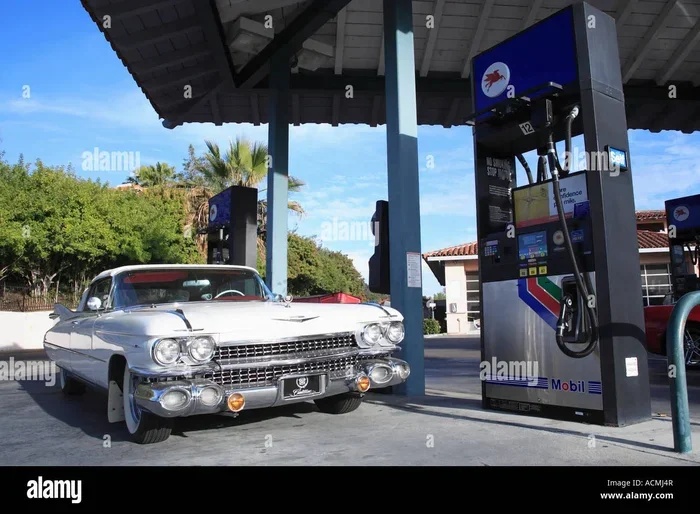
Does Cadillac Need Premium Gas Here Is the Full Answer
Does Cadillac need premium gas? Most Cadillac models recommend or require premium gasoline for the best engine performance and fuel efficiency. Using the wrong fuel type can lead to engine knock, reduced power, and potential long-term damage. Always check your owner’s manual or the fuel door sticker for the exact fuel recommendation.
Key Takeaways
- Most Cadillac models need premium gas: The majority of Cadillac engines are designed for premium gasoline with an octane rating of 91 or higher.
- Using regular gas can cause problems: Lower octane fuel may lead to engine knock, reduced performance, and potential engine damage over time.
- Some Cadillac models are more flexible: Certain newer models with smaller engines may run on regular gas but perform better with premium.
- Premium fuel costs more: Expect to pay an extra 30 to 50 cents per gallon compared to regular gas, which adds up over time.
- Always check your owner’s manual: The fuel recommendation is clearly stated in the manual and on the fuel door sticker.
- Engine knock is a warning sign: If you hear pinging or knocking, switch to the recommended fuel type right away.
📑 Table of Contents
- Does Cadillac Need Premium Gas Here Is the Full Answer
- Understanding Fuel Requirements for Cadillac Vehicles
- What Happens If You Use Regular Gas in a Cadillac?
- Which Cadillac Models Require Premium Gas?
- The Cost Factor: Premium vs Regular Gas
- Expert Tips for Cadillac Owners
- The Long-Term Impact of Fuel Choices on Your Cadillac
- Common Mistakes Cadillac Owners Make with Fuel
- Final Thoughts
Does Cadillac Need Premium Gas Here Is the Full Answer
If you own a Cadillac or are thinking about buying one, you have probably wondered about the fuel question. Does Cadillac need premium gas? The short answer is yes, in most cases. But the full picture is a bit more nuanced than a simple yes or no.
Cadillac builds luxury vehicles with powerful engines. These engines are engineered to run best on premium gasoline. The company designs each model with a specific fuel type in mind. Using the wrong fuel can hurt your engine and your wallet. In this article, we will walk you through everything you need to know about fuel requirements for your Cadillac.
We will cover which models need premium gas, what happens if you use regular gas, and how to save money on fuel costs. By the end, you will have a clear answer for your specific Cadillac model. Let us dive in.
Understanding Fuel Requirements for Cadillac Vehicles
Every car has a fuel recommendation. For Cadillac vehicles, that recommendation is almost always premium gasoline. But what does that actually mean? Let us break it down in simple terms.
What Is Premium Gasoline?
Premium gasoline has a higher octane rating than regular gas. In the United States, premium gas typically has an octane rating of 91 or 93. Regular gas usually sits at 87, and mid-grade comes in at 89. The octane rating measures how well the fuel resists “knocking” or “pinging” inside the engine.
Knocking happens when the air-fuel mixture ignites too early in the combustion chamber. This can cause damage over time. Higher octane fuel burns more evenly and at the right time. This is why high-performance engines like those in Cadillac vehicles need it.
The Role of Octane Rating in Engine Performance
The octane rating is not about power. It is about stability. A Cadillac engine with a high compression ratio or a turbocharged engine needs fuel that will not ignite prematurely. If the fuel ignites too early, it creates that knocking sound and can reduce engine performance.
Think of it this way. Premium gas is like a steady, controlled burn. Regular gas is more likely to combust at the wrong moment. For a standard daily driver, this difference might be small. For a powerful Cadillac engine, it matters a lot.
Why Cadillac Engineers Design for Premium Fuel
Cadillac engineers build their engines for maximum power and smoothness. They tune the ignition timing, compression ratios, and fuel injection systems around premium gasoline. When you use the recommended fuel type, the engine runs as it was designed to.
This means better acceleration, smoother idling, and improved fuel economy. It also means less wear and tear on internal components over the long haul. Skipping premium gas means you are not getting the full experience your Cadillac was built to deliver.
What Happens If You Use Regular Gas in a Cadillac?
This is one of the most common questions Cadillac owners ask. Can you put regular gas in a Cadillac? Technically, yes. But should you? That is a different story.
Engine Knock and Pinging
The first thing you may notice is engine knock. This is a rattling or pinging sound that comes from the engine. It happens because regular gas has a lower octane rating. In a high-compression engine, this fuel can ignite before the spark plug fires.
Occasional light knocking might not cause immediate damage. But persistent knocking is a serious problem. Over weeks and months, it can wear down pistons, valves, and other engine parts. Nobody wants expensive engine repairs.
Reduced Fuel Economy
Another downside of using regular gas is reduced fuel economy. When the engine does not burn fuel efficiently, you end up filling up more often. You might notice your miles per gallon drop. Over time, the savings from cheaper gas disappear quickly.
In fact, the price difference between premium and regular gas has narrowed in recent years. Sometimes premium is only 20 to 30 cents more per gallon. When you factor in lower fuel economy, the savings from using regular gas become even smaller.
Loss of Power and Acceleration
Cadillac engines are built for performance. When you feed them lower-octane fuel, they may not deliver the power you expect. You might notice slower acceleration or a general feeling of sluggishness. The engine computer may also adjust timing to prevent knocking, which robs the engine of its full potential.
If you bought a Cadillac for the driving experience, using regular gas takes away from that experience. You deserve to feel the smooth, powerful response that these engines are known for.
Which Cadillac Models Require Premium Gas?
Not all Cadillac models are the same. Some models strictly require premium gas, while others simply recommend it. Let us look at the different categories.
Models That Require Premium Gas
Most Cadillac models come with a “required” label for premium gasoline. This means the manufacturer says you must use premium fuel. Here are some popular models that fall into this category:
- Cadillac Escalade: The full-size SUV comes with a powerful V8 engine that demands premium gas.
- Cadillac CT5: This luxury sedan uses turbocharged engines that perform best on premium fuel.
- Cadillac CT6: The full-size luxury sedan features high-performance engines designed for premium gasoline.
- Cadillac XT5: This popular SUV has a turbocharged V6 that recommends premium fuel.
- Cadillac XT6: The three-row SUV shares the same turbocharged engine setup and needs premium gas.
For all of these models, the fuel recommendation is clearly stated on the fuel door sticker and in the owner’s manual. Always follow the manufacturer’s guidance.
Models That May Run on Regular Gas
Some newer Cadillac models with smaller or less powerful engines may technically run on regular gas. However, they still perform better with premium fuel. For example, some base trims with four-cylinder engines might accept regular gas without immediate issues.
But here is the catch. Even if the engine does not knock on regular gas, you will still lose some performance and fuel economy. The engine is tuned for premium, so it will not run at its best with anything less.
How to Check Your Specific Model
The easiest way to find your fuel requirement is to check the fuel door. Open it, and you will see a sticker with the recommended fuel type. You can also look in the owner’s manual under the “Fuel and Refueling” section.
If you are shopping for a used Cadillac, check these same places. Every model year and trim level may have slightly different requirements. When in doubt, go with premium gas. It is always the safer choice for your engine.
The Cost Factor: Premium vs Regular Gas
One of the biggest concerns Cadillac owners have is the cost of premium fuel. It is more expensive than regular gas, and that adds up. Let us talk about the real-world costs and how to manage them.
How Much More Does Premium Cost?
Premium gas typically costs between 30 and 50 cents more per gallon than regular. The exact price difference varies by region and gas station. In some areas, the gap is smaller. In others, it can be closer to 60 cents per gallon.
For a Cadillac with a 20-gallon tank, filling up with premium might cost you an extra 6 to 10 dollars per fill-up. If you drive about 1,000 miles per month and get around 20 miles per gallon, that is 5 fill-ups a month. The extra cost could be 30 to 50 dollars per month, or 360 to 600 dollars per year.
Ways to Offset the Premium Fuel Cost
Do not let the premium fuel cost scare you away from a Cadillac. There are ways to manage and even reduce this expense:
- Use rewards credit cards: Some gas station cards or general rewards cards give you cash back or points on fuel purchases.
- Join loyalty programs: Many gas stations offer discounts for frequent customers through their apps or loyalty programs.
- Drive efficiently: Smooth acceleration, maintaining steady speeds, and keeping your tires properly inflated all improve fuel economy.
- Carpool when possible: Sharing rides reduces the number of trips you need to take, saving you money overall.
- Compare gas prices: Use apps like GasBuddy to find the cheapest premium gas near you.
Small habits can make a big difference over time. You do not have to accept the premium fuel cost without trying to reduce it.
Expert Tips for Cadillac Owners
We have covered the basics. Now let us share some practical tips from automotive experts that will help you get the most out of your Cadillac and its fuel.
Always Read the Owner’s Manual
This may sound obvious, but many Cadillac owners never read the manual. The owner’s manual contains all the information you need about fuel type, maintenance schedules, and driving tips. It is your best resource for keeping your car running well.
Take 15 minutes to read the fuel section. You will know exactly what your engine needs and why. This simple step can save you from costly mistakes.
Do Not Mix Fuel Types
Some drivers think topping off with regular gas occasionally will not hurt. It can. Mixing fuel types creates an inconsistent octane level in your tank. The engine control module may struggle to adjust, leading to rough idling or reduced performance.
Stick with one fuel type consistently. If your Cadillac needs premium gas, make premium gas your standard choice every time you visit the gas station.
Watch for Warning Signs
Your Cadillac will tell you if something is wrong with the fuel. Pay attention to these warning signs:
- Engine knock or pinging: This is the most common sign of wrong fuel type.
- Check engine light: A flashing or steady check engine light can indicate fuel-related issues.
- Reduced acceleration: If your car feels slow or sluggish, the fuel type might be the cause.
- Poor fuel economy: A sudden drop in miles per gallon is worth investigating.
- Rough idling: An engine that shakes or sounds uneven at a stoplight may be reacting to the wrong fuel.
If you notice any of these signs, switch back to the recommended fuel type and visit a mechanic if the problem persists. Early action prevents bigger problems down the road.
Keep Your Tank at Least Half Full
This is a general tip that applies to all cars, but it is especially important for luxury vehicles like Cadillacs. Keeping your tank at least half full reduces condensation inside the fuel tank. It also ensures you always have enough fuel for the engine to operate at peak efficiency.
Running on empty can also cause sediment from the bottom of the tank to enter the fuel system. This can clog fuel filters and injectors, leading to expensive repairs.
The Long-Term Impact of Fuel Choices on Your Cadillac
Your fuel choices do not just affect today’s drive. They impact the long-term health of your Cadillac engine. Let us look at the bigger picture.
Engine Longevity
A Cadillac engine that runs on the recommended premium gasoline will last longer. The fuel burns cleanly and evenly, reducing carbon buildup and wear on internal parts. Over hundreds of thousands of miles, this adds up to a healthier, more reliable engine.
Engines that run on the wrong fuel type may develop deposits, increased friction, and premature wear. The cost of premium gas is small compared to the cost of an engine rebuild or replacement.
Resale Value
Buyers of used Cadillac vehicles look for well-maintained cars. One indicator of good maintenance is following the manufacturer’s fuel recommendations. A Cadillac that has always used premium gas will likely have a higher resale value than one that has been run on regular gas.
When it comes time to sell or trade in your vehicle, every little detail matters. Using the right fuel type is one of the easiest ways to protect your investment.
Warranty Considerations
Cadillac warranties cover certain engine problems, but they may not cover damage caused by using the wrong fuel type. If engine knock or other fuel-related damage occurs, the manufacturer might deny the claim. Using premium gas as recommended protects your warranty coverage.
This is an important point that many owners overlook. Reading the warranty terms and following the fuel guidelines can save you from unexpected out-of-pocket expenses.
Common Mistakes Cadillac Owners Make with Fuel
Even experienced car owners make fuel-related mistakes. Here are some common ones to avoid.
Assuming All Luxury Cars Need Premium Gas
While most Cadillacs do, not every luxury car requires premium fuel. Some brands offer models that run fine on regular gas. Always check the specific requirements for your vehicle rather than assuming.
Ignoring the Fuel Door Sticker
The fuel door sticker is there for a reason. It tells you the exact fuel recommendation for your specific model and engine. Ignore it at your own risk.
Believing Premium Gas Cleans the Engine
There is a common myth that premium gas cleans engine deposits better than regular gas. In reality, all gas sold in the United States contains a minimum level of detergent additives. Premium gas may contain slightly more, but it is not a magic engine cleaner.
If you want a cleaner engine, use fuel system cleaner additives separately or follow the maintenance schedule in your owner’s manual.
Switching Fuel Brands Without Checking Quality
Not all gas stations are created equal. Some brands use higher-quality fuel with better additive packages. Top-tier gas stations meet stricter standards for detergent content. Whether you use premium or regular, choosing a top-tier station benefits your engine.
Brands like Shell, BP, ExxonMobil, and Chevron are known for their top-tier fuel. When you fill up, try to choose a reputable station for the best results.
Final Thoughts
So, does Cadillac need premium gas? The answer is clear. Most Cadillac models are built to run best on premium gasoline. The engines are designed with high compression ratios, turbochargers, and advanced fuel injection systems that all depend on the right fuel type.
Using regular gas may seem like a way to save money, but it often leads to more costs in the long run. Engine damage, reduced fuel economy, and loss of performance all add up. Stick with the recommended premium fuel and your Cadillac will reward you with years of smooth, powerful driving.
Take care of your Cadillac, and it will take care of you. Check your fuel door sticker, read your owner’s manual, and make premium gas part of your routine. Your engine will thank you every time you turn the key.
The bottom line is simple. Premium gas is not an extra expense. It is an investment in your vehicle’s health, performance, and longevity. Drive smart, use the right fuel, and enjoy every mile in your Cadillac.
Frequently Asked Questions
Can I use regular gas in a Cadillac if the manual says premium is required?
You can, but it is not recommended. Using regular gas in an engine designed for premium fuel can cause engine knock, reduced performance, and potential long-term damage. Always follow the manufacturer’s fuel recommendation to keep your engine running smoothly and to protect your warranty.
What is the difference between recommended and required premium gas for Cadillac?
Required means the engine will not perform correctly without premium fuel. Recommended means premium fuel is suggested for the best performance, but regular gas may be used in a pinch. Most Cadillac models require premium gas, but some base trims may only recommend it. Check your owner’s manual to know which category your model falls into.
Will using premium gas improve my Cadillac’s fuel economy?
Yes, using the recommended premium gas can improve fuel economy because the engine runs at its optimal combustion efficiency. However, premium gas alone will not dramatically increase your miles per gallon. Driving habits, vehicle maintenance, and road conditions also play a big role in fuel economy.
How much extra does premium gas cost per year for a Cadillac owner?
The extra cost depends on your driving habits and local gas prices. On average, Cadillac owners can expect to pay an additional 300 to 600 dollars per year for premium gas compared to regular gas. This cost can be offset slightly by fuel savings from better engine efficiency and loyalty programs at gas stations.
What should I do if I accidentally put regular gas in my Cadillac?
If you accidentally fill up with regular gas, do not panic. Top off the tank with premium gas at your next fill-up. The mixture will dilute the regular gas, and your engine should be fine. Avoid heavy acceleration until you have refueled with premium. If you notice knocking or other issues, consult a certified Cadillac mechanic.
Do all Cadillac models need premium gas?
The vast majority of Cadillac models need premium gas. Most vehicles in the Cadillac lineup come equipped with turbocharged or high-compression engines that require premium fuel for optimal performance. However, always double-check the fuel door sticker or owner’s manual for your specific model and engine combination to confirm the exact fuel requirement.
=== CONCLUSION ===
The question of whether Cadillac needs premium gas has a clear and straightforward answer. Most Cadillac vehicles are built with powerful, high-performance engines that require premium gasoline to deliver the best results. Using the recommended fuel type ensures smooth operation, optimal fuel economy, and long-term engine health.
While premium gas costs more upfront, the benefits far outweigh the extra expense. You protect your engine, maintain your warranty, and enjoy the driving experience that makes Cadillac special. Make it a habit to check your fuel requirements, stick with premium gas, and keep your Cadillac running at its absolute best for years to come.