Do Teslas Need Oil Changes Here Is The Surprising Answer
Do Teslas need oil changes? The short answer is no. Unlike gasoline-powered cars, Teslas run on electric motors that have no oil to change. However, Tesla owners still need to maintain certain fluids and components to keep their vehicles running smoothly. Understanding what maintenance your Tesla actually requires can save you time, money, and trips to the service center.
Do Teslas need oil changes? If you are a current Tesla owner or thinking about becoming one, you have probably wondered about this. The answer might surprise you. Unlike traditional cars with gasoline engines, Teslas run on electric power. This fundamental difference changes everything about how you maintain your vehicle.
Many people assume electric cars need the same upkeep as gas-powered vehicles. They picture oil changes, spark plug replacements, and transmission repairs. But the reality is much simpler. Teslas have far fewer moving parts, which means fewer things can go wrong. This guide will walk you through everything you need to know about Tesla maintenance. You will learn what fluids your Tesla does need, what it does not, and how to keep your car in top shape for years to come.
Key Takeaways
- No traditional oil changes needed: Teslas use electric motors that don’t require engine oil.
- Tesla maintenance is simpler: Fewer moving parts mean less upkeep compared to gas-powered cars.
- Fluid services still matter: Gearbox fluid, brake fluid, and coolant need periodic attention.
- Lower upkeep costs: EV maintenance is significantly cheaper than maintaining a combustion engine vehicle.
- Check your warranty: Tesla covers many maintenance items during the warranty period.
- Regenerative braking reduces wear: This feature extends brake pad life dramatically.
- Stay on top of cabin air filters: These need replacement just like in any car.
📑 Table of Contents
Why Teslas Don’t Need Traditional Oil Changes
Here is the core answer to the question do Teslas need oil changes. The simple truth is that electric vehicles do not have internal combustion engines. A gasoline car relies on thousands of moving parts that create friction and heat. Engine oil lubricates these parts and keeps everything running smoothly. Over time, that oil breaks down and becomes contaminated. That is why gas car owners must change their oil every 5,000 to 7,500 miles.
Teslas use electric motors instead. These motors have very few moving parts. There are no pistons, no crankshafts, and no valves. The electric motor uses magnetic fields to create movement. This process generates far less friction and heat than a combustion engine. Because there is no oil to lubricate engine components, there is nothing to change.
The Electric Motor Advantage
The electric powertrain in a Tesla is remarkably simple. It includes the motor itself, a single-speed gearbox, and a power inverter. That is it. Compare this to a gasoline engine, which has hundreds of parts that all need regular maintenance. The Tesla drivetrain is designed to be virtually maintenance-free when it comes to lubrication.
Some Tesla models use a small amount of gearbox fluid in the reduction gear. But this is not the same as engine oil. It does not degrade in the same way. Tesla recommends checking this fluid periodically but rarely needs to replace it. The electric motor itself never needs oil.
What About the Battery?
Another common question is whether the battery needs oil. The answer is no. The Tesla battery pack is a sealed unit. It uses coolant to manage temperature, but it never needs oil changes. The battery coolant system helps maintain optimal operating temperature. This keeps the battery healthy and extends its lifespan.
Tesla battery technology continues to improve with each new model. The battery pack in a Tesla Model 3 is very different from early electric vehicles. Modern Tesla batteries are designed to last hundreds of thousands of miles with minimal degradation. Regular maintenance focuses on keeping the coolant system healthy rather than adding or changing oil.
What Maintenance Do Teslas Actually Need
Even though Teslas do not need oil changes, they are not completely maintenance-free. Every vehicle needs some level of care. The good news is that Tesla upkeep is much simpler and cheaper than maintaining a gas-powered car. Here is what Tesla owners actually need to do.
Tire Maintenance and Rotation
Tires are one of the most important maintenance items for any Tesla. Teslas are heavy vehicles due to their battery packs. This extra weight means tires wear faster than they might on a lighter car. Tesla recommends rotating tires every 6,250 miles or when you notice uneven wear. Keeping your tires properly inflated also improves range and safety.
Many Tesla owners find that tire replacement is their most frequent maintenance expense. The initial cost can feel high, but the overall savings compared to gas car maintenance are significant. You never have to worry about oil changes, transmission repairs, or spark plug replacements.
Brake System Care
Here is a surprising benefit of owning a Tesla. Regenerative braking dramatically reduces brake wear. When you lift your foot off the accelerator, the electric motor acts as a generator. It slows the car down and sends energy back to the battery. This means you use the physical brakes far less often than in a traditional car.
Tesla brake pads can last 100,000 miles or more in many cases. Some owners never need to replace their brake pads at all. The brake fluid still needs periodic replacement, typically every two years. But the actual brake components last much longer than in a combustion engine vehicle.
Cabin Air Filter Replacement
Your Tesla has a cabin air filter just like any other car. This filter keeps dust, pollen, and debris out of the cabin. Tesla recommends replacing the cabin air filter every two years. In areas with heavy pollution or lots of dust, you may want to replace it more frequently.
Replacing the cabin air filter is a simple DIY job. You can do it in minutes with basic tools. This is one of the few maintenance tasks Tesla owners handle themselves regularly. It keeps the air inside your car clean and fresh.
Windshield Wiper Fluid
Do not forget the basics! Tesla still uses windshield wiper fluid. You will need to refill it periodically, especially in rainy or snowy conditions. This is a simple task that costs just a few dollars. Keep the reservoir full and your visibility will stay clear.
Tesla Oil Change Cost vs Traditional Cars
When you compare Tesla upkeep costs to traditional car maintenance, the difference is striking. Let us break down the numbers to show you exactly what you save.
Annual Maintenance Costs
The average gasoline car owner spends between $500 and $1,000 per year on maintenance. This includes oil changes, filter replacements, spark plugs, and various fluid services. Over ten years, that adds up to $5,000 to $10,000 or more.
Tesla owners typically spend $100 to $300 per year on maintenance. There are no oil changes, no spark plugs, and no transmission repairs. Most Tesla maintenance involves tire rotation, cabin air filters, brake fluid, and occasional coolant checks. The electric car maintenance cost savings are substantial.
What About Service Visits?
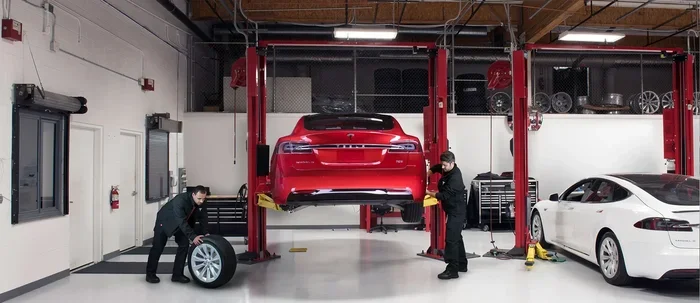
Tesla owners still need to visit the service center occasionally. But these visits are far less frequent than for gas-powered vehicles. A typical Tesla service visit might include a tire rotation, a cabin air filter replacement, or a brake fluid flush. Each visit takes less time and costs less money.
Tesla offers mobile service in many areas. A technician comes to your home or office to perform basic maintenance. This convenience saves even more time. You do not need to take a half-day off work to visit the service center.
Long-Term Savings
Over the lifetime of a vehicle, the savings add up quickly. A Tesla Model 3 owner might save $3,000 to $5,000 in maintenance costs compared to a similar gasoline car. These savings come from the simplicity of the electric drivetrain and the reduced number of service items.
The Tesla warranty also covers many maintenance items during the first few years. The basic warranty covers four years or 50,000 miles. The powertrain warranty extends to eight years or 120,000 miles. This means many potential repairs are covered at no cost to you.
Common Misconceptions About Tesla Maintenance
There are several myths about Tesla maintenance that can confuse new owners. Let us clear up the most common ones.
Myth: Electric Cars Need Oil Changes Too
This is the most widespread misconception. Some people believe all cars need oil changes regardless of their power source. This is simply not true. Electric motors do not use oil for lubrication in the same way that combustion engines do. The electric motor in a Tesla is a sealed unit that does not require oil changes at any point during its life.
Myth: Teslas Need Expensive Specialized Maintenance
Another common myth is that Tesla maintenance is somehow more expensive or complicated than traditional car maintenance. In reality, the opposite is true. Fewer moving parts means fewer things to fix. The maintenance that Tesla does require is straightforward and affordable. Tire rotations, filter replacements, and fluid checks are all simple procedures.
Myth: You Cannot Perform DIY Maintenance on a Tesla
While Teslas are more advanced than gas cars, you can still perform many maintenance tasks yourself. Cabin air filter replacement is the most common DIY job. Some owners also replace wiper blades and check fluid levels on their own. Tesla provides detailed guides for these tasks in the owner manual and on their website.
When You Might Still Need Fluid Services
Even though Teslas do not need engine oil, they do use several other fluids. Understanding these fluids and their maintenance schedules helps you keep your Tesla in excellent condition.
Gearbox Fluid
Tesla vehicles use a single-speed gearbox that connects the electric motor to the wheels. This gearbox contains a small amount of fluid that lubricates the gears. Tesla does not specify a regular replacement interval for this fluid. They recommend checking it during routine service visits.
In most cases, the gearbox fluid lasts the lifetime of the vehicle without needing replacement. However, if you notice unusual noises or grinding from the gearbox, have it checked promptly. Early detection prevents more serious and costly repairs.
Brake Fluid
Brake fluid is hygroscopic, meaning it absorbs moisture from the air over time. This moisture can reduce braking performance and corrode brake system components. Tesla recommends replacing brake fluid every two years. This is the same recommendation most gas-powered car manufacturers give.
Brake fluid replacement is a relatively inexpensive service. It typically costs between $100 and $200 at a Tesla service center. This small investment keeps your braking system working reliably and safely.
Coolant System Maintenance
Teslas use coolant to manage battery temperature and keep the cabin warm in cold weather. The coolant system needs periodic inspection. Tesla recommends checking the coolant level during annual service visits. Coolant replacement intervals vary by model and year.
The Tesla Model S and Model X have more complex cooling systems than the Model 3 and Model Y. These older models may require coolant service more frequently. Always refer to your specific model’s owner manual for exact recommendations.
Air Conditioning System
Your Tesla uses refrigerant to power the air conditioning system. Unlike engine coolant, refrigerant does not need regular replacement. However, if you notice your AC is not cooling as well as it should, the refrigerant level might be low. A Tesla service technician can check and recharge the system if needed.
Expert Tips for Tesla Owners
Getting the most out of your Tesla involves more than just avoiding oil changes. Here are practical tips from experienced Tesla owners and service professionals.
Keep Up with Scheduled Maintenance
Even though Teslas need less maintenance, you should still follow the recommended service schedule. Regular checkups catch small problems before they become big ones. Tesla sends service reminders through the mobile app. Pay attention to these alerts and schedule appointments promptly.
Monitor Tire Health Closely
Tires are your Tesla’s biggest maintenance expense. Check tire pressure monthly and rotate tires on schedule. Proper tire care improves range, handling, and safety. Consider investing in quality tires that match your driving habits and local climate.
Use Tesla-Approved Fluids and Parts
When your Tesla does need fluid service or part replacement, use Tesla-approved components. These parts are specifically designed for your vehicle. They meet Tesla’s quality standards and help maintain your warranty. Using aftermarket parts can sometimes void your Tesla warranty coverage.
Keep Software Updated
Tesla vehicles receive over-the-air software updates regularly. These updates often include improvements to efficiency, safety features, and overall performance. Keeping your software current ensures your Tesla operates at its best. Some updates even add new features to your vehicle.
Drive Efficiently to Maximize Range
Your driving habits affect how much maintenance your Tesla needs. Smooth acceleration and gentle braking reduce wear on tires and brake components. Using regenerative braking effectively extends brake pad life. Efficient driving also maximizes your electric range, which means fewer charging stops and less strain on the battery.
Key Takeaways
- No traditional oil changes needed: Teslas use electric motors that do not require engine oil changes ever.
- Tesla maintenance is simpler: Fewer moving parts mean less upkeep compared to gas-powered cars.
- Fluid services still matter: Gearbox fluid, brake fluid, and coolant need periodic attention.
- Lower upkeep costs: EV maintenance is significantly cheaper than maintaining a combustion engine vehicle.
- Check your warranty: Tesla covers many maintenance items during the warranty period.
- Regenerative braking reduces wear: This feature extends brake pad life dramatically.
- Stay on top of cabin air filters: These need replacement every two years just like in any car.
FAQ
How often do Teslas need oil changes?
Teslas never need oil changes. Electric motors do not use engine oil, so there is nothing to change. This is one of the biggest advantages of owning an electric vehicle compared to a gasoline-powered car.
What fluids does a Tesla need?
Tesla vehicles use brake fluid, coolant, gearbox fluid, and windshield wiper fluid. None of these are engine oil. Each fluid serves a different purpose in the electric powertrain and cabin systems. Regular checks keep everything working properly.
How much does Tesla maintenance cost per year?
Tesla owners typically spend $100 to $300 per year on maintenance. This is significantly less than the $500 to $1,000 average for gasoline car owners. The lower cost comes from fewer moving parts and simpler mechanical systems in electric vehicles.
Can you do Tesla maintenance yourself?
Yes, some Tesla maintenance tasks are DIY-friendly. Cabin air filter replacement and wiper blade changes are simple jobs you can do at home. More complex services like brake fluid replacement should be handled by a Tesla service professional or certified technician.
Do Teslas need transmission fluid?
Teslas use a single-speed gearbox rather than a traditional multi-speed transmission. The gearbox contains fluid that lubricates the gears, but Tesla does not require regular replacement. The fluid typically lasts the lifetime of the vehicle without needing a change.
Why is Tesla maintenance cheaper than gas car maintenance?
Electric vehicles have far fewer moving parts than combustion engine vehicles. There are no oil changes, no spark plugs, no timing belts, and no transmission repairs. The electric motor is simple and durable. This mechanical simplicity translates directly into lower maintenance costs and fewer service visits.
Conclusion
The answer to do Teslas need oil changes is a clear and definitive no. Tesla vehicles run on electric motors that require no oil whatsoever. This is one of the most significant advantages of owning an electric vehicle. You will never visit a gas station for oil, never worry about oil leaks, and never pay for an oil change again.
But the benefits do not stop there. Tesla maintenance is simpler, cheaper, and less frequent than maintaining a gasoline-powered car. The electric drivetrain has fewer parts that can wear out or break. Regenerative braking extends brake life. The battery cooling system keeps your powertrain healthy for years. And the overall cost of ownership is significantly lower.
If you are considering a Tesla or already own one, embrace the simplicity of electric vehicle ownership. Focus on tire care, fluid checks, and cabin air filter replacements. Stay current with software updates and follow the recommended service schedule. Your Tesla will reward you with reliable performance, lower costs, and a driving experience that gets better every year.
The future of car ownership is simpler, cleaner, and more efficient. And it starts with understanding that Teslas do not need oil changes. Welcome to the electric revolution.