Are 2004 Ford F150 Reliable For Daily Driving Today
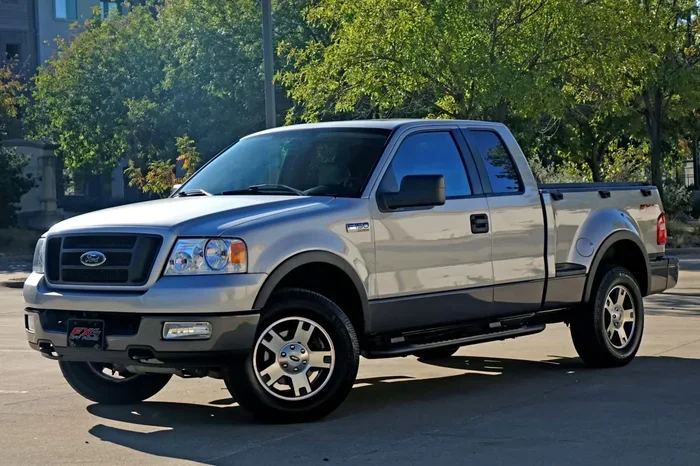
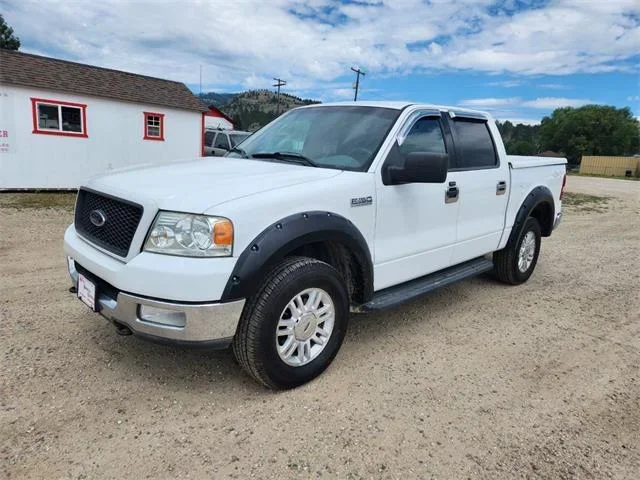
The 2004 Ford F150 is a solid and dependable choice for daily driving when properly maintained. This truck offers strong V8 engines, a durable frame, and decent fuel economy for its class. However, buyers should watch for known issues like rust, electrical gremlins, and transmission wear. With regular care, the 2004 Ford F150 can easily serve you well for many more years. Let us break down everything you need to know.
The 2004 Ford F150 has earned a strong reputation among truck enthusiasts and everyday drivers alike. If you are considering this model as your daily driver, you are probably wondering whether it will hold up over time. The short answer is yes, but there are a few things you should know before buying. This guide walks you through every important detail so you can make a confident decision.
We will cover engine performance, common problems, maintenance needs, and real-world ownership costs. By the end, you will have a clear picture of what to expect from this classic pickup truck. Let us dive right in.
Key Takeaways
- Reliable powertrain: The 5.4L V8 and 4.6L V8 engines are known for longevity with proper maintenance.
- Common issues exist: Rust, electrical problems, and transmission wear are the top concerns to watch for.
- Affordable maintenance: Parts are widely available and repairs are generally budget-friendly.
- Good daily driver: The F150 offers comfort, towing capacity, and dependability for everyday use.
- Fuel economy is decent: Expect around 15-18 MPG in mixed driving conditions.
- Interior holds up well: The cabin is spacious and functional, though materials show age over time.
📑 Table of Contents
- Why the 2004 Ford F150 Is a Popular Daily Driver
- Common Issues to Watch For
- Maintenance Schedule and Costs
- Fuel Economy and Daily Driving Experience
- Towing and Hauling Capability
- Trim Levels and Features
- Is the 2004 Ford F150 Worth Buying Today?
- Expert Insights on Long-Term Ownership
- Comparison: 2004 F150 vs. Competitors
- Common Mistakes to Avoid
- Quick Tips for Keeping Your 2004 F150 Running Strong
Why the 2004 Ford F150 Is a Popular Daily Driver
The 2004 Ford F150 sits in a sweet spot for used truck buyers. It is old enough to be affordable but new enough to still feel modern. The truck features a robust body-on-frame design that gives it excellent durability. Many owners report crossing the 200,000-mile mark without major issues.
One reason this model remains popular is its simplicity. The 2004 F150 does not rely on overly complex technology. Simple designs tend to be more reliable because there are fewer things that can go wrong. This makes it a great option for someone who wants a dependable work truck or commuter vehicle.
Engine Options and Performance
The 2004 Ford F150 came with several engine choices. The base engine was a 4.6L V8 that produced around 230 horsepower. For those who needed more power, a 5.4L V8 delivered approximately 290 horsepower. Both engines are part of Ford’s Modular engine family, which is well-regarded for durability.
These engines respond well to regular maintenance. Oil changes, spark plug replacements, and coolant flushes go a long way in keeping them healthy. The 5.4L V8 in particular is known to last well beyond 300,000 miles when properly cared for.
Common Issues to Watch For
No truck is perfect, and the 2004 Ford F150 has its share of known issues. Being aware of these problems helps you make a smarter purchase. Let us look at the most common concerns buyers should keep in mind.
Rust and Body Corrosion
Rust is the number one enemy of any older truck. The 2004 F150 is particularly susceptible to rust in certain areas. The rocker panels, wheel wells, and bed corners are common trouble spots. If you live in a region with heavy salt use on roads, rust can become a serious issue faster.
Regular washing and undercoating can help prevent rust from spreading. Inspect the body panels thoroughly before purchasing any used truck. Small rust spots are manageable, but widespread corrosion can compromise structural integrity.
Electrical Problems
Some owners have reported electrical gremlins in the 2004 F150. These can include flickering lights, faulty power window switches, and intermittent gauge failures. Most of these issues stem from aging wiring harnesses and corroded connectors.
The good news is that electrical repairs are usually straightforward. Replacing a faulty switch or connector is often inexpensive. The real challenge is tracking down the exact source of the problem, which can sometimes require patience and a good mechanic.
Transmission Concerns
The 2004 F150 uses either a 4-speed automatic transmission or a 5-speed manual depending on the trim. The automatic transmission, specifically the 4R70W model, can develop issues over time. Common symptoms include rough shifting, slipping gears, and delayed engagement.
Regular transmission fluid changes are essential. Fresh fluid keeps the internals lubricated and prevents premature wear. If you notice any shifting irregularities, have a technician inspect the transmission right away. Catching problems early saves you from expensive rebuilds later.
Maintenance Schedule and Costs
Keeping a 2004 Ford F150 in top shape requires following a consistent maintenance schedule. The good news is that maintenance costs for this model are generally reasonable. Parts are widely available at dealerships and aftermarket suppliers alike.
Routine Maintenance Tasks
Here are the key maintenance tasks you should stay on top of:
- Oil changes: Every 5,000 to 7,500 miles with conventional oil
- Tire rotations: Every 5,000 to 7,500 miles
- Brake inspections: Every 15,000 miles
- Transmission fluid change: Every 60,000 miles
- Coolant flush: Every 40,000 miles
- Spark plug replacement: Every 60,000 miles
Average Maintenance Costs
Owning a 2004 Ford F150 does not break the bank when it comes to upkeep. Routine maintenance typically costs between $300 and $500 per year. Major repairs like transmission work or engine rebuilds can cost more, but these are not common if you stay on top of regular service.
One advantage of the F150 platform is the abundance of aftermarket parts. You are not locked into expensive OEM components for every repair. Quality aftermarket parts can save you a significant amount of money over the life of the truck.
Fuel Economy and Daily Driving Experience
Fuel economy is an important consideration for any daily driver. The 2004 Ford F150 offers respectable mileage for a full-size truck. The 4.6L V8 gets around 15 to 18 MPG combined, while the 5.4L V8 averages slightly less at 14 to 17 MPG.
In real-world driving conditions, your mileage will vary based on several factors. Driving habits, cargo loads, and tire pressure all play a role. Keeping your tires properly inflated and avoiding aggressive acceleration can help you squeeze out a few extra miles per gallon.
Starting the Truck
The 2004 F150 uses a traditional key ignition system, which is straightforward and reliable. If you are used to newer trucks with push-button start systems, you may want to read our guide on whether you are supposed to hold the push start button to understand the differences between ignition systems. The key ignition on the 2004 model is simple to operate and rarely causes problems.
The starting system is dependable and requires minimal maintenance. The starter motor and ignition switch are robust components that typically last the life of the truck. Replacing the battery every 4 to 5 years is the main upkeep task for the starting system.
Comfort and Usability
The 2004 F150 cabin offers plenty of space for both the driver and passengers. The seats are comfortable for daily commutes, and the dashboard layout is easy to understand. While the materials are not premium by today’s standards, they hold up reasonably well over time.
The truck also comes with a decent sound system and functional air conditioning. These features make long commutes more bearable on hot summer days or cold winter mornings. The rear seat area is surprisingly roomy for a pickup truck, which adds to its daily driving appeal.
Towing and Hauling Capability
Even if you are using the 2004 Ford F150 primarily for daily driving, its towing capability is worth mentioning. The truck can tow between 5,000 and 9,000 pounds depending on the engine and configuration. This makes it a versatile vehicle for weekend projects or hauling equipment.
The suspension system handles loads well without feeling overly stiff during normal driving. The dual-piston front shocks provide a smooth ride on both paved roads and rough terrain. Whether you are commuting to work or towing a trailer, the 2004 F150 delivers consistent performance.
Trim Levels and Features
The 2004 F150 was available in several trim levels, each offering different features and amenities. The base XL model focused on functionality and value. The XLT trim added comfort features like power windows and upgraded upholstery. The Lariat trim brought leather seats and more premium touches.
When shopping for a used 2004 F150, consider what features matter most to you. The XLT trim often strikes the best balance between comfort and affordability. It provides enough amenities for daily driving without the premium price tag of higher trims.
Is the 2004 Ford F150 Worth Buying Today?
The 2004 Ford F150 remains a compelling choice for buyers seeking a reliable used truck. Its strong engines, durable frame, and affordable maintenance costs make it a smart investment. The truck’s simplicity works in its favor, as there are fewer complex systems that can fail.
However, a thorough inspection before purchase is essential. Check for rust, review the maintenance history, and test all electrical systems. A well-maintained 2004 F150 can provide years of dependable service as a daily driver.
When comparing options, consider the overall condition of the specific truck you are looking at. Every vehicle has its own history, and a clean, well-cared-for example will outperform a neglected one regardless of the model year. Take your time and choose wisely.
Expert Insights on Long-Term Ownership
Many long-term owners of the 2004 Ford F150 share similar experiences. They appreciate the truck’s simplicity and the ease of finding replacement parts. The Ford Motor Company has built a loyal following around the F-Series platform, and the 2004 model year is no exception.
Experienced owners recommend staying proactive with maintenance. Do not ignore small issues because they can snowball into bigger problems over time. Regular fluid changes, timely belt replacements, and prompt attention to warning lights all contribute to a longer-lasting truck.
Another piece of advice from seasoned F150 owners is to join online forums and communities. These groups are valuable resources for troubleshooting, finding affordable parts, and learning from others’ experiences. The F150 community is welcoming and full of practical knowledge.
Comparison: 2004 F150 vs. Competitors
| Feature | 2004 Ford F150 | 2004 Chevy Silverado | 2004 Ram 1500 |
|---|---|---|---|
| Base Engine | 4.6L V8 | 4.8L V8 | 4.7L V8 |
| Towing Capacity | 5,000-9,000 lbs | 6,100-7,800 lbs | 5,800-6,500 lbs |
| Fuel Economy (Combined) | 14-18 MPG | 13-17 MPG | 14-18 MPG |
| Reliability Rating | Good | Good | Fair |
| Parts Availability | Excellent | Excellent | Good |
| Common Issues | Rust, electrical | Rust, exhaust | Transmission, electrical |
The 2004 Ford F150 holds its own against competitors in the full-size truck segment. Its balance of reliability, parts availability, and maintenance costs gives it a clear edge for daily driving applications.
Common Mistakes to Avoid
Buying a used truck can be tricky if you are not careful. Here are common mistakes that buyers make when shopping for a 2004 Ford F150:
- Skipping the vehicle history report: Always run a Carfax or AutoCheck report to uncover hidden issues.
- Ignoring rust: Surface rust is fixable, but structural rust is a dealbreaker.
- Overlooking maintenance records: A truck with documented service history is always preferable.
- Skipping a pre-purchase inspection: Have a trusted mechanic examine the truck before you buy.
- Focusing only on price: The cheapest option is not always the best value in the long run.
Avoiding these mistakes saves you time, money, and headaches. Take your time and be thorough during the buying process. A little patience goes a long way toward finding a great truck.
Quick Tips for Keeping Your 2004 F150 Running Strong
Follow these quick tips to maximize the lifespan of your 2004 Ford F150:
- Change the oil every 5,000 miles or less for best engine protection.
- Check the coolant level monthly and flush it every 40,000 miles.
- Inspect the brakes at every tire rotation.
- Keep the battery terminals clean and tight.
- Wash the undercarriage regularly, especially in winter months.
- Address any unusual noises or vibrations immediately.
- Store the truck in a garage whenever possible to reduce weather exposure.
Small habits make a big difference over thousands of miles. Consistent care is the secret to a long-lasting truck.
Frequently Asked Questions
Is the 2004 Ford F150 a good daily driver?
Yes, the 2004 Ford F150 makes an excellent daily driver. It offers a comfortable cabin, reliable powertrain, and decent fuel economy for a full-size truck. With proper maintenance, it can serve you dependably for many years.
How long does a 2004 Ford F150 engine last?
The 4.6L and 5.4L V8 engines in the 2004 F150 are known for their durability. With regular oil changes and proper care, these engines commonly last beyond 300,000 miles. Individual results vary based on driving habits and maintenance consistency.
What are the most common problems with the 2004 Ford F150?
The most common issues include rust on body panels, electrical gremlins like flickering lights, and transmission wear over time. These problems are manageable when caught early and addressed promptly with quality repairs.
How much does it cost to maintain a 2004 Ford F150?
Annual maintenance costs typically range from $300 to $500 for routine services like oil changes, brake inspections, and fluid replacements. Major repairs are less frequent but can cost more if significant components need replacement.
Can the 2004 Ford F150 tow a trailer?
Yes, the 2004 Ford F150 can tow between 5,000 and 9,000 pounds depending on the engine and configuration. Always verify your specific truck’s towing capacity in the owner’s manual before hauling any load.
Should I buy a 2004 Ford F150 with high mileage?
High mileage alone should not disqualify a 2004 F150 from consideration. A truck with 200,000 miles that has been well-maintained can be a better buy than one with 80,000 miles that was neglected. Always request full maintenance records before purchasing.
=== CONCLUSION ===
The 2004 Ford F150 remains a trustworthy and capable daily driver more than two decades after its release. Its strong V8 engines, durable frame, and affordable maintenance costs make it a smart choice for buyers seeking a reliable used truck. While no vehicle is without flaws, the 2004 F150’s strengths far outweigh its weaknesses when properly cared for.
Rust and electrical issues are the main concerns to watch for, but both are manageable with regular attention. Staying on top of the maintenance schedule and addressing small problems before they grow ensures your F150 will keep running strong for years to come. This truck was built to last, and it shows in the countless examples still on the road today.
If you are in the market for a dependable used pickup, the 2004 Ford F150 deserves a spot at the top of your list. Do your homework, inspect the vehicle carefully, and you will likely find a truck that serves you well for a long time. Reliable daily driving is absolutely achievable with this classic Ford truck.