How to Shift From D to 2 and Drive Smoother Than Ever
Shifting from D to 2 is a simple yet powerful driving technique that improves control, saves your brakes, and makes your ride smoother. Whether you are cruising down a steep hill or navigating heavy city traffic, knowing when to drop into second gear can transform your driving experience. This guide walks you through every step, from understanding your transmission to mastering the shift like a pro.
Have you ever been driving down a steep hill and felt your brakes getting hot? Or maybe you were stuck in stop-and-go traffic and wished you had more control over your car’s speed. The good news is that there is a simple trick that can help with both of those situations. Learning how to shift from D to 2 can make your driving smoother, safer, and more enjoyable.
Many drivers never touch the lower gears on their automatic transmission. They stay in Drive and let the car do all the work. That is fine for everyday highway driving. But when the road gets tough, your car needs a little help. Dropping into second gear gives you better engine braking, more torque, and finer control over your speed. In this article, we will walk you through everything you need to know about making this shift confidently and smoothly.
Key Takeaways
- D to 2 means dropping from Drive to Second Gear: This gives you more engine braking and better speed control in specific driving situations.
- Use second gear on steep hills and in slow traffic: It reduces wear on your brakes and keeps your car moving smoothly.
- Follow a simple step-by-step process: Ease off the gas, press the brake lightly, and shift smoothly into second gear.
- Avoid common mistakes like shifting too fast or at high RPMs: These can damage your transmission over time.
- Regular transmission maintenance helps shifts feel smoother: Fresh fluid and a clean filter make a big difference.
- Practice makes perfect: The more you shift from D to 2 in safe conditions, the more natural it will feel.
📑 Table of Contents
- What Does D and 2 Mean on Your Gear Shifter?
- When Should You Shift From D to 2?
- Step-by-Step Guide on How to Shift From D to 2
- Common Mistakes to Avoid When Shifting From D to 2
- Tips for Smoother Gear Shifting in General
- How Second Gear Helps in Real-World Driving Scenarios
- Frequently Asked Questions About Shifting From D to 2
- Conclusion
What Does D and 2 Mean on Your Gear Shifter?
Before we dive into the how-to, let us clear up what those letters and numbers actually mean. Understanding your transmission basics makes the whole process much easier to grasp.
When you look at your gear shifter, you will usually see several options. D stands for Drive. This is the gear your car uses for normal forward movement. When you are in D, your transmission automatically shifts through all the available gears based on your speed and throttle input. It is the default gear for most driving situations.
The number 2 refers to Second Gear. When you select this position, your transmission locks into second gear and will not shift up to higher gears. This gives you more control. Your engine stays at a higher RPM range, which provides stronger pulling power and better engine braking.
Here are the most common gear positions you will find on an automatic transmission:
- P (Park): Locks the transmission when parked.
- R (Reverse): Moves the car backward.
- N (Neutral): Disconnects the engine from the wheels.
- D (Drive): Normal forward driving with automatic shifting.
- 2 (Second Gear): Limits the transmission to second gear only.
- L or 1 (Low Gear): Limits the transmission to first gear for maximum torque.
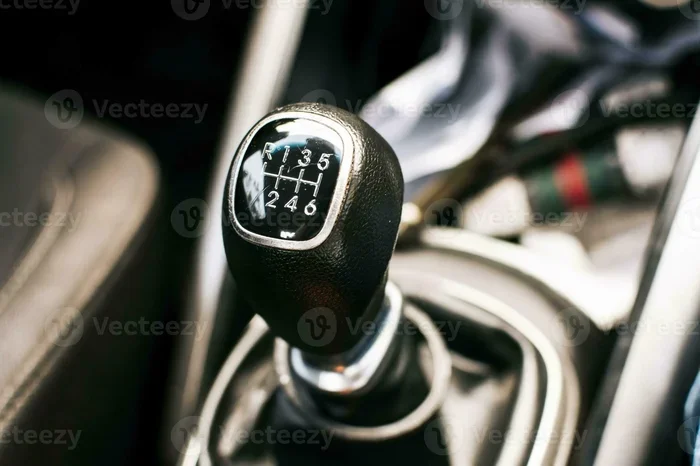
Some cars also have a manual mode with paddle shifters or a +/- gate. These let you manually select gears without moving the shifter. But the D to 2 shift works the same way whether you use the shifter or paddle controls. The goal is to restrict your transmission to second gear so you get more control over your vehicle.
When Should You Shift From D to 2?
Knowing when to make this shift is just as important as knowing how. You do not want to stay in second gear all the time. That would strain your engine and waste fuel. Instead, use second gear in specific situations where it gives you a real advantage.
Driving Down Steep Hills
This is probably the most common reason drivers shift from D to 2. When you are going downhill, gravity speeds you up. If you rely only on your brakes to slow down, they can overheat. Overheated brakes lose their stopping power, which is dangerous. By dropping into second gear, your engine helps slow the car down. This is called engine braking, and it takes the pressure off your brake pads and rotors.
Think of it like this. Instead of riding your brakes the whole way down a mountain, you let the engine do the work. The car naturally slows down, and you stay in control. Your brakes stay cool and ready for emergencies.
Slow Traffic and City Streets
In heavy city traffic, you are constantly stopping and starting. Shifting into second gear can make these situations smoother. It prevents the transmission from hunting between gears constantly. You get a more predictable driving feel, and your car responds better to small throttle inputs.
Some drivers also use second gear when crawling along in traffic on an incline. It gives you just enough power to move forward without stalling or jerking.
Towing Heavy Loads
If you are towing a trailer, boat, or heavy cargo, second gear can be your best friend. It provides more torque at lower speeds, which makes starting from a stop much easier. It also gives you better control when going downhill with a heavy load. The engine braking effect is stronger in second gear, which helps you maintain a safe speed without overheating your brakes.
Wet or Icy Road Conditions
Driving on slippery surfaces requires extra caution. Starting in second gear instead of first can reduce wheel spin. This helps you maintain traction on ice or wet roads. The lower gear ratio means less power reaches the wheels, which makes it easier to keep the car stable.
Step-by-Step Guide on How to Shift From D to 2
Now that you understand when to use second gear, let us walk through the actual shifting process. Follow these steps carefully, and you will be shifting smoothly in no time.
Step 1: Slow Down Your Vehicle
Before you shift, you need to reduce your speed. Take your foot off the accelerator and let the car coast down a bit. You do not need to brake hard. Just ease off the gas and let the car naturally slow to around 20 to 30 miles per hour. The exact speed depends on your vehicle and road conditions.
Step 2: Press the Brake Lightly
Gently apply the brake pedal. You are not trying to stop the car. You just want to slow it down a little more and signal to the transmission that you are about to change gears. A light tap is all you need.
Step 3: Move the Shifter from D to 2
With the brake still pressed, move the shifter from D to 2. Do this smoothly and deliberately. You should feel a slight click or resistance as the shifter engages the second gear position. Do not force it or jab at the shifter. Gentle and steady wins the race here.
Step 4: Release the Brake Gradually
Once the shifter is in position 2, slowly release the brake pedal. You will feel the engine RPMs rise slightly. This is completely normal. The engine is now working in a lower gear range, which gives you more pulling power and braking resistance.
Step 5: Adjust Your Throttle
Now you are in second gear. Use gentle throttle inputs to control your speed. If you need to slow down further, ease off the gas and let the engine braking do its work. If you need more speed, apply the throttle smoothly and steadily.
Step 6: Shift Back to D When Ready
When the situation calls for normal driving, simply move the shifter back from 2 to D. This is safe to do at any speed as long as you are not under heavy throttle. The transmission will immediately resume automatic shifting through all gears.
Quick Tips for a Smoother Shift
- Always brake lightly before shifting. A sudden shift without slowing down first can cause a jolt.
- Match your engine speed to the gear. If the RPMs are too high, let the car slow down a bit more before shifting.
- Do not stay in second gear at high speeds. This can overwork your engine and reduce fuel efficiency.
- Listen to your car. If you hear grinding or hesitation, ease off and try again more gently.
Common Mistakes to Avoid When Shifting From D to 2
Even with good intentions, drivers sometimes make mistakes when using lower gears. Here are the most common errors and how to avoid them.
Mistake 1: Shifting Too Fast at High Speeds
Dropping from D to 2 at highway speeds puts a lot of stress on your transmission. The engine RPMs spike suddenly, which can damage internal components. Always slow down before shifting into second gear. A good rule of thumb is to be below 35 miles per hour before making the shift.
Mistake 2: Staying in Second Gear Too Long
Second gear is a tool, not a permanent setting. If you stay in it when you should be in Drive, your engine will work harder than it needs to. This wastes fuel and causes unnecessary wear. Use second gear for specific situations and shift back to D when conditions return to normal.
Mistake 3: Ignoring Transmission Warning Signs
If your car hesitates, jerks, or refuses to shift into second gear, do not ignore it. These could be signs of a failing shift solenoid, low transmission fluid, or a clogged transmission filter. Addressing these issues early can save you from expensive repairs later.
Mistake 4: Forgetting to Check Transmission Fluid
Your transmission relies on clean fluid to operate smoothly. Old or dirty fluid can make shifting rough and unresponsive. Check your fluid level regularly and change it according to your owner’s manual recommendations. A simple transmission fluid change can make your shifts feel brand new.
Mistake 5: Using Second Gear as a Substitute for Braking
Engine braking helps, but it is not a replacement for your brakes. Always use your brake pedal when you need to stop quickly. Second gear assists with speed control, but it should never replace proper braking technique.
Tips for Smoother Gear Shifting in General
Mastering the D to 2 shift is just one part of the equation. Here are some broader tips that will improve your overall driving smoothness and protect your transmission.
Keep Your Transmission Fluid Fresh
Clean fluid is the lifeblood of your transmission. It lubricates the internal components, helps the transmission shift smoothly, and keeps everything cool. Most manufacturers recommend changing your transmission fluid every 30,000 to 60,000 miles. Check your owner’s manual for the exact interval. If you tow frequently or drive in stop-and-go traffic, you may need to change it more often.
Warm Up Your Car Before Driving
Cold transmission fluid is thicker and does not flow as well. This can make your shifts feel harsh during the first few minutes of driving. Let your car idle for 30 seconds to a minute before pulling away. In cold weather, give it a little extra time. This simple habit extends the life of your transmission.
Avoid Riding the Clutch or Brake
Even in automatic cars, some drivers develop habits that put extra strain on the drivetrain. Resting your foot on the brake pedal while driving can cause the brakes to drag, which affects your fuel economy and brake life. Keep your foot off the pedals when you are cruising.
Use Paddle Shifters If Available
Many modern cars come with manual mode and paddle shifters. These make it incredibly easy to drop into second gear. Just tap the left paddle, and the transmission shifts down. It is fast, smooth, and puts you in full control. If your car has this feature, take advantage of it.
Get Regular Transmission Maintenance
Beyond fluid changes, have your transmission inspected regularly. A mechanic can check for worn shift solenoids, leaks, or other issues before they become major problems. Preventive maintenance is always cheaper than repair work.
Expert Insight: Understanding Your Transmission Type
Not all transmissions work the same way. Traditional automatic transmissions use a torque converter to connect the engine to the wheels. CVT transmissions use a belt and pulley system for seamless gear changes. Dual-clutch transmissions use two separate clutches for lightning-fast shifts. No matter what type you have, the principle of shifting from D to 2 remains the same. You are limiting the transmission to second gear to gain more control. However, the feel and response may vary slightly depending on your specific transmission type.
How Second Gear Helps in Real-World Driving Scenarios
Let us bring this all together with a few real-world examples. These scenarios show how shifting from D to 2 can make a tangible difference in your daily driving.
Scenario 1: Mountain Driving
You are driving through the mountains on a winding road with steep downhills. You shift into second gear before each descent. The engine braking keeps your speed steady without you needing to pump the brakes. Your brake pads stay cool, and you arrive at the bottom of the hill feeling confident and in control.
Scenario 2: Rush Hour Traffic
You are stuck in bumper-to-bumper traffic on a busy highway. The car in front of you keeps stopping and starting. You shift into second gear and keep your speed around 15 to 20 miles per hour. The transmission stops hunting between gears, and your driving becomes smoother and less fatiguing.
Scenario 3: Rainy Day Commute
It is raining heavily, and the roads are slick. You start from a red light in second gear instead of first. The reduced power delivery prevents your wheels from spinning, and you glide forward smoothly. You maintain traction and avoid any skidding.
Scenario 4: Towing a Travel Trailer
You are pulling a travel trailer up a long incline. You drop into second gear before the hill begins. The extra torque keeps your momentum going without overworking your engine. On the downhill side, you stay in second gear and let the engine do the braking. Your trip is safer and your vehicle stays in great shape.
Frequently Asked Questions About Shifting From D to 2
Is it bad to shift from D to 2 while driving?
No, it is not bad as long as you do it correctly. The key is to slow down first and then shift smoothly into second gear. Shifting at high speeds or too abruptly can strain your transmission. But when done properly, shifting from D to 2 is a normal and safe driving technique used by experienced drivers every day.
Can shifting from D to 2 damage my transmission?
It can if you do it wrong. Shifting at very high speeds or forcing the shifter without slowing down can cause wear and damage. But when you follow the proper steps, shifting into second gear is perfectly safe and actually helps protect your transmission by reducing the load on your brakes and engine.
What is the difference between D and 2 on an automatic transmission?
D (Drive) allows the transmission to shift automatically through all available gears. 2 (Second Gear) locks the transmission into second gear only. This gives you more control over your speed and engine braking. Use D for normal driving and 2 for specific situations like downhill driving, slow traffic, or towing.
Should I use second gear on the highway?
No. Second gear is not designed for highway speeds. Driving at high speeds in second gear forces your engine to work extremely hard at a high RPM, which can cause damage and waste fuel. Use second gear only at lower speeds where you need extra control or engine braking.
How do I know when to shift back from 2 to D?
Shift back to D when the situation that required second gear has passed. For example, after a downhill stretch, when traffic starts moving freely, or when you are no longer towing. The shift back to D is simple and safe at any reasonable speed. Just move the shifter from 2 to D while lightly pressing the brake.
Do all automatic cars have a 2 gear position?
Most traditional automatic transmissions include a 2 or L position. However, some newer CVT (Continuously Variable Transmission) cars may not have a numbered gear selector. Instead, they may offer a manual mode with paddle shifters. Check your owner’s manual to confirm what gear positions your specific vehicle offers.
Conclusion
Learning how to shift from D to 2 is one of the simplest yet most valuable skills you can develop as a driver. It gives you more control, protects your brakes, and makes your driving experience smoother in a wide range of situations. Whether you are navigating a steep mountain road, crawling through city traffic, towing a heavy load, or driving on slippery surfaces, second gear has your back.
The process is straightforward. Slow down, brake lightly, shift smoothly, and shift back to D when you are done. Avoid the common mistakes we covered, and take care of your transmission with regular maintenance. Your car will reward you with smoother shifts, better performance, and a longer lifespan.
Start practicing in safe, low-traffic areas until the process feels natural. Before long, shifting from D to 2 will become second nature to you. You will wonder how you ever drove without it. Take control of your gear shifting today, and enjoy the road ahead with confidence and ease.