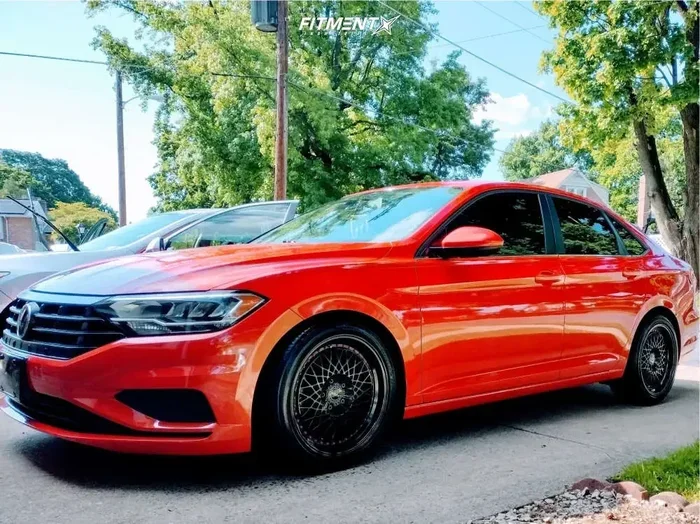
How Much Do Tires Cost for a Volkswagen Jetta Guide
How much do tires cost for a Volkswagen Jetta depends on tire type, brand, and size. Budget tires typically run $45 to $75 per tire, mid-range options cost $80 to $120, and premium tires can reach $150 to $200 each. Installation, balancing, and alignment add extra costs, so planning ahead helps you stay within budget.
Owning a Volkswagen Jetta comes with many joys. The ride is smooth, the styling is clean, and the fuel economy is solid. But at some point, every Jetta owner faces a question: how much do tires cost for a Volkswagen Jetta. The answer is not as simple as picking a number off a shelf. Tire prices depend on many factors, including the type of tire, the brand, the size, and whether you choose OEM or aftermarket options.
In this guide, we break down everything you need to know about tire cost for a Volkswagen Jetta. We will look at average prices, the different tire types available, installation fees, and smart ways to save money. Whether you need a basic set of economy tires or high-performance rubber, this guide has you covered. Let us dive in and make sure you are fully informed before your next purchase.
Key Takeaways
- Tire prices vary widely: Expect to pay between $45 and $200 per tire depending on the brand and type you choose.
- Installation costs add up: Budget an extra $15 to $30 per tire for mounting, balancing, and disposal fees.
- All-season tires are the most popular choice: They offer a great balance of comfort, traction, and durability for daily driving.
- Timing your purchase matters: Buying tires during seasonal sales or promotions can save you significant money.
- Regular maintenance extends tire life: Proper tire pressure, rotation, and alignment can add thousands of miles to your tires.
- OEM tires are convenient but pricier: Aftermarket options often provide better value without sacrificing quality.
- Watch for warning signs: Low tread depth, cracks, and vibration signal it is time for a tire replacement.
📑 Table of Contents
What Affects the Cost of Tires for a Volkswagen Jetta
Before you shop for new tires, it helps to understand what drives the price. Several key factors determine how much you will pay. Knowing these factors gives you an edge when comparing quotes and making decisions.
Tire Size and Type Matter
The Volkswagen Jetta comes in different trims, and each trim uses a different tire size. Base models often use 15-inch or 16-inch wheels. Higher trims like the GLI or R-Line may use 17-inch or even 18-inch wheels. Larger wheels mean larger tires, and larger tires cost more.
The type of tire you choose also plays a big role. All-season tires are the most common choice for Jetta owners. They work well in rain, light snow, and dry conditions. If you live in a very cold area, you might consider winter tires for better grip. For drivers who enjoy spirited driving, performance tires offer sharper handling but come at a higher price. Touring tires are another popular option, offering a quiet ride and long tread life.
One thing to keep in mind is the weight of the vehicle. The Jetta is quite a bit heavy for a car, and that weight affects how much your tires wear over time. Heavier vehicles put more stress on tires, which can influence the type and durability you need.
OEM vs Aftermarket Tires
When you buy a new Jetta, it often comes with OEM tires. These are tires chosen by Volkswagen and installed at the factory. OEM tires are convenient, but they are not always the best value. Many OEM tires are mid-range in quality, and you can often find better-performing aftermarket tires for less money.
Aftermarket tires come from brands like Michelin, Continental, Bridgestone, Goodyear, and Hankook. These brands offer a wide range of options at different price points. The key is to match the tire size and load rating to your Jetta’s specifications. You can find this information on the driver’s side door jamb or in your owner’s manual.
All-Season vs Performance Tires
Most Jetta owners choose all-season tires. They are practical, affordable, and work well in most weather conditions. A good set of all-season tires typically costs between $80 and $120 per tire. They offer a balanced mix of comfort, traction, and tread life.
Performance tires are designed for drivers who want more responsive handling. They use softer rubber compounds and more aggressive tread patterns. The trade-off is that they wear out faster and cost more. A set of performance tires can run $130 to $200 per tire. If you drive your Jetta mostly on highways and do not need the extra grip, all-season tires are the smarter choice.
Quick Tip: Check your Jetta’s owner manual for the recommended tire size and pressure. Sticking with the factory specifications helps maintain fuel economy and ride comfort.
Average Tire Prices for Volkswagen Jetta Models
Now let us look at the numbers. The table below gives you a general idea of what to expect when shopping for tires for a Volkswagen Jetta. Prices can vary by region, store, and current promotions.
Budget Tire Options
Budget tires are a great choice if you are on a tight budget. Brands like General, Falken, and Kumho offer affordable options that still deliver decent performance. These economy tires typically cost between $45 and $75 per tire. They may not be the quietest or longest-lasting, but they get the job done safely.
Keep in mind that budget tires often have a shorter tire lifespan. You may need to replace them every 40,000 to 50,000 miles, compared to 60,000 or more for premium tires. If you drive a lot, the savings upfront can disappear faster than you expect.
Mid-Range Tire Options
Mid-range tires hit the sweet spot between price and quality. Brands like Michelin Defender, Continental TrueContact, and Bridgestone Ecopia fall into this category. You can expect to pay between $80 and $120 per tire. These tires offer excellent tread life, good fuel economy, and low road noise.
For most Jetta owners, mid-range tires are the best value. They provide a comfortable ride, reliable traction in wet conditions, and a tire warranty that often covers 60,000 to 70,000 miles.
Premium Tire Options
Premium tires are for drivers who want the best of everything. Brands like Michelin Pilot Sport, Continental SportContact, and Pirelli P Zero fall into this category. These tires deliver outstanding handling, quiet operation, and long tread life. However, they come at a premium price of $130 to $200 per tire.
Premium tires often feature advanced tire tread designs and specialized rubber compounds. They also tend to improve fuel economy slightly due to lower rolling resistance. If you prioritize driving feel and comfort, the extra cost may be worth it.
| Tire Category | Price Per Tire | Typical Lifespan | Best For |
|---|---|---|---|
| Budget (Economy) | $45 – $75 | 40,000 – 50,000 miles | Short-term use, tight budgets |
| Mid-Range | $80 – $120 | 55,000 – 70,000 miles | Daily driving, best value |
| Premium | $130 – $200 | 65,000 – 80,000 miles | Performance, comfort, longevity |
These prices are for a single tire and do not include installation. The total cost for a full set of four tires will be higher once you add mounting, balancing, and any other fees.
Installation and Additional Costs You Need to Know
Buying tires is only part of the equation. The tire installation cost adds to your total bill. Understanding these extra costs helps you budget accurately and avoid surprises at the checkout counter.
Tire Installation Fees
Most tire shops charge between $15 and $30 per tire for installation. This fee covers mounting the tire onto the wheel, seating it properly, and inflating it to the correct tire pressure. Some shops include basic installation in the price of the tire, so always ask before you buy.
If you also need new valve stems, expect to pay an extra $2 to $5 per tire. Tire disposal fees for your old tires typically run $2 to $5 per tire as well. These small fees add up, so factor them into your total cost.
Wheel Alignment and Balancing
After installing new tires, a wheel alignment is highly recommended. A proper alignment ensures your tires wear evenly and your Jetta tracks straight. The average cost for a four-wheel alignment ranges from $80 to $120.
Tire balancing is usually included in the installation fee, but some shops charge extra. Balancing prevents vibrations at highway speeds and helps your tires last longer. It is a small cost that pays off in the long run.
If you drive a diesel Jetta, you might wonder if high mileage affects your tire wear differently than a gasoline model. The answer is that diesel Jettas tend to have more torque, which can wear tires slightly faster. Staying on top of alignment and rotation becomes even more important for diesel owners.
Tire Pressure and Maintenance
Proper tire pressure is one of the easiest ways to extend the life of your tires. Underinflated tires wear out faster on the outer edges of the tread, while overinflated tires wear in the center. Check your tire pressure at least once a month using a reliable gauge.
The recommended tire pressure for a Volkswagen Jetta is typically between 32 and 35 PSI. You can find the exact number on the sticker inside the driver’s door frame. Keeping your tires properly inflated also improves fuel economy and makes your ride safer.
Expert Insight: Many drivers overlook the importance of regular tire rotation. Rotating your tires every 5,000 to 7,500 miles promotes even wear and can add significant mileage to your set. It is one of the cheapest maintenance tasks with the biggest payoff.
How to Save Money on Jetta Tires
Tires are a necessary expense, but that does not mean you have to overspend. There are several smart strategies to reduce your tire replacement cost without sacrificing safety or quality.
Buy at the Right Time
Timing your tire purchase can lead to real savings. Many tire retailers run promotions during spring and fall, when tire switching season is in full swing. Black Friday and holiday sales events also often feature deep discounts on popular tire brands.
Consider buying a full set of four tires together. Many shops offer package deals that include installation, balancing, and alignment at a bundled price. These packages can save you $50 to $100 compared to buying each service separately.
Maintenance Tips to Extend Tire Life
The best way to save money on tires is to make them last longer. Here are some simple habits that help:
- Check tire pressure monthly: Proper inflation is the single most important factor in tire longevity.
- Rotate your tires regularly: Follow the interval in your owner manual, typically every 5,000 to 7,500 miles.
- Get a wheel alignment checked yearly: Misaligned wheels cause uneven wear and shorten tire life.
- Avoid hard braking and sharp turns: Aggressive driving wears tires faster and reduces tire lifespan.
- Inspect tires for damage: Look for cuts, bulges, or embedded objects regularly. Catching problems early prevents costly replacements.
The Volkswagen Jetta is not a 10 seater car for travelling, but it is still a comfortable and reliable choice for family road trips and daily commutes. Taking care of your tires ensures every journey is safe and smooth.
When to Replace Your Volkswagen Jetta Tires
Knowing when to replace your tires is just as important as knowing how much they cost. Driving on worn tires is dangerous and can lead to longer stopping distances, especially on wet roads.
Signs Your Tires Need Replacement
Watch for these warning signs that indicate it is time for new tires:
- Low tread depth: The penny test is a quick and easy way to check. Insert a penny into the tread with Lincoln’s head facing down. If you can see the top of his head, your tread is too low and it is time for a replacement.
- Cracks or bulges: Visible cracks in the sidewall or bulges indicate structural damage. These tires need to be replaced immediately.
- Vibration while driving: Excessive vibration at highway speeds can signal an unbalanced tire or uneven wear. Have your tires inspected if you notice this.
- Increased road noise: If your ride has become noticeably louder, your tire tread may be worn down. Worn tread creates more road noise and reduces comfort.
- Frequent air loss: If you are adding air to your tires more often than usual, there may be a slow leak or damage that requires replacement.
Tire Warranty and Lifespan
Most quality tires come with a tire warranty that covers defects and premature wear. Manufacturer warranties typically range from 50,000 to 80,000 miles, depending on the brand and model. Some warranties also include road hazard coverage for a set period of time after purchase.
The average tire lifespan for a Volkswagen Jetta is between 50,000 and 70,000 miles. However, this varies based on driving habits, road conditions, and maintenance. Drivers in harsh climates or those who drive aggressively may see shorter tire life.
Final Thoughts on Jetta Tire Costs
The cost of replacing tires on a Volkswagen Jetta can range from about $180 for a budget set to over $800 for premium tires, including installation. Most owners fall somewhere in the middle, spending between $350 and $550 for a full set of four mid-range tires with installation and alignment.
Understanding how much do tires cost for a Volkswagen Jetta empowers you to make informed decisions. You do not need to overspend, but you also should not cheap out on safety. Choose tires that match your driving needs, budget, and local weather conditions. With proper care and maintenance, your new tires will keep you rolling safely for many miles to come.
Take the time to compare prices, read reviews, and ask questions at your local tire shop. A well-informed purchase leads to a better experience and better value. Your Jetta deserves tires that match its quality, and now you have the knowledge to find them.
Frequently Asked Questions
What is the average cost to replace all four tires on a Volkswagen Jetta?
The average cost to replace all four tires on a Volkswagen Jetta ranges from $350 to $550, including installation, balancing, and disposal fees. Budget options start around $180 for the full set, while premium tires can cost $800 or more. The exact price depends on the tire brand, size, and type you choose for your Jetta.
How often should I replace the tires on my Volkswagen Jetta?
Most tires on a Volkswagen Jetta last between 50,000 and 70,000 miles with proper care. Factors like driving habits, road conditions, and climate affect how quickly your tires wear out. Regular tire rotation, maintaining proper tire pressure, and annual alignment checks can help extend the lifespan of your tires significantly.
Can I use different tire brands on my Volkswagen Jetta?
Yes, you can mix tire brands on a Volkswagen Jetta, but it is best to use the same brand, size, and tread pattern on all four wheels. Mismatched tires can cause uneven wear, handling issues, and reduced safety. If you must mix tires, always place matching pairs on the same axle.
Are OEM tires worth the extra cost for a Volkswagen Jetta?
OEM tires are convenient and meet Volkswagen’s specifications, but they are not always the best value. Aftermarket tires from reputable brands often offer better performance, longer tread life, and lower prices. Check your owner manual for the correct tire size and then compare options from both OEM and aftermarket sources.
Do I need a wheel alignment after replacing tires on my Jetta?
Yes, a wheel alignment is highly recommended after installing new tires on your Volkswagen Jetta. Proper alignment ensures even tire wear, straight tracking, and optimal fuel economy. The cost of an alignment typically ranges from $80 to $120, which is a small investment that protects your tire purchase.
What tire size does a Volkswagen Jetta use?
Volkswagen Jetta tire sizes vary by model year and trim level. Common sizes include 195/65R15 for base models, 205/55R16 for mid-level trims, and 225/45R17 for higher-performance versions. Check the sticker on the driver’s side door jamb or your owner’s manual to confirm the correct tire size for your specific Jetta.