How Many People Can a Hyundai Santa Fe Actually Seat
The Hyundai Santa Fe is a popular family SUV that can seat either 5 passengers or 7 passengers depending on the trim and model year. Most standard configurations offer five seating positions, while select trims include a third-row seat for extra capacity. Understanding your Santa Fe’s seating setup helps you plan for family trips, carpooling, and everyday driving comfort.
The Hyundai Santa Fe is one of the most popular family SUVs on the road today. If you are shopping for a vehicle that can carry your whole crew, you need to know exactly how many people can fit inside. So, how many people can a Hyundai Santa Fe actually seat? The answer depends on the model year, trim level, and configuration you choose. Most Santa Fe models comfortably seat five passengers, while certain trims offer a third-row option that brings the total up to seven seats. In this guide, we break down everything you need to know about the Santa Fe’s seating capacity, interior space, and what to expect from each configuration.
When you buy a family SUV, seating capacity is one of the first things you check. The Hyundai Santa Fe has built a strong reputation for offering flexible seating that works for small families and larger households alike. Whether you are picking up the kids from school or heading out on a road trip, knowing your vehicle’s limits matters. But the number of seats is not the only thing to consider. Interior space, comfort, and cargo room all play a role in how enjoyable your rides will be. Let us dive into the details of what the Santa Fe offers in terms of passenger seating.
Key Takeaways
- 5 or 7 Seats: The Hyundai Santa Fe seats five passengers in most trims, with an optional third row that brings capacity to seven in select configurations.
- Trim Matters: Higher trims like Limited and Calligraphy are more likely to include the sliding second-row bench and third-row seating.
- Third Row Is Compact: The third row works best for children or smaller adults and is not ideal for long-distance adult travel.
- Weight Limits Apply: Every Santa Fe has a maximum gross vehicle weight rating that includes passengers and cargo combined.
- Cargo Space Shifts: Folding down rear seats dramatically increases cargo room when all passengers are accounted for.
- Hybrid Models Follow the Same Layout: The Santa Fe Hybrid and Plug-in Hybrid offer identical seating configurations to gas models.
- Test Drive Both Configs: Always test drive with your family to confirm comfort in every row before making a purchase decision.
📑 Table of Contents
How Many People Can a Hyundai Santa Fe Actually Seat
The Standard 5-Passenger Setup
The most common Santa Fe configuration seats five people. This setup includes two front seats and three rear seats. The front seats are spacious and offer plenty of adjustment options. Most drivers and front passengers will find the headroom and legroom more than adequate for daily driving and road trips alike.
The rear bench seat comfortably fits three adults in most cases. However, taller passengers may find the rear seat a bit snug on longer drives. The center rear position has a standard seatbelt and is usable for shorter trips. Overall, the five-seat layout works great for everyday commuting and family outings. It also leaves you with generous cargo space behind the rear seats for groceries, luggage, or sports gear.
The 7-Passenger Third-Row Option
Some Santa Fe trims and model years include a second-row bench that slides forward and backward. This sliding feature allows you to access a small third-row seat behind the second row. When the third row is in use, the Santa Fe becomes a seven-passenger vehicle. This is a great option for families who occasionally need to carry extra people.
The third row is best suited for children or smaller adults. It is not designed for long-distance travel with full-grown passengers. You will find that the third row works well for carpooling kids or adding an extra seat on short trips. When the third row is folded down, you gain significant cargo space for luggage or gear. This flexibility is one of the main reasons families choose the Santa Fe over smaller SUVs.
Santa Fe Seating by Trim Level
SE and SEL Trims
The base SE trim typically comes with the standard five-seat layout. This trim focuses on value and essential features. You get comfortable front seats and a rear bench that handles most family needs. The SEL trim builds on this with slightly upgraded materials and additional comfort features.
Both the SE and SEL trims offer the same five-passenger capacity in most configurations. If you need a third row, you may need to look at higher trims or specific model years. Always check the exact specs for the year you are considering. The Hyundai Santa Fe seating configuration can vary even within the same trim depending on the model year and market.
Limited and Calligraphy Trims
The Limited and Calligraphy trims often include the sliding second-row bench. This feature is what enables the three-row, seven-seat setup. These higher-end trims also offer premium leather seating and more room-adjustment options. The Limited trim provides extra comfort for all passengers, while the Calligraphy trim takes it a step further with upscale materials and design details.
If you need to seat seven people regularly, these trims are worth the investment. The sliding second row makes getting to the third row much easier. It also allows you to adjust the cabin balance between passenger room and cargo space. For families who do both, this flexibility is invaluable.
The Hybrid and Plug-In Hybrid Versions
The Santa Fe Hybrid and Santa Fe Plug-in Hybrid also follow the same seating patterns. Most hybrid versions come in the five-seat configuration. Some hybrid trims may offer the third-row option depending on the model year and market. The hybrid powertrain does not change the seating layout in any way.
You still get the same passenger capacity as the gas-powered versions. The hybrid system adds efficiency without sacrificing seating space. If fuel economy matters to you, the hybrid Santa Fe is a great choice that does not limit your seating options. You get all the same comfort and room features as the standard models.
Interior Comfort and Passenger Space
Front Seat Experience
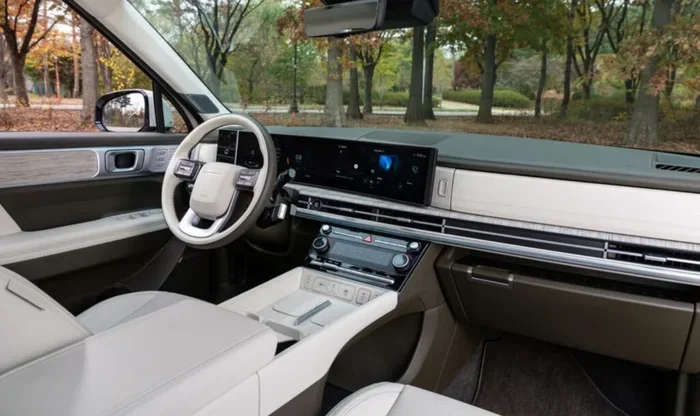
The front seats in the Santa Fe are comfortable and supportive. They offer multi-way power adjustment in most trims. You can adjust the seat height, recline angle, and lumbar support to find your perfect position. Tall drivers will appreciate the generous headroom in the front cabin.
The seats are padded well enough for long drives without causing fatigue. The steering wheel also telescopes and tilts for easy positioning. Overall, the front seat experience is one of the best in this SUV class. Whether you drive the Santa Fe every day or only on weekends, the front seats make the journey pleasant.
Rear Seat Comfort and Legroom
Rear seat comfort varies depending on the configuration. In the five-seat model, the rear bench provides decent legroom for adults. The seat cushions are reasonably wide and supportive. Rear passengers get their own center armrest with cupholders. The rear climate controls also let backseat passengers adjust their comfort.
In the seven-seat model, the second row offers more flexibility. You can slide the second-row seats forward or backward to adjust legroom. This is especially useful when the third row is occupied. When all seven seats are in use, legroom in the second and third rows is tight. For short trips, it works fine. For longer journeys, you may want to consider the five-seat setup for better comfort.
Cargo Space Considerations
When all seats are in use, cargo space is limited. Behind the third row, you have room for a few bags or small suitcases. Folding down the third row opens up more space for larger items. Folding the second and third rows creates a nearly flat load floor that can handle bulky gear.
For a family of five with gear, the five-seat configuration works best. The cargo area behind the rear seats is generous enough for weekend trips. If you frequently carry more than five people, plan your cargo carefully or use the seven-seat layout only when needed. Keeping your Santa Fe cargo space organized makes every trip more enjoyable.
Weight Limits and Passenger Capacity
Understanding Vehicle Weight Ratings
Every vehicle has a maximum weight limit, known as the Gross Vehicle Weight Rating or GVWR. This includes the weight of the vehicle itself plus passengers and cargo. The Santa Fe’s GVWR is designed to safely carry its rated number of passengers plus their belongings. Staying within this limit is essential for safe operation.
Exceeding the weight limit can affect handling and safety. It can also put extra strain on the engine and brakes. If you frequently carry a full load of passengers and gear, stay within the manufacturer’s recommended limits. For more details on vehicle weight and its impact on performance, check out our guide on what counts as heavy for a car. Understanding your vehicle’s weight capacity helps you make smarter decisions about loading up for trips.
How Passenger Weight Affects Performance
The total weight of your passengers matters more than you might think. Five average adults can add around 800 to 1,000 pounds to the vehicle. This additional weight affects fuel economy and acceleration. Heavier loads also increase stopping distances and put more demand on the suspension system.
If you often carry a full complement of passengers, keep this in mind. The Santa Fe handles extra weight well, but performance does shift slightly. Distributing weight evenly across the seats helps maintain balanced handling. For insights on mileage and how weight affects your fuel economy over time, read our piece on mileage expectations for diesel engines as a useful comparison point. Even though the Santa Fe is not a diesel, the principle of weight affecting fuel economy applies across all vehicle types.
Santa Fe Seating Compared to Other SUVs
How the Santa Fe Stacks Up
The Santa Fe seats five passengers in its most common form. Some competitors in the same class offer seven seats as standard. Vehicles like the Ford Explorer and Chevrolet Traverse come with three rows more readily available. These larger SUVs are designed from the ground up for maximum passenger capacity.
However, the Santa Fe offers a better balance of size and drivability. Its compact dimensions make it easier to park and maneuver in tight spaces. The five-seat layout also means more cargo room for those who do not need a third row. If you only need to seat five people most of the time, the Santa Fe is an excellent choice that delivers comfort and efficiency.
For families who occasionally need seven seats, the Santa Fe’s optional third row provides a practical solution. It is not as spacious as full-size SUVs, but it handles the job well for most situations. You get the best of both worlds: a manageable SUV size with the option to expand when you need it.
Practical Tips for Filling Your Santa Fe
Choosing the Right Configuration for Your Family
Think about your daily needs before choosing a seating setup. If you have a family of four or five, the standard five-seat model works perfectly. You get more cargo room and often a lower price tag. The five-seat Santa Fe is also lighter, which can improve fuel economy slightly.
If you regularly carpool or have a larger family, the seven-seat version makes sense. Keep in mind that the third row is best for children or occasional use. Test drive both configurations to see which feels right for your lifestyle. Bring your family along on the test drive so everyone can check their comfort level in every row.
Maintaining Comfort with Full Occupancy
When all seats are filled, comfort can take a hit in the rear rows. Encourage passengers in the third row to use cushions for added support. Keep the second-row seats in the position that gives the best balance of legroom and access. Small adjustments can make a big difference on longer drives.
Regular cleaning also helps maintain a pleasant interior. With more passengers, the interior gets dirty faster. Use seat covers and floor mats to protect the upholstery. A clean interior makes every ride more enjoyable for everyone. Consider keeping a small organizer on the back of the front seats for snacks, wipes, and entertainment items.
Safety Considerations with Full Loads
Safety should always come first when carrying passengers. Make sure every occupant has a functioning seatbelt. Children under a certain height and age need appropriate car seats or boosters. The Santa Fe comes with advanced safety features like blind-spot monitoring and rear cross-traffic alert, which are especially helpful when the vehicle is full.
Do not exceed the vehicle’s passenger limit. The Santa Fe is rated for a specific number of occupants. Adding more people than the vehicle is designed for is dangerous and illegal. Always follow the manufacturer’s guidelines for safe occupancy. When in doubt, consult your owner’s manual for the exact passenger and weight specifications.
Final Thoughts on Hyundai Santa Fe Seating
The Hyundai Santa Fe is a versatile SUV that can seat five passengers as standard and up to seven in certain configurations. Whether you need a compact family hauler or a vehicle that occasionally accommodates extra passengers, the Santa Fe delivers. The five-seat model offers the best balance of comfort and cargo room for most families.
If you need a third row, the higher trims provide a practical solution without sacrificing too much space. Understanding your Santa Fe’s seating capacity helps you make the most of every drive. Choose the configuration that fits your lifestyle, and you will enjoy many comfortable miles ahead. The Santa Fe proves that you do not need a massive SUV to seat your whole family with confidence and style.
Frequently Asked Questions
Can a Hyundai Santa Fe seat 7 people?
Yes, certain trims and model years of the Hyundai Santa Fe offer a third-row seat that brings the total capacity to seven passengers. This feature is typically found in higher trims like the Limited and Calligraphy. However, the third row is best suited for children or smaller adults and is not ideal for long-distance travel with full-grown passengers.
How many people does a standard Hyundai Santa Fe seat?
The standard Hyundai Santa Fe seats five passengers, with two seats in the front and three in the rear. This is the most common configuration across most trim levels and model years. It offers comfortable seating for a small family or a couple with frequent carpool needs.
Is the third row in the Santa Fe comfortable for adults?
The third row in the Santa Fe is compact and best suited for children or shorter adults. Full-grown adults may find the space tight, especially on longer drives. It works well for occasional use or carpooling kids, but it is not designed for everyday adult occupancy.
Does the Santa Fe Hybrid have the same seating capacity?
Yes, the Hyundai Santa Fe Hybrid follows the same seating patterns as the gas-powered version. Most hybrid models seat five passengers, with some trims offering the optional third-row seating for seven passengers total. The hybrid powertrain does not reduce or change the seating layout in any way.
How does seating five affect cargo space in the Santa Fe?
With all five seats in use, the Santa Fe still offers generous cargo space behind the rear seats. You can fit several suitcases, grocery bags, or sports equipment without much trouble. Folding the rear seats flat creates an even larger load area for bulkier items.
What should I check before buying a Santa Fe for my family?
Before buying, consider how many people you regularly transport and whether you need a third row. Test drive the vehicle with your family to check comfort levels in all seats. Also review the cargo space and safety features to make sure the Santa Fe meets your family’s specific needs and lifestyle.
=== CONCLUSION ===
The Hyundai Santa Fe offers flexible seating that adapts to different family sizes and lifestyles. With a standard five-seat layout and an optional third row for seven passengers, it covers a wide range of needs. The key is choosing the right trim and configuration for your daily routine. Whether you prioritize cargo space or maximum passenger capacity, the Santa Fe has a setup that works.
Remember to consider weight limits, comfort, and safety when filling your Santa Fe to capacity. Regular maintenance and smart loading habits will keep your vehicle running smoothly for years. The Hyundai Santa Fe seats a generous number of people without sacrificing the driving experience that made it a family favorite. Take the time to test both configurations, and you will find the perfect fit for your household.