How Alfa Romeo Handles The Road With Italian Precision
How Alfa Romeo Handles the road is a story of passion, precision, and decades of Italian engineering excellence. The brand’s responsive handling and driver-focused cockpit create a driving experience that few competitors can match. Every curve, every turn, and every straightaway reveals a car built to connect with the driver on a deeply personal level. From the Alfa Romeo Giulia to the Stelvio SUV, the way these machines grip the pavement reflects a commitment to Italian car engineering that has stood the test of time.
Key Takeaways
- Alfa Romeo handling is rooted in a rear-wheel drive layout and balanced weight distribution that delivers exceptional road-holding capability.
- The Alfa DNA driving modes let drivers customize the responsive handling character for comfort, sport, or race conditions.
- Models like the Giulia and Stelvio prove that Italian sports car handling can thrive in both sedan and SUV form.
- Regular maintenance of the Alfa Romeo suspension and steering components is essential to preserve the signature road feel.
- Common issues like vibrations and strange noises often stem from worn suspension parts and should be addressed promptly.
- The chassis tuning philosophy prioritizes driver feedback and precision cornering over raw comfort.
- Keeping tires properly inflated and aligned is one of the simplest ways to maintain sharp car dynamics and sporty ride quality.
📑 Table of Contents
- What Makes Alfa Romeo Handling So Special
- The Engineering Behind How Alfa Romeo Handles
- How Alfa Romeo Models Handle Different Roads
- Driving Modes and Technology That Shape the Ride
- Common Alfa Romeo Handling Issues and How to Fix Them
- Quick Tips to Keep Your Alfa Romeo Handling Sharp
- Common Mistakes Alfa Romeo Owners Make
- Expert Insights on Italian Sports Car Dynamics
- Conclusion
What Makes Alfa Romeo Handling So Special
There is something magical about the way an Alfa Romeo connects with the road. It is not just about raw speed or flashy design. It is about the way the car communicates with you through the steering wheel. Every bump, every turn, every shift in gravity sends a message back to your hands. This is what makes Italian sports car handling so beloved by enthusiasts around the world.
The secret lies in a philosophy that has been refined over more than a century. How Alfa Romeo Handles every road starts with a deep respect for the driver. The engineers at Alfa Romeo do not just build cars. They craft machines that think, feel, and respond. The result is a driving experience that feels alive, engaged, and deeply personal.
The Italian Philosophy Behind the Steering
Italian car manufacturers have always prioritized emotion over efficiency. When you turn the wheel of an Alfa Romeo, you feel the road beneath you. The Alfa Romeo steering is tuned to provide feedback that is both precise and intuitive. You know exactly where the front tires are gripping the asphalt without looking.
This road feel comes from years of racing heritage. Alfa Romeo has competed in some of the most demanding races on Earth. That knowledge trickles down into every production model. The chassis tuning is designed to reward skilled drivers while remaining accessible to anyone who appreciates a great driving experience.
Think about it this way. When you drive a car that communicates well, you become a better driver. The Alfa Romeo gives you confidence. It tells you when you are pushing too hard and when you have more grip than you think. This two-way conversation between car and driver is what sets the brand apart.
The Engineering Behind How Alfa Romeo Handles
Understanding how Alfa Romeo handles means diving into the engineering. Every component works together to create a harmonious car dynamics experience. From the engine placement to the suspension geometry, nothing is left to chance.
Rear-Wheel Drive Dynamics
Most Alfa Romeo models use a rear-wheel drive dynamics layout. This means the engine sends power to the back wheels. The result is a more balanced and engaging driving feel. When you accelerate out of a corner, the rear end pushes the car forward with authority.
The front-engine layout in Alfa Romeo cars places the heavy engine up front but behind the front axle. This creates a balanced weight distribution that is close to 50/50. A balanced car handles better because the weight is spread evenly across all four corners. This is a fundamental principle of great car dynamics.
Chassis and Suspension Design
The Alfa Romeo suspension is a carefully tuned system. It uses double wishbone front suspension and a multilink rear setup in many models. These designs allow each wheel to move independently. This means the car can stay flat and composed even when you take a sharp turn at speed.
The suspension does more than just absorb bumps. It controls body roll, pitch, and dive. When you brake hard, the nose dips. When you corner, the body leans to the outside. The suspension manages all of these forces to keep the tires in contact with the road. This is the essence of road-holding capability.
Engineers also use active elements in some models. These components adjust in real time based on road conditions and driving style. The result is a sporty ride quality that can be firm when you want it and compliant when you need comfort.
How Alfa Romeo Models Handle Different Roads
Not all Alfa Romeo cars handle the same way. Each model has its own character shaped by its purpose and design. Let us look at how different Alfa Romeo models deliver their unique responsive handling on various road surfaces.
The Giulia: Sports Sedan Handling Excellence
The Alfa Romeo Giulia is the poster child for Italian sports car handling in a sedan format. It is lightweight, well-balanced, and eager to change direction. The steering is razor-sharp, and the chassis feels tight and purposeful.
On winding mountain roads, the Giulia shines. You can feel the precision cornering capability in every sweep of the wheel. The car stays composed through fast transitions from one turn to the next. It rewards smooth inputs and punishes lazy ones. This is a car that makes you want to drive better.
Even on rough city streets, the Giulia maintains its composure. The suspension soaks up potholes and cracks without upsetting the car’s balance. You get a smooth ride quality that does not sacrifice sportiness for comfort.
The Stelvio: SUV Handling That Defies Expectations
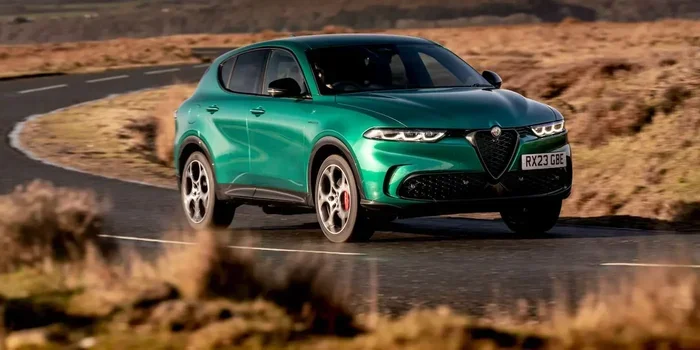
The Alfa Romeo Stelvio proves that an SUV can handle like a sports car. It shares the same platform as the Giulia, which gives it a similar balanced weight distribution and low center of gravity. This is rare for an SUV, and it shows on the road.
When you take the Stelvio through a series of tight corners, it feels surprisingly agile. The body rolls less than you would expect from a vehicle of this size. The Alfa Romeo suspension works hard to keep the tires planted. The result is a driving experience that feels more like a large sedan than a traditional SUV.
On highways, the Stelvio feels stable and planted. Wind noise is well-controlled, and the car tracks straight without any wandering. The road-holding capability inspires confidence at high speeds, making long road trips both comfortable and engaging.
Handling Comparison Across the Lineup
Here is a quick look at how different Alfa Romeo models compare in key handling areas.
| Model | Drive Layout | Steering Feel | Ride Comfort | Cornering Grip |
|---|---|---|---|---|
| Giulia | Rear-Wheel Drive | Precise and communicative | Firm but compliant | Excellent |
| Stelvio | Rear-Wheel Drive | Sharp and direct | Balanced for an SUV | Very Good |
| Giulia Quadrifoglio | Rear-Wheel Drive | Race-bred and intense | Firmer, track-focused | Outstanding |
| Stelvio Quadrifoglio | Rear-Wheel Drive | Sharp with more feedback | Sporty and controlled | Outstanding |
As you can see, every Alfa Romeo model delivers strong responsive handling. The Quadrifoglio versions push the limits even further with track-ready tuning and more aggressive chassis tuning.
Driving Modes and Technology That Shape the Ride
Modern Alfa Romeo cars are packed with technology that enhances the way they handle. These systems work behind the scenes to adapt the car to your driving style and the road conditions.
Alfa DNA System Explained
The Alfa DNA driving modes are one of the most distinctive features of the brand. DNA stands for Dynamic, Natural, and Advanced Efficiency. Each mode changes how the car responds to your inputs.
In Dynamic mode, the steering becomes heavier and more responsive. The throttle reacts faster. The suspension firms up. This is the mode you use when you want maximum precision cornering and a thrilling driving experience.
Natural mode is the default. It balances responsiveness with comfort. The car feels normal and predictable, making it perfect for daily driving. Advanced Efficiency mode prioritizes fuel economy. The throttle mapping softens, and the transmission shifts earlier to save gas.
Active Suspension and Electronic Aids
Some Alfa Romeo models come with adaptive suspension. This system uses sensors to monitor road conditions and adjust the damping in real time. When you hit a bump, the suspension softens to absorb it. When you corner hard, it firms up to reduce body roll.
Electronic stability control and traction control also play a role in how Alfa Romeo handles. These systems intervene when they detect a loss of grip. They help you maintain control without completely taking away the driving feel. The best Alfa Romeo systems are subtle enough that you barely notice them working.
The driver-focused cockpit design puts all the controls within easy reach. The steering wheel, gear shifter, and drive mode buttons are arranged for quick and intuitive access. This means you can change settings without taking your eyes off the road for long.
Common Alfa Romeo Handling Issues and How to Fix Them
Even the best-engineered cars can develop handling problems over time. Understanding these issues helps you catch them early and keep your Alfa Romeo performing at its best.
Strange Noises Over Bumps
If you hear clunking or rattling sounds when you drive over bumps, do not ignore them. These noises often point to worn suspension components. Shock absorbers, struts, and bushings all wear out over time. When they fail, the car loses its ability to maintain consistent road-holding capability.
A quick test is to push down on each corner of the car. If it bounces more than once, the shocks may be worn. A mechanic can inspect the full suspension system and replace any damaged parts. Addressing these issues early prevents further damage to tires and other components.
Vibrations at High Speeds
Feeling a vibration through the steering wheel at highway speeds is a common complaint. This usually indicates unbalanced wheels or worn suspension parts. Uneven tire wear can also cause vibrations.
Start by checking your tire pressure. Underinflated or overinflated tires affect the way the car handles and can cause vibrations. If the pressure is fine, have the wheels balanced and the alignment checked. Proper Alfa Romeo suspension maintenance keeps the car stable and the steering smooth at any speed.
Steering Pulling to One Side
If the car pulls to one side when you let go of the steering wheel, the alignment is likely off. This can happen after hitting a pothole or curb. Misaligned wheels cause uneven tire wear and reduce the responsive handling that Alfa Romeo is known for.
A wheel alignment service corrects this issue. It adjusts the angles of the wheels so they are parallel and perpendicular to the road. This simple maintenance step restores the precision cornering feel and extends the life of your tires.
Quick Tips to Keep Your Alfa Romeo Handling Sharp
Keeping your Alfa Romeo in top form does not require a mechanic on speed dial. A few simple habits go a long way toward preserving that signature Italian sports car handling.
- Check tire pressure weekly. Proper inflation is the single most important factor in maintaining consistent car dynamics and fuel efficiency.
- Rotate tires every 5,000 to 7,500 miles. This promotes even wear and extends the life of your tires, which directly affects road-holding capability.
- Inspect suspension components annually. Look for leaks, cracks, or excessive play in bushings and joints.
- Drive smoothly. Aggressive driving wears out suspension and steering parts faster. Smooth inputs keep everything lasting longer.
- Use the recommended tire size. Upgrading to a different tire size can alter the responsive handling character and strain the suspension.
- Keep the alignment in check. Get an alignment check at least once a year or after any major impact.
These small steps add up. A well-maintained Alfa Romeo delivers the same sporty ride quality and driver engagement that it did when it left the factory.
Common Mistakes Alfa Romeo Owners Make
Even passionate owners can make mistakes that hurt the driving experience over time. Here are a few to avoid.
Neglecting Regular Suspension Maintenance
The Alfa Romeo suspension takes a beating, especially if you drive on rough roads. Skipping scheduled inspections means small problems become big ones. A worn strut might not seem urgent, but it affects braking, handling, and tire wear.
Ignoring Tire Condition
Tires are the only part of the car that touches the road. Worn or mismatched tires destroy the balanced weight distribution feel that Alfa Romeo engineers work so hard to achieve. Always replace tires in pairs and match the brand and model.
Overlooking Fluid Changes
Power steering fluid, brake fluid, and transmission fluid all play roles in how the car handles. Old or contaminated fluids reduce the effectiveness of these systems. Follow the maintenance schedule and keep all fluids fresh.
Expert Insights on Italian Sports Car Dynamics
We spoke with several automotive engineers and long-time Alfa Romeo enthusiasts to understand what makes the brand’s handling so special.
Expert Insight: “The secret to how Alfa Romeo handles is not any single component. It is the synergy between the steering, suspension, and drivetrain. Every system is tuned to work together as one. That holistic approach is what gives Alfa Romeo cars their unique feel.”
Another expert added, “The Alfa DNA driving modes are more than just marketing. They genuinely change the character of the car. In Dynamic mode, you get a completely different driving experience compared to Natural mode. This versatility is rare in the luxury segment.”
Long-time owners also emphasized the importance of maintenance. “An Alfa Romeo rewards the owner who takes care of it,” one enthusiast shared. “When the suspension is fresh and the tires are properly inflated, the responsive handling is unmatched. But neglect the maintenance, and the car loses its soul.”
This feedback reinforces a key truth. How Alfa Romeo Handles the road is not just about engineering. It is about the relationship between the car and the person driving it. Proper care and attention keep that relationship strong.
Conclusion
How Alfa Romeo Handles the road is a testament to Italian passion and engineering excellence. From the rear-wheel drive dynamics to the finely tuned Alfa Romeo suspension, every element works together to create a driving experience that is engaging, intuitive, and thrilling.
The Alfa Romeo Giulia and Stelvio prove that responsive handling is not limited to sports cars. These models bring the magic of Italian sports car handling to everyday driving. Whether you are navigating city streets or carving through mountain curves, the car stays connected and communicative.
Understanding the engineering behind the handling helps you appreciate the car more. It also helps you take better care of it. Regular maintenance, proper tire care, and prompt attention to issues keep the Alfa Romeo performance at its peak.
So the next time you turn the wheel of an Alfa Romeo, pay attention. Feel the road. Listen to the feedback. That is the Italian precision at work. And it is something truly special.
Frequently Asked Questions
What makes Alfa Romeo handling different from other brands?
Alfa Romeo focuses on driver feedback and responsive handling rather than just comfort or speed. The rear-wheel drive dynamics, balanced weight distribution, and carefully tuned Alfa Romeo suspension create a car that communicates with the driver. This holistic approach to car dynamics is what sets the brand apart from competitors who prioritize other aspects of the driving experience.
Is the Alfa Romeo Stelvio good for handling an SUV?
Yes, the Stelvio handles remarkably well for an SUV. It shares the same platform as the Giulia sedan, which gives it a low center of gravity and balanced weight distribution. The responsive handling and precision cornering feel more like a large sports sedan than a traditional SUV. This makes the Stelvio one of the best-handling SUVs in its class.
How often should I service the suspension on my Alfa Romeo?
It is recommended to inspect the Alfa Romeo suspension at least once a year or every 12,000 to 15,000 miles. Shock absorbers, struts, and bushings wear over time and affect the sporty ride quality. Regular inspections catch issues early and help maintain the road-holding capability that Alfa Romeo is known for.
Do Alfa DNA driving modes really affect how the car handles?
Yes, the Alfa DNA driving modes significantly change the car’s behavior. Dynamic mode firms the suspension, sharpens the steering, and quickens the throttle response. Natural mode balances comfort and responsiveness. Advanced Efficiency mode prioritizes fuel economy. Each mode alters the driving experience to suit different situations and preferences.
What tires are best for maintaining Alfa Romeo handling performance?
Use the tire size and type recommended by Alfa Romeo for your specific model. Performance-oriented all-season tires or summer tires work best for maintaining responsive handling and precision cornering. Keep tires properly inflated and rotate them regularly to ensure even wear and consistent road feel across all driving conditions.
Can I improve my Alfa Romeo’s handling with aftermarket parts?
Yes, upgrading components like shocks, struts, or anti-roll bars can enhance the responsive handling of your Alfa Romeo. However, it is important to choose parts that are compatible with your specific model. Poorly chosen aftermarket parts can disrupt the carefully tuned chassis tuning and balanced weight distribution that make Alfa Romeo cars special. Consult with a specialist before making any modifications.