How to Choose the Right Type of Window Tint for Your Home
Choosing the right window tint can block heat, protect against UV rays, and add privacy to any room. This guide covers every major tint type, from ceramic and carbon to dye-based films, so you can pick the best option with confidence. You will learn about tint percentages, installation tips, and common mistakes to avoid.
When it comes to window tint, the choices can feel overwhelming. There are so many types, shades, and percentages to consider. But here is the good news. Picking the right window tint does not have to be complicated. This guide breaks everything down into simple, easy-to-understand steps. Whether you are tinting your car or your home windows, you will find exactly what you need. Let us dive in and make this process smooth and stress-free.
Window tinting is one of the smartest upgrades you can make. It blocks harmful UV rays. It reduces heat inside your car or room. And it adds a layer of privacy and security. But not all tint films are the same. Some are designed for maximum heat rejection. Others focus on style or signal compatibility. Understanding the differences helps you choose with confidence. So let us explore every type of window tint available today.
Key Takeaways
- Ceramic tint offers the best heat rejection without interfering with signals or visibility.
- Dye-based tint is the most affordable option but fades faster over time.
- Carbon tint provides a sleek matte finish with excellent UV protection and durability.
- Tinted windows improve privacy and security for both homes and vehicles.
- Always check local regulations before choosing a tint percentage for your car or home.
- Professional installation ensures a bubble-free finish and longer-lasting performance.
📑 Table of Contents
- Why Window Tint Matters for Your Space
- Types of Window Tint Films Available
- How to Choose the Right Tint Percentage
- Window Tinting for Your Home: What to Consider
- Car Window Tinting: What You Need to Know
- Quick Tips for Choosing the Perfect Window Tint
- Common Mistakes People Make When Choosing Window Tint
- Expert Insight: What Professionals Recommend
- Conclusion
Why Window Tint Matters for Your Space
Before we look at the different types, it helps to understand why window tint matters in the first place. Tinted windows do much more than just look good. They serve real, practical purposes that improve your daily comfort.
Heat Reduction and Energy Savings
One of the biggest reasons people tint their windows is to reduce heat. A good window tint can block up to 70 percent of solar heat. This means your car stays cooler in summer. Your home stays comfortable without cranking the AC. Over time, this saves energy and lowers your electricity bills. It is a simple change that pays for itself.
UV Protection for Health and Interiors
Ultraviolet rays are harmful. They can cause skin damage and fade your furniture, carpets, and dashboards. A quality window tint blocks up to 99 percent of UV radiation. This protects your family and your belongings. If you spend a lot of time driving or sitting near windows, this benefit alone is worth it.
Privacy and Security
Tinted windows make it harder for people to see inside. This adds a layer of privacy for your home or car. It also makes it more difficult for thieves to spot valuables through glass. Many people feel much safer with window tint on their vehicles and living spaces.
Types of Window Tint Films Available
Not all tint films are created equal. Each type has its own strengths and weaknesses. Let us go through the most popular options so you can compare them side by side.
Dyed Window Tint
Dye-based window tint is the most common and affordable option. It uses a layer of dye sandwiched between the film and an adhesive backing. This type absorbs solar heat and reduces glare effectively. However, dyed tint tends to fade over time. It may turn purple or bubble after a few years of sun exposure. If you are on a tight budget, this is a decent starting point.
Metalized Window Tint
Metalized tint contains tiny metallic particles that reflect heat away from the glass. It is durable and does not fade easily. The metallic layer also strengthens the glass, making it more shatter-resistant. On the downside, metalized tint can interfere with phone signals and GPS. If you rely heavily on your phone while driving, this is something to consider.
Carbon Window Tint
Carbon window tint is a premium option that offers excellent heat rejection without metal. It has a sleek matte black finish that looks very clean and modern. Carbon film does not fade over time, which makes it a long-lasting choice. It also does not block electronic signals. This makes it a popular pick for people who want both style and function.
Ceramic Window Tint
Ceramic tint is the top-of-the-line option. It uses nano-ceramic particles to block heat and UV rays without affecting visibility. It is the most effective at heat rejection among all tint types. Ceramic tint is also signal-friendly, so your phone, GPS, and radio work without interruption. The only drawback is the price. Ceramic window tint costs more than other options, but the performance justifies the investment.
Hybrid Window Tint
Hybrid tint combines dye and metal layers to get the best of both worlds. It offers good heat rejection at a moderate price. It also fades less than pure dyed tint. Hybrid films are a solid middle-ground option for those who want quality without the premium price tag of ceramic.
| Tint Type | Heat Rejection | UV Protection | Signal Friendly | Durability | Price Range |
|---|---|---|---|---|---|
| Dyed | Moderate | Good | Yes | Low | Budget |
| Metalized | High | Very Good | No | High | Mid-Range |
| Carbon | High | Excellent | Yes | Very High | Mid to High |
| Ceramic | Very High | Excellent | Yes | Very High | Premium |
| Hybrid | Good | Good | Yes | Moderate | Mid-Range |
How to Choose the Right Tint Percentage
The tint percentage refers to how much visible light the film allows through. Lower percentages mean darker tint. Choosing the right percentage depends on your purpose and local laws.
Understanding Visible Light Transmission
Visible light transmission, or VLT, is measured as a percentage. A 50 percent tint lets in half the light. A 5 percent tint is very dark and allows only a small amount of light. Most people choose between 20 and 50 percent for a balanced look and function.
Best Percentages for Different Uses
- 50 percent tint – Great for reducing glare and UV rays while keeping clear visibility. Ideal for front car windows and home offices.
- 35 percent tint – A popular choice for a sleek look with good privacy. Works well on side windows of cars and homes.
- 20 percent tint – Offers strong privacy and heat rejection. Commonly used on rear car windows and ground-floor home windows.
- 5 percent tint – Very dark and private. Often used on luxury cars and for decorative purposes. Not legal for front windows in many areas.
Check Local Laws Before You Buy
Every region has its own rules about how dark your tint can be. In India, the Motor Vehicles Act sets limits on tint darkness for cars. Front windshield and side windows usually need to allow more light through. For 5 to 8 lakh car models and vehicles in higher price ranges like 7 to 8 lakh cars in India, owners often prefer a tint that looks premium while staying legal. Always verify your local regulations before you commit to a specific tint percentage. Getting fined or needing to remove your tint is a hassle you can easily avoid.
Window Tinting for Your Home: What to Consider
Home window tinting is growing in popularity. More homeowners are discovering the benefits of applying window tint to their living spaces. It is not just about looks. The right tint can make your home more comfortable and energy-efficient.
Heat Control for Rooms and Windows
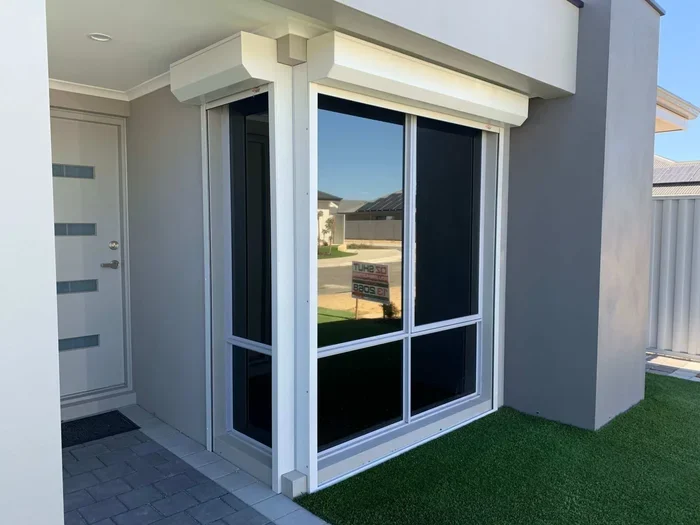
South-facing windows let in the most sunlight. This can make rooms uncomfortably hot during summer. A good window tint film blocks a large portion of solar energy before it enters your home. You stay cooler, your furniture lasts longer, and your energy bills drop. It is a win-win situation for any household.
Privacy Without Curtains
Many people love the natural light that comes through their windows. But they also want privacy. Window tint solves this problem perfectly. You can enjoy bright, open spaces while keeping prying eyes out. Frosted or reflective tint films are especially popular for bathrooms, ground-floor rooms, and home offices.
Protecting Your Furniture and Floors
Sunlight fades wood, fabric, and flooring over time. UV rays are the main culprit. Applying a quality window tint blocks these harmful rays and preserves the look of your interiors. Your curtains, sofas, and wooden floors will look newer for much longer.
Car Window Tinting: What You Need to Know
If you are tinting your car, there are a few extra things to keep in mind. Car window tinting is slightly different from home tinting. The environment is harsher, and the rules are stricter.
Why Car Owners Choose Tinted Windows
Car window tint reduces the cabin temperature significantly. It also protects the dashboard and seats from sun damage. On hot days, the difference is immediate and noticeable. Many car owners in India prefer tint because it enhances the look of their vehicle. Whether you drive a 5 to 8 lakh car or a premium model, tinting adds value and comfort.
Signal Compatibility Matters
If you use your phone for navigation or music while driving, signal interference is a real concern. Metalized and some hybrid tints can block GPS and cell signals. For this reason, many drivers choose ceramic or carbon tint. These options provide excellent performance without disrupting your devices. You stay connected and safe on the road.
Tinting Accessories for Your Vehicle
Beyond tint film, there are useful car accessories that complement your setup. For example, a 12V to 230V car inverter lets you charge laptops and devices on the go. Pairing quality window tint with the right accessories makes your driving experience much more comfortable. Similarly, a reliable 12V car socket to 3 pin adapter ensures all your devices stay powered during long trips. These small additions work together to make your car more functional and enjoyable.
DIY vs Professional Installation
Some people prefer to install tint themselves. DIY kits are available and can save money. However, professional installation guarantees a bubble-free, smooth finish. Trained installers have the right tools and experience. They also know how to handle curves and edges properly. For the best results, especially on car windows, going with a professional is highly recommended.
Quick Tips for Choosing the Perfect Window Tint
- Know your priority. Decide whether heat rejection, privacy, UV protection, or style matters most to you.
- Compare at least three brands. Quality varies widely between manufacturers. Read reviews and ask for warranties.
- Do not skip the warranty. A good tint comes with a manufacturer warranty of at least five years.
- Consider the climate. If you live in a hot area, go for ceramic or carbon tint with high heat rejection.
- Check local tint laws. Avoid legal trouble by confirming the allowed tint percentage for your region.
- Ask about signal compatibility. If you rely on GPS and phone connectivity, choose non-metallic tint options.
Common Mistakes People Make When Choosing Window Tint
Avoiding mistakes saves you time, money, and frustration. Here are the most common errors people make when selecting window tint.
Mistake 1: Choosing based on price alone. The cheapest tint often fades, bubbles, and peels within a year or two. Spending a little more on quality film pays off in the long run.
Mistake 2: Ignoring local regulations. Tint that is too dark can lead to fines and mandatory removal. Always research the legal limits before purchasing.
Mistake 3: Picking the wrong shade for the room or vehicle. A very dark tint in a small room can make it feel cramped. Choose a shade that balances light and privacy.
Mistake 4: Skipping professional installation. Badly applied tint looks terrible and does not perform well. Professional installation ensures a clean, long-lasting result.
Mistake 5: Forgetting about cleaning and maintenance. Some tint films require specific cleaning products. Using harsh chemicals can damage the film and reduce its lifespan. Always follow the manufacturer’s care instructions.
Expert Insight: What Professionals Recommend
Industry professionals agree on a few key points when it comes to window tint. First, ceramic and carbon films are the best overall performers. They offer superior heat rejection, durability, and signal compatibility. Second, always invest in a reputable brand. Cheap knock-off films may look similar but perform very differently. Third, proper installation is just as important as the film itself. Even the best tint will fail if applied incorrectly.
Experts also suggest considering your long-term goals. If you plan to keep your car or home for many years, premium tint is the smarter investment. It lasts longer, performs better, and adds resale value. A window tint is not just an expense. It is a worthwhile upgrade that protects and enhances your space every single day.
Conclusion
Choosing the right window tint comes down to understanding your needs and comparing the options. Whether you prioritize heat rejection, UV protection, privacy, or style, there is a perfect tint film for you. Ceramic tint delivers top-tier performance. Carbon tint offers a great balance of quality and price. Dyed tint works well for those on a budget. No matter which route you choose, always go with a trusted brand and professional installation. Your windows are a long-term investment. Make sure your window tint is one you will be happy with for years to come.
Take the time to research, compare, and ask questions. The right window tint will keep your car and home cooler, safer, and more comfortable. Start your search today and enjoy the difference quality tint makes.
Frequently Asked Questions
What is the best type of window tint for cars?
Ceramic and carbon tints are the best choices for cars. They offer excellent heat rejection, do not block signals, and last a long time. If you want premium performance, ceramic window tint is the top recommendation from experts.
Is window tinting legal for cars in India?
Yes, but there are rules. The front windshield and side windows must allow a certain percentage of light through. Rear windows can be darker. Always check the latest Motor Vehicles Act regulations in your state before tinting your car.
How long does window tint last?
High-quality tint lasts between 5 and 10 years. Dyed tint may fade sooner, while ceramic and carbon films hold up much longer. Proper installation and care also play a big role in the lifespan of your window tint.
Can I tint my home windows the same way I tint my car?
The films are similar, but home tint is often thicker and designed for stationary glass. Both provide heat rejection and UV protection. However, the legal rules and recommended percentages differ between cars and homes.
Does window tint block phone signals?
Metalized and some hybrid tints can interfere with signals. Ceramic and carbon tints are signal-friendly. If you rely on GPS and phone connectivity, choose non-metallic window tint options to avoid any disruption.
How much does window tint cost on average?
Cost depends on the type of film and the number of windows. Dyed tint is the most affordable. Ceramic tint costs more but offers the best performance. For most car owners, expect to spend between a few thousand and several thousand rupees depending on quality and vehicle size.
=== INTERNAL LINKS ===