Do You Really Need Mud Flaps Or Are They Just Optional
Mud flaps are not just cosmetic add-ons — they serve a real purpose in protecting your vehicle and other drivers. Whether you drive a truck, SUV, or sedan, mud flaps can save you from costly repairs, keep your car cleaner, and improve road safety. This guide breaks down everything you need to know about whether mud flaps are essential or simply optional for your ride.
This is a comprehensive guide about Do You Really Need Mud Flaps?.
Key Takeaways
- Mud flaps protect your vehicle: They shield the undercarriage, fenders, and paint from road debris, mud, and water spray.
- They improve road safety: By reducing tire spray, mud flaps help keep other drivers’ windshields and visibility clear.
- They are essential for certain vehicles: Trucks, SUVs, and off-road vehicles benefit significantly from mud flaps.
- Material and fit matter: Choosing the right type of mud flaps ensures durability and proper function.
- Legal requirements vary: Some states and regions require mud flaps on certain vehicles.
- Installation is straightforward: Most mud flaps can be installed at home with basic tools.
- They preserve vehicle value: Keeping your car clean and damage-free helps maintain resale value over time.
[FEATURED_IMAGE_PLACEHOLDER]
Do You Really Need Mud Flaps Or Are They Just Optional?
You see them on trucks, SUVs, and even some sedans. Mud flaps hang behind the wheels, curling slightly as you drive down the road. But here is the big question — do you actually need them?
The short answer is: it depends on your vehicle, your driving conditions, and what you care about when it comes to vehicle maintenance. Mud flaps are far more than a flashy accessory. They serve a functional purpose that many drivers overlook until it is too late. In this article, we will explore the real benefits of mud flaps, when they become essential, and whether skipping them is a smart move or a costly mistake.
Whether you are a daily commuter, a weekend off-roader, or someone who just wants to keep their car looking clean, this guide will help you decide if mud flaps belong on your ride.
Let us dive into the world of mud flaps and splash guards. By the end, you will have a clear answer to the question that every vehicle owner should ask.
What Exactly Are Mud Flaps and Why Do They Matter?
Mud flaps, also known as splash guards or wheel well liners, are panels attached to the wheel wells of a vehicle. Their job is simple but important. They block mud, rocks, water, and other road debris from being thrown up by your tires.
When you drive, your tires spin and push whatever is on the road outward and backward. This includes dirt, gravel, water, salt, and even small stones. Without mud flaps, all of that material flies up onto your vehicle and the cars around you.
Here is what mud flaps help prevent:
- Paint damage from rocks and gravel hitting your body panels
- Undercarriage corrosion caused by mud and water exposure
- Clogged wheel wells that can trap moisture and lead to rust
- Tire spray that reduces visibility for the driver behind you
- Debris damage to suspension components and brake lines
Most people think of mud flaps as something only trucks need. That is a common misconception. Even passenger cars benefit from the protection these simple devices provide. The question is not really whether they work — they clearly do. The real question is whether the benefits justify the cost and effort for your specific situation.
The Real Benefits of Installing Mud Flaps
Let us get into the specific advantages of adding mud flaps to your vehicle. These benefits go well beyond just keeping your fenders clean.
Protection from Road Debris
Every time you drive, your tires encounter countless small hazards. Gravel on the highway, pothole debris, construction zone remnants — all of it gets launched by your spinning wheels. Mud flaps act as a barrier, catching much of this material before it reaches your vehicle’s body and mechanical components.
Over time, small rocks and debris can chip away at your paint, cause dents, and even damage sensitive parts like brake lines and suspension components. Mud flaps significantly reduce this risk, especially during long highway drives.
Keeping Your Vehicle Clean
Let us be honest — nobody likes washing their car. Mud flaps help reduce how dirty your vehicle gets on a daily basis. By blocking mud and water spray, they keep your wheel wells, fenders, and lower body panels much cleaner.
This is especially true during rainy seasons or winter months when roads are covered in slush and grime. If you have ever noticed how quickly the lower half of a car gets caked in mud, you understand why mud flaps are so valuable for maintaining a clean vehicle.
Safety Benefits for Other Drivers
One benefit of mud flaps that often gets overlooked is the safety they provide to other road users. When large trucks or SUVs kick up clouds of water and debris, it can be dangerous for nearby vehicles. A sudden blast of water or mud can obscure a driver’s windshield and cause a hazard.
Mud flaps reduce tire spray significantly. This means better visibility for the cars behind you and a safer driving environment for everyone on the road. It is a small addition that makes a real difference in road safety.
Preserving Vehicle Value
If you ever plan to sell or trade in your vehicle, the condition of the body and undercarriage matters. Cars with rust damage, chipped paint, or corroded wheel wells lose value quickly. Mud flaps help protect these vulnerable areas, which means your vehicle holds its value better over time.
Think of mud flaps as a low-cost investment in long-term vehicle preservation. Compared to the cost of repainting a damaged fender or repairing rust, the price of mud flaps is a bargain.
When Are Mud Flaps a Must-Have?
Now that we have covered the benefits, let us talk about situations where mud flaps move from optional to essential. Not every driver needs them equally, but certain conditions and vehicle types make them almost necessary.
Off-Road and Rough Terrain Driving
If you take your vehicle off the beaten path, mud flaps are a no-brainer. Off-road driving kicks up mud, rocks, sand, and all kinds of debris at high speed. Without proper mud flaps, your vehicle takes a beating every time you hit a dirt trail.
Off-road enthusiasts often pair mud flaps with fender flares and rock guards for maximum protection. The combination keeps debris contained and prevents damage to sensitive components like the exhaust system, fuel lines, and differentials.
Heavy Rain and Winter Driving Conditions
Living in an area with heavy rainfall or snowy winters makes mud flaps much more important. Wet roads are full of standing water, mud, and road salt — all of which get thrown up by your tires.
Road salt is particularly damaging. It accelerates rust and corrosion on exposed metal parts. Mud flaps help shield your vehicle’s undercarriage from salt spray, which can extend the life of your vehicle significantly in harsh climates.
Truck and SUV Owners
Trucks and SUVs sit higher off the ground than passenger cars. This means their tires fling debris higher and farther. For drivers of these larger vehicles, mud flaps are not just recommended — they are practically essential.
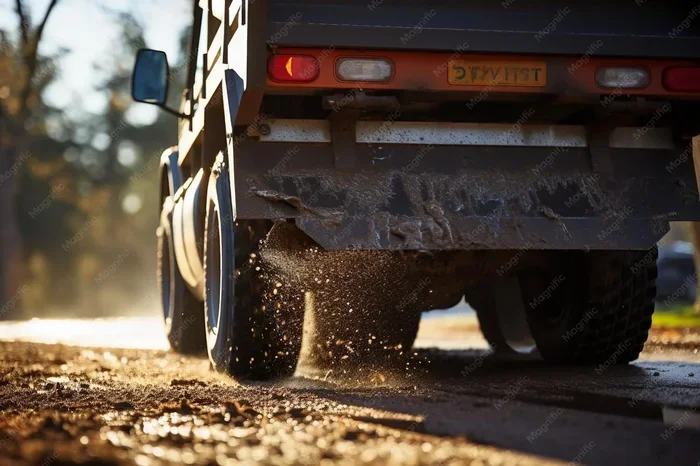
The tire spray from a full-size truck without mud flaps can reach heights of several feet. This creates a visibility hazard for smaller vehicles and can quickly coat nearby cars in mud and water. If you drive a truck or SUV, installing quality mud flaps is one of the most responsible things you can do for other drivers.
Are Mud Flaps Just Optional? The Truth About Different Vehicles
The answer to whether mud flaps are optional depends heavily on the type of vehicle you drive and how you use it. Let us break it down by vehicle category.
Cars and Sedans
For most sedan and compact car drivers, mud flaps are more of an accessory than a necessity. These vehicles sit low to the ground and have smaller tires that do not throw debris as aggressively. However, if you frequently drive on unpaved roads or in areas with heavy rain, even a sedan can benefit from a set of mud flaps.
Many modern sedans come with factory-installed splash guards in the wheel wells. These serve a similar purpose to mud flaps but are typically smaller and less visible. If your car does not have them, aftermarket mud flaps are still an option, though they may be more about personal preference than strict necessity.
Trucks and SUVs
This is where mud flaps earn their keep. Trucks and SUVs have large, tall tires that generate significant spray. Without mud flaps, these vehicles can create a wall of water and mud behind them on wet roads.
Many states and provinces actually require mud flaps or splash guards on commercial trucks and certain large vehicles. Even if your truck is not commercial, adding mud flaps is a smart move for both protection and courtesy to other drivers.
Daily Commuters vs. Long-Distance Drivers
Your driving habits also play a role in deciding whether mud flaps are necessary. Daily commuters who stick to paved urban roads may not need them as much as someone who drives long distances on highways where gravel and road debris are common.
However, even daily commuters benefit from mud flaps during rainy days. A sudden downpour can turn any road into a muddy mess, and the spray from surrounding vehicles can be significant. Mud flaps help you stay cleaner and safer in all conditions.
Mud Flap Comparison by Vehicle Type
| Vehicle Type | Need for Mud Flaps | Primary Benefit |
|---|---|---|
| Compact Car | Optional | Minor debris protection |
| Sedan | Optional | Paint and undercarriage protection |
| SUV | Recommended | Reduces tire spray and debris |
| Pickup Truck | Highly Recommended | Maximum debris and spray control |
| Off-Road Vehicle | Essential | Full undercarriage and body protection |
| Commercial Truck | Required (by law in many areas) | Legal compliance and safety |
How to Choose the Right Mud Flaps for Your Vehicle
Deciding to install mud flaps is only half the battle. Choosing the right type matters just as much. Not all mud flaps are created equal, and picking the wrong ones can lead to frustration and poor performance.
Material Matters
Mud flaps come in several materials, each with its own advantages:
- Rubber mud flaps — The most common and affordable option. They are flexible, durable, and handle all weather conditions well. Rubber mud flaps are the go-to choice for most drivers.
- Polyurethane mud flaps — More durable than rubber and resistant to cracking in cold weather. They cost a bit more but last longer.
- Vinyl mud flaps — Lightweight and budget-friendly. They work well for light-duty use but may not hold up as well in harsh conditions.
- Metal mud flaps — Usually made from aluminum or steel. They are extremely durable but can rust over time and are heavier than other options.
Custom Fit vs. Universal
When shopping for mud flaps, you will see both custom-fit and universal options. Custom-fit mud flaps are designed specifically for your vehicle make and model. They install easily and look factory-integrated.
Universal mud flaps are more affordable but may require trimming or adjustments to fit properly. They work well for budget-conscious drivers who want basic protection without the premium price tag.
Legal Requirements by State
Did you know that some states have laws requiring mud flaps on certain vehicles? Truck regulations often include mandatory splash and mud guard requirements. If you operate a commercial vehicle or pull a trailer, check your local laws to make sure you are compliant.
Even if mud flaps are not legally required for your vehicle, installing them is still a smart choice for safety and protection.
Installing Mud Flaps: DIY or Professional?
One of the best things about mud flaps is how easy they are to install. Most kits come with all the hardware you need and clear instructions. If you are comfortable with basic car maintenance like changing a tire, you can likely install mud flaps yourself in under an hour.
Here are some quick tips for a smooth installation:
- Clean the mounting area thoroughly before attaching the flaps
- Use the correct screws and brackets that come with your specific kit
- Do not overtighten — this can crack the fender or body panel
- Check the fit after installation to make sure the flaps do not rub against the tires
- Inspect regularly for loose bolts or worn mounting hardware
If you are not comfortable doing it yourself, most auto shops can install mud flaps for a reasonable fee. The installation cost is typically low, making it an easy add-on to any vehicle service visit.
Common Mistakes People Make with Mud Flaps
Even though mud flaps are simple devices, people still make mistakes when choosing and using them. Here are the most common errors to avoid:
- Buying the wrong size. Oversized or undersized mud flaps will not provide proper coverage and may interfere with tire movement.
- Ignoring local laws. Some areas have specific regulations about mud flaps and splash guards. Always check before installing.
- Choosing cheap materials. Low-quality mud flaps crack, warp, and break quickly. Investing in a good-quality product saves money in the long run.
- Skipping regular inspection. Mud flaps take a beating from the road. Check them periodically for cracks, tears, or loose fittings.
- Installing them too far from the tire. Mud flaps need to be close enough to the wheel to catch debris effectively. Too far away and they lose their purpose.
Final Verdict: Are Mud Flaps Worth It?
So, do you really need mud flaps, or are they just optional? The honest answer is that mud flaps are optional for some drivers and essential for others.
If you drive a truck, SUV, or off-road vehicle, mud flaps are almost certainly worth the investment. They protect your vehicle, improve road safety, and save you money on repairs over time. For sedan and compact car drivers who stick to paved roads in good weather, they may be more of a nice-to-have than a must-have.
But here is the thing — mud flaps are inexpensive, easy to install, and provide tangible benefits for nearly every driver. They are one of the most cost-effective vehicle accessories you can buy. When you consider the protection they offer against paint damage, undercarriage corrosion, and debris hazards, the value is hard to ignore.
The bottom line: mud flaps are not just optional accessories for show. They are practical, functional, and beneficial for almost any vehicle. If you want to keep your car clean, protected, and safe on the road, adding a set of quality mud flaps is a decision you will not regret.
Take a look at your vehicle today. Do you have mud flaps? If not, consider whether the roads you drive on and the conditions you face make them worth adding. Your vehicle — and the drivers around you — will thank you.
FAQs
Are mud flaps required by law?
In many states and provinces, mud flaps or splash guards are required on commercial trucks and certain large vehicles. Requirements vary by location and vehicle type. Check your local regulations to see if mud flaps are legally required for your specific vehicle.
Can I install mud flaps on any vehicle?
Yes, mud flaps can be installed on virtually any vehicle. They come in various sizes and styles to fit cars, trucks, SUVs, and even trailers. Custom-fit mud flaps are designed for specific makes and models, while universal options work with some trimming and adjustment.
How much do mud flaps cost?
Mud flaps are surprisingly affordable. A quality set typically ranges from $30 to $150 depending on material and fit. Professional installation adds a small fee, but most drivers can install mud flaps themselves with basic tools in under an hour.
Do mud flaps affect fuel efficiency?
The impact of mud flaps on fuel efficiency is minimal. Modern mud flaps are designed with aerodynamics in mind, and any slight drag they create is negligible compared to the protection and safety benefits they provide.
How often should I replace my mud flaps?
Mud flaps are exposed to road conditions daily, so they wear out over time. Rubber mud flaps typically last 3 to 5 years with regular use. Inspect them regularly for cracks, tears, or warping, and replace them when they no longer provide adequate coverage.
Are mud flaps the same as fender flares?
No, mud flaps and fender flares serve different purposes. Mud flaps are flexible panels that block debris and water spray from the wheel well. Fender flares are rigid extensions that widen the wheel well opening to accommodate larger tires. Some vehicles use both for maximum protection and coverage.
Frequently Asked Questions
What is Do You Really Need Mud Flaps??
Do You Really Need Mud Flaps? is an important topic with many practical applications.