Ultimate Car Windshield Cover for Sun Protection Guide
A car windshield cover for sun protection is one of the simplest and most effective ways to shield your vehicle from harmful UV rays, extreme heat, and sun glare. Whether you park outside daily or live in a sunny climate, using a quality windshield cover for sun protection can save you hundreds in repairs and keep your car interior looking new.
Key Takeaways
- UV Protection Is Critical: A quality windshield cover for sun protection blocks up to 99% of UV rays that cause dashboard cracking and seat fading.
- Cooler Interior: Using a sun shade for windshield coverage can reduce cabin temperatures by up to 40 degrees Fahrenheit.
- Right Fit Matters: Choosing a properly sized car sun protector ensures full coverage and better heat protection.
- Material Quality: Reflective aluminum and multi-layer fabric covers offer the best UV protection and durability.
- Easy Storage: Most modern windshield sun shades fold compactly and fit in your car door pocket or glove box.
- Regular Use Extends Car Life: Consistent sun glare prevention and dashboard cover usage preserves resale value.
📑 Table of Contents
- Why Your Car Windshield Needs Sun Protection
- Types of Car Windshield Covers for Sun
- How to Choose the Best Windshield Cover for Sun Protection
- Top Features to Look for in a Car Windshield Cover
- How to Use Your Windshield Cover Effectively
- Common Mistakes When Using Windshield Covers and How to Avoid Them
- Conclusion
Why Your Car Windshield Needs Sun Protection
Every time you park your car under the sun, you are inviting serious damage inside. The windshield cover for sun protection debate is not new. But many drivers still do not realize how much harm UV rays and heat can do in just a few hours.
Your car dashboard can crack and fade. Leather seats can dry out and peel. Even the plastic trim around your doors can become brittle. All of this happens because of prolonged exposure to sun damage.
Here is what happens when you skip sun protection:
- Dashboard fading: The sun bleaches your dashboard color over time. A dashboard sun shield prevents this completely.
- Cracking: Heat causes plastic to expand and contract. Eventually, it cracks. A good heat shield stops this cycle.
- Seat damage: Leather and fabric seats suffer from leather seat protection neglect. Sun exposure dries them out fast.
- Interior smell: Hot plastic and rubber release fumes. This creates that unpleasant “hot car” smell.
The solution is simple. Use a car windshield cover for sun protection. It is one of the cheapest car accessories you can buy. And it pays for itself by protecting expensive interior parts.
How UV Rays Harm Your Car Interior
UV rays are invisible but powerful. They penetrate glass and break down materials. Your windshield blocks some UVB rays. But UVA rays slip right through. These are the ones that cause sun damage car owners notice over months and years.
Studies show that interior materials exposed to UV light degrade up to five times faster than those shielded. A quality UV protection windshield cover acts as a barrier. It reflects or absorbs rays before they hit your dashboard and seats.
Types of Car Windshield Covers for Sun
Not all windshield sun shade products are the same. Different types offer different levels of protection, comfort, and convenience. Let us break down the most popular options.
1. Reflective Aluminum Covers
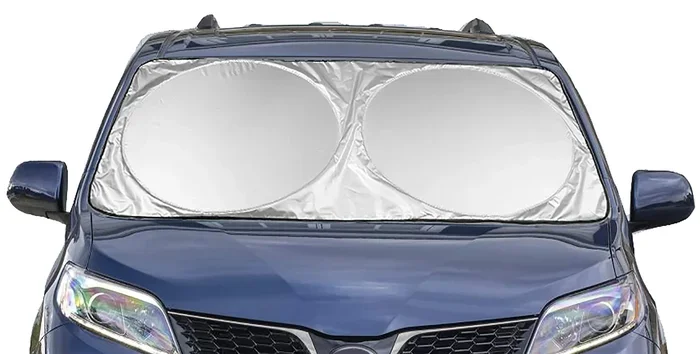
These are the most popular type. They feature a reflective aluminum outer layer and a padded inner layer. The aluminum bounces sunlight away. The padding adds heat protection and prevents scratches on your glass.
Best for: Maximum sun glare prevention and overall sun protection.
2. Fabric Sun Shades
These are made from polyester or nylon with UV-blocking coatings. They are lighter and easier to fold. Many come in fun designs. They still offer solid UV protection but may not reflect heat as well as aluminum covers.
Best for: Drivers who want lightweight car accessories and easy storage.
3. Folding Panel Shades
These are rigid panels that fold accordion-style. They offer full windshield cover for sun coverage. They are sturdy and block more light than fabric options. Many drivers prefer them for heavy sun areas.
Best for: Intense sun climates and complete heat shield coverage.
4. Custom-Fit Covers
These are shaped to your specific car model. They snap or clip into place. No bouncing or shifting. They offer the best fit and finish. They also provide excellent parking sun protection.
Best for: Car owners who want a sleek look and perfect coverage.
5. Suction Cup Shades
These attach directly to the glass with suction cups. They stay in place on windy days. They are great for rear windows too. However, they can leave marks on older glass over time.
Best for: Drivers who want secure sun shade for windshield placement without cutting or folding.
How to Choose the Best Windshield Cover for Sun Protection
Shopping for a car sun protector can feel overwhelming. There are so many options. But if you focus on a few key factors, the decision becomes much easier.
Size and Fit
Measure your windshield before buying. Most covers list dimensions on the package. A cover that is too small will not block all sun glare. One that is too large may be hard to store. Look for adjustable or universal-fit options that work for most vehicles.
Material and UV Rating
Check the UV protection rating. The best windshield cover for sun protection blocks at least 99% of UV rays. Aluminum-backed covers tend to score highest. Multi-layer fabric covers with UV coatings are also excellent choices for heat protection.
Ease of Use and Storage
You want something you will actually use every day. If it is hard to open or fold, you will leave it in the trunk. Look for covers that collapse flat or roll up neatly. Many fit inside a door pocket or center console. This makes sun protection a habit, not a hassle.
Durability
Cheap covers tear after a few months. Look for reinforced edges and sturdy stitching. A durable dashboard cover will last years. It also holds its shape after repeated use. Spend a little more for quality. It pays off in the long run.
Extra Features
Some covers come with bonus features. These include:
- Built-in mirror for rear visibility
- Grommet holes for air circulation
- Dual-purpose use for side and rear windows
- Anti-slip backing to keep it in place
- Water-resistant coating for all-weather use
Top Features to Look for in a Car Windshield Cover
Here is a quick comparison of the most important features across different cover types. This table will help you decide which windshield sun shade is right for you.
| Feature | Reflective Aluminum | Fabric Shade | Folding Panel | Custom-Fit |
|---|---|---|---|---|
| UV Protection | Excellent (99%) | Good (90-95%) | Very Good (97%) | Excellent (99%) |
| Heat Protection | Excellent | Moderate | Very Good | Excellent |
| Portability | Good | Excellent | Moderate | Good |
| Durability | Very Good | Moderate | Good | Very Good |
| Price Range | $15-$40 | $10-$30 | $20-$50 | $25-$60 |
| Sun Glare Prevention | Excellent | Good | Very Good | Excellent |
As you can see, reflective aluminum covers offer the best overall UV protection and heat defense. But fabric shades win on portability. Custom-fit covers deliver the best dashboard sun shield experience if you are willing to spend more.
Quick Tips for Evaluating Features
- Always check UV blockage percentage before buying
- Test the cover in your car before the first long trip
- Look for reinforced edges to prevent fraying
- Choose covers with ventilation holes to reduce moisture buildup
- Prioritize reflective materials for hot climates
How to Use Your Windshield Cover Effectively
Buying the right car windshield cover for sun protection is only half the battle. Using it properly makes a huge difference. Here is how to get the most out of your sun shade.
Step 1: Clean Your Windshield First
Dust and debris can scratch your glass. They also reduce how well the shade sits. Wipe your windshield with a glass cleaner before placing any sun shade for windshield coverage. This small step extends the life of both the shade and your glass.
Step 2: Position the Cover Correctly
Make sure the reflective side faces outward toward the sun. The padded or fabric side should face inward toward your dashboard. This ensures maximum heat protection and sun glare prevention. For custom-fit covers, align the clips or tabs properly before pressing it down.
Step 3: Secure It in Place
A loose shade shifts while driving. Use suction cups, clips, or elastic straps. Some covers have built-in retention systems. Always check that the windshield cover for sun is snug before starting your car. A shifting shade can block your view and create safety risks.
Step 4: Store It Properly When Not in Use
Fold or roll your shade neatly. Avoid tossing it in the trunk where it can get crumpled. Store it in a dry spot. Moisture causes mold on fabric shades. Proper storage keeps your car sun protector in great shape for years.
Step 5: Use It Every Time You Park
The key to sun damage prevention is consistency. Do not leave your shade in the car. Take it out every time you park. Make it part of your routine. Over time, it becomes second nature. Your car interior will thank you.
Expert Insight: Making It a Habit
Automotive experts recommend keeping your windshield sun shade folded and placed right behind your driver seat. You see it every time you leave the car. This visual cue reminds you to deploy it. It turns sun protection into an automatic habit rather than a chore.
Common Mistakes When Using Windshield Covers and How to Avoid Them
Even the best sun protection tools can be used incorrectly. Here are the most common mistakes drivers make. Avoid these and you will get better results.
Mistake 1: Choosing the Wrong Size
A small shade leaves gaps. Sun rays sneak in through uncovered areas. This causes uneven sun damage car owners notice on their dashboard. Always measure your windshield. Or choose a universal cover with adjustable sides.
Mistake 2: Ignoring Ventilation
Sealed covers trap moisture inside. This leads to mildew and foggy glass. Choose shades with small ventilation holes. These allow airflow while still offering excellent UV protection and heat protection.
Mistake 3: Using a Damaged Cover
Holes, tears, or faded reflective layers reduce effectiveness. If your dashboard cover is damaged, replace it. A compromised shade gives a false sense of security. Your interior still gets exposed to harmful rays.
Mistake 4: Leaving the Shade on While Driving
Some drivers forget to remove the shade before hitting the road. This blocks visibility and is illegal in many areas. Always remove your windshield cover for sun before starting the engine. Make it a clear morning routine.
Mistake 5: Cheaping Out on Material
A $8 shade might seem like a good deal. But it likely offers poor UV blockage and tears fast. Invest in a quality heat shield with proven UV protection. Your car is worth it. Think of it as insurance for your interior.
Quick Tips to Avoid These Mistakes
- Re-measure your windshield once a year for fit changes
- Inspect your shade monthly for wear and tear
- Never leave a shade on the windshield during driving
- Replace covers that show visible damage immediately
- Set a phone reminder if you tend to forget sun protection routines
Conclusion
A car windshield cover for sun protection is a smart and affordable investment. It shields your dashboard from fading. It protects your seats from drying out. It keeps your car cool and your view clear. Most importantly, it blocks harmful UV rays that cause long-term sun damage.
We covered why sun protection matters. We explored different types of windshield sun shade options. We walked through how to choose the right one and use it properly. We also highlighted common mistakes to avoid. Now you have everything you need to make the best choice for your vehicle.
Do not wait for cracks and fading to show up. Start using your windshield cover for sun protection today. Your future self will thank you every time you open your car door and see a clean, cool interior. Take action now. Your car deserves it.
Frequently Asked Questions
How long does a windshield cover for sun protection last?
A quality windshield cover for sun protection can last anywhere from three to seven years. Reflective aluminum covers tend to last longer than fabric options. Regular folding and proper storage help extend the life. Replace your shade if you notice holes, peeling reflective layers, or fraying edges.
Can a windshield sun shade really reduce car temperature?
Yes. Studies and real-world tests show that a good sun shade for windshield coverage can reduce interior temperatures by up to 40 degrees Fahrenheit. Reflective aluminum covers work best for heat protection. This makes your car much more comfortable to enter after parking in the sun.
Are custom-fit windshield covers worth the extra cost?
Custom-fit car sun protector covers are worth it if you want a sleek look and perfect coverage. They stay in place better than universal sizes. They also block more sun glare because they are shaped to your exact windshield. However, universal covers work well too if you choose the right size.
Can I use a windshield cover on tinted windows?
Absolutely. A windshield cover for sun protection works well on tinted windows. It adds an extra layer of UV protection on top of your tint. This combination offers maximum defense against sun damage. Just make sure the shade does not stick to the tint surface to avoid peeling.
How do I clean my fabric windshield sun shade?
Most fabric windshield sun shade options can be wiped clean with a damp cloth. For tougher dirt, hand wash with mild soap and let it air dry completely. Avoid machine washing because it can damage the UV-blocking coating. Keeping it clean also maintains its sun glare prevention effectiveness.
Is a reflective or fabric windshield cover better for summer?
Reflective aluminum covers are better for summer. They bounce sunlight away more effectively than fabric. This provides superior heat protection and sun protection. Fabric shades are lighter and easier to carry. But if your main goal is maximum dashboard sun shield performance during hot months, go with reflective.