Can a Job Offer Be Withdrawn After a Drug Test Result
Yes, a job offer can absolutely be withdrawn after a drug test result. Employers use pre-employment drug testing to protect workplace safety and comply with industry rules. If your test comes back positive or you refuse to test, the conditional job offer may be revoked. Understanding your rights and the process can help you prepare and respond wisely.
You just got the call. The hiring manager says, “We’d love to offer you the job.” Your heart races. You picture yourself starting next week. Then comes the email about the pre-employment drug test. You think, “No problem. I’m clean.” But days later, you hear the worst — your job offer has been withdrawn because of a drug test result.
It feels unfair. It feels shocking. And honestly? It happens more often than you think. Every year, thousands of job seekers face this exact situation. Whether you’re applying to work in the automotive industry, construction, healthcare, or logistics, employment drug screening is a normal part of the hiring process. But what does it really mean for your job prospects?
In this article, we break down everything you need to know about whether a job offer can be withdrawn after a drug test. We’ll cover employer rights, your legal protections, the types of tests used, and what you can do if things go wrong. Let’s get into it.
Key Takeaways
- Conditional Offers Are Common: Most job offers in safety-sensitive fields are contingent on passing a drug screening.
- Positive Results Can End Your Offer: A failed drug test gives employers the right to withdraw the offer in most cases.
- You Have the Right to Retest: Many companies allow you to dispute results through a medical review officer or retest process.
- Automotive Industry Has Strict Rules: DOT regulations require drug testing for safety-sensitive transportation roles.
- Refusing a Test Is Treated Like a Fail: Declining a drug test usually results in immediate offer withdrawal.
- Know Your State Laws: Some states protect applicants from unfair drug testing practices.
- Preparation Reduces Risk: Being honest about medications and understanding testing procedures helps you avoid surprises.
📑 Table of Contents
- Why Employers Require Drug Tests Before Hiring
- Types of Drug Tests Used in Pre-Employment Screening
- What Happens When a Drug Test Comes Back Positive
- Your Rights as a Job Applicant
- Common Mistakes That Lead to Failed Drug Tests
- What to Do If Your Job Offer Is Withdrawn
- How the Automotive Industry Handles Drug Testing
- Frequently Asked Questions
- Final Thoughts
Why Employers Require Drug Tests Before Hiring
Companies don’t drug test just to be nosy. There are real reasons behind this practice. For many industries, especially the automotive sector, workplace safety is a top priority. A driver operating a heavy vehicle under the influence of drugs or alcohol puts lives at risk. That’s why DOT drug testing rules exist for transportation and safety-sensitive roles.
Here are the main reasons employers conduct pre-employment drug screening:
- Workplace Safety: Impaired workers cause accidents. Drug-free workplaces reduce injury rates.
- Legal Compliance: Federal and state laws require testing in certain industries like trucking, aviation, and heavy manufacturing.
- Productivity: Substance use affects focus, decision-making, and overall job performance.
- Liability Protection: Employers want to avoid lawsuits if an impaired employee causes harm on the job.
- Company Reputation: A drug-free workplace builds trust with clients and partners.
When you accept a conditional job offer, you’re agreeing to these requirements. The offer isn’t final until you pass every step — including the drug test. This is standard practice across many fields, and it’s important to understand that going in.
What Is a Conditional Job Offer?
A conditional job offer means the employer wants to hire you, but the offer depends on certain conditions being met. Passing a drug screening is one of the most common conditions. Other conditions might include background checks, proof of certifications, or a physical exam.
Think of it like a handshake deal with a few loose ends. The employer is serious about hiring you. But they need to confirm a few things first. If any condition fails — like a positive drug test result — the employer can legally pull back the offer.
Can a Job Offer Be Withdrawn After a Drug Test Result?
The short answer is yes. In most cases, an employer can withdraw a job offer based on drug test results. But the details matter. Let’s look at the different scenarios where this happens and what the law says about it.
The at-will employment doctrine in the United States gives employers broad freedom in hiring decisions. This means they can choose not to hire someone for almost any reason — as long as it’s not illegal discrimination. A failed drug test generally falls within the employer’s right to make that decision.
When Withdrawal Is Legal
Employers can withdraw a job offer after a positive drug test in these situations:
- The applicant signed a consent form agreeing to employment drug screening.
- The company has a written employer drug policy in place.
- The position is safety-sensitive or regulated by federal law.
- The test was conducted by a certified laboratory following proper procedures.
- The applicant was informed that the offer depends on passing the test.
As long as these boxes are checked, the employer has solid ground to revoke the offer. This is why it’s so important to read every document you sign during the hiring process.
When Withdrawal Might Be Disputed
There are situations where a job offer withdrawal could be challenged:
- False Positive Results: Some medications, supplements, or even foods can trigger a false positive. This is where the medical review officer (MRO) process becomes critical.
- Procedural Errors: If the lab made a mistake in handling the sample, the results could be invalid.
- Discrimination: If the employer only tests certain groups of people, that could be illegal.
- No Written Policy: If the employer didn’t clearly communicate the drug testing requirement, there may be grounds to push back.
Understanding these scenarios helps you know when to fight back and when to accept the outcome. Not every withdrawal is unfair, but knowing your options matters.
Types of Drug Tests Used in Pre-Employment Screening
Not all drug tests are the same. Employers use several different methods, and each has its own detection window and accuracy level. Knowing what to expect can help you feel more prepared.
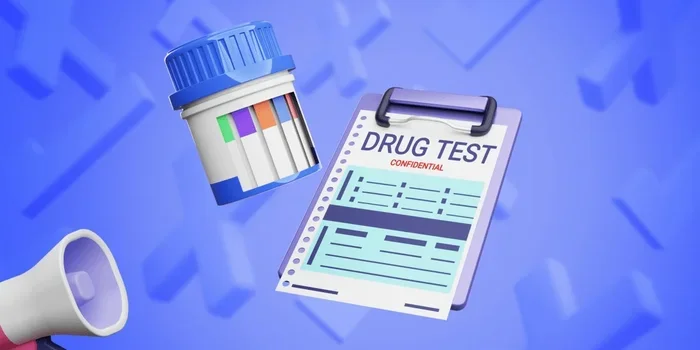
Urine Drug Test
The urine drug test is by far the most common method. It’s affordable, non-invasive, and detects recent drug use — typically within the past few days to a few weeks. For most pre-employment screenings, a urine sample is all that’s needed.
The process is straightforward. You receive a cup, go to a private restroom, and provide a sample. A certified laboratory then analyzes the urine for drugs like marijuana, cocaine, opioids, amphetamines, and PCP. Results usually come back within one to three business days.
Hair Follicle Drug Test
A hair follicle drug test looks much further back in time. It can detect drug use going up to 90 days. A small sample of hair is cut close to the scalp and sent to a lab. This method is harder to cheat and is becoming more popular for roles where long-term reliability matters.
Hair tests are more expensive than urine tests, which is why they’re not used as often for standard pre-screening. But for jobs in the automotive industry and other safety-sensitive fields, they provide a longer window of detection that employers value.
Saliva and Blood Tests
Saliva drug tests detect very recent use — usually within 24 to 48 hours. They’re quick and hard to tamper with, making them useful for on-the-spot testing. Blood tests are the most accurate but also the most invasive. They’re rarely used for pre-employment screening and are more common in post-accident investigations.
| Test Type | Detection Window | Common Use |
|---|---|---|
| Urine | Days to weeks | Standard pre-employment screening |
| Hair Follicle | Up to 90 days | Long-term use detection |
| Saliva | 24-48 hours | On-site or post-accident testing |
| Blood | Hours to days | Post-accident or legal cases |
What Happens When a Drug Test Comes Back Positive
A positive result doesn’t automatically mean your job offer is gone for good. There’s a process that employers must follow, and you have rights within that process.
The Medical Review Officer Process
When a positive drug test comes back from the lab, it doesn’t go straight to your employer. First, it goes to a medical review officer (MRO). The MRO is a licensed physician trained to review drug test results. They contact you to ask about any prescriptions or over-the-counter medications that could have caused the positive result.
This is your chance to explain. If you were taking a prescribed medication, the MRO can verify the prescription and potentially overturn the positive result. This step is a built-in protection for applicants, and it’s important to take it seriously.
Employer Review and Decision
If the MRO confirms the result is positive and there’s no valid medical explanation, the report goes back to the employer. The employer then reviews their drug-free workplace policy and decides what to do next.
Some employers have a zero-tolerance policy for positive tests. In these cases, the job offer withdrawal is immediate and final. Other companies may offer a chance to retest or complete a substance abuse program. It all depends on the company’s policies and the nature of the role.
Your Rights as a Job Applicant
Many people don’t realize they have rights during the drug testing process. You’re not completely powerless if your job offer gets pulled. Here’s what you should know.
Right to Know the Policy
Employers must inform you about their drug testing policy before you agree to the test. This is usually done through a written consent form or an employee handbook. If you weren’t told about the testing requirement, you may have a case to challenge the withdrawal.
Right to Confidentiality
Your drug test results are private medical information. Employers can’t share them with anyone who doesn’t need to know. The results go to the MRO first, and only a final pass/fail report goes to the employer.
Right to Dispute Results
If you believe your results are wrong, you have the right to dispute them. This could involve requesting a retest of the original sample or challenging the testing procedure. Some states have specific laws that protect applicants during this process.
State Laws That Protect Applicants
Some states have stronger protections for job applicants than others. For example, certain states limit when and how employers can test for marijuana, especially in states where recreational use is legal. Knowing your state’s laws can give you an edge if a dispute arises.
Common Mistakes That Lead to Failed Drug Tests
You’d be surprised how many people accidentally fail a pre-employment drug test through no real fault of their own. Here are some common mistakes to avoid.
- Not Disclosing Medications: Prescription drugs, over-the-counter meds, and even some supplements can cause false positives. Always list everything you’re taking.
- Using Someone Else’s Urine: Labs test for temperature, creatinine levels, and other markers. Substituted samples often get caught.
- Eating the Wrong Foods: Poppy seeds, hemp seeds, and certain energy drinks have triggered false positives in some cases.
- Not Drinking Enough Water: Being dehydrated can concentrate your urine and make results look unusual.
- Ignoring the Consent Form: Skimming through documents and signing without reading them is a big mistake. Know exactly what you’re agreeing to.
Quick Tips to Pass Your Drug Test
- Be completely honest about all medications and supplements.
- Stay hydrated in the days leading up to the test.
- Avoid any unprescribed substances for at least 30 days before testing.
- Read the consent form carefully and ask questions if anything is unclear.
- Keep a list of your prescriptions with you on test day.
What to Do If Your Job Offer Is Withdrawn
Getting your job offer withdrawn after a drug test is disappointing. But it’s not the end of the road. Here’s what you can do.
Step 1: Request a Copy of Your Results
Ask the employer or testing company for a copy of your drug test results. You have the right to see what was reported. This helps you understand exactly what happened.
Step 2: Talk to the Medical Review Officer
If there’s a chance the result is wrong, contact the MRO directly. Explain any medications you were taking and provide documentation. The MRO has the authority to change a positive result to negative if a valid medical explanation exists.
Step 3: Review the Employer’s Policy
Go back to the hiring documents and review the employer drug policy. Look for any retesting options, appeal processes, or alternative paths forward. Some companies allow you to reapply after a waiting period.
Step 4: Know Your Legal Options
If you believe the withdrawal was unfair or discriminatory, consult an employment attorney. They can help you understand whether your rights were violated and what steps you can take next.
Step 5: Move Forward
No matter what happens, don’t let one setback define your career. Many people pass drug tests on a second or third attempt after learning from their first experience. Keep your head up and keep applying.
How the Automotive Industry Handles Drug Testing
The automotive industry is one of the most regulated sectors when it comes to workplace drug testing. Safety is the driving force — literally. Workers in manufacturing plants, on assembly lines, and behind the wheel of commercial vehicles face strict testing requirements.
The Department of Transportation (DOT) sets the standard for drug testing in transportation-related roles. This includes truck drivers, bus drivers, train operators, and anyone who operates heavy machinery. DOT drug testing follows a strict protocol that includes specific panels, certified labs, and the MRO process.
Even for non-DOT roles in the automotive sector, many employers go above and beyond federal requirements. They conduct random drug testing, post-accident testing, and return-to-duty testing. The goal is to keep every worker and every person on the road safe.
If you’re job hunting in the automotive field, expect drug testing to be part of the process. It’s not personal — it’s policy. And understanding that going in gives you a huge advantage.
Frequently Asked Questions
Can a company withdraw a job offer after I pass the drug test?
Yes, a company can withdraw an offer at any point before you formally accept and start, even after you pass the drug test. The offer is not a binding contract in most cases. However, if you’ve already signed an employment agreement, the situation may be different.
How long does it take to get drug test results back?
Most pre-employment drug test results come back within one to five business days. Hair follicle tests may take a bit longer. Some employers use rapid onsite testing that gives results in minutes, but lab-confirmed results take more time.
What drugs are tested in a standard pre-employment screening?
A standard 5-panel drug test checks for marijuana, cocaine, amphetamines, opiates, and PCP. Some employers use expanded panels that also test for benzodiazepines, barbiturates, methadone, and other substances.
Can I refuse to take a drug test?
You can refuse, but doing so usually results in the same outcome as a failed test — your job offer will be withdrawn. Most employers treat a refusal as a positive result because it shows a lack of cooperation with their drug-free workplace policy.
Does a failed drug test go on my record?
A failed pre-employment drug test typically stays only with the employer that required it. It doesn’t go on a public record or a national database. However, DOT violations are reported and can follow you for a period of time, especially in safety-sensitive roles.
Can I retake a drug test if I fail?
Some employers allow retesting, especially if you believe the result is a false positive. You may need to pay for the retest yourself. Check with the employer or testing company about their specific retest policy before assuming you can do it.
Final Thoughts
The question of whether a job offer can be withdrawn after a drug test result comes down to a clear yes. Employers have the right to make hiring decisions based on drug test results, especially when you’ve agreed to the process as part of a conditional job offer. But that doesn’t mean you’re completely without options.
Understanding the process, knowing your rights, and preparing properly can make all the difference. Whether you’re entering the automotive industry or any other field that requires pre-employment drug screening, being informed puts you ahead of most applicants.
Take the testing process seriously. Be honest about what you’re taking. Read the fine print. And if something goes wrong, don’t panic — you have steps you can take to challenge the results or move forward with your career.
A failed drug test is a setback, not the end of your journey. Learn from it, prepare better next time, and keep pushing toward your goals. The right opportunity is still out there, and you’ll be ready for it.