Can You Use Acetone on Car Paint Without Damaging It
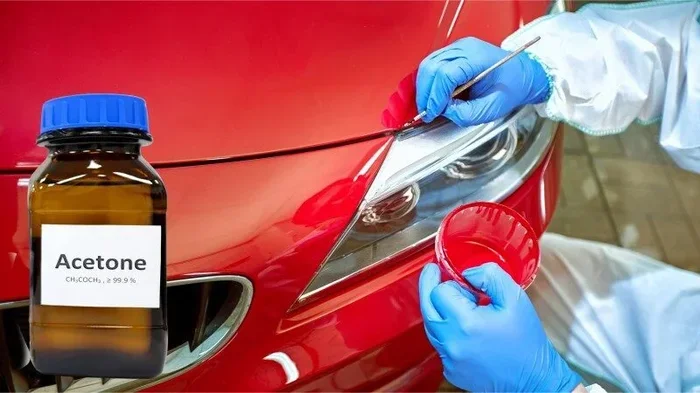
Can you use acetone on car paint? The short answer is yes, but with important caveats. Acetone is a powerful solvent that can remove paint, stains, and adhesives from your vehicle, but it also poses real risks to your car’s finish. In this guide, you will learn exactly when acetone is safe, what damage it can cause, and how to protect your car’s paint while using it effectively.
Every car owner has faced that frustrating moment. A stubborn stain, a sticky residue, or a paint blemish appears on your vehicle, and you reach for whatever solvent is nearby. Acetone is one of the most common household chemicals people consider for cleaning tough spots on their car. But the question remains: can you use acetone on car paint without causing harm?
The truth is not as simple as a yes or no. Acetone is a strong solvent that works wonders for removing nail polish, adhesive residue, and even old paint. However, when it comes to automotive paint, the stakes are much higher. Your car’s paint system is made up of multiple layers, and each one reacts differently to harsh chemicals. Using acetone the wrong way can lead to clear coat damage, paint fading, and expensive repairs.
This guide breaks down everything you need to know. We will cover when acetone is safe, when it is not, what alternatives you should consider, and how to protect your car’s finish. Whether you are a DIY detailer or just someone trying to remove a random spot from your hood, this article has you covered.
Key Takeaways
- Acetone can be used on car paint only in specific situations and always with proper care and caution.
- The clear coat and base coat on modern cars are highly vulnerable to acetone damage if left on too long.
- Always test acetone on a hidden area first before applying it to any visible surface on your vehicle.
- Safer alternatives exist, including isopropyl alcohol, dedicated car cleaners, and paint-safe removers.
- Immediate rinsing and waxing can help minimize damage if acetone is used accidentally on your car paint.
- Understanding your car’s paint type helps you choose the right cleaning method and avoid costly repairs.
📑 Table of Contents
- What Is Acetone and Why Do People Use It on Car Paint?
- Can You Use Acetone on Car Paint Without Causing Damage?
- How Acetone Affects Different Types of Car Paint
- Safe Alternatives to Acetone for Cleaning Car Paint
- How to Protect Your Car Paint From Chemical Damage
- What to Do If Acetone Damages Your Car Paint
- Expert Insights on Using Solvents Around Car Paint
- Conclusion
What Is Acetone and Why Do People Use It on Car Paint?
Understanding Acetone as a Solvent
Acetone is a colorless, fast-evaporating liquid solvent. It is a key ingredient in many nail polish removers and industrial paint stripping solvents. Because it dissolves so many types of materials quickly, people naturally turn to it for cleaning tasks. In the world of car detailing, acetone is sometimes used for removing adhesive labels, tar spots, and even overspray from paint jobs.
However, acetone does not discriminate. It breaks down organic materials, which includes paint. This is why many car owners worry about using it on their vehicles. The solvent can strip away the top layers of automotive paint if given enough time or applied too aggressively.
Common Uses of Acetone Around the Home and Garage
People reach for acetone for several reasons:
- Removing nail polish from surfaces near the garage or driveway
- Cleaning adhesive residue from stickers, decals, and bumper stickers
- Removing paint overspray from nearby surfaces during a DIY paint job
- Degreasing engine parts and other metal components
- Stripping old paint from small metal or plastic components
Each of these uses involves a different level of risk when it comes to car paint safety. The key is understanding how acetone interacts with your vehicle’s specific paint system.
Can You Use Acetone on Car Paint Without Causing Damage?
The Short Answer
Can you use acetone on car paint without ruining it? Yes, but only under controlled conditions. Brief, careful contact with acetone and car paint is generally safe on most modern vehicles. The real danger comes from leaving acetone on the surface too long, using it repeatedly, or applying it to an already weakened paint job.
Think of it this way. A quick wipe with an acetone-soaked cloth to remove a fresh sap spot is very different from soaking a panel with acetone for several minutes. The duration and frequency of contact matter enormously.
When Acetone Is Safe for Car Paint
Acetone can be used safely on car paint in these situations:
- Quick spot cleaning of fresh adhesive residue or tree sap
- Removing a small amount of paint overspray during a recent touch-up
- Cleaning plastic trim pieces that are not part of the painted surface
- One-time, brief contact followed by immediate rinsing and waxing
In each of these cases, the exposure time is short, and you take steps to protect the surrounding paint. The paint correction process becomes much easier when you act quickly and carefully.
When Acetone Is NOT Safe for Car Paint
There are clear situations where you should avoid acetone entirely:
- Leaving acetone on the paint for more than a few seconds
- Using it on old or already damaged paint that has lost its protective layers
- Applying it in direct sunlight or on hot surfaces where it evaporates too slowly
- Using it repeatedly on the same spot over days or weeks
- Applying it to matte or satin finishes, which are more sensitive than gloss paint
If you find yourself in any of these situations, it is much better to choose a car detailing solvent that is specifically designed for automotive use.
How Acetone Affects Different Types of Car Paint
Single-Stage Paint Systems
Older vehicles, especially classic cars from the 1970s and earlier, often use a single-stage paint system. This means the color and the protective clear coat are combined into one layer. These older paint jobs are more vulnerable to acetone because there is no separate protective layer to absorb the initial damage.
If you own a classic car with single-stage paint, you should avoid acetone altogether. The risk of paint stripping solvent damage is simply too high. Instead, opt for a dedicated automotive cleaner designed for older paint systems.
Modern Clear Coat Paint Systems
Most cars made after the 1980s use a modern automotive paint system with multiple layers:
- E-coat (electrocoat) — the corrosion-resistant base
- Primer — helps paint adhere to the metal
- Base coat — provides the color
- Clear coat — the protective top layer
The clear coat is designed to protect the color layer underneath. However, acetone can still damage the clear coat, leading to clear coat damage that looks like cloudiness, fading, or a rough texture. Once the clear coat is compromised, the base coat underneath is exposed to the elements and begins to deteriorate faster.
Plastic and Rubber Components
Many people use acetone on plastic bumpers, trim, and rubber seals without thinking twice. While acetone generally does not damage these non-painted parts as quickly, it can still cause fading, cracking, or discoloration over time. If you need to clean plastic trim, a dedicated plastic cleaner is a much safer choice.
Safe Alternatives to Acetone for Cleaning Car Paint
Isopropyl Alcohol (IPA)
Isopropyl alcohol is one of the best alternatives to acetone for car paint cleaning. It is effective at removing grease, adhesive residue, and light contamination without being as aggressive as acetone. Most professional detailers keep IPA on hand for chemical paint cleaning tasks. It evaporates quickly and is much less likely to damage your automotive paint protection layers.
Dedicated Automotive Cleaners
The market offers many paint-safe removers designed specifically for cars. Products like tar removers, adhesive dissolvers, and bug and tar cleaners are formulated to break down stubborn contaminants without harming your paint. These products are the best choice for regular maintenance and car paint care tips that keep your vehicle looking its best.
Clay Bars and Detailing Clay
For removing bonded contaminants like overspray or industrial fallout, a detailing clay bar is an excellent option. It lifts impurities from the paint surface without using any harsh chemicals. Combined with a lubricant spray, clay bars can remove stubborn spots safely and effectively.
Paint Correction Compounds
If acetone has already caused minor damage to your car’s paint, paint correction compounds can often restore the finish. These products gently remove a thin layer of damaged paint to reveal a smooth, clear surface underneath. However, prevention is always better than cure, which is why choosing the right cleaning product from the start is so important.
How to Protect Your Car Paint From Chemical Damage
Test Before You Apply
Always test any cleaning product on a hidden area of your car first. Choose a spot under the trunk lid or behind a wheel well where the result will not be visible. Apply a small amount of the product, wait 30 seconds, and wipe it off. Check for any discoloration, cloudiness, or texture changes. If the test spot looks fine, you can proceed with confidence.
Use Protective Barriers
When you do need to use a solvent near painted surfaces, protect the surrounding areas first. Use masking tape and painter’s plastic to cover adjacent panels. This simple step can save you from accidental paint damage repair cost that can run into hundreds of dollars.
Rinse Immediately After Use
If acetone does come into contact with your car paint, rinse the area thoroughly with water immediately. Do not let it sit. After rinsing, dry the area with a soft microfiber towel and apply a layer of car wax or paint sealant to restore protection. This quick response can make a big difference in preventing long-term damage.
Maintain Regular Waxing and Sealing
A good layer of wax or ceramic coating acts as a shield for your car’s paint. It creates a barrier that makes it harder for chemicals, including acetone, to penetrate the surface. Regular car paint maintenance with quality wax or sealant is one of the best investments you can make for your vehicle’s long-term appearance.
Store Chemicals Safely
Keep acetone and other strong solvents stored away from your vehicle. Accidental spills happen, and a bottle left on the garage floor near your car can cause unintended damage. Store solvents in a locked cabinet or on a high shelf where they cannot be knocked over easily.
What to Do If Acetone Damages Your Car Paint
Assessing the Damage
If you have already used acetone on your car and notice damage, do not panic. The first step is to assess the severity of the problem. Look closely at the affected area. Is it a slight haze, or has the paint become rough and etched? Light haze can often be polished out, while deeper etching may require professional paint finish repair.
DIY Repair Steps
For minor acetone damage, try these steps:
- Wash the area thoroughly with a gentle car wash soap
- Use a light-cut polishing compound with a foam pad on a dual-action polisher
- Work in small sections and check your progress frequently
- Apply a coat of wax or sealant after polishing to restore protection
If the damage is deeper or covers a large area, it is best to consult a professional detailer or body shop. They have the tools and expertise to restore your paint without causing further harm.
Expert Insights on Using Solvents Around Car Paint
Professional detailers and automotive painters agree on one thing: prevention is always better than correction. The best approach is to use the mildest cleaning product that gets the job done. Acetone has its place, but it should never be your first choice for routine car cleaning.
Many experienced detailers recommend keeping a car detailing solvents kit on hand that includes isopropyl alcohol, tar remover, adhesive dissolver, and a quality glass cleaner. This way, you are never tempted to reach for acetone when a safer option is right there.
Also, keep in mind that the cost of paint damage repair can easily exceed the cost of a quality automotive cleaner. A bottle of dedicated tar remover costs a fraction of what a single panel repaint would run. Investing in the right products saves you money and protects your car’s value over time.
Conclusion
Can you use acetone on car paint without damaging it? The answer is yes, but only with extreme care and in the right circumstances. Acetone is a powerful tool that can handle tough cleaning jobs, but it is not a friend to your car’s paint if used carelessly. Brief, controlled contact followed by immediate rinsing is the safest approach. For anything beyond a quick spot clean, consider using a safer alternative like isopropyl alcohol or a dedicated automotive cleaner.
Your car’s paint is one of its most valuable features. It protects the metal underneath, maintains resale value, and keeps your vehicle looking sharp. Treat it with respect, choose the right cleaning products, and your car will look great for years to come. Remember these car paint care tips and share them with fellow car owners who might be facing the same solvent dilemma.
Frequently Asked Questions
Will acetone permanently damage my car paint?
Acetone can cause permanent damage if left on the paint for an extended period or used repeatedly. A brief, one-time contact followed by immediate rinsing usually does not cause lasting harm. However, prolonged exposure will strip the clear coat and may require professional paint correction or repainting to fix.
Can I use nail polish remover containing acetone on my car?
Most nail polish removers contain a high concentration of acetone mixed with other chemicals. Using these on car paint is not recommended because the additional ingredients can make the solvent even more aggressive. Stick to pure acetone if you must use it, and always apply it with a soft cloth for the shortest time possible.
How quickly should I rinse acetone off my car paint?
You should rinse acetone off immediately, within seconds of contact. Do not let it sit on the paint for more than a few seconds. The faster you rinse, the lower the risk of clear coat damage and paint discoloration.
Is acetone safe for matte or satin car paint finishes?
No, acetone is generally not safe for matte or satin finishes. These paint types have a special texture that acetone can destroy, leaving flat spots or glossy patches that ruin the uniform appearance. Always use a product specifically formulated for matte paint finishes.
What is the best solvent for removing paint overspray from a car?
The best solvent for paint overspray removal is a dedicated automotive overspray remover or isopropyl alcohol. These products are formulated to be effective on paint contaminants while being safe for your vehicle’s finish. Avoid using acetone unless it is your only option, and even then, use it with extreme caution.
How much does it cost to repair acetone damage to car paint?
The cost varies widely depending on the severity of the damage. Minor haze can be corrected for $50 to $150 through professional polishing. Deeper damage that requires repainting a panel can cost anywhere from $300 to $1,500 or more. Preventing damage in the first place is always the most cost-effective approach.