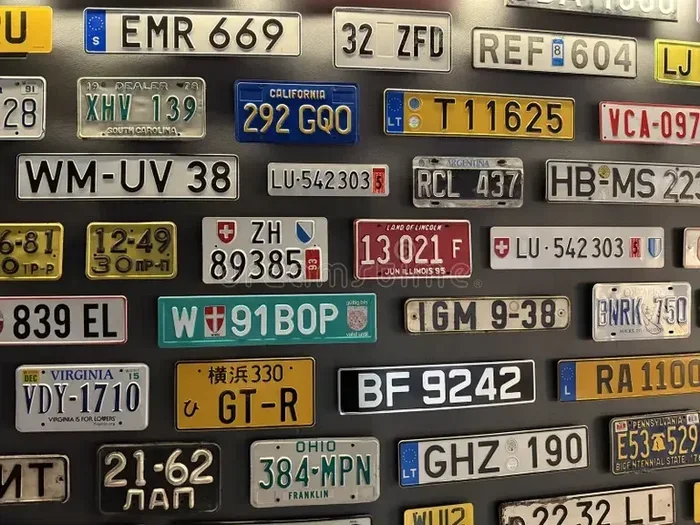
Everything You Need To Know About Car Number Plate Types
Car number plate types vary widely by design, material, and purpose. Whether you drive a daily commuter or a classic show car, understanding the different plate options helps you stay legal and express your style. This guide covers every major plate type, from standard registration tags to custom and specialty plates, so you can make the right choice for your vehicle.
Have you ever looked closely at the different car number plate types on the road? Some plates are plain and simple. Others flash bright colors or unique designs. Every plate tells a story about the vehicle, the owner, and the rules of the road.
Understanding car number plate types matters more than most people think. Plates are not just metal or plastic pieces attached to your vehicle. They serve as official identification. They prove your vehicle is registered and insured. And in many places, they are a legal requirement for driving on public roads.
Whether you are buying a new car, restoring a classic, or just curious about the different plates you see every day, this guide has you covered. We will walk through every major license plate style and explain what makes each one unique. You will learn about materials, regulations, and how to pick the right plate for your needs.
By the end of this article, you will feel confident talking about number plate designs and vehicle registration tags. Let us dive in.
Key Takeaways
- Standard plates are the most common type issued by government agencies for everyday vehicle registration.
- Custom and personalized plates let drivers choose unique letter and number combinations that reflect their personality.
- Specialty plates include vintage, diplomatic, dealer, and temporary plates, each serving a specific legal purpose.
- Plate materials like aluminum, steel, and acrylic affect durability, reflectivity, and longevity.
- Regulations vary by region, so always check your local laws before purchasing or designing a plate.
- Proper plate maintenance keeps your plates readable and avoids fines or failed inspections.
- Choosing the right plate involves balancing legal requirements, personal style, and budget.
📑 Table of Contents
- What Are Car Number Plate Types?
- Specialized Car Number Plate Types
- Number Plate Materials and Construction
- Number Plate Regulations and Legal Requirements
- How to Choose the Right Plate for Your Vehicle
- Quick Tips for Car Owners
- Common Mistakes to Avoid
- Expert Insights on Number Plate Evolution
- Conclusion
What Are Car Number Plate Types?
Car number plate types refer to the different categories of vehicle registration plates used around the world. Each type serves a specific function. Some are issued by government agencies for standard vehicle registration. Others are specialty plates for particular groups or purposes.
The most basic vehicle registration plates are issued when you register a car with your local Department of Motor Vehicles or equivalent agency. These plates show a unique combination of letters and numbers that identifies your vehicle. Think of them as a license tag that connects your car to your registration records.
Beyond the basics, there are many other number plate types to explore. Some drivers choose custom plates or personalized plates with a message or name. Others may qualify for special plates like vintage tags or diplomatic plates. Let us break down the main categories so you can understand them clearly.
Standard Registration Plates
Standard registration plates are the most common type. Almost every car on the road has one. These plates are issued by your state or country and follow a specific format. The format usually includes a series of letters and numbers that is unique to your vehicle.
Standard plates must meet strict rules. They need reflective material so they are visible at night. The characters must be a certain size and font. And the plate must be displayed on both the front and rear of the vehicle in most places.
These plates are also called alphanumeric plates because they use both letters and numbers. The combination is assigned by the registration authority and cannot be changed by the owner in most cases.
Custom and Personalized Plates
Custom plates are one of the most popular license plate styles among car enthusiasts. These plates let you choose your own combination of letters and numbers. You can spell out your name, a favorite phrase, or a meaningful word.
Most regions offer a custom plate program through the DMV. You pay an additional fee to reserve your preferred combination. The cost varies widely depending on the state or country. Some custom plates cost just a few dollars more per year. Others can be quite expensive if the combination is highly sought after.
There are rules, of course. You cannot use offensive language or misleading combinations. Each region has a list of banned words and phrases. The registration authority reviews your request before approving it.
Personalized plates are a great way to make your car stand out. They add a personal touch that standard plates simply cannot match. Many people keep their same custom plate number when they buy a new car, making it a signature part of their vehicle identity.
Specialized Car Number Plate Types
Beyond standard and custom plates, there are many specialized types. These plates serve specific groups, vehicle types, or legal purposes. Let us explore the most common ones.
Vintage and Classic Car Plates
Vintage car plates are designed for older vehicles. In most cases, a car must be at least 20 to 25 years old to qualify. These plates often have a distinct look with a different color scheme or design than standard plates.
Many car collectors love vintage plates because they add authenticity to a classic car. Some regions offer reduced registration fees for vintage vehicles. The trade-off is that these cars may have restrictions on how often they can be driven on public roads.
Vintage plates also help preserve the look of older cars. They match the era of the vehicle and give it a timeless feel. If you own a classic car, these plates are worth considering.
Motorcycle Plates
Motorcycle plates are smaller than car plates. They are designed to fit the narrower rear mount on a bike. These plates follow the same registration rules as car plates but come in a compact size.
Some regions also issue front plates for motorcycles, while others only require a rear plate. The design and material are similar to standard car plates, but the size is different. Make sure you get the correct size plate for your motorcycle to avoid fines.
Diplomatic Plates
Diplomatic plates are issued to foreign diplomats and embassy staff. These plates have a distinct format and color scheme that sets them apart from regular plates. They often start with a “D” or “CD” to indicate diplomatic or consular status.
Diplomatic plates come with special privileges. Vehicles with these plates may be exempt from certain traffic laws or customs inspections. They are regulated by international agreements and national laws.
Dealer and Temporary Plates
Dealer plates are used by car dealerships to move vehicles on their lots. These plates allow dealers to drive unregistered cars on public roads without permanent registration tags. They are usually valid for a limited time and must be returned when the vehicle is sold.
Temporary plates serve a similar purpose. They are issued when a car is newly purchased and waiting for permanent registration. Temporary plates are usually paper or lightweight plastic and have an expiration date printed on them.
Both dealer and temporary plates are essential for the car buying process. They keep vehicles moving legally while registration paperwork is being processed.
Government and Fleet Plates
Government vehicles carry plates that identify them as official cars. These plates often have a unique prefix or color scheme. Fleet plates are issued to companies that own multiple vehicles, like delivery services or car rental agencies.
These plates simplify registration for organizations that manage many vehicles at once. They also help law enforcement identify official and commercial vehicles at a glance.
Number Plate Materials and Construction
The material used to make a plate affects its durability, appearance, and reflectivity. Most modern car number plate types are made from a few common materials. Let us look at what goes into building a license plate.
Aluminum Plates
Aluminum is the most common material for vehicle registration plates. It is lightweight, corrosion-resistant, and easy to work with. Most standard plates you see on the road are made from aluminum sheeting.
Aluminum plates are often coated with a reflective surface. This coating contains tiny glass beads that bounce light back to its source. It makes the plate highly visible at night and in poor weather conditions.
Steel Plates
Steel plates are stronger than aluminum but heavier. They are less common today but still used in some regions. Steel plates tend to be more durable and resistant to physical damage. However, they can rust if the protective coating wears away.
Acrylic and Plastic Plates
Acrylic plates are used for temporary and specialty applications. They are lightweight and inexpensive to produce. You will often see acrylic plates on temporary registration tags or dealer vehicles.
Some regions also use durable plastic composites for standard plates. These materials resist fading and cracking better than traditional options.
Number Plate Regulations and Legal Requirements
Every region has its own rules about number plate types. These regulations cover how plates must look, where they must be displayed, and what information they must contain. Ignoring these rules can lead to fines, failed inspections, or even vehicle impoundment.
Display Requirements
In most places, you must display plates on both the front and rear of your vehicle. Some regions only require a rear plate for motorcycles. Plates must be securely mounted and visible from a reasonable distance.
Plates should not be obscured by covers, stickers, or dirt. Many jurisdictions require plates to be kept clean and legible at all times. If a plate is hard to read, you could be pulled over and cited.
Character and Format Rules
Each region sets its own format for plate characters. Some areas use a specific number of letters and digits. Others allow more flexibility. The font, spacing, and color of characters are also regulated to ensure readability.
Custom plates must still follow these rules. You can choose your combination, but it must fit within the allowed format. Certain characters and words are prohibited in all cases.
Replacement and Renewal
Plates wear out over time. They fade, crack, and lose their reflective coating. Most regions require plates to be replaced periodically or when they become illegible. Registration renewal usually coincides with plate replacement.
Keep your plates in good condition. A damaged plate can lead to a traffic stop and a fine. Replacing a worn plate is inexpensive and easy, so there is no reason to delay.
How to Choose the Right Plate for Your Vehicle
Choosing the right car number plate types depends on your vehicle, your budget, and your personal style. Here are some tips to help you make the best decision.
Consider Your Vehicle Type
The type of vehicle you drive plays a big role in choosing a plate. A classic car looks best with a vintage plate. A daily commuter might be fine with a standard registration plate. A new purchase might need a temporary plate until permanent registration is complete.
Think about what message you want your plate to send. A personalized plate on a sports car makes a bold statement. A clean standard plate on a family sedan keeps things simple and professional.
Check Local Regulations
Before you order any plate, check your local regulations. Make sure the plate type you want is legal in your area. Some specialty plates have eligibility requirements. You may need to prove your vehicle qualifies for a vintage or disability plate, for example.
Visit your local DMV website or call their office. They can tell you exactly what options are available and what the costs are. It saves time and prevents disappointment.
Budget for Extra Fees
Custom and specialty plates usually cost more than standard plates. The extra fees vary by region and plate type. Some areas charge a one-time fee for custom plates. Others add a surcharge to your annual registration.
Factor these costs into your car budget. A beautiful custom plate is a great investment, but make sure it fits your financial plan.
Maintain Your Plates
Once you have your plates, take care of them. Clean them regularly with mild soap and water. Avoid harsh chemicals that can damage the reflective coating. Check for cracks or fading and replace plates when needed.
Good maintenance keeps your plates looking great and ensures they remain legally compliant. It is a small effort that pays off in the long run.
Quick Tips for Car Owners
- Always keep a copy of your registration in the vehicle, even if you have plates displayed.
- Use a plate cover only if it is legal in your area. Some places ban covers that obscure visibility.
- Replace faded or cracked plates immediately to avoid fines.
- Keep your plates clean, especially before a vehicle inspection.
- Record your plate number and keep it in a safe place in case of theft or loss.
- Check for recalls or updates related to plate design in your region.
- Consider a custom plate early if you want a specific combination, as popular choices sell out fast.
Common Mistakes to Avoid
Many car owners make avoidable mistakes when it comes to their plates. Here are the most common ones and how to prevent them.
- Using expired temporary plates. Always check the expiration date and replace temporary plates before they expire.
- Ignoring plate maintenance. Dirt and damage can make plates unreadable and lead to legal trouble.
- Choosing an illegal combination. Even with custom plates, some combinations are banned. Check before you order.
- Failing to transfer plates. When you sell or buy a vehicle, plates must be transferred or surrendered properly.
- Obscuring plates with accessories. Bike racks, trailer hitches, or decorative items should not block your plates.
Expert Insights on Number Plate Evolution
Number plate designs have changed a lot over the decades. Early plates were simple metal sheets with hand-stamped numbers. Today, plates are high-tech products with reflective coatings, embedded RFID chips, and digital tracking capabilities.
Some countries are moving toward digital plates that can display changing information. These smart plates could show registration status, toll payment data, or even advertisements. The future of vehicle identification is evolving fast.
For now, the classic car number plate types remain the standard around the world. Whether you prefer a standard plate, a custom design, or a specialty tag, understanding your options helps you make informed choices.
The key is to stay informed about local regulations, choose a plate that fits your vehicle and style, and maintain it properly. A good plate does more than identify your car. It represents you on the road.
Conclusion
Car number plate types are more diverse than most people realize. From standard registration plates to custom designs and specialty tags, each type serves an important purpose. Understanding these options helps you stay legal, protect your investment, and express your personality.
Whether you drive a brand-new sedan, a vintage classic, or a rugged motorcycle, there is a plate type that fits your needs. Take the time to explore your options, check local regulations, and choose wisely. Your plate is one of the first things people notice about your car, so make it count.
Now that you know the ins and outs of car number plate types, you are ready to make the best choice for your vehicle. Stay informed, stay compliant, and enjoy the ride.
Frequently Asked Questions
What are the most common car number plate types?
The most common types are standard registration plates, which are issued by government agencies for everyday vehicle use. Custom plates and temporary plates are also very popular among drivers. Each type serves a different purpose and follows specific rules set by local authorities.
How do I get a personalized car number plate?
You can apply for a personalized plate through your local DMV or equivalent agency. You will need to pay an additional fee and choose a combination of letters and numbers that is not already taken. The authority will review your request and approve it if it meets all regulations.
Are vintage plates different from standard plates?
Yes, vintage plates are different. They are issued to vehicles that meet a certain age requirement, usually 20 to 25 years or older. These plates often feature a unique design and color scheme. They may also come with reduced registration fees and specific usage restrictions.
Can I use custom plates on a motorcycle?
In most regions, yes. Motorcycles can have custom plates just like cars, but the plate size is smaller. Check your local regulations to confirm eligibility and design rules for motorcycle custom plates. The application process is usually the same as for car plates.
What materials are car number plates made from?
Most plates are made from aluminum, which is lightweight and reflective. Steel is used in some regions for added durability. Temporary plates are often made from acrylic or durable plastic. The material affects how long the plate lasts and how visible it is at night.
Do number plate regulations differ between states or countries?
Yes, regulations vary significantly. Each state or country sets its own rules for plate size, format, color, and display requirements. Some regions require front and rear plates, while others only require a rear plate. Always check your local laws before ordering or modifying a plate.