Car Driving From Inside The Ultimate Guide You Need
Car driving from inside is more than just sitting behind the wheel. It is about how your seat, mirrors, controls, and cabin environment shape every trip. This guide covers everything from seat adjustment and mirror positioning to dashboard layout and cabin comfort. You will learn practical tips that make your drives safer, smoother, and far more enjoyable. Whether you are a new driver or a seasoned pro, these insights will transform how you experience the road.
Have you ever thought about how much your driving experience depends on what is happening inside your car? The truth is, car driving from inside is a skill that goes way beyond just turning the key and pressing the gas. Every detail inside your vehicle, from the way your seat feels to how clearly you can see the road, shapes how safe and comfortable your drive really is.
Many drivers focus on learning the rules of the road but forget that the interior of their car is just as important. Your driver’s seat comfort, visibility while driving, and how easily you reach your controls all matter. This guide breaks down everything you need to know about driving from inside your vehicle. You will walk away with practical tips that make every trip better.
Key Takeaways
- Proper seat positioning is the foundation of safe and comfortable car driving from inside. It affects your reach, visibility, and reaction time.
- Mirror alignment and blind spot checks are essential habits that every driver should master before hitting the road.
- Dashboard layout and infotainment systems play a big role in reducing distractions and keeping your focus on the road.
- Cabin comfort features like climate control, seat heating, and noise insulation make long drives far more pleasant.
- Common interior mistakes such as poor posture, loose items, and wrong pedal reach can lead to fatigue and safety risks.
- Expert-backed driving tips help you stay alert, relaxed, and in full control during every journey.
📑 Table of Contents
- Why Your Car’s Interior Matters for Every Drive
- Setting Up Your Driver’s Seat for Comfort and Safety
- Visibility and Mirror Positioning from Inside
- Dashboard Controls and Infotainment Systems
- Cabin Comfort: Climate, Noise, and Space
- Common Mistakes Drivers Make Inside the Car
- Expert Tips for Better Driving From Inside
- Conclusion
Why Your Car’s Interior Matters for Every Drive
The inside of your car is your personal driving space. It is where you spend every minute of your trip. A well-organized, comfortable interior makes driving feel natural and effortless. On the other hand, a cluttered or poorly set up cabin can cause fatigue, distraction, and even danger.
When you think about car driving from inside, consider these key areas:
- Seat comfort and posture – Your body position affects how long you can drive without getting tired.
- Visibility – Clear sightlines in all directions help you spot hazards early.
- Control access – Reaching buttons, levers, and the steering wheel should feel effortless.
- Cabin noise levels – A quiet interior helps you stay focused on the road.
- Climate and air quality – Comfortable temperature keeps you alert and refreshed.
Each of these elements plays a role in your overall driving experience. Ignoring even one of them can turn a pleasant drive into a frustrating one. The good news is that small changes inside your car can make a huge difference.
How Interior Design Affects Driver Focus
Car makers spend millions designing interiors that keep drivers focused. The layout of the dashboard controls, the placement of the infotainment system, and even the color of the interior lighting all serve a purpose. A well-designed cockpit puts the most-used controls within easy reach. This means you do not have to take your eyes off the road for long.
On the flip side, a messy dashboard with loose items can be a major distraction. Pens rolling under the seat, loose change near the pedals, or tangled charging cables all pull your attention away. Keeping your cabin clean and organized is one of the simplest ways to improve driver awareness from the moment you sit down.
Setting Up Your Driver’s Seat for Comfort and Safety
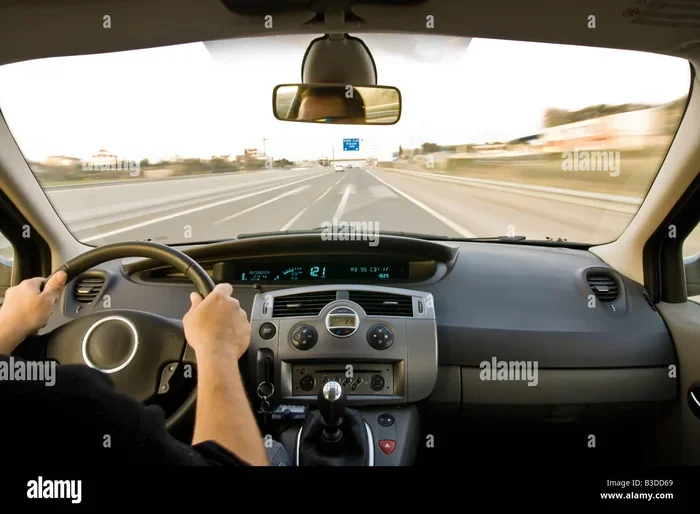
The driver’s seat is the most important part of your car’s interior. It is the one thing that connects you to the vehicle. Getting the seat position right is the single best thing you can do for car driving from inside. A proper setup improves your posture, your reach, and your overall safety.
Step-by-Step Seat Adjustment Guide
Follow these steps every time you get behind the wheel:
- Adjust the seat height first. You want a clear view over the dashboard. Your eyes should be at least three inches above the steering wheel rim.
- Move the seat forward or backward. When you press the brake pedal all the way down, your knee should still have a slight bend. Your feet should reach the pedals comfortably without stretching.
- Set the backrest angle. A slightly reclined position, around 100 to 110 degrees, reduces strain on your lower back. Sitting too upright can cause tension in your shoulders and neck.
- Adjust the lumbar support. If your car has adjustable lumbar, set it to support the natural curve of your lower back. This is crucial for driving ergonomics on long trips.
- Position the steering wheel. The top of the steering wheel should be at least a few inches above your knees. Your arms should have a slight bend when holding the wheel at the 9 and 3 positions.
Common Seat Setup Mistakes
Many drivers make avoidable mistakes when setting up their seats. Sitting too close to the steering wheel is dangerous. In a crash, the airbag needs space to deploy properly. Your chest should be at least ten inches from the steering wheel center. Another common error is having the seat too far back, which forces you to reach far for the pedals and reduces your control.
Also, do not forget about seat height adjustment. If you are too low, your view of the road is blocked by the dashboard. If you are too high, you may feel unstable during sharp turns. Find the sweet spot where you feel balanced and in full control.
Visibility and Mirror Positioning from Inside
One of the most overlooked parts of car driving from inside is visibility. Your mirrors are your eyes to the sides and rear of your car. When they are set correctly, they eliminate blind spots and give you confidence on the road.
How to Position Your Side Mirrors
Most drivers set their side mirrors wrong. They point them inward, which creates a huge blind spot on each side. Here is the right way to do it:
- Sit in your normal driving position.
- Adjust the left mirror so you can barely see the side of your car on the right edge of the glass.
- Adjust the right mirror the same way, seeing just the side of your car on the left edge.
- This setup overlaps your rearview mirror view with the side mirrors, drastically reducing blind spots.
When your mirrors are set this way, you need to do blind spot checks less often. However, always glance over your shoulder before changing lanes. Mirrors are tools, not replacements for looking around.
Maximizing Your Road View
Clean your windshield inside and out before every drive. Fingerprints and dust on the inside of the glass cause glare, especially at night. Use a glass cleaner and a microfiber cloth for a streak-free finish. Also, keep your windshield washer fluid topped up so you can clear bugs, dirt, or rain quickly.
Your visibility angles also depend on your seat position. If you sit too low, the dashboard blocks your forward view. If you sit too high, you may feel every bump more intensely. Adjust your seat height to balance a clear view with a comfortable ride.
Dashboard Controls and Infotainment Systems
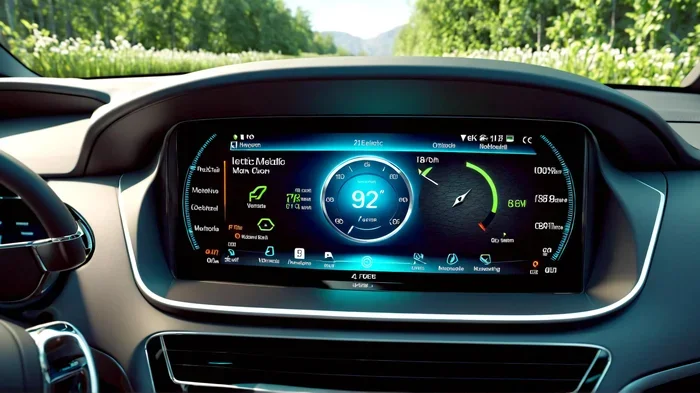
Modern cars come packed with dashboard controls and infotainment systems. These features make driving easier and more enjoyable, but they can also become distractions if not used wisely. Understanding how to use them safely is a key part of car driving from inside.
Essential Controls Every Driver Should Know
Before you start any trip, make sure you know where these controls are located:
- Turn signal lever – Usually on the left side of the steering column.
- Windshield wiper and washer controls – Often on the right side of the steering column.
- Headlight and high beam switch – Typically a dial or lever near the steering column.
- Climate control – Buttons or a dial for heating and air conditioning.
- Audio controls – Volume knob, tune buttons, or touchscreen interface.
You should be able to operate these controls without taking your eyes off the road for more than a second. This is where muscle memory becomes your best friend. Practice finding each control by feel, especially when you first get a new car.
Infotainment and Touchscreen Best Practices
Touchscreen infotainment systems are convenient, but they can pull your attention away from driving. Set up your navigation, music, and phone connections before you start moving. If you need to change something while driving, use voice commands whenever possible. Many modern cars offer steering wheel controls for volume, track skipping, and even voice activation.
Keep your infotainment system screen brightness at a level that is easy to read during the day but does not glare at night. A dim or overly bright screen strains your eyes and reduces your focus on the road ahead.
Cabin Comfort: Climate, Noise, and Space
Long drives can be tiring, but your car’s cabin environment plays a big role in how you feel. Cabin comfort is about more than just temperature. It includes noise levels, air quality, and the overall sense of space inside your car.
Climate Control and Air Quality
Your climate control system keeps you comfortable in all seasons. In summer, use the recirculate mode to keep cool air inside. In winter, direct the airflow toward your feet to warm them up first. Most drivers feel more alert when the cabin temperature is between 68 and 72 degrees Fahrenheit.
Do not forget about air quality. Replace your cabin air filter regularly. A clean filter reduces dust, pollen, and odors inside the car. If you have allergies, this simple change can make car driving from inside much more pleasant, especially during spring and fall.
Reducing Cabin Noise
Noise inside your car comes from many sources: road texture, wind, engine vibration, and even the music system. Too much noise causes fatigue and makes it harder to hear important sounds like sirens or horns.
Here are a few ways to reduce cabin noise levels:
- Check your tires regularly. Worn or underinflated tires create more road noise.
- Seal any gaps around your doors and windows. Weather stripping wears out over time.
- Use sound-absorbing floor mats. They reduce vibration from the road.
- Keep your windows closed at highway speeds. Open windows create significant wind noise.
A quieter cabin helps you stay focused and reduces the mental fatigue that comes from constant noise exposure.
Maximizing Interior Space and Organization
Clutter inside your car is more than an eyesore. Loose items can slide around during turns and sudden stops, becoming distractions or even hazards. Use organizers for your doors, seatbacks, and center console. Keep a small bag for trash and empty it after every trip.
Your car cabin space also affects your posture. If your seat is pushed too far back because of clutter under it, your driving position suffers. Keep the footwell clear so you can sit in the optimal position for driving ergonomics.
Common Mistakes Drivers Make Inside the Car
Even experienced drivers fall into habits that hurt their car driving from inside experience. Recognizing these mistakes is the first step toward fixing them.
Slouching or Poor Posture
Slouching in your seat might feel comfortable at first, but it causes back pain and reduces your reaction time. Over time, poor posture leads to discomfort and even long-term spinal issues. Sit up straight with your back pressed against the seatback. Use a lumbar cushion if your seat does not provide enough support.
Ignoring Mirror Adjustments
Many drivers never adjust their mirrors after someone else drives the car. Even a small change in mirror angle can create dangerous blind spots. Make mirror checks part of your pre-drive routine, just like buckling your seatbelt.
Overloading the Dashboard
Hanging air fresheners, placing phones or GPS devices on the dashboard, and cluttering the instrument cluster all block your visibility while driving. Keep your dashboard clear and only use accessories that do not obstruct your view.
Wearing the Wrong Footwear
Thick-soled shoes, sandals, or even bare feet reduce your feel for the pedals. You need a thin, flexible sole that lets you press the pedals precisely. Pedal placement and your ability to feel the brakes and accelerator are directly affected by your shoes.
Expert Tips for Better Driving From Inside
Experienced drivers know that the secret to great driving is what happens inside the car. Here are some expert-backed tips to elevate your driving experience:
- Do a pre-drive interior check. Adjust your seat, mirrors, and steering wheel before you start the engine. This takes less than a minute but sets you up for a safer drive.
- Use your peripheral vision. Instead of staring at one point, scan the road ahead, your mirrors, and your instrument panel in a continuous loop. This driving awareness technique keeps you informed about your surroundings.
- Keep your hands relaxed on the wheel. Gripping the steering wheel too tightly causes arm fatigue. Hold it gently and let the car do the work.
- Take breaks on long trips. Stop every two hours to stretch your legs and refresh your eyes. Fatigue is one of the biggest risks of car driving from inside for extended periods.
- Stay hydrated and keep snacks nearby. Dehydration causes drowsiness and reduces concentration. A water bottle and a small snack can keep you sharp.
- Adjust your interior lighting. Dim your dashboard lights at night to reduce glare. Use your reading light sparingly so it does not reflect on your windshield.
These tips might seem simple, but they add up to a dramatically better driving experience. The more mindful you are about your driving posture and cabin setup, the more natural and enjoyable car driving from inside becomes.
Quick Tips for Daily Drivers
If you drive every day, small habits make a big impact over time. Clean your windows once a week. Check your tire pressure monthly. Replace your cabin filter every 12,000 miles. Keep a small emergency kit in your trunk. These routines take minimal time but pay off in safety and comfort every single day.
Conclusion
Car driving from inside is truly an art that combines comfort, safety, and awareness. Your car’s interior is not just a place to sit. It is your command center on the road. From the way you adjust your driver’s seat to how you set up your mirrors and manage your dashboard controls, every detail matters.
By following the tips in this guide, you can transform your daily drives into safer, more comfortable experiences. Focus on driving ergonomics, keep your cabin clean and organized, and stay aware of your visibility angles. These habits will serve you well whether you are commuting to work or taking a long road trip.
The road ahead is always more enjoyable when you feel confident and comfortable behind the wheel. Start making small changes inside your car today. Your future self, on every drive to come, will thank you for it.
Frequently Asked Questions
What is the best seat position for car driving from inside?
The best seat position has your back fully supported, your knees slightly bent when pressing the pedals, and your hands holding the steering wheel at the 9 and 3 o’clock positions with a slight bend in your arms. Your eyes should be level with the top of the windshield for maximum visibility while driving.
How often should I adjust my mirrors for better driving from inside?
You should check and adjust your mirrors every time you get behind the wheel, especially if someone else has driven the car. Proper mirror positioning eliminates blind spots and is a core part of safe car driving from inside.
Does cabin temperature affect driving performance?
Yes, extreme temperatures inside the car can cause drowsiness or distraction. A comfortable cabin temperature between 68 and 72 degrees Fahrenheit helps you stay alert. Good climate control is an underrated part of driving ergonomics.
What are the most common interior distractions while driving?
The most common distractions include loose items rolling around, infotainment screens, phone notifications, and clutter on the dashboard. Keeping your car cabin space clean and organized is one of the easiest ways to improve driver awareness and focus.
How can I reduce fatigue during long drives from inside the car?
Take a break every two hours, stay hydrated, keep your driving posture correct, and adjust the climate to a comfortable temperature. Proper seat adjustment and lumbar support also reduce fatigue significantly during extended car driving from inside sessions.
Is footwear important for driving from inside the car?
Absolutely. Thin, flexible-soled shoes give you the best feel for the pedals. Thick-soled shoes, sandals, or bare feet reduce your ability to press the pedals accurately. Pedal placement and control are directly affected by what you wear on your feet while driving.