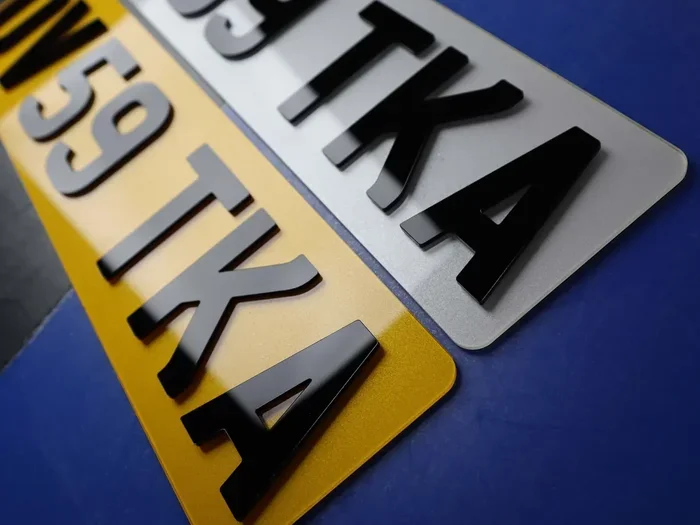
Everything You Should Know About Car Acrylic Number Plates
A car acrylic number plate offers a lightweight, durable, and stylish alternative to traditional metal plates. These plates resist weather damage, UV fading, and corrosion, making them ideal for daily drivers and custom builds. This guide covers everything from material benefits and legal requirements to installation and maintenance tips.
Have you ever walked past a car and noticed its number plate looked incredibly sleek, almost like it was made of high-quality plastic rather than heavy metal? Chances are, you were looking at a car acrylic number plate. These modern plates have been gaining serious popularity among car enthusiasts, daily commuters, and anyone who wants their vehicle to look sharp without the hassle of rust and corrosion.
A car acrylic number plate is not just a trend. It represents a real shift in how we think about vehicle identification. Whether you are replacing a worn-out plate or upgrading your ride with a custom look, acrylic plates offer benefits that traditional metal simply cannot match. In this guide, we will walk you through everything you need to know — from the basics of what they are made of, to the legal rules you must follow, and how to keep them looking great for years.
The world of car accessories has changed a lot over the past decade. People want parts that look good, last long, and are easy to maintain. Acrylic number plates check all three boxes. They are lightweight, resistant to fading, and available in countless designs. If you have been curious about making the switch, you are in the right place. Let us dive in.
Key Takeaways
- Durability: Acrylic number plates withstand harsh weather, UV rays, and road debris without cracking or corroding.
- Lightweight Design: A car acrylic number plate weighs significantly less than metal, reducing stress on mounting points.
- Customization Options: Acrylic allows for vibrant colors, unique fonts, and personalized designs that stand out.
- Legal Compliance Matters: Always check local regulations before installing a custom acrylic plate on your vehicle.
- Easy Maintenance: Cleaning and caring for acrylic plates is simple and requires minimal effort.
- Cost-Effective Long Term: While upfront costs may be slightly higher, acrylic plates last longer and require fewer replacements.
📑 Table of Contents
- What Is a Car Acrylic Number Plate?
- Benefits of Choosing Acrylic for Your Number Plate
- How to Choose the Right Car Acrylic Number Plate
- Installation and Mounting Tips
- Care and Maintenance for Long-Lasting Plates
- Legal Requirements and Regulations
- Common Mistakes to Avoid with Acrylic Number Plates
- Expert Insights on Acrylic Number Plates
- Quick Tips for Getting the Most Out of Your Acrylic Plate
- Acrylic vs. Metal Number Plates: A Quick Comparison
- Conclusion
What Is a Car Acrylic Number Plate?
A car acrylic number plate is a vehicle registration plate made from acrylic, a type of strong plastic material also known as polymethyl methacrylate or PMMA. Unlike traditional plates made from aluminum or steel, acrylic plates are formed from a solid sheet of this clear, durable plastic that can be colored, printed on, and shaped to meet specific standards.
The material itself has been around for decades. You probably know it by brand names like Plexiglas or Lucite. But in recent years, manufacturers have started using it specifically for number plates because of its impressive combination of strength and flexibility. An acrylic vehicle registration plate does not rust, chip, or dent easily. It handles rain, snow, extreme heat, and direct sunlight much better than most metal alternatives.
How Are They Made?
The manufacturing process for a car acrylic number plate is fairly straightforward but requires precision. First, a sheet of acrylic is heated and molded into the exact shape required by regulations. Then, the surface is printed with the registration number and any required text or symbols using high-resolution digital printing technology. A protective layer is often added on top to guard against scratches and UV damage.
Some manufacturers also use embossing or raised lettering techniques to add depth to the characters. This helps with visibility at night when number plate lighting reflects off the surface. The result is a plate that looks clean, professional, and stays readable in all conditions.
Benefits of Choosing Acrylic for Your Number Plate
Why should you consider a car acrylic number plate over a standard metal one? The answer comes down to a combination of practical benefits and aesthetic appeal. Let us break down the biggest advantages.
Weather Resistance
One of the standout features of acrylic is its ability to handle extreme weather. Metal plates can corrode when exposed to salt, moisture, and road chemicals over time. An acrylic license plate does not react to these elements at all. Rain, snow, ice, and intense heat have very little effect on the material. This means your plate stays looking new long after a metal plate would have started to show wear.
UV Protection and Color Stability
Sunlight can fade most materials over time. This is especially true for painted metal plates that lose their vibrancy after a year or two of direct exposure. A quality car acrylic number plate comes with UV-resistant coatings that prevent fading. The colors stay bold, the text stays sharp, and the overall appearance remains consistent even after years of sitting in the sun.
Lightweight Construction
Weight matters more than most people realize when it comes to car parts. A metal number plate might not seem heavy, but every little bit adds up. An acrylic plate is significantly lighter, which reduces stress on the mounting bolts and the plate brackets. Over time, this can help prevent mounting points from loosening or becoming damaged.
Design Flexibility
If you are into custom car plate design, acrylic gives you far more creative freedom than metal. You can choose from a wide range of colors, add unique backgrounds, use different fonts, and even incorporate subtle patterns or gradients. This makes acrylic plates a favorite for people who want their personalized car plate to reflect their personality.
How to Choose the Right Car Acrylic Number Plate
Not all acrylic plates are created equal. When you are shopping for a car acrylic number plate, there are several factors you should consider to make sure you get a quality product that will last.
Material Quality
Look for plates made from high-grade acrylic that is at least 2 to 3 millimeters thick. Thinner materials may feel cheaper and are more prone to scratching. A thick, solid acrylic sheet provides the best balance of strength and clarity. Some sellers also offer acrylic sheet plate options where you can customize the thickness to suit your needs.
Printing and Finish
The printing quality on your plate matters a lot. A reflective number plate should use high-quality inks that bond well with the acrylic surface. Check whether the plate has a matte or glossy finish. Matte finishes tend to hide minor scratches better, while glossy finishes look more vibrant and premium.
Reflectivity Standards
Most regions require number plates to be reflective so they are visible at night. A proper car acrylic number plate will include a reflective layer beneath the printed surface. This is not just for looks — it is a safety and legal requirement in most places. Make sure the plate you buy meets the reflectivity standards set by your local number plate regulations.
Size and Shape Compliance
Every country and state has specific rules about the size and shape of vehicle identification plates. Before purchasing, measure your current plate or check your local laws. A properly sized road legal number plate ensures you avoid fines and pass vehicle inspections without issues.
Installation and Mounting Tips
Installing a car acrylic number plate is generally simple, but doing it the right way makes a big difference in how long the plate lasts and how secure it stays on your vehicle.
Choosing the Right Mounting Hardware
Most acrylic plates come with pre-drilled holes for standard mounting. You can use screws, bolts, or number plate holders to attach the plate to your car. Make sure the hardware you use is rust-resistant, especially if you live in an area with harsh winters or coastal conditions. Stainless steel or zinc-plated bolts work best.
Proper Alignment
Take your time when aligning the plate. A crooked plate looks sloppy and may attract unwanted attention from law enforcement. Use a measuring tape to ensure equal spacing on all sides. Some drivers also use alignment tools or templates to get a perfectly centered fit.
Using Adhesive Backing
Some car acrylic number plate kits come with adhesive backing as an alternative to bolts. This can be a clean, tool-free option for installation. However, adhesive mounting may not be as secure in areas with extreme temperature changes. If you choose this route, make sure to use a high-quality automotive adhesive that can handle heat and cold.
Care and Maintenance for Long-Lasting Plates
One of the best things about a car acrylic number plate is how easy it is to maintain. With just a little regular care, your plate can look brand new for many years.
Cleaning Your Acrylic Plate
Use a soft microfiber cloth and a gentle car wash soap to clean your plate. Avoid abrasive sponges or harsh chemicals, as these can scratch the surface or damage the printed layer. A quick wipe-down once a week removes dirt, bugs, and road grime that can build up over time.
Dealing with Scratches
While acrylic is quite durable, it can still develop minor scratches over time. You can often remove light scratches using a specialized acrylic polish or a mild scratch remover. For deeper scratches, it may be necessary to replace the plate entirely. This is why choosing a high-quality acrylic license plate from the start is so important.
Protecting Against Damage
If you live in an area with heavy road debris or frequent car washes, consider adding a clear protective film over the plate. This extra layer acts as a shield against stone chips, chemical splashes, and minor impacts. It is a simple step that can significantly extend the life of your car plate fasteners and the plate itself.
Inspection Checklist
Make it a habit to inspect your plate every few months. Check for loose mounting bolts, fading print, cracks, or discoloration. Catching small issues early prevents bigger problems down the road. A well-maintained custom number plate not only looks better but also ensures you stay compliant with number plate law in your area.
Legal Requirements and Regulations
Before you rush out and buy a car acrylic number plate, it is essential to understand the legal landscape. Rules around number plates vary widely from one jurisdiction to another, and not all acrylic plates are automatically road legal.
General Legal Standards
In most countries, number plates must meet specific standards for size, color contrast, reflectivity, and font style. The goal is to ensure that plates are easily readable by both humans and automated systems like traffic cameras and toll scanners. A road legal number plate must display the registration number clearly at all times, day and night.
Country-Specific Rules
In the United States, each state sets its own rules for vehicle registration plates. Some states allow acrylic plates, while others only approve metal or aluminum. In the United Kingdom, the Driver and Vehicle Licensing Agency (DVLA) has strict guidelines about plate materials, reflectivity, and character formatting. Always check with your local motor vehicle authority before installing a custom plate.
Custom vs. Standard Plates
If you want a personalized car plate with a unique design, you may need to apply for a special permit. Many regions allow custom plates as long as they meet the basic readability and reflectivity standards. The key is to work with a reputable manufacturer who understands the local regulations and can produce plates that comply fully.
Potential Fines and Penalties
Installing a non-compliant plate can result in fines, failed vehicle inspections, or even points on your license. A plate that is too dark, has incorrect spacing, or uses an unapproved material can be deemed illegal. Always prioritize compliance over aesthetics to avoid unnecessary trouble.
Common Mistakes to Avoid with Acrylic Number Plates
Even though acrylic plates are relatively easy to use, there are some common mistakes that drivers make. Avoiding these pitfalls will help you get the most out of your investment.
- Buying the cheapest option: Low-quality acrylic may crack, fade, or delaminate quickly. Always choose a reputable supplier.
- Ignoring local laws: What looks great on a car in one state may be illegal in another. Do your research first.
- Over-tightening mounting screws: Acrylic can crack if you apply too much pressure. Tighten bolts firmly but gently.
- Using harsh cleaners: Ammonia-based or abrasive cleaners can damage the acrylic surface and the printed layer.
- Skipping the reflective layer: A non-reflective plate may look cool but will likely fail inspection and be illegal on public roads.
Expert Insights on Acrylic Number Plates
Automotive experts generally agree that acrylic plates are a solid choice for most drivers. According to industry professionals, the material has come a long way in recent years. Modern acrylic formulations offer excellent impact resistance and color retention that early versions simply could not match.
Many car accessories specialists recommend acrylic plates for owners who live in coastal areas or regions with extreme weather. The material does not corrode like metal, making it a practical choice for vehicles exposed to salt air, heavy rain, or intense sunlight. Experts also note that acrylic plates are an excellent option for classic car restorations where an authentic modern look is desired without the risk of rust damage.
When asked about longevity, most manufacturers estimate that a quality car acrylic number plate will last between five and ten years with proper care. This is comparable to or better than many metal plates, especially in harsh environments. The key is to buy from a trusted source and follow the care guidelines outlined by the manufacturer.
Quick Tips for Getting the Most Out of Your Acrylic Plate
- Choose a plate with a built-in UV protective coating to prevent fading.
- Use rubber washers between the plate and the mounting hardware to prevent vibration damage.
- Clean your plate regularly with a soft cloth and mild soap.
- Inspect the mounting points every six months to ensure everything stays secure.
- Buy from a manufacturer who offers a warranty or satisfaction guarantee.
- Match your plate design to your vehicle’s overall aesthetic for a polished look.
- Keep a spare plate in your garage if you frequently drive in harsh conditions.
Acrylic vs. Metal Number Plates: A Quick Comparison
To help you decide which material is right for your vehicle, here is a quick side-by-side comparison of acrylic and metal number plates.
| Feature | Acrylic Plate | Metal Plate |
|---|---|---|
| Weight | Very lightweight | Heavier |
| Rust Resistance | Excellent | Poor (unless coated) |
| UV Fading | Resistant with coating | Prone to fading |
| Design Flexibility | High | Limited |
| Durability | High (5-10 years) | Moderate (3-7 years) |
| Cost | Moderate to high | Low to moderate |
| Impact Resistance | Good | Can dent easily |
| Customization | Extensive options | Limited options |
As you can see from the table, a car acrylic number plate offers clear advantages in several categories, particularly when it comes to weight, rust resistance, and customization. Metal plates still have a place, especially for drivers who prefer a traditional look or need the lowest upfront cost. But for most modern drivers, acrylic is the smarter long-term choice.
Conclusion
A car acrylic number plate is more than just a replacement for your old, rusted metal plate. It is an upgrade that brings better durability, a lighter weight, and far more design options to your vehicle. Whether you are looking for a simple replacement or a bold custom statement, acrylic plates deliver on both style and function.
The key to getting the most out of your new plate is to choose a quality product, install it correctly, and follow a basic maintenance routine. Stay informed about your local number plate regulations to ensure your plate remains road legal at all times. With the right car acrylic number plate, you can enjoy a clean, modern look that turns heads and lasts for years to come.
Take the time to explore your options, compare different manufacturers, and invest in a plate that meets both your aesthetic preferences and legal requirements. Your vehicle deserves a number plate that looks as good as it performs. Make the switch to acrylic today and experience the difference for yourself.
Frequently Asked Questions
Are acrylic number plates road legal in all states?
No, regulations vary by location. Some states and countries fully accept acrylic plates as long as they meet reflectivity and readability standards. Others may only approve metal plates. Always check with your local motor vehicle authority before installing a custom plate.
How long does a car acrylic number plate last?
A high-quality acrylic plate typically lasts between five and ten years with proper care. Factors like sun exposure, cleaning habits, and mounting quality can affect the lifespan. Choosing a reputable manufacturer helps ensure maximum durability.
Can I customize the design of my acrylic number plate?
Yes, one of the biggest advantages of acrylic is its design flexibility. You can choose custom colors, fonts, backgrounds, and even add subtle patterns. Just make sure your design meets the legal requirements for character readability and contrast in your area.
Do acrylic number plates fade in the sun?
Quality acrylic plates come with UV-resistant coatings that prevent significant fading. However, cheaper plates without proper UV protection may lose their vibrancy over time. Always look for plates that specifically advertise UV protection.
How do I clean my acrylic number plate without damaging it?
Use a soft microfiber cloth and a mild car wash soap with warm water. Avoid abrasive sponges, ammonia-based cleaners, and high-pressure washers directly on the plate. Regular gentle cleaning keeps the plate looking its best.
Is an acrylic number plate more expensive than a metal one?
Acrylic plates often cost a bit more upfront than basic metal plates. However, they tend to last longer and require fewer replacements, making them more cost-effective over time. The added benefits of customization and weather resistance also add value.