How Big Is the Gas Tank on a New Toyota 57 Tundra Truck
The Toyota 5.7 Tundra comes with a massive gas tank that holds approximately 26.4 gallons of fuel. This large tank gives the truck an impressive driving range, especially when paired with the powerful 5.7 liter V8 engine. Whether you are towing heavy loads or commuting daily, understanding your fuel capacity helps you plan trips and avoid running low.
The Toyota Tundra has been a staple in the full-size pickup truck market for over two decades. One question that comes up often among truck fans and potential buyers is how big is the gas tank on a 5.7 Tundra. The answer matters a lot if you use your truck for towing, hauling, or long road trips.
Fuel tank size directly affects how far you can drive before stopping for gas. It also plays a role in overall truck performance, especially when you are pulling heavy trailers. In this guide, we break down everything you need to know about the Toyota 5.7 Tundra gas tank, including capacity, range, fuel economy, and practical tips to get the most out of every gallon.
Whether you already own a Tundra or are shopping for a new one, this article gives you clear, practical information you can use right away. Let us dive into the details.
Key Takeaways
- Tank Capacity: The 5.7 Tundra holds about 26.4 gallons of gasoline in its fuel tank.
- Driving Range: You can expect roughly 400 to 500 miles of range on a full tank depending on driving conditions.
- Towing Impact: Towing heavy loads significantly reduces fuel economy and overall range per tank.
- Fuel Economy: The 5.7 V8 engine averages around 13 to 16 MPG combined in real-world conditions.
- Refill Cost: Filling up the tank costs roughly $80 to $100 depending on local gas prices.
- Comparison: The Tundra tank is larger than most full-size competitors like the Ram 1500 and Chevy Silverado.
📑 Table of Contents
- Gas Tank Capacity of the Toyota 5.7 Tundra
- Fuel Economy and Real-World Range
- Towing and Its Impact on Fuel Consumption
- Comparing the Tundra Tank to Other Full-Size Trucks
- Tips to Maximize Your Fuel Tank Range
- Common Mistakes That Waste Fuel in the Tundra
- How Much Does It Cost to Fill Up the 5.7 Tundra Tank?
- Final Thoughts on the Toyota 5.7 Tundra Gas Tank
Gas Tank Capacity of the Toyota 5.7 Tundra
The Toyota 5.7 Tundra fuel tank holds 26.4 gallons of gasoline. This is a substantial amount of fuel for a full-size pickup truck. Toyota designed this tank to give drivers plenty of range, especially those who use their Tundra for work or recreation.
Why 26.4 Gallons Matters
To put this into perspective, a standard sedan might carry a tank of 12 to 15 gallons. Compare that to how big is a sedan in feet, and you will see the difference in overall vehicle size right away. The Tundra is a much larger vehicle, and it needs more fuel to power its bigger engine and heavier frame.
Here is a quick look at what 26.4 gallons means in practical terms:
- City Driving: At around 13 MPG, you get roughly 343 miles of range.
- Highway Driving: At around 16 MPG, you get roughly 422 miles of range.
- Mixed Driving: Averaging 14 to 15 MPG gives you about 370 to 400 miles per tank.
These numbers are estimates based on real-world driving. Your actual range will vary depending on several factors we will cover below.
Fuel Tank Dimensions
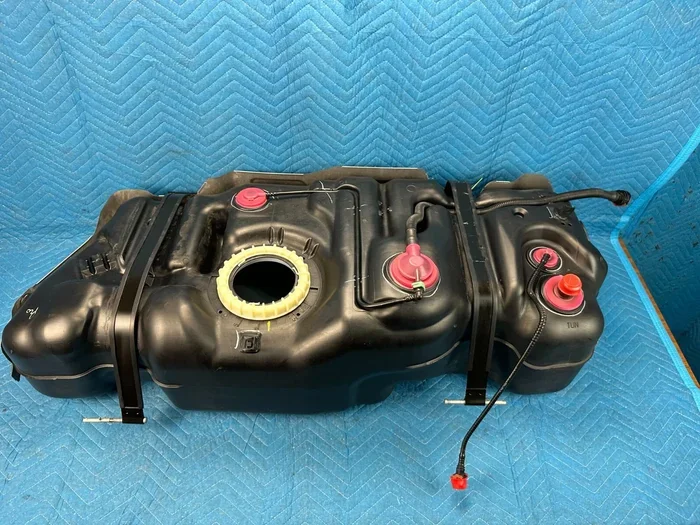
The fuel tank on the 5.7 Tundra is located in the rear of the truck, beneath the cargo bed. Toyota sized it to fit snugly without taking up too much space. The tank is made of durable materials designed to last the life of the vehicle. It is also designed to minimize fuel vapor emissions, which helps the truck meet environmental standards.
The tank capacity has remained fairly consistent across model years. Whether you have a 2015, 2020, or 2024 Tundra with the 5.7 V8, you can expect the same 26.4-gallon capacity. This consistency makes it easy to plan fuel stops and compare costs over time.
Fuel Economy and Real-World Range
Understanding your fuel economy is key to getting the most out of your Tundra’s gas tank. The official EPA rating for the 5.7 Tundra is around 13 MPG in the city and 17 MPG on the highway. However, real-world numbers often differ based on how you drive and what you carry.
What Affects Fuel Economy?
Several factors influence how many miles you get per gallon in a 5.7 Tundra:
- Driving Style: Aggressive acceleration and hard braking waste fuel. Smooth, steady driving improves MPG.
- Load Weight: Carrying heavy cargo or passengers uses more fuel.
- Towing: Towing a trailer is the biggest fuel economy killer. We will cover this in detail below.
- Terrain: Hilly or mountainous roads require more power and burn more gas.
- Weather: Cold weather reduces fuel efficiency. Hot weather can also impact performance, especially if your car overheat on a hot day, which forces the engine to work harder.
- Tire Pressure: Underinflated tires create more rolling resistance and lower MPG.
- Maintenance: Dirty air filters, old spark plugs, and low-quality fuel all reduce efficiency.
How to Track Your Actual MPG
You do not need fancy equipment to track your fuel economy. Simply fill up your tank completely, reset your trip odometer, and drive until you need fuel again. Divide the miles driven by the gallons you added. This gives you your real-world MPG. Do this a few times over different driving conditions to get an accurate average.
Many Tundra models also come with a trip computer that displays average and instant fuel economy. Use these tools to monitor your habits and find ways to improve.
Towing and Its Impact on Fuel Consumption
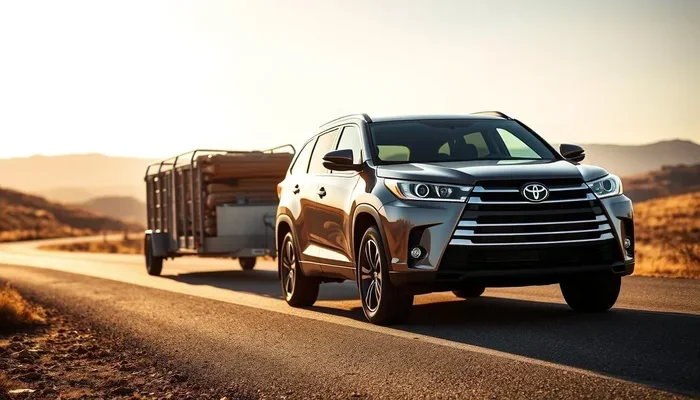
If you use your 5.7 Tundra for towing, you already know that fuel economy drops. Towing a heavy trailer puts a huge demand on the engine, and the 5.7 liter V8 engine burns more gas to keep up. Understanding this impact helps you plan your fuel stops and budget accordingly.
How Much Does Towing Reduce Range?
When towing a heavy load, the 5.7 Tundra might drop to 10 or 11 MPG. That means your 26.4-gallon tank gives you only about 290 to 300 miles of range. This is a big difference from the 400-plus miles you get without a trailer.
Here is a simple comparison:
- No Towing: 14 to 16 MPG, 370 to 422 miles per tank.
- Light Towing (up to 5,000 lbs): 11 to 13 MPG, 290 to 343 miles per tank.
- Heavy Towing (over 5,000 lbs): 9 to 11 MPG, 238 to 290 miles per tank.
Always stay well within your truck’s towing limits. If you are unsure about your specific model, check how close to max towing capacity is safe before loading up your trailer. Pushing the limits not only hurts fuel economy but also puts stress on the engine and transmission.
Tips for Better Fuel Economy While Towing
You can take several steps to improve fuel economy when towing:
- Use cruise control on flat highways to maintain a steady speed.
- Avoid sudden acceleration and hard braking.
- Keep your trailer properly aligned and balanced.
- Remove unnecessary weight from both the truck and the trailer.
- Use the correct gear ratio and transmission settings for your load.
These small changes add up over long trips and can save you significant money on fuel.
Comparing the Tundra Tank to Other Full-Size Trucks
How does the 5.7 Tundra gas tank stack up against the competition? Let us look at some popular full-size trucks and their fuel tank sizes.
Tank Size Comparison Table
| Truck Model | Engine | Fuel Tank Capacity | Estimated Range (Highway) |
|---|---|---|---|
| Toyota Tundra 5.7 | 5.7L V8 | 26.4 gallons | ~422 miles |
| Ford F-150 | 5.0L V8 | 26.0 gallons | ~416 miles |
| Chevy Silverado 1500 | 5.3L V8 | 24.0 gallons | ~384 miles |
| Ram 1500 | 5.7L HEMI V8 | 26.0 gallons | ~416 miles |
| GMC Sierra 1500 | 5.3L V8 | 24.0 gallons | ~384 miles |
As you can see, the Toyota 5.7 Tundra holds one of the largest fuel tanks in the full-size truck segment. Its 26.4-gallon capacity gives it a slight edge over competitors like the Chevy Silverado and GMC Sierra, which carry 24-gallon tanks.
The Ford F-150 and Ram 1500 are very close with 26-gallon tanks, but the Tundra still matches or beats them in real-world range thanks to its efficient 5.7 liter V8 engine design.
Tips to Maximize Your Fuel Tank Range
Getting the most out of every tank of gas is a smart goal for any Tundra owner. Here are practical tips that actually work.
1. Use Cruise Control on Highways
Using cruise control helps maintain a steady speed, which improves fuel economy. If you frequently drive long highway stretches, turn on cruise control and set it at a comfortable, steady speed. Avoid setting it too fast, as higher speeds increase wind resistance and fuel consumption.
2. Keep Your Tires Properly Inflated
Underinflated tires create more friction with the road. This forces the engine to work harder and burn more fuel. Check your tire pressure at least once a month. The recommended pressure for the Tundra is usually listed on a sticker inside the driver’s door frame.
3. Reduce Excess Weight
Every extra pound in your truck costs fuel. Remove items from your bed and cab that you do not need. If you carry a toolbox, bike rack, or cargo carrier, take it off when you are not using it. These small accessories create drag and add weight.
4. Use the Right Fuel
The 5.7 Tundra requires premium gasoline with an octane rating of 91 or higher. Using lower-octane fuel can cause engine knocking and reduce performance. While premium gas costs more per gallon, it is what the engine is designed to run on, and it helps maintain optimal fuel economy.
5. Plan Your Fuel Stops
If you are planning a long trip, map out fuel stops in advance. With a 26.4-gallon tank, you have plenty of range, but it is still smart to know where the next gas station is, especially in rural areas. Running low on fuel can also damage the fuel pump over time.
6. Keep Up with Maintenance
Regular maintenance keeps your engine running efficiently. Change your oil on schedule, replace air filters when dirty, and use quality spark plugs. A well-maintained engine burns fuel more efficiently and lasts longer.
Common Mistakes That Waste Fuel in the Tundra
Even the best truck can waste fuel if you develop bad habits. Here are common mistakes Tundra owners make that drain their gas tank faster than it should.
- Idling Too Long: Letting your truck idle for extended periods burns fuel without moving. If you are parked for more than a minute, turn off the engine.
- Overloading the Truck: Exceeding the recommended payload puts extra strain on the engine and increases fuel consumption.
- Ignoring Dashboard Warnings: If your check engine light comes on, address it quickly. A faulty oxygen sensor or misfiring spark plug can significantly reduce MPG.
- Using the Wrong Oil: Always use the recommended oil weight and type. Wrong oil increases engine friction and reduces efficiency.
- Aggressive Driving: Rapid acceleration and hard braking are the fastest ways to burn through fuel. Smooth driving saves gas and keeps your truck running smoothly.
Avoiding these mistakes alone can improve your fuel economy by 10 to 20 percent over time. That means more miles per tank and fewer trips to the gas station.
How Much Does It Cost to Fill Up the 5.7 Tundra Tank?
Fuel costs are a major part of truck ownership. With a 26.4-gallon tank, the cost to fill up depends entirely on current gas prices. At an average price of $3.50 per gallon, a full tank costs about $92. At $4.00 per gallon, it costs around $106.
If you drive about 15,000 miles per year and average 14 MPG, you will need roughly 1,071 gallons of fuel annually. At $3.50 per gallon, that is about $3,749 per year in fuel costs. These numbers can vary widely based on your driving habits, location, and fuel prices.
One way to reduce costs is to use fuel rewards programs offered by many gas stations. Some credit cards also offer cash back on fuel purchases. Small savings add up over time and help offset the cost of owning a large truck like the Tundra.
Final Thoughts on the Toyota 5.7 Tundra Gas Tank
The Toyota 5.7 Tundra gas tank is one of the largest and most capable fuel tanks in the full-size pickup truck class. With 26.4 gallons of capacity, it gives you excellent range for highway driving, commuting, and towing. Whether you use your Tundra for work or play, understanding your fuel tank helps you make smarter decisions about refueling, trip planning, and overall truck maintenance.
By following the tips in this guide, you can maximize your range, save money on fuel, and keep your Tundra running strong for years to come. The 5.7 liter V8 engine paired with that generous fuel tank makes the Tundra a truly capable and dependable truck for any job or adventure.
Take care of your truck, drive responsibly, and enjoy every mile you get out of that tank. The Toyota 5.7 Tundra was built to go the distance, and with the right habits, you will get the most out of every gallon.
Frequently Asked Questions
How many gallons is the gas tank on a Toyota 5.7 Tundra?
The Toyota 5.7 Tundra comes with a 26.4-gallon fuel tank. This capacity has been consistent across most model years and is one of the largest in the full-size truck segment.
How far can a 5.7 Tundra go on a full tank?
On a full tank, the 5.7 Tundra can travel between 370 and 422 miles depending on driving conditions. Highway driving at steady speeds gives you the best range, while city driving and towing reduce the distance you can cover.
Does towing reduce the fuel range of the 5.7 Tundra?
Yes, towing significantly reduces fuel range. When towing heavy loads, the Tundra may only achieve 9 to 11 MPG, giving you roughly 240 to 300 miles per tank. Always plan fuel stops carefully when towing long distances.
What type of fuel does the 5.7 Tundra require?
The Toyota 5.7 Tundra requires premium gasoline with an octane rating of 91 or higher. Using the recommended fuel ensures optimal engine performance and helps maintain fuel economy.
Is the Tundra gas tank bigger than the Ford F-150 tank?
The 5.7 Tundra holds 26.4 gallons, while the Ford F-150 typically holds 26.0 gallons. The difference is small, but the Tundra’s fuel economy often gives it a slight edge in overall range per tank.
How often do you need to refill the 5.7 Tundra tank?
For the average driver covering 15,000 miles per year at 14 MPG, you will need to refill the tank about 7 to 8 times per year. Towing or heavy city driving will increase that number.
=== CONCLUSION ===
The Toyota 5.7 Tundra gas tank is a standout feature in the full-size pickup truck world. With its 26.4-gallon capacity, the Tundra offers excellent driving range, whether you are commuting to work, hauling cargo, or towing a trailer across the country. Understanding your fuel tank size and how it affects your overall range helps you drive smarter and save money.
By following the practical tips in this guide, you can get the most out of every tank. Keep up with maintenance, drive smoothly, and plan your fuel stops ahead of time. The 5.7 Tundra is built to perform, and with the right care, it will keep you moving mile after mile.
Take what you have learned here and put it into action. Your Tundra is a powerful and reliable truck, and knowing your fuel capacity is the first step toward getting the best experience out of it.