Do Toyotas Have A Tire Pressure Monitoring System
Yes, most modern Toyotas come equipped with a tire pressure monitoring system that alerts you when tire pressure drops below safe levels. The TPMS light on your dashboard helps prevent accidents, improves fuel economy, and extends tire life. In this article, we break down exactly how Toyota TPMS works, how to reset it, and what to do when the warning light comes on.
Key Takeaways
- Toyota TPMS is standard: Most Toyota models from 2007 onward include a factory tire pressure monitoring system.
- Two types exist: Direct TPMS uses sensors inside the tire, while indirect TPMS uses wheel speed sensors.
- Resetting is simple: Most Toyotas let you perform a tire pressure reset with just a few button presses.
- The TPMS light means action: A steady light means check your pressure; a flashing light suggests a sensor issue.
- Proper tire pressure saves money: Correct inflation improves fuel efficiency and keeps tires wearing evenly.
- Sensor batteries need replacement: Toyota TPMS sensor batteries typically last 5 to 10 years before needing a change.
📑 Table of Contents
- Do Toyotas Have A Tire Pressure Monitoring System?
- What Is a Tire Pressure Monitoring System?
- Which Toyota Models Have Tire Pressure Monitoring?
- How to Reset Your Toyota TPMS
- Common Toyota TPMS Problems and How to Fix Them
- Why Tire Pressure Monitoring Is Important for Toyota Owners
- How to Check Your Toyota Tire Pressure Manually
- Replacing Toyota TPMS Sensors
- Key Takeaways
- Frequently Asked Questions
- Conclusion
Do Toyotas Have A Tire Pressure Monitoring System?
If you own a Toyota or are thinking about buying one, you might wonder whether your vehicle has a tire pressure monitoring system. The short answer is yes. Most Toyotas built after 2007 come standard with TPMS, which stands for tire pressure monitoring system. This safety feature keeps an eye on your tire pressure and warns you when something is off.
Keeping your tires properly inflated is one of the simplest things you can do for your vehicle. It affects how your car handles, how much fuel you use, and how long your tires last. Toyota made tire pressure monitoring a standard feature because they know how important it is. Whether you drive a Camry, a RAV4, a Tacoma, or a Highlander, your Toyota likely has this built-in safety tool.
But having the system is only half the battle. You also need to know how it works, what the different warning lights mean, and how to take care of it. That is exactly what this guide covers. We will walk you through everything you need to know about Toyota tire pressure systems in plain, easy-to-understand language.
By the end of this article, you will feel confident about your tire pressure monitoring system and know exactly what to do when that little light pops up on your dash. Let us get started.
What Is a Tire Pressure Monitoring System?
A tire pressure monitoring system, or TPMS, is an electronic system in your vehicle that checks the air pressure inside your tires. It sends real-time information to your car’s computer and lets you know if any tire falls below the recommended pressure level.
Why Tire Pressure Matters
Your tires are the only part of your car that touches the road. That means they affect everything from braking to steering to fuel economy. Here is why keeping the right pressure matters:
- Safety: Underinflated tires can overheat and blow out, especially at highway speeds.
- Fuel economy: Tires with low pressure create more rolling resistance, which means your engine works harder and uses more gas.
- Tire life: Properly inflated tires wear evenly, so you get more miles out of each set.
- Handling: Correct pressure gives you better grip, shorter stopping distances, and smoother cornering.
The tire pressure monitoring system takes the guesswork out of checking your pressure. Instead of relying on a manual tire pressure gauge every week, the system does the work for you. You get instant alerts right on your dashboard.
How Toyota TPMS Works
Toyota uses two types of tire pressure monitoring systems depending on the model and year. Understanding the difference helps you know what to expect from your vehicle.
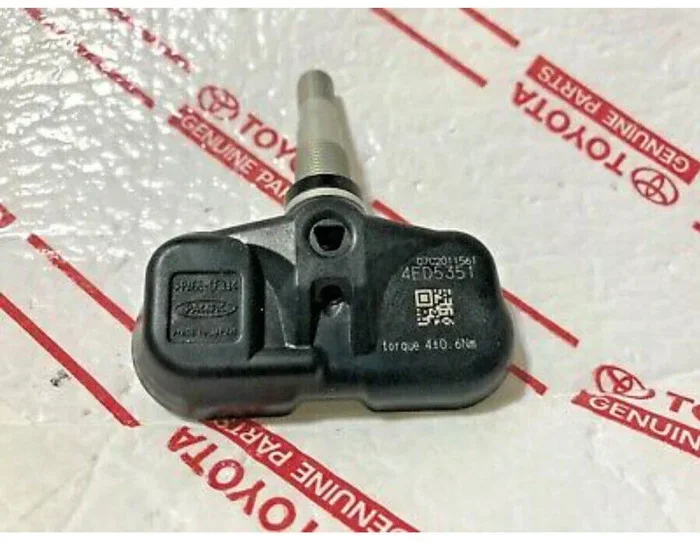
Direct TPMS: This system uses small sensors mounted inside each tire, usually attached to the valve stem. Each sensor measures the actual air pressure and sends a wireless signal to your car’s computer. If pressure drops by about 25 percent below the recommended level, the TPMS light turns on.
Indirect TPMS: This system does not use physical sensors inside the tire. Instead, it relies on your car’s anti-lock braking system (ABS) sensors. It detects when a tire is spinning faster than the others, which happens when the tire is underinflated and has a smaller rolling diameter. Indirect TPMS is less precise but still effective for most driving situations.
Most newer Toyota models use direct TPMS because it provides more accurate readings. You can confirm which type your vehicle uses by checking your owner’s manual or asking your dealer.
Which Toyota Models Have Tire Pressure Monitoring?
Toyota has been putting TPMS in their vehicles for many years now. Here is a quick look at which Toyota models include this feature:
- Camry: All Camry models from 2007 onward come with a tire pressure monitoring system.
- RAV4: The RAV4 has included TPMS across all trims and model years since the mid-2000s.
- Corolla: Standard on most Corolla trims, especially those sold after 2010.
- Tacoma: Toyota’s popular pickup includes TPMS as a standard safety feature.
- Highlander: This SUV comes equipped with direct TPMS for all passengers and cargo areas.
- 4Runner: Off-road capability is great, but you still need proper tire pressure, and the 4Runner’s TPMS helps you track it.
- Toyota Prius: The hybrid line includes TPMS to help maximize fuel efficiency through proper tire care.
Even if you drive an older Toyota, you may still have some form of tire pressure warning. Toyota started making TPMS standard across its lineup after federal regulations required it in 2007. If your Toyota was made before that year, you might not have it, or it may have been added as an optional feature.
One thing to keep in mind is that Toyota maintenance includes checking your TPMS regularly. The system is reliable, but it is not perfect. Sensors can fail, batteries can die, and readings can drift over time. Staying on top of your Toyota tire pressure routine keeps everything working as it should.
How to Reset Your Toyota TPMS
Sometimes the tire pressure light stays on even after you have fixed the problem. This is frustrating but common. The good news is that resetting your Toyota’s TPMS reset procedure is usually straightforward.
Step-by-Step TPMS Reset for Most Toyota Models
Here is a simple tire pressure reset method that works on most Toyota vehicles:
- Make sure all your tires are at the correct pressure. Check the sticker on the driver’s door jamb for the recommended PSI.
- Start your car and make sure the engine is running.
- Locate the TPMS reset button. On most Toyotas, it is beneath the steering column or near the gear shift.
- Press and hold the reset button until the TPMS light on the dashboard blinks three times.
- Release the button and drive the car for about 20 minutes at speeds above 30 mph.
- The system will recalibrate, and the light should turn off.
If the light comes back on after a few days, there may be a deeper issue. A slow leak, a faulty sensor, or a damaged tire could be the cause. In that case, it is worth visiting a mechanic or your Toyota dealer for a professional tire pressure check.
When the TPMS Light Flashes vs. Stays Solid
The way your Toyota dashboard warning lights behave tells you a lot about the problem:
- Steady TPMS light: One or more tires are underinflated. Pull over safely and check the pressure as soon as you can.
- Flashing TPMS light: This usually indicates a problem with the TPMS system itself, such as a dead sensor battery or a malfunctioning sensor. You should get the system diagnosed soon.
If you are dealing with a persistent warning light and need help with your Toyota’s display or settings, you might find it useful to learn how to refresh your Toyota’s display, which can sometimes clear minor system glitches.
Common Toyota TPMS Problems and How to Fix Them
Like any electronic system, your tire pressure monitoring system can run into issues. Here are the most common problems Toyota owners face and what you can do about them.
Dead Sensor Battery
Each TPMS sensor has a small battery that powers it. These batteries typically last between 5 and 10 years. When the battery dies, the sensor stops sending signals, and your tire pressure warning light comes on. You cannot recharge the battery, so the sensor needs to be replaced. A Toyota dealer or a qualified mechanic can swap out the sensor quickly and affordably.
Cold Weather and False Alerts
Cold weather is one of the most common triggers for the TPMS light. When temperatures drop, the air inside your tires contracts, which lowers the pressure. A tire that was fine in summer might trigger the warning in winter. This is usually not a real problem. Simply add air to bring the pressure back to the recommended level, and the light should go away.
Some Toyota owners notice the light coming on in the morning and disappearing after driving for a while. This happens because the tires warm up and the air inside expands. If this keeps happening, you may want to slightly overinflate your tires during the cold months to compensate.
Sensor Damage After Tire Changes
When you get new tires or rotate your existing ones, the TPMS sensors can get damaged if the technician is not careful. The sensors are small and sit right at the valve stem. Hitting them with a tire machine or improperly mounting the tire can crack the sensor housing or damage the internal components. Always remind your tire installer to handle Toyota tire pressure sensors with care.
TPMS Light After a Flat Tire
If you have a flat tire or need to use your spare, the TPMS light will almost certainly come on. This is normal. Once you repair or replace the tire and restore proper pressure, you will need to reset the system. If the light stays on after a reset, there may be damage to the sensor from the puncture or the repair process.
System Malfunction After Battery Disconnection
If you recently disconnected your Toyota battery for any reason, the TPMS system may need to be recalibrated. Sometimes the system resets on its own after a few drives. Other times, you will need to hold the reset button again. If problems persist, a scan tool at a repair shop can reprogram the system.
Why Tire Pressure Monitoring Is Important for Toyota Owners
The tire pressure monitoring system is more than just a dashboard light. It is a critical part of your Toyota’s safety features. Here is why you should pay attention to it and keep it in good working order.
Safety First
Underinflated tires are one of the leading causes of tire blowouts. A blowout at highway speed can be catastrophic. The TPMS gives you early warning so you can fix the problem before it becomes dangerous. Toyota included this feature in their vehicles because they care about keeping you and your passengers safe on the road.
Better Fuel Economy
Did you know that underinflated tires can reduce your fuel economy by up to 3 percent? That might not sound like much, but it adds up over time. Keeping your tires at the right pressure means you fill up less often and spend less money at the pump. For hybrid models like the Prius, proper tire pressure is even more important because it directly affects how efficiently the hybrid system operates.
Longer Tire Life
tires wear out faster on the outside edges of the tread when they are underinflated. Overinflated tires wear out in the center. Either way, you are replacing tires sooner than you should. A working tire pressure monitoring system helps you avoid premature tire wear and get the most value out of every set of tires.
Peace of Mind
There is something reassuring about knowing your car is watching your tire pressure for you. You do not need to remember to check every week. The system does it automatically and alerts you when something is wrong. This is especially helpful if you are someone who forgets routine maintenance or if you drive a lot of miles.
If you ever need to troubleshoot other dashboard warnings on your Toyota, understanding how to address your Toyota’s security indicator light can help you differentiate between warning lights and avoid unnecessary trips to the dealer.
How to Check Your Toyota Tire Pressure Manually
Even with a tire pressure monitoring system, it is still a good idea to check your tire pressure manually from time to time. The TPMS only alerts you when pressure is significantly low. It does not tell you if your pressure is slightly below optimal.
Here is how to do it the right way:
- Buy a good-quality tire pressure gauge. Digital gauges are more accurate and easy to read.
- Check your tires when they are cold, meaning the car has been parked for at least three hours or driven less than a mile.
- Find the recommended PSI on the sticker inside the driver’s door jamb. Do not use the number on the tire sidewall, as that is the maximum pressure, not the recommended pressure.
- Remove the valve cap from the tire and press the gauge firmly onto the valve stem.
- Read the number and compare it to the recommended PSI.
- Add air if the pressure is low. Let out air if it is too high.
- Replace the valve cap and repeat for all four tires, plus the spare if applicable.
Making this part of your regular Toyota maintenance routine is one of the best things you can do for your vehicle. It takes only a few minutes and can save you from costly repairs down the road.
How Often Should You Check?
Most experts recommend checking your Toyota tire pressure at least once a month. You should also check before any long road trip. Temperature changes can affect pressure, so it is smart to check more often during seasonal transitions. Fall and spring are especially good times to make it a habit.
Replacing Toyota TPMS Sensors
When a TPMS sensor battery dies or a sensor breaks, you will need to replace it. Here is what you should know about the replacement process.
How Much Does It Cost?
Replacing a single Toyota TPMS sensor typically costs between 50 and 100 dollars per sensor, including parts and labor. If you need all four sensors replaced, the total cost will be higher. Some aftermarket sensors are cheaper, but OEM Toyota sensors are designed to work seamlessly with your vehicle’s computer system.
Can You Replace Them Yourself?
If you are handy and have the right tools, you can replace TPMS sensors yourself. However, you will need a compatible sensor and a tool to program the new sensor to your Toyota’s system. For most owners, having a dealer or tire shop handle the replacement is the easiest and most reliable option. They have the equipment to properly program and test the new sensors.
After replacement, you will need to perform a tire pressure reset so the system recognizes the new sensors. This is the same reset process described earlier in this guide.
Key Takeaways
- Toyota TPMS is standard: Most Toyota models from 2007 onward include a factory tire pressure monitoring system.
- Two types exist: Direct TPMS uses internal sensors, while indirect TPMS uses wheel speed data.
- Resetting is simple: Most Toyotas let you perform a tire pressure reset with a few button presses.
- The TPMS light means action: A steady light means check your pressure; a flashing light suggests a sensor problem.
- Cold weather triggers false alerts: Air contracts in cold temperatures, temporarily lowering pressure readings.
- Sensor batteries last 5 to 10 years: When the battery dies, the sensor needs full replacement.
- Manual checks still matter: TPMS alerts you to big drops, but regular manual checks keep your tires in optimal shape.
Frequently Asked Questions
Can I drive my Toyota with the TPMS light on?
You can drive short distances with the TPMS light on, but you should not ignore it. The light means at least one tire is significantly underinflated, which can be dangerous. Pull over safely, check your tire pressure, and add air if needed. If the light stays on after adding air, there may be a sensor issue that needs professional attention.
How much does it cost to replace a Toyota TPMS sensor?
Replacing a single Toyota TPMS sensor costs between 50 and 100 dollars for parts and labor. If you need all four sensors replaced, expect to pay 200 to 400 dollars total. OEM Toyota sensors tend to cost a bit more than aftermarket options, but they offer better compatibility and reliability with your vehicle’s system.
Does cold weather affect Toyota TPMS?
Yes, cold weather commonly triggers the TPMS light because air inside tires contracts when temperatures drop. This lowers the pressure and can cause a false alert. If the light comes on in cold weather, check your tire pressure and add air to the recommended PSI. The light should turn off once the tires are properly inflated.
Can I install aftermarket TPMS sensors on my Toyota?
You can install aftermarket TPMS sensors, but they may not integrate as smoothly as OEM Toyota sensors. Aftermarket sensors require programming to match your Toyota’s system, and some may not display pressure readings on your dashboard. For the best experience and reliability, OEM Toyota sensors are the recommended choice.
How often should I manually check my Toyota tire pressure?
You should manually check your Toyota tire pressure at least once a month and before any long trips. The TPMS only alerts you when pressure drops significantly, so manual checks help you catch small leaks early. Use a quality tire pressure gauge and always check when the tires are cold for the most accurate reading.
What does a flashing TPMS light mean on a Toyota?
A flashing TPMS light usually indicates a malfunction in the monitoring system itself, not a tire pressure problem. This could mean a dead sensor battery, a damaged sensor, or a communication error between the sensors and the car’s computer. You should have the system diagnosed by a mechanic or Toyota dealer as soon as possible to avoid further issues.
Conclusion
The answer to “Do Toyotas have a tire pressure monitoring system” is a clear yes. Toyota has made TPMS a standard safety feature across its lineup for well over a decade. This system keeps you safer on the road, helps you save on fuel, and extends the life of your tires.
Understanding how your tire pressure monitoring system works, knowing how to reset it, and recognizing common problems puts you in control of your vehicle’s health. You do not need to be a mechanic to stay on top of your Toyota tire pressure. With a little knowledge and a few simple tools, you can handle most TPMS situations on your own.
Take care of your tires, and they will take care of you. Check your pressure regularly, pay attention to warning lights, and replace sensors when needed. Your Toyota is built to last, and a well-maintained tire pressure monitoring system is one of the best ways to make sure it stays safe, efficient, and ready for the road ahead.