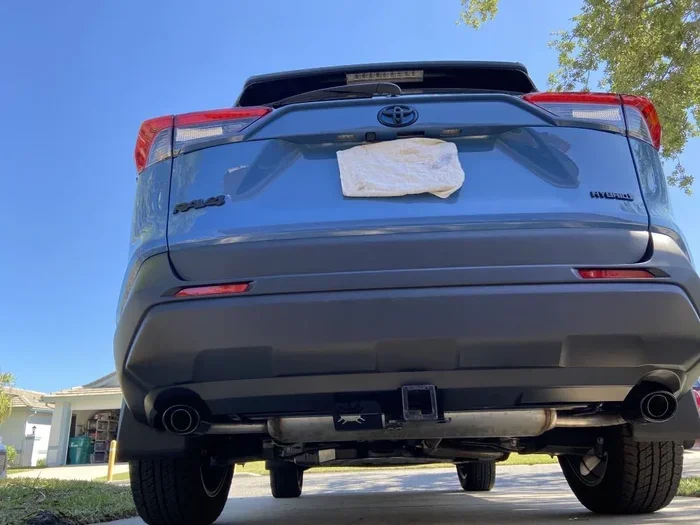
Can I Add a Hitch to My Toyota RAV4 Here is the Answer
Yes, you can add a hitch to your Toyota RAV4, and it is one of the most popular accessories RAV4 owners install. Whether you need to tow a small trailer, bike rack, or cargo carrier, the right Toyota RAV4 hitch makes the job simple and safe. This guide covers towing capacity, hitch types, installation steps, and essential accessories you will need.
So you want to know if you can add a hitch to your Toyota RAV4. The short answer is yes. The longer answer is that it depends on your model year, trim level, and what you plan to tow. Adding a Toyota RAV4 hitch opens up a world of possibilities. You can haul bikes, camping gear, small trailers, and even a modest boat. But doing it the right way matters a lot for safety and performance.
Many RAV4 owners look into trailer hitch installation because they love the idea of adventure. Whether you are heading to a campsite or hauling furniture, a hitch makes it all possible. This guide will walk you through everything you need to know. We will cover towing capacity, hitch types, installation steps, and must-have accessories. By the end, you will feel confident about making the right choice for your RAV4.
Key Takeaways
- The RAV4 can tow up to 1,500 pounds when properly equipped with a towing package and hitch.
- Class III hitches are the most common and compatible option for the Toyota RAV4.
- Aftermarket and OEM hitches both work well, but OEM options offer a cleaner factory look.
- Professional installation is recommended if you are not comfortable working under the vehicle.
- Wiring and accessories like trailer brakes and ball mounts are essential for safe towing.
- Always check your specific RAV4 model year before purchasing a hitch kit.
📑 Table of Contents
Understanding Your Toyota RAV4 Towing Capacity
Before you buy any equipment, you need to understand your RAV4’s towing capacity. This number tells you the maximum weight your vehicle can safely pull. Exceeding it can damage your engine, transmission, and brakes. It is also dangerous on the road.
What Is Towing Capacity?
Towing capacity is the maximum weight a vehicle can pull behind it with a trailer. For the Toyota RAV4, this number varies by model year and trim. Most recent RAV4 models can tow between 1,000 and 1,500 pounds when properly equipped. Older models may have lower limits. Always check your owner’s manual for the exact number for your specific vehicle.
The RAV4 towing capacity depends on several factors. Your engine type matters. Your transmission matters. Whether you have a towing package installed also matters. Even your tire pressure and load distribution play a role. Take the time to understand these numbers before you hit the road.
How to Find Your RAV4 Towing Limit
There are a few easy ways to find your RAV4’s towing limit. First, check the owner’s manual. It will have a dedicated towing section with all the details. Second, look at the door jamb sticker. This sticker lists important vehicle specifications including gross vehicle weight rating. Third, visit the Toyota website and look up your specific model year. Toyota provides detailed towing guides for every RAV4 trim.
Here are the key numbers to remember:
- Gross Vehicle Weight Rating (GVWR): The maximum total weight of your loaded RAV4.
- Gross Combined Weight Rating (GCWR): The maximum weight of your RAV4 plus the trailer plus everything on both.
- Payload Capacity: How much weight your RAV4 can carry inside, including passengers and cargo.
Understanding these numbers protects your vehicle and keeps you safe. Never guess when it comes to towing limits. Always verify with official sources.
Types of Hitches for the Toyota RAV4
Not all hitches are the same. Different types serve different purposes. Choosing the right one for your Toyota RAV4 ensures a safe and smooth towing experience. Let us break down the most common options.
Class III Hitch
The Class III hitch is the most popular choice for RAV4 owners. It has a weight carrying capacity of up to 600 pounds and a weight distributing capacity of up to 3,500 pounds. This class works perfectly for bike racks, small cargo trailers, and camping gear. Most aftermarket hitch manufacturers design their Class III kits specifically for the RAV4.
A Class III receiver hitch uses a 2-inch receiver tube. This is the standard size for most RAV4 applications. You can swap out different accessories like bike racks or cargo carriers without removing the hitch itself. This makes it a very versatile option for daily use and weekend adventures alike.
Class I Hitch
A Class I hitch is a lighter option with a capacity of up to 200 pounds. It uses a 1.25-inch receiver tube. Some older RAV4 models or base trims may only need a Class I setup. This type works well for lightweight cargo carriers or small bike racks. If you are not planning to tow anything heavy, a Class I hitch may be all you need.
OEM vs. Aftermarket Hitches
When shopping for a RAV4 hitch, you will see two main categories: OEM and aftermarket. OEM hitches are made by Toyota and designed specifically for your vehicle. They offer a clean, factory-integrated look. Aftermarket hitches come from companies like Curt, Draw-Tite, and Reese. They often cost less and may offer more features.
Here is a quick comparison:
- OEM Hitches: Factory fit, clean appearance, higher cost, backed by Toyota warranty.
- Aftermarket Hitches: Wider selection, lower cost, easy to find online, may require minor modifications.
Both options work well. Your choice depends on your budget and preferences. If you plan to keep your RAV4 for many years, an OEM hitch may hold its value better. If you want affordability and variety, aftermarket is a great route.
Step-by-Step Hitch Installation
Installing a Toyota RAV4 hitch is a project many owners tackle themselves. With the right tools and a little patience, you can have it done in a few hours. However, if you are not comfortable working under your vehicle, a professional installer is always a good choice.
Tools You Will Need
Before you start, gather your tools. You will need a socket wrench set, a torque wrench, a jack and jack stands, and the hitch kit that comes with your RAV4. Most hitch kits include all the bolts and hardware you need. Read the installation manual that comes with your kit before you begin.
Installation Steps
Here is a basic overview of the trailer hitch installation process for a Toyota RAV4:
- Lift the vehicle using a jack and secure it on jack stands. Never work under a vehicle supported only by a jack.
- Locate the mounting points on the rear bumper or frame. Your hitch kit manual will show you exactly where to drill or bolt.
- Attach the hitch receiver to the mounting points. Hand-tighten all bolts first to ensure proper alignment.
- Torque all bolts to the manufacturer’s specifications. Use a torque wrench for accuracy. Over-tightening can damage threads, and under-tightening is a safety risk.
- Install the hitch ball or receiver depending on your setup. Make sure it clicks or locks into place securely.
- Test the installation by gently tugging on the hitch. Check for any wobble or movement. Everything should feel solid and tight.
Take your time with each step. Rushing through installation is one of the biggest mistakes RAV4 owners make. A properly installed hitch keeps you and others safe on the road.
When to Hire a Professional
If the instructions feel overwhelming, do not hesitate to hire a professional. Many tire shops and auto parts stores offer installation services. The cost typically ranges from $100 to $300 depending on your location and the complexity of the kit. This small investment gives you peace of mind that the job was done right.
Essential Towing Accessories for Your RAV4
A hitch alone is not enough for safe towing. You need a few key accessories to make everything work properly. These items protect your RAV4 and make towing easier and safer.
Trailer Wiring and Harness
Every RAV4 that tows needs a proper wiring harness. This connects your vehicle’s lights to the trailer so brake lights and turn signals work. Most hitch kits include a wiring harness, but you may need to purchase one separately depending on your model year. Make sure the harness matches your RAV4’s connector type.
Ball Mount and Ball Size
The hitch ball is what connects your trailer to the receiver. Ball sizes come in 1.25 inches, 2 inches, and 2.5 inches. For most RAV4 setups, a 2-inch ball mount is the standard. Choose the right drop or rise based on your trailer height and RAV4 hitch height. A properly leveled setup prevents sway and improves stability.
Trailer Brake Controller
If your trailer has brakes, you need a trailer brake controller. This device applies the trailer brakes in sync with your RAV4’s brakes. It is especially important when towing heavier loads. Some RAV4 models come with a pre-wired brake controller connection. Check your owner’s manual to see if yours does. If not, you can have one installed easily.
Weight Distribution Hitch
For trailers closer to your RAV4’s maximum towing limit, consider a weight distribution hitch. This system spreads the trailer weight across all four axles of your vehicle. It improves handling, reduces sway, and prevents the rear of your RAV4 from sagging. If you plan to tow near the top of your capacity, this is a smart investment.
Common Mistakes When Adding a Hitch to a RAV4
Many RAV4 owners make avoidable mistakes when adding a hitch. Learning from these errors saves time, money, and most importantly, keeps you safe.
Ignoring the Owner’s Manual
The biggest mistake is skipping the owner’s manual. Every RAV4 model year has specific towing requirements and restrictions. The manual tells you exactly what hitch class your vehicle supports, what wiring setup you need, and what the towing limits are. Ignoring this information can void your warranty and create safety hazards.
Overloading the Hitch
Another common error is exceeding the towing capacity. Just because a hitch is rated for a certain weight does not mean your RAV4 can handle it. The vehicle’s towing capacity is always the limiting factor. If your trailer weighs more than your RAV4 can pull, you risk engine damage, brake failure, and loss of control.
Skipping the Wiring Harness
Some owners install a hitch but forget the wiring harness. Without it, your trailer lights will not work. This is not just an inconvenience. It is a serious safety issue. Other drivers cannot see your brake lights or turn signals, which increases the risk of a collision. Always complete the full wiring setup before towing.
Not Checking for Recalls or Updates
Toyota occasionally issues recalls or technical bulletins related to towing equipment. Before you install a hitch, check the Toyota website or contact your dealer. This ensures your RAV4 is up to date and that your installation does not conflict with any known issues.
Other RAV4 Features Worth Knowing About
While you are exploring RAV4 accessories, you might also want to learn about other features that enhance your driving experience. For example, if you are interested in how your RAV4 handles technology, you might wonder about connecting your phone. Many RAV4 owners ask if they can download an app to start their car. The answer depends on your model year and whether your RAV4 came with the remote start feature enabled.
You might also want to check whether your RAV4 has certain built-in features. For instance, some RAV4 models come equipped with Homelink, which lets you control your garage door right from the vehicle. Learning how to check if your car has Homelink is a quick process that involves pressing the Homelink buttons on your visor and following the programming steps in your owner’s manual.
Beyond accessories and features, the RAV4 is also a popular choice for road trips and rentals. If you are planning to take your RAV4 across borders, you may wonder about taking a rental car to Canada. While this is a different topic entirely, it shows how versatile and popular the RAV4 is for all kinds of driving scenarios.
Final Thoughts on Adding a Hitch to Your Toyota RAV4
Adding a Toyota RAV4 hitch is one of the best upgrades you can make for your vehicle. It transforms your RAV4 from a compact SUV into a versatile towing machine. Whether you are hauling bikes to the trailhead or pulling a small camper to the mountains, the right hitch setup makes it all possible.
Start by understanding your RAV4’s towing capacity and choosing the right hitch class. Pick between OEM and aftermarket options based on your budget and preferences. Follow the installation steps carefully, or hire a professional if you are unsure. Complete your setup with the right accessories like wiring harnesses, ball mounts, and brake controllers.
Avoid common mistakes like overloading your hitch or skipping the wiring. These small oversights can lead to big problems down the road. Take your time, do your research, and enjoy the freedom that a RAV4 hitch provides. Your next adventure is just a trailer hitch away.
Frequently Asked Questions
Can any Toyota RAV4 tow a trailer?
Not every RAV4 is equipped for towing. You need to check your specific model year and trim. Most RAV4 models from 2019 onward come with a towing package that supports up to 1,500 pounds. Older models or base trims may have lower limits or no towing capability at all. Always verify with your owner’s manual before towing.
How much does it cost to install a hitch on a Toyota RAV4?
The cost varies depending on the hitch type and whether you DIY or hire a professional. Aftermarket hitch kits range from $150 to $400. Professional installation adds $100 to $300. OEM hitches tend to cost more but offer a perfect factory fit. Overall, you can expect to spend between $250 and $700 for a complete setup.
Do I need a wiring harness if I only have a bike rack?
If your bike rack does not have its own lights, you may not need a full wiring harness. However, if your bike rack has integrated tail lights or if you plan to tow anything with lights, a wiring harness is essential. It ensures your trailer signals are visible to other drivers and keeps you compliant with traffic laws.
What is the difference between a weight-carrying and weight-distributing hitch?
A weight-carrying hitch supports the trailer tongue weight directly on the rear axle of your RAV4. A weight-distributing hitch spreads that weight across all axles using spring bars. Weight distribution is recommended when your trailer weighs more than half of your RAV4’s towing capacity. It improves stability and prevents rear sag.
Will adding a hitch void my Toyota RAV4 warranty?
Generally, adding an aftermarket hitch does not void your warranty as long as the installation is done correctly and does not cause damage. However, if a hitch installation leads to a problem like a rear bumper crack or wiring issue, Toyota may deny the related warranty claim. To stay safe, use a quality hitch kit and follow all installation instructions carefully.
Can I tow a travel trailer with a Toyota RAV4?
It depends on the trailer weight and your RAV4’s towing capacity. Most RAV4 models can handle small travel trailers weighing up to 1,500 pounds. Larger travel trailers will exceed the RAV4’s limits and are not recommended. Always weigh your fully loaded trailer before towing and compare it to your RAV4’s rated capacity.
=== CONCLUSION ===
Can I add a hitch to my Toyota RAV4? Absolutely. With the right hitch, proper installation, and the correct accessories, your RAV4 becomes a capable towing vehicle. Remember to always check your model year’s towing capacity, choose a Class III hitch for the best versatility, and never exceed your vehicle’s limits. Whether you are a weekend adventurer or a frequent hauler, a RAV4 hitch setup opens up a whole new world of possibilities. Take your time, do it right, and enjoy the ride.