Why Is Car Wrap So Expensive The Real Cost Explained
The car wrap cost is driven by premium vehicle wrap materials, skilled labor, custom design work, and the time required for flawless wrap installation. A full car wrap can range from $2,500 to $10,000 or more depending on material quality and vehicle size. Understanding these factors helps you see the real value behind every dollar you invest in a car wrap.
The price of a car wrap often shocks people who have never explored the vinyl wrap cost in detail. Many car owners assume a simple vinyl cover should be affordable, but the car wrap cost tells a different story. Understanding what goes into a car wrap helps you see the real value behind every dollar spent. From top-quality vehicle wrap materials to skilled hands-on labor, every element matters. This guide breaks down the true expenses so you know exactly what you are paying for when you invest in a car wrap.
If you have been researching car wrap options, you have probably noticed the price tags can be steep. A car wrap is not just a sticker you slap on your car. It is a detailed process that involves high-grade materials, precision cutting, and skilled installation. The vinyl wrap cost varies based on many factors, including the type of film, the size of your vehicle, and the complexity of the design. Whether you want a full car wrap for a fresh new look or a color change wrap to stand out on the road, knowing the expenses helps you make a smart decision.
Many people underestimate the work that goes into professional car wrapping. It is not a quick job. A single vehicle can take anywhere from one to three full days to wrap properly. The car wrap labor cost alone can be a big part of the total price. But when done right, a quality car wrap protects your paint, boosts your vehicle’s appearance, and can even increase its resale value. Let us dive into the real reasons behind the car wrap cost so you can understand every penny.
Key Takeaways
- Premium materials matter: High-quality vinyl wrap material directly impacts car wrap durability and lifespan, which justifies a higher upfront cost.
- Labor is the biggest expense: Skilled professional car wrapping requires hours of precise work, and the car wrap labor cost reflects that expertise.
- Custom design adds value: A custom car wrap design involves graphic creation, revisions, and printing that contribute to the total wrap installation cost.
- Full wraps cost more than partial wraps: The coverage area significantly affects the vinyl wrap cost and overall car wrapping price.
- Long-term savings exist: A quality car wrap protects your original paint and can last 5 to 7 years, making it a smart investment.
- Hidden costs are real: Car wrap removal cost, maintenance, and warranty fees all factor into the total ownership expense.
📑 Table of Contents
What Exactly Is a Car Wrap and Why Does It Cost So Much?
A car wrap is a large vinyl film that adheres directly to your vehicle’s exterior surface. It can change the color, add graphics, or protect the original paint underneath. Unlike a paint job, a car wrap is removable and does not permanently alter your vehicle. This makes it a popular choice for color change wrap projects, fleet branding, and personal customization.
The car wrapping price is higher than most people expect because it is not a simple application. Every vehicle wrap must be measured, cut, heated, and applied with extreme precision. Even a small mistake can ruin the finish. That is why professional car wrapping commands a premium. The skill level required to wrap curves, edges, and seams without bubbles or wrinkles is significant.
How Car Wraps Protect Your Vehicle
Beyond aesthetics, a car wrap serves as a shield for your original paint. Paint protection film and high-grade wrap material quality guard against UV rays, minor scratches, bird droppings, and road debris. Over time, this protection helps maintain your vehicle’s resale value. A well-maintained car wrap can last between five and seven years, depending on how well you care for it.
The car wrap lifespan depends heavily on the quality of the vinyl used and the environment your vehicle faces. Cars parked outdoors in harsh sunlight or salty coastal air may experience faster wear. Regular wrap maintenance cost includes gentle washing and avoiding harsh chemicals, which helps extend the life of your wrap significantly.
Why the Price Varies So Much
Not all car wrap projects are the same. A simple partial car wrap on a compact sedan will cost far less than a full vehicle graphics wrap on a large SUV. The car wrapping price also changes based on the brand of vinyl, the complexity of the design, and the experience level of the installer. This variability is why getting multiple quotes is always a smart move before committing to a car wrap.
The Materials That Drive Up Vinyl Wrap Cost
The single biggest factor in the vinyl wrap cost is the material itself. Not all vinyl films are created equal, and the difference in quality is immediately visible. Premium wrap material quality offers better adhesion, flexibility, and color retention. Economy films may save money upfront but often fade, crack, or peel within two years.
Understanding Premium vs Economy Vinyl Films
Premium premium vinyl wrap films come from trusted manufacturers like 3M, Avery Dennison, and KPMF. These brands invest heavily in research and development. Their films feature advanced adhesives that bond securely without damaging your paint. They also offer superior conformability, meaning the vinyl stretches and fits tightly around curves and body lines without bubbling.
Economy vinyl films, on the other hand, use cheaper adhesives and lower-grade PVC. They may look fine at first, but they tend to shrink, discolour, and lose adhesion over time. When you factor in the car wrap removal cost of a failing economy wrap, the savings disappear quickly. A poor-quality wrap can leave sticky residue or even damage your paint, leading to expensive repairs.
Quick Tip: Always ask your installer which brand of vinyl they use. A reputable professional car wrapping company will be transparent about their materials. If they cannot tell you the brand or origin of their film, that is a red flag.
The Role of Cast vs Calendered Vinyl
There are two main types of vinyl used in car wrap applications: cast and calendered. Cast vinyl is considered the gold standard. It is manufactured through a process that allows the film to remain thin and highly flexible. This makes it ideal for complex curves and contours on vehicles. Cast vinyl also resists fading and holds its colour longer, which boosts car wrap durability.
Calendered vinyl is thicker and less flexible. It works well for flat surfaces but struggles on curves and edges. It is also more prone to shrinking over time. For a long-lasting full car wrap or color change wrap, cast vinyl is almost always the better choice, even though it comes at a higher price point.
| Feature | Cast Vinyl | Calendered Vinyl |
|---|---|---|
| Flexibility | High – fits complex curves | Low – best for flat surfaces |
| Durability | 5 to 7 years | 2 to 4 years |
| Fade Resistance | Excellent | Moderate |
| Thickness | Thin and conforming | Thick and rigid |
| Cost | Higher upfront | Lower upfront |
| Best For | Full car wrap, curves, luxury vehicles | Partial wraps, flat panels, budget projects |
Common Mistake: Many buyers choose calendered vinyl solely because it is cheaper. This often leads to disappointment within the first year. The wrap material quality you choose directly affects how long your car wrap looks great and how much you will spend on removal and re-wrapping later.
Labor and Installation: Where the Real Money Goes
If the materials account for about 40 to 50 percent of the total car wrap cost, then labor accounts for the rest. Car wrap labor cost is significant because wrapping a vehicle is physically demanding and requires a trained eye. A single full car wrap can take anywhere from 15 to 30 hours of hands-on work, depending on the vehicle size and design complexity.
Why Professional Installation Matters
You might be tempted to save money by wrapping your car yourself. While DIY vinyl wrap cost kits are available, they come with serious risks. Improper installation leads to bubbles, wrinkles, edge lifting, and premature wear. These problems not only look terrible but also expose your vehicle to moisture damage and UV degradation.
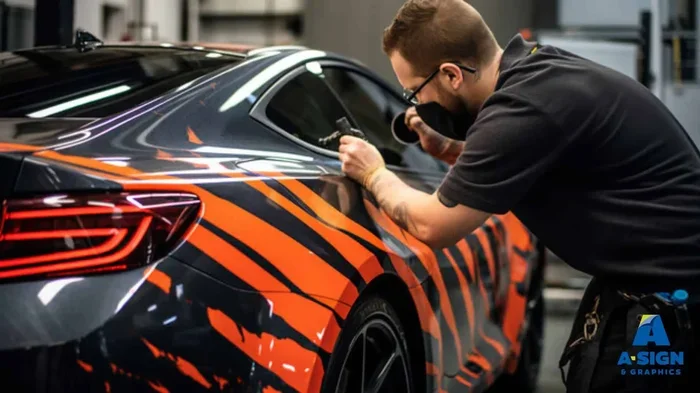
A professional installer knows how to handle the vinyl at the right temperature, stretch it evenly, and trim edges cleanly. They also understand how different vehicle shapes challenge the material. Curved bumpers, door handles, mirrors, and recessed panels all require technique and experience. Cutting corners on installation almost always leads to higher costs down the road.
Expert Insight: Experienced installers often say that 70 percent of a successful car wrap is preparation. The surface must be perfectly clean, free of wax, and free of any contaminants before the vinyl goes on. This prep work alone can take several hours and is a major part of the wrap installation cost.
The Time Investment Behind Every Wrap
Here is a realistic breakdown of what goes into a professional car wrapping job:
- Surface cleaning and prep – 2 to 4 hours
- Measuring and template creation – 1 to 2 hours
- Film cutting and trimming – 3 to 5 hours
- Application and stretching – 8 to 15 hours
- Heat fitting and edge sealing – 2 to 4 hours
- Final inspection and quality check – 1 to 2 hours
As you can see, a single car wrap project involves many hours of skilled work. The car wrap labor cost reflects the expertise and attention to detail that professional installers bring to every job. Rushing any of these steps compromises the final result.
Quick Tip: When getting quotes, ask how long the installation will take. A very short timeline may mean the installer is cutting corners. A reputable shop will give you a realistic estimate based on the vehicle size and wrap type.
Design and Customization: The Hidden Expenses
One factor that surprises many car owners is the cost of design. A custom car wrap design is not simply picking a colour from a catalogue. It involves graphic design, digital rendering, printing precision, and often multiple rounds of revisions. If you are using your car wrap for business branding or fleet wrapping cost purposes, the design work becomes even more critical.
What Goes Into a Custom Car Wrap Design
A professional custom car wrap design starts with understanding your vision. The designer considers your brand colours, logos, messaging, and the vehicle’s shape. They create digital mockups so you can see exactly how the finished car wrap will look before any vinyl is printed. This process ensures there are no surprises and that the final result matches your expectations.
For businesses, a well-designed vehicle graphics wrap can turn a daily commuter into a moving billboard. The design must be visually striking from a distance, easy to read, and professionally executed. This level of custom work adds significant value to the overall car wrap cost, but it also maximizes the return on your investment through increased brand visibility.
Printing Technology and Colour Accuracy
The printing process for vehicle wrap materials is highly specialized. Large-format printers use UV-cured inks that bond permanently to the vinyl surface. Colour accuracy is crucial, especially for color change wrap projects where you want an exact match to a specific shade. Premium printers and high-quality inks ensure vibrant, true-to-life colours that resist fading and sun damage.
Cheaper printing methods may use lower-grade inks that fade quickly or produce inconsistent colours. This is another area where cutting corners leads to disappointing results and wasted money. Always ask about the printing process and ink quality when evaluating a car wrapping price quote.
Common Mistake: Many people choose the cheapest design option without realizing that poor design leads to a poor-quality wrap. A sloppy layout, incorrect measurements, or low-resolution graphics can make even the most expensive vinyl wrap material look amateurish. Invest in good design from the start.
Full Wrap vs Partial Wrap: Which Costs More?
The scope of your car wrap project has a direct impact on the price. A full car wrap covers the entire exterior surface of the vehicle, while a partial car wrap covers only selected panels or sections. Understanding the difference helps you decide which option fits your budget and goals.
| Factor | Full Car Wrap | Partial Car Wrap |
|---|---|---|
| Coverage Area | Entire exterior (roof, hood, doors, trunk, fenders) | Select panels (hood, roof, doors, or accent stripes) |
| Average Cost Range | $2,500 – $10,000+ | $500 – $3,000 |
| Material Usage | High – more vinyl required | Low – less vinyl required |
| Installation Time | 2 to 5 days | 1 to 2 days |
| Best For | Complete color change wrap, full branding, resale protection | Accent upgrades, partial branding, budget-friendly refresh |
| Car Wrap Durability | Uniform protection across all surfaces | Protection limited to wrapped areas only |
| Car Wrap Removal Cost | Higher due to full surface area | Lower due to smaller coverage |
A full car wrap provides the most comprehensive protection and the boldest visual impact. It is the best choice for fleet wrapping cost projects where consistency across multiple vehicles matters. A partial car wrap is a great option if you want to refresh your vehicle’s appearance without a major investment. It also works well for adding accent stripes, graphic elements, or branding to specific panels.
Quick Tip: If you are on a tight budget, consider starting with a partial car wrap on the most visible areas like the hood and roof. You can always expand to a full car wrap later when your budget allows. This phased approach lets you enjoy the benefits of a car wrap without the full upfront cost.
Is a Car Wrap Worth the Investment?
The short answer is yes, for most car owners. A quality car wrap offers benefits that go far beyond looks. It protects your original paint from UV damage, minor scratches, and environmental contaminants. This protection alone can preserve your vehicle’s resale value for thousands of dollars over time.
For businesses, a car wrap is one of the most cost-effective marketing tools available. A fleet of wrapped vehicles can generate thousands of impressions per day, all while the vehicle is simply driving to work or running errands. The fleet wrapping cost per vehicle is often lower than the cost of a single month of traditional advertising.
Individual car owners also benefit from the versatility of a car wrap. You can change your vehicle’s colour, add graphics, or create a unique look without the permanence of a paint job. When you are ready for a change, the car wrap removal cost is relatively low compared to the expense and hassle of repainting. And since the original paint underneath remains untouched, your vehicle’s value is preserved.
Important Note: Always check the car wrap warranty offered by your installer and the vinyl manufacturer. A solid warranty covers fading, peeling, and adhesive failure. This peace of mind is worth the investment, especially when spending several thousand dollars on a full car wrap.
The car wrap cost may seem high at first glance, but when you break it down by years of protection, visual impact, and resale value, it becomes clear that a car wrap delivers strong return on investment. Choose quality materials, experienced installers, and a design that reflects your style or brand, and your car wrap will pay for itself many times over.
Final Thoughts on Car Wrap Costs
Now you understand why a car wrap costs what it does. The vinyl wrap cost is shaped by premium materials, skilled labor, custom design work, and the time required for flawless application. Every element of the process adds value and ensures your vehicle looks its best for years to come. When you are ready to move forward, focus on finding a reputable installer who uses quality vehicle wrap materials and stands behind their work with a strong warranty.
Remember that the cheapest option is rarely the best option when it comes to car wrap projects. Investing in quality upfront saves you money on removal, repairs, and re-wrapping in the long run. Take your time, do your research, and choose a professional car wrapping team that you trust. Your vehicle deserves the best, and so do you.
Frequently Asked Questions
How long does a car wrap last?
A well-maintained car wrap typically lasts between five and seven years. The car wrap lifespan depends on the quality of the vinyl used, how often you wash the vehicle, and how much sun exposure it receives. Premium wrap material quality and regular care significantly extend the durability of any car wrap project.
Can you wrap a car yourself to save money?
Yes, DIY vinyl wrap cost kits are available and cost less upfront. However, improper installation often leads to bubbles, peeling, and premature wear. These issues can result in a higher wrap installation cost when you need to fix or redo the work. For best results, professional car wrap installation is strongly recommended.
Does a car wrap damage your original paint?
No, a quality car wrap should not damage your original paint when applied and removed correctly. The vinyl adhesive is designed to bond securely without leaving residue. In fact, a car wrap actually protects your paint from UV rays, scratches, and environmental damage. Always have your wrap removed by a professional to avoid any risk.
What is the average car wrap cost for a full wrap?
The average full car wrap cost ranges from $2,500 to $10,000 or more. The exact car wrapping price depends on the vehicle size, the type of vinyl selected, the complexity of the design, and your geographic location. Luxury vehicles and larger trucks typically fall on the higher end of the vinyl wrap cost spectrum.
Is a car wrap cheaper than painting a car?
In most cases, a car wrap is more affordable than a professional paint job, especially for custom colours or multi-coat finishes. A color change wrap also offers the advantage of being reversible. While the car wrap removal cost is an additional expense, the overall wrap installation cost is still often lower than a high-quality paint job.
What maintenance does a car wrap require?
Maintaining a car wrap is relatively simple and affordable. Hand washing with mild soap and water is recommended. Avoid high-pressure washing directly at edges and seams. The wrap maintenance cost is minimal compared to the cost of repairing or replacing a damaged wrap. Regular care keeps your car wrap looking vibrant and extends its lifespan significantly.