How Much Does a P0171 Code Cost to Fix Your Vehicle
The cost to fix a P0171 code typically ranges from $50 to $1,500, depending on the root cause. This code signals a lean fuel condition in Bank 1, meaning your engine has too much air or not enough fuel. Understanding the cause is the key to knowing the exact repair price.
Key Takeaways
- Cost Range: Fixing a P0171 code can cost anywhere from $50 for a simple air filter replacement to $1,500 for an oxygen sensor or fuel pump issue.
- Common Culprits: Vacuum leaks, dirty MAF sensors, and faulty oxygen sensors are the most frequent causes of this code.
- Driving Risk: You can often drive short distances with a P0171 code, but ignoring it may lead to costly engine damage over time.
- DIY Options: Some fixes like replacing an air filter or checking for vacuum leaks are affordable and doable at home.
- Professional Diagnostics: A proper diagnosis is essential because the P0171 code has many possible triggers, each with a different repair cost.
📑 Table of Contents
- How Much Does a P0171 Code Cost to Fix Your Vehicle
- What Is a P0171 Code and Why Does It Matter?
- What Causes a P0171 Code?
- Breakdown of P0171 Code Repair Costs
- Can You Get a Free Diagnostic for a P0171 Code?
- DIY vs Professional Repair: Which Saves More Money?
- How to Prevent a P0171 Code from Returning
- How Bad Gas Can Trigger a P0171 Code
- Does Your Vehicle’s Age Affect P0171 Repair Costs?
- Key Takeaways
- Conclusion
How Much Does a P0171 Code Cost to Fix Your Vehicle
If your check engine light just came on and your scanner showed a P0171 code, you are probably wondering what it means and how much it will cost to fix. The P0171 code is one of the most common diagnostic trouble codes that drivers encounter. It means your engine’s Bank 1 is running too lean, which is a way of saying there is too much air or not enough fuel in the combustion mixture.
The good news is that the cost to fix a P0171 code can be as low as $50 or as high as $1,500. The wide range depends entirely on what is causing the problem. A vacuum leak might cost you less than $100 to fix, while a bad fuel pump or oxygen sensor could set you back over $1,000. Let us break down everything you need to know about the P0171 code cost, what causes it, and what you can do about it.
Can you still drive with a P0171 code? In most cases, yes. But driving for too long with a lean condition can cause engine damage, including overheating and catalytic converter failure. So it is smart to address the issue sooner rather than later.
What Is a P0171 Code and Why Does It Matter?
The P0171 code is a diagnostic trouble code that your vehicle’s computer stores when it detects a lean fuel condition. Your engine needs a precise balance of air and fuel to run smoothly. When the oxygen sensor or mass airflow sensor detects that there is too much air and not enough fuel, it triggers this code.
Think of it like a recipe. If you put too much flour and not enough water, the dough is dry and crumbly. Your engine works the same way. A lean mixture means the engine is running “dry,” which can cause poor performance, reduced fuel economy, and long-term damage.
Common Symptoms of a P0171 Code
- Check engine light is illuminated on your dashboard.
- Rough idle or engine stalling.
- Reduced fuel efficiency.
- Engine misfires or hesitates during acceleration.
- Difficulty starting the engine.
- Strong exhaust smell or dark exhaust smoke.
If you notice any of these symptoms along with the P0171 code, it is important to address the issue quickly. The longer you wait, the more expensive the repair could become.
What Causes a P0171 Code?
Understanding the cause is the first step in figuring out the P0171 code fix cost. There are many reasons your engine might run lean, and some are much cheaper to fix than others. Here are the most common causes.
1. Vacuum Leaks
A vacuum leak is one of the most common reasons for a P0171 code. Your engine relies on sealed vacuum lines to manage airflow. When one of these lines cracks or comes loose, extra air sneaks into the engine without being measured by the mass airflow sensor. This creates a lean condition.
Fixing a vacuum leak is usually affordable. You might spend $20 to $100 on parts and labor, depending on where the leak is located. Some vacuum hose replacements are simple enough to do yourself.
2. Dirty or Faulty Mass Airflow Sensor
The MAF sensor measures the amount of air entering your engine. When it gets dirty or fails, it sends incorrect data to your car’s computer. The result is the wrong fuel mixture, often too lean.
Cleaning a MAF sensor costs around $20 to $50 if you do it yourself with a proper cleaner. Replacing a faulty MAF sensor can cost between $200 and $400, including parts and labor.
3. Faulty Oxygen Sensor
The oxygen sensor, or O2 sensor, monitors the amount of oxygen in your exhaust. It helps your car’s computer adjust the fuel mixture in real time. When this sensor goes bad, it can send incorrect readings that cause a lean condition.
Replacing an oxygen sensor typically costs between $150 and $400. The price varies depending on your vehicle’s make and model. Some cars have multiple oxygen sensors, so the cost could be higher if more than one needs replacement.
4. Fuel System Issues
Problems with your fuel system can also trigger a P0171 code. A clogged fuel injector, weak fuel pump, or dirty fuel filter can all reduce the amount of fuel reaching the engine. When the engine does not get enough fuel, it runs lean.
Fuel pump replacement is one of the more expensive repairs, often costing between $400 and $1,000. Fuel injector cleaning or replacement typically ranges from $150 to $400. A fuel filter change is much cheaper, usually between $50 and $100.
5. Exhaust Leaks
An exhaust leak before the oxygen sensor can cause false readings. The sensor detects oxygen entering through the leak and thinks the engine is running lean, even when it is not. This triggers the P0171 code.
Exhaust leak repairs vary widely in cost. A small gasket replacement might cost $100 to $200, while a larger exhaust repair could run $300 to $800 depending on the location and severity.
6. Air Filter or Intake Issues
A clogged air filter restricts airflow into the engine, which can throw off the fuel-to-air ratio. In some cases, a dirty air filter can contribute to a lean condition and trigger the P0171 code.
Replacing an air filter is one of the cheapest and easiest fixes, usually costing between $15 and $50. You can even do it yourself in minutes.
7. PCV Valve Problems
The positive crankcase ventilation valve helps regulate pressure in your engine crankcase. When it fails, it can create a vacuum leak that leads to a lean fuel condition.
Replacing a PCV valve is relatively inexpensive, typically costing between $50 and $150 including labor.
Breakdown of P0171 Code Repair Costs
The cost to fix a P0171 code varies significantly based on the root cause. Here is a detailed breakdown of what you can expect to pay for each common repair.
| Repair | Parts Cost | Labor Cost | Total Cost |
|---|---|---|---|
| Air Filter Replacement | $15 – $50 | $0 – $20 | $15 – $70 |
| Vacuum Leak Repair | $20 – $100 | $50 – $150 | $70 – $250 |
| MAF Sensor Cleaning | $10 – $20 | $0 | $10 – $20 |
| MAF Sensor Replacement | $100 – $300 | $50 – $100 | $150 – $400 |
| Oxygen Sensor Replacement | $100 – $300 | $50 – $100 | $150 – $400 |
| Fuel Filter Replacement | $20 – $80 | $30 – $50 | $50 – $130 |
| Fuel Injector Cleaning | $50 – $100 | $50 – $100 | $100 – $200 |
| Fuel Pump Replacement | $200 – $600 | $200 – $400 | $400 – $1,000 |
| PCV Valve Replacement | $30 – $80 | $30 – $70 | $60 – $150 |
| Exhaust Leak Repair | $50 – $200 | $50 – $300 | $100 – $500 |
As you can see, the P0171 code repair cost spans a huge range. The cheapest fix is under $100, while the most expensive can exceed $1,000. This is why getting a proper diagnosis is so important before committing to any repair.
Can You Get a Free Diagnostic for a P0171 Code?
Many auto parts stores offer free diagnostic scanning for check engine lights. Stores like AutoZone and O’Reilly Auto Parts will read your codes for free. However, a free scan only tells you the code. It does not tell you the root cause.
A proper diagnostic involves a technician investigating why the code was triggered. This might include checking for vacuum leaks, testing sensors, and inspecting the fuel system. A free scan is a great starting point, but it should not replace a thorough diagnosis.
If you want to save money, you can start with a free scan at your local parts store. Then use that information to decide whether you want to tackle the repair yourself or visit a mechanic. Just keep in mind that getting a free diagnostic on your car is only the first step in the process.
DIY vs Professional Repair: Which Saves More Money?
Deciding between DIY and professional repair depends on the cause of the P0171 code and your mechanical skill level. Here is a closer look at both options.
When DIY Makes Sense
Some P0171 code fixes are simple enough for most car owners. Replacing an air filter, cleaning a MAF sensor, or replacing a PCV valve are straightforward jobs that require basic tools and minimal experience. These repairs can save you significant money on labor costs.
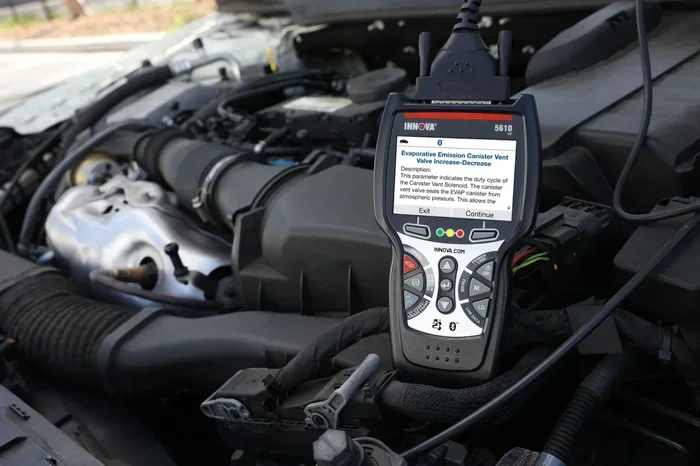
If you are comfortable under the hood and have access to a basic OBD2 scanner, you can save a lot by doing some diagnostics yourself. Many vacuum leaks can be found with a simple smoke test or by spraying carb cleaner around intake hoses while the engine is running.
When You Need a Professional
More complex repairs like fuel pump replacement, oxygen sensor replacement, or exhaust leak repairs are best left to a professional mechanic. These jobs require specialized tools, advanced knowledge, and sometimes lifting equipment. Attempting them without the right skills can lead to more damage and higher costs.
Also, some repair shops like Jiffy Lube offer diagnostic services that can help pinpoint the exact cause of the P0171 code. While their services may not be the cheapest option, they can save you time and prevent misdiagnosis.
How to Prevent a P0171 Code from Returning
Once you fix the P0171 code, you want to make sure it does not come back. Regular maintenance is the best way to prevent future lean condition codes.
- Change your air filter regularly, typically every 12,000 to 15,000 miles.
- Use quality fuel from reputable gas stations. Bad fuel can trigger a P0171 code, so fill up at trusted stations whenever possible.
- Inspect vacuum hoses during routine maintenance. Look for cracks, loose connections, or worn-out lines.
- Replace oxygen sensors on schedule. These sensors have a limited lifespan and degrade over time.
- Keep up with fuel system maintenance, including fuel filter changes and injector cleaning.
- Do not ignore warning signs like rough idling or reduced fuel economy. Addressing small problems early prevents bigger issues later.
Taking these preventive steps can save you hundreds of dollars in repairs over the life of your vehicle. A little maintenance goes a long way in keeping your engine running smoothly and your check engine light off.
How Bad Gas Can Trigger a P0171 Code
One often overlooked cause of the P0171 code is contaminated fuel. If you recently filled up at a gas station with poor-quality fuel, it could be the reason your engine is running lean. Contaminants in bad fuel can disrupt the combustion process and confuse your sensors.
Can bad gas cause a P0171 code? Absolutely. Water contamination, low octane fuel, or fuel mixed with debris can all lead to a lean condition. If you suspect bad fuel, try adding a fuel system cleaner and switching to a different gas station for your next fill-up.
In most cases, switching to clean fuel and using a fuel additive will resolve the issue. If the code persists, you may need a professional inspection to check for fuel system damage.
Does Your Vehicle’s Age Affect P0171 Repair Costs?
Yes, the age and mileage of your vehicle play a big role in repair costs. Older vehicles with high mileage are more likely to have multiple issues that contribute to a P0171 code. Worn vacuum hoses, aging oxygen sensors, and degraded fuel components are more common in older cars.
On the other hand, newer vehicles may only need a simple sensor replacement or a software update to resolve the code. If you own an older vehicle, it is worth considering whether the repair cost justifies keeping the car. Sometimes the cost of fixing a P0171 code on a high-mileage vehicle is not worth the investment.
Key Takeaways
- The cost to fix a P0171 code ranges from $50 to $1,500 depending on the root cause.
- Vacuum leaks, dirty MAF sensors, and faulty oxygen sensors are the most common triggers.
- You can often drive short distances with a P0171 code, but ignoring it risks engine damage.
- Simple fixes like air filter replacement or vacuum leak repair are affordable and easy to DIY.
- Getting a proper diagnosis is essential before committing to any repair.
- Regular maintenance is the best way to prevent the P0171 code from returning.
Conclusion
The P0171 code cost to fix depends entirely on what is causing the lean condition in your engine. From a simple $15 air filter change to a $1,000 fuel pump replacement, the range is wide. The best thing you can do is get a proper diagnosis so you know exactly what you are dealing with.
Do not ignore the check engine light or the P0171 code. While you might be able to drive with it for a short time, prolonged neglect can lead to serious and expensive engine damage. Address the issue promptly, choose the right repair option for your budget, and keep up with regular maintenance to prevent future problems.
Whether you decide to tackle the repair yourself or visit a professional, understanding the P0171 code puts you in a much better position. You will save money, avoid unnecessary repairs, and keep your vehicle running strong for miles to come.
Frequently Asked Questions
Can I still drive my car with a P0171 code?
Yes, you can usually drive short distances with a P0171 code. However, driving for extended periods with a lean fuel condition can damage your engine and catalytic converter. It is best to get the issue diagnosed and repaired as soon as possible.
What is the most common cause of a P0171 code?
The most common cause is a vacuum leak. Other frequent triggers include a dirty mass airflow sensor, a faulty oxygen sensor, and fuel system problems. A professional diagnostic can pinpoint the exact cause for your vehicle.
Is it safe to ignore a P0171 code?
No, ignoring a P0171 code is not recommended. A lean fuel condition can cause engine misfires, reduced performance, and over time, it can damage your catalytic converter. Early repair is always cheaper than fixing a bigger problem later.
Can bad gas trigger a P0171 code?
Yes, contaminated or low-quality fuel can cause a P0171 code. Water in the fuel, incorrect octane levels, or debris can all disrupt the air-fuel mixture. If you suspect bad gas, try switching fuel stations and using a fuel system cleaner.
How much does it cost to diagnose a P0171 code?
Many auto parts stores offer free diagnostic scanning. However, a thorough diagnostic that identifies the root cause typically costs between $75 and $150 at a repair shop. Some dealerships charge more, but they may provide more detailed analysis.
Can I fix a P0171 code myself?
Some causes of the P0171 code are easy to fix at home, like replacing an air filter or cleaning a mass airflow sensor. More complex issues like fuel pump or oxygen sensor replacement may require professional tools and expertise. Assess your skill level before attempting any repair.