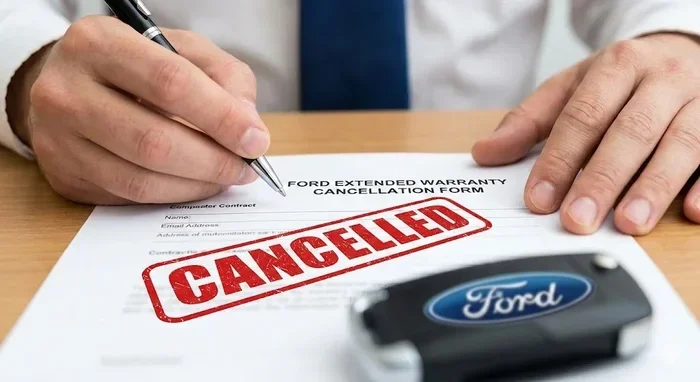
Can You Cancel an Extended Warranty After Buying It
Yes, you can cancel an extended warranty after purchase, but your options depend on the provider, state laws, and how long you have had the policy. Most extended warranties come with a money-back guarantee or a cooling-off period that lets you cancel within 30 to 90 days for a full refund. After that window, you may still cancel, but you could face a cancellation fee or receive only a partial refund.
You just bought an extended warranty for your car, and now you are having second thoughts. Maybe the coverage feels unnecessary. Maybe the monthly payments are stretching your budget. Or perhaps you found a better deal somewhere else. Whatever the reason, you are here because you want to know one thing: can you cancel an extended warranty after buying it?
The short answer is yes. You almost always can cancel an extended warranty. But the details matter a lot. Your refund amount, any fees you might owe, and the timeline all depend on your specific contract and where you live. Let us walk through everything you need to know about warranty cancellation so you can make a smart decision.
An extended car warranty, also called a vehicle service contract, is a plan that covers repair costs after your original manufacturer warranty expires. These plans can be purchased from dealerships, third-party providers, or directly through the automaker. They are not the same as car insurance. They are designed to give you peace of mind, but they are not always a good fit for every driver. If you are reconsidering your purchase, you are not alone. Many car buyers feel the same way.
Key Takeaways
- Cancellation is almost always possible: Federal and state laws protect consumers who want to cancel an extended warranty.
- Act fast for a full refund: Most providers offer a 30- to 90-day money-back guarantee window.
- Check your contract first: The warranty terms and conditions spell out exactly how and when you can cancel.
- You may not get all your money back: After the cooling-off period, prorated refunds or cancellation fees are common.
- Third-party warranties differ from dealer warranties: The cancellation process varies depending on who issued the policy.
- Document everything: Keep written proof of your cancellation request to protect your rights.
- Compare before buying: Researching options like negotiating a factory order car can help you avoid unnecessary warranty costs upfront.
📑 Table of Contents
- What Is an Extended Warranty and Why Do People Cancel Them?
- How to Cancel an Extended Warranty After Purchase
- Will You Get a Full Refund?
- State Laws That Protect You When Cancelling
- Third-Party vs. Dealer Extended Warranties
- Common Mistakes to Avoid When Cancelling
- How Long Does the Cancellation Process Take?
- Can You Cancel an Extended Warranty If You Have Already Made a Claim?
- Should You Cancel or Keep Your Extended Warranty?
- Final Thoughts on Cancelling an Extended Warranty
What Is an Extended Warranty and Why Do People Cancel Them?
Before diving into the cancellation process, it helps to understand what you are dealing with. An extended warranty is essentially a service contract. It promises to pay for certain repairs on your vehicle for a set period or mileage limit. Some cover bumper-to-bumper issues. Others focus only on powertrain components.
People cancel extended warranties for all kinds of reasons:
- The car is reliable: Your vehicle has not needed many repairs, and the warranty feels like wasted money.
- Financial pressure: The monthly or upfront cost is hard to manage.
- Better coverage exists: You found a plan with better terms or lower premiums.
- You sold or traded the car: The new owner does not want the warranty.
- Misleading sales tactics: You feel the warranty was sold to you using high-pressure methods.
- You did not fully understand the terms: The coverage exclusions left you disappointed.
No matter your reason, the law generally supports your right to cancel. Understanding warranty terms and conditions before purchasing can also help you avoid this situation in the first place. If you are still weighing your options, checking whether you can return a car you just bought might also be worth your time.
How to Cancel an Extended Warranty After Purchase
Canceling an extended warranty is not as hard as it might seem. The process varies by provider, but most follow a similar path. Here is a step-by-step guide to help you navigate it.
Step 1: Review Your Contract
Grab your warranty documents and read through them carefully. Look for sections about cancellation, refund policies, and any cooling-off period. This is the window of time right after purchase when you can cancel for a full refund. Many providers offer a 30-day, 60-day, or 90-day money-back guarantee.
Your contract should also tell you whether there is a warranty cancellation fee. Some providers charge a small processing fee, while others deduct a percentage from your refund. Knowing this upfront prevents surprises.
Step 2: Contact the Warranty Provider
Once you know what your contract says, reach out to the provider directly. You can usually do this by phone, email, or through an online portal. Ask for a warranty cancellation representative and clearly state your intention to cancel.
Here are some tips for this step:
- Be polite but firm. You have a legal right to cancel.
- Get a confirmation number. Write down the name of the person you speak with and the date and time of the call.
- Ask for written confirmation. Request that the cancellation be sent to you via email or mail.
- Do not cancel verbally and assume it is done. Always get something in writing.
Step 3: Return Any Physical Documents
Some providers require you to mail back the warranty certificate, contract booklet, or other physical documents. Check your contract for instructions. If they do not specify, it is a good idea to send everything back via certified mail so you have proof of delivery.
Step 4: Follow Up
After you submit your cancellation request, give the provider a few business days to process it. Then follow up to confirm that your extended warranty has been canceled and that your refund is on its way. Keep copies of every email, letter, and confirmation number you receive.
Will You Get a Full Refund?
This is the question everyone wants answered. The honest answer is: it depends. Your refund depends on when you cancel and what your contract says.
Here is a simple breakdown:
| When You Cancel | Likely Refund |
|---|---|
| During the cooling-off period (30-90 days) | Full refund, minus any small processing fee |
| Before any claims are made, after cooling-off | Full or near-full refund |
| After a claim has been paid | Partial refund (minus the claim amount) |
| After a long period with no claims | Prorated refund based on time used |
Providers use different methods to calculate prorated refunds. Some look at the remaining time on the contract. Others factor in the mileage you have driven. A few may deduct an administrative fee from your total. Reading your warranty contract carefully helps you set realistic expectations.
If you are worried about losing money, remember that canceling an unused warranty is almost always better than paying for coverage you do not need. Think of it this way: you would not keep paying for a gym membership you never use. The same logic applies here.
State Laws That Protect You When Cancelling
One of the best things about living in the United States is that consumer protection laws exist at both the federal and state levels. These laws give you real power when canceling an extended car warranty.
Many states have specific rules about vehicle service contracts. For example:
- Cooling-off laws: Several states require a mandatory waiting period during which you can cancel any contract for a full refund. This is separate from any voluntary cooling-off period the provider offers.
- Disclosure requirements: Providers must clearly explain all terms, including cancellation policies, before you sign.
- Refund timelines: Some states mandate that providers issue refunds within a certain number of days after receiving your cancellation request.
- Prohibited fees: A few states do not allow providers to charge cancellation fees at all.
If you are unsure about your state’s specific rules, a quick search for your state’s consumer protection office can point you in the right direction. You can also consult a local attorney if you run into resistance from a provider who does not want to honor your cancellation.
Third-Party vs. Dealer Extended Warranties
Not all extended warranties are created equal. Where you bought the warranty affects how easy it is to cancel.
Dealer-issued warranties come from the dealership where you bought the car. They are often more expensive but may include perks like roadside assistance or rental car coverage. Canceling a dealer warranty usually follows the same steps we outlined above. However, some dealers make the process slightly more complicated by requiring you to visit the dealership in person.
Third-party warranties come from independent companies that are not affiliated with the car manufacturer or dealership. These are often cheaper and more flexible. Cancellation is usually straightforward, especially if you purchased online. Many third-party providers even have online cancellation forms that make the process quick and painless.
Manufacturer-backed extended warranties are offered directly by the automaker. These tend to be the most reputable and the hardest to argue with when it comes to contract terms. However, they also generally offer the fairest cancellation policies. If you are considering canceling a manufacturer-backed plan, reading the fine print is especially important.
If you are shopping around and want to compare options, you might also look into whether returning a used car within 30 days is possible, as that could be an alternative path if you are unhappy with your purchase overall.
Common Mistakes to Avoid When Cancelling
Canceling an extended warranty sounds simple, but people make mistakes that cost them time and money. Here are the most common pitfalls:
- Waiting too long: The longer you wait, the smaller your refund is likely to be. Act as soon as you decide to cancel.
- Skipping the contract review: Every warranty is different. Assuming all contracts work the same way can lead to disappointment.
- Canceling over the phone without documentation: Always get written confirmation. Verbal cancellations are easy to dispute.
- Continuing to make payments during the cancellation process: Stop payments only after you have received written confirmation that the warranty is canceled.
- Assuming all providers are the same: Some providers fight cancellations. Knowing your rights ahead of time helps you push back.
- Not checking for automatic renewal clauses: Some warranties automatically renew unless you cancel before the renewal date. Missing this deadline can lock you into another year of coverage.
Expert Insight
Pro tip: If your provider pushes back on your cancellation, reference your state’s consumer protection laws. Most providers will cooperate once they realize you know your rights. Silence is not your friend here. Always follow up in writing and keep a paper trail.
How Long Does the Cancellation Process Take?
The timeline varies, but most cancellations are processed within two to four weeks. Some providers issue refunds within days. Others take longer, especially if they need to verify that no claims have been filed or that all physical documents have been returned.
Here is a realistic timeline you can expect:
- Day 1-3: You submit your cancellation request and return any documents.
- Day 5-10: The provider reviews your request and processes the cancellation.
- Day 10-21: Your refund is issued to your original payment method.
- Day 21-30: The refund appears in your bank account or on your credit card statement.
If you have not received your refund after 30 days, send a polite but firm follow-up email. Reference your cancellation confirmation number and the date you submitted your request. If the provider still does not respond, consider contacting your state’s attorney general office for assistance.
Can You Cancel an Extended Warranty If You Have Already Made a Claim?
Yes, but your refund will be affected. If you have already filed a claim and the provider paid out for a repair, they will deduct that amount from your refund. For example, if you paid $1,500 for your warranty and the provider paid $400 for a covered repair, your refund upon cancellation might be around $1,100, minus any applicable fees.
The key takeaway is that canceling after a claim is still worthwhile in most cases. Even a partial refund saves you money compared to continuing to pay for coverage you do not need. Just be aware that the math will not work out as favorably as it would if you cancel before any claims are made.
Should You Cancel or Keep Your Extended Warranty?
This is a personal decision that depends on your situation. Here are a few things to consider:
- Your car’s reliability: If your vehicle has a strong track record and you have not had major repairs, canceling makes sense.
- Your budget: If the warranty payments are causing financial strain, canceling frees up cash.
- Your driving habits: If you drive a lot of miles or use your car for demanding tasks, keeping the warranty might be wise.
- Your comfort level: Some people sleep better knowing they have coverage. That peace of mind has value.
If you decide to keep the warranty but want to explore ways to save money, you might look into whether you can pay with a card online for your warranty premiums, which some providers offer as a more convenient option.
Final Thoughts on Cancelling an Extended Warranty
Cancelling an extended warranty after purchase is almost always an option. Whether you are within the cooling-off period or well past it, you have rights as a consumer. The key is to act promptly, read your contract carefully, and follow the cancellation process step by step.
Do not let a warranty provider pressure you into keeping a plan you do not want. You paid for the coverage, and you have the right to change your mind. Just make sure you document everything, get written confirmations, and know what refund you can expect.
Canceling an extended warranty does not have to be stressful. With the right information and a little persistence, you can get the process done quickly and get back any money you are entitled to. Trust your instincts, protect your wallet, and remember: it is your contract, and you have the final say.
Frequently Asked Questions
Can I cancel an extended warranty at any time?
Yes, you can cancel an extended warranty at any time. However, your refund amount depends on when you cancel. If you cancel during the cooling-off period, you will likely receive a full refund. After that window, you may receive a prorated refund or be charged a cancellation fee.
How long does it take to get a refund after canceling an extended warranty?
Most providers process refunds within two to four weeks. Some issue refunds within days, while others may take up to 30 days. If you have not received your refund after a month, follow up with the provider in writing and reference your cancellation confirmation number.
Will I have to pay a cancellation fee?
Some providers charge a small cancellation fee, but not all of them do. Check your warranty contract for details about cancellation fees. State laws may also limit or prohibit these fees in certain situations.
Can I cancel an extended warranty if I have already used it for a repair?
Yes, you can still cancel even after filing a claim. However, the provider will deduct the amount they paid for the repair from your refund. You will still receive a partial refund, which is usually better than continuing to pay for coverage you do not need.
Is there a cooling-off period for extended warranties?
Many extended warranty providers offer a cooling-off period of 30 to 90 days during which you can cancel for a full refund. Some states also have mandatory cooling-off laws that apply to vehicle service contracts. Check your contract and your state’s consumer protection rules for specific details.
Do I need a reason to cancel my extended warranty?
No, you do not need to provide a reason. Canceling an extended warranty is your right as a consumer. You can cancel for any reason or no reason at all. Simply follow the cancellation process outlined in your contract and get written confirmation.