Why 18 Inch Tyre Cars Offer the Best Driving Experience
18 inch tyre cars deliver a driving experience that smaller wheels simply can’t match. With better grip, sharper handling, and improved braking, upgrading to 18 inch tyres transforms how your car feels on the road. This guide covers everything you need to know about choosing, maintaining, and getting the most from your 18 inch tyre car.
When it comes to upgrading your car, few changes make as big a difference as switching to 18 inch tyres. Whether you are driving a sedan, SUV, or sports car, the right 18 inch tyre car setup can completely transform your driving experience. You feel more connected to the road. Your car handles better. And your braking distances shrink.
But why exactly do 18 inch tyres stand out from smaller sizes like 16 or 17 inch options? The answer lies in the physics of how a tyre interacts with the road surface. A larger wheel means a shorter sidewall, which reduces flex during cornering. Less flex means more precise steering response. It also means your tyre grip improves, especially at higher speeds.
If you have been thinking about upgrading your wheels, this guide is for you. We will walk you through every benefit of an 18 inch tyre car setup. You will learn how to choose the right tyre size, what maintenance steps to follow, and the common mistakes to avoid. By the end, you will know exactly why so many drivers swear by 18 inch wheels.
Key Takeaways
- Better Grip and Handling: 18 inch tyres offer a larger contact patch, giving you more control on the road.
- Improved Braking: Shorter sidewalls mean quicker, more confident stops.
- Stylish Look: Larger wheels give your car a more aggressive and premium appearance.
- Proper Maintenance Matters: Regular cleaning and pressure checks keep your 18 inch tyres performing at their best.
- Know Your Tyre Size: Understanding aspect ratio and width helps you pick the right 18 inch tyre for your car.
- Avoid Common Mistakes: Over-inflating or ignoring wear patterns can shorten tyre life.
📑 Table of Contents
- Why 18 Inch Tyres Make a Real Difference
- Understanding Your 18 Inch Tyre Car Setup
- The Driving Benefits of 18 Inch Tyres
- 18 Inch Tyres vs 16 and 17 Inch: A Comparison
- How to Choose the Right 18 Inch Tyre for Your Car
- Maintaining Your 18 Inch Tyres for Long Life
- Common Mistakes 18 Inch Tyre Car Owners Make
- Conclusion
Why 18 Inch Tyres Make a Real Difference
The difference between an 18 inch tyre and a smaller wheel is not just cosmetic. It is mechanical. Every aspect of how your car drives changes when you increase the wheel diameter. Let us break down exactly what happens when you switch to 18 inch tyres.
The Science Behind Larger Wheels
Your tyre sidewall is the section between the rim and the road. When you go from a 16 inch rim to an 18 inch rim, the sidewall gets shorter. A shorter sidewall flexes less during turns. This means the tyre stays flatter on the road surface. The result is a larger contact patch. More contact means more tyre grip.
Think of it like a sponge. A thick sponge bends easily when you press on it. A thin sponge stays firm. The same idea applies to your tyre sidewall. Less flex equals more predictable handling. This is why performance cars almost always come with 18 inch wheels or larger.
How Tyre Size Affects Your Ride
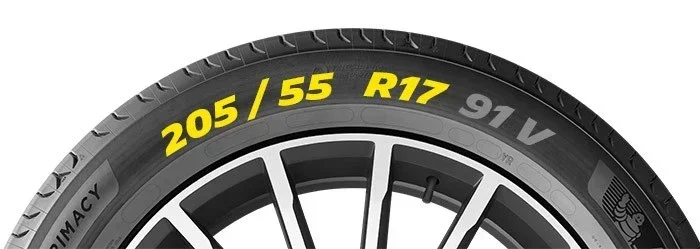
Every tyre size has three key measurements. The first is the width, measured in millimetres. The second is the aspect ratio, which is the sidewall height as a percentage of the width. The third is the wheel diameter. For an 18 inch tyre car, the diameter is always 18 inches.
A typical 18 inch tyre might be listed as 225/45R18. This means the tyre is 225 millimetres wide, has a 45 percent aspect ratio, and fits an 18 inch rim. The lower aspect ratio on 18 inch tyres compared to smaller wheels is what gives them their sporty feel. You get a firmer ride, but with much better control.
Understanding Your 18 Inch Tyre Car Setup
Before you buy a new set of 18 inch tyres, you need to understand your car’s current setup. Not every car is built to handle larger wheels. And choosing the wrong tyre size can cause serious problems.
Checking Your Current Wheel Diameter
Look at the side of your current tyres. You will see a string of numbers. The last number tells you the rim diameter. If it says 16 or 17, your car is currently running smaller wheels. Switching to 18 inch tyres will require new rims or wheels.
Make sure your car has enough clearance for a larger wheel. Some vehicles simply cannot fit an 18 inch rim without the tyre rubbing against the fender. Check your owner’s manual or talk to a trusted mechanic before making the switch.
The Role of Alloy Wheels
Most 18 inch tyre car setups use alloy wheels. Alloy wheels are lighter than steel wheels. Lighter wheels mean less rotating mass. Less rotating mass means better fuel efficiency and quicker acceleration. Alloy wheels also dissipate heat better, which helps your tyre pressure stay stable during long drives.
If you are upgrading from steel wheels, the switch to alloy is a big plus. Combined with 18 inch tyres, alloy wheels give your car a premium look and real performance gains.
The Driving Benefits of 18 Inch Tyres
So what actually changes when you drive an 18 inch tyre car? The benefits are real and noticeable. Let us go through them one by one.
Improved Grip and Handling
The biggest advantage of 18 inch tyres is the improved tyre grip. A larger wheel with a shorter sidewall stays planted on the road better. This is especially true during cornering and emergency manoeuvres. You will notice your car feels more planted and confident at speed.
Whether you are driving on highways or winding country roads, 18 inch tyres give you more feedback through the steering wheel. You feel every bump and change in road surface. This level of feedback helps you drive more safely and with more confidence.
Better Braking Performance
Shorter sidewalls mean less tyre flex during hard braking. When you slam the brakes, an 18 inch tyre stays firmer and stops more quickly. The tyre compound on performance 18 inch tyres is often softer, which adds to stopping power.
Shorter braking distances can make a real difference in emergencies. Even a few feet can be the difference between a safe stop and a collision. This is why many safety-focused drivers prefer the 18 inch tyre car setup.
Enhanced Stability at High Speeds
At highway speeds, stability matters. 18 inch tyres reduce the tendency for your car to drift or wander. The stiffer sidewall keeps the tyre tracking straight. You will feel less vibration and more control, even in crosswinds or on uneven pavement.
A Stylish and Premium Look
Let us not forget the visual impact. An 18 inch tyre car simply looks better. The larger wheels fill out the wheel arches and give the car a more aggressive stance. Many car enthusiasts consider 18 inch alloy wheels the sweet spot between style and practicality.
Your car’s appearance matters. When your wheels look great, the whole car looks better. It is one of the easiest and most visible upgrades you can make.
18 Inch Tyres vs 16 and 17 Inch: A Comparison
How do 18 inch tyres stack up against smaller sizes? Let us compare the most common wheel diameters so you can see the differences clearly.
| Feature | 16 Inch | 17 Inch | 18 Inch |
|---|---|---|---|
| Sidewall Height | Tallest | Medium | Shortest |
| Handling Precision | Good | Better | Best |
| Ride Comfort | Softest | Moderate | Firmer |
| Braking Distance | Longest | Shorter | Shortest |
| Fuel Efficiency | Best | Good | Slightly Lower |
| Visual Appeal | Basic | Good | Best |
| Cost | Lowest | Moderate | Highest |
As you can see, 18 inch tyres win in handling, braking, and looks. But they do come with trade-offs. The ride is firmer, and the cost is higher. For many drivers, the benefits far outweigh these downsides. It really depends on what you value most in your driving experience.
How to Choose the Right 18 Inch Tyre for Your Car
Picking the right 18 inch tyre is not as simple as just buying the biggest one you can fit. You need to consider several factors to make sure you get the best performance and safety.
Know Your Car’s Specifications
Start with your owner’s manual. It will tell you the recommended tyre size and load rating for your vehicle. Sticking close to these specs ensures your car handles safely and stays within legal limits.
If you want to go slightly wider or change the aspect ratio, make sure the overall tyre diameter stays within 3 percent of your original size. Going too far off can affect your speedometer accuracy and put extra strain on your tyre compound and drivetrain.
Consider Your Driving Conditions
Where do you drive most often? If you live in a city with smooth roads, you can prioritise handling and style. If you deal with rough or wet roads, look for 18 inch tyres with a tread pattern designed for wet grip and all-season performance.
Drivers in hot climates should also pay attention to how heat affects their tyre pressure. High temperatures can cause pressure to rise, which affects handling and wear. If you live in a hot area, learn how to prevent your car from overheating on hot days to keep your tyres and engine in top shape.
Budget and Brand Choices
18 inch tyres come in a wide range of prices. Budget options from brands like Falken and Kumho offer solid performance at lower costs. Premium brands like Michelin and Continental deliver top-tier grip and longevity but cost more.
Set a realistic budget before you shop. A good set of 18 inch tyres typically costs between 200 and 400 pounds per tyre depending on the brand and model. Remember that your tyres are the only part of your car that touches the road. Investing in quality pays off in safety and performance.
Maintaining Your 18 Inch Tyres for Long Life
Once you have invested in a great set of 18 inch tyres, you need to take care of them. Proper maintenance keeps your tyre performance high and extends the life of your 18 inch tyre car setup.
Regular Cleaning and Care
Clean your tyres regularly to remove brake dust, dirt, and road grime. Use a gentle car wash soap and a soft brush. Avoid harsh chemicals that can dry out the tyre compound and cause cracking.
Many people wonder about cleaning products and how often to wash their car. Overwashing can actually damage your car’s paint and tyre surfaces. Learn more about whether you can wash your car too much to find the right balance for keeping your tyres and paint in great condition.
Tyre Pressure Checks
Check your tyre pressure at least once a month. Under-inflated 18 inch tyres wear out faster on the outer edges of the tread. Over-inflated tyres wear in the centre. Both patterns reduce grip and shorten tyre life.
Use a reliable tyre pressure gauge and compare your readings to the recommended pressure listed on your driver’s door jamb. Check pressure when the tyres are cold for the most accurate reading.
Tyre Rotation and Alignment
Rotate your 18 inch tyres every 5,000 to 8,000 miles. Rotation ensures even wear across all four tyres. It also helps you get the most miles out of your set.
Get a wheel alignment checked at least once a year. Poor alignment causes your car to pull to one side and wears your tyres unevenly. If you notice uneven wear patterns, get an alignment check right away.
Inspecting for Damage
Inspect your 18 inch tyres regularly for cuts, bulges, or embedded objects. Even small punctures can lead to slow air leaks that reduce your tyre grip over time. If you notice anything unusual, have a professional inspect the tyre as soon as possible.
When cleaning the areas around your tyres and wheels, be mindful of what products you use. Some harsh chemicals can damage your car’s paint near the wheel wells. If you need to clean stubborn marks, check whether the products you use are safe for your car’s paint by reading about whether you can use Goof Off on car paint before applying anything near your tyres.
Common Mistakes 18 Inch Tyre Car Owners Make
Even experienced drivers make mistakes when caring for their 18 inch tyres. Here are the most common errors and how to avoid them.
Ignoring Tyre Pressure
This is the number one mistake. Many drivers never check their tyre pressure until something goes wrong. Check it regularly. A few pounds of pressure can make a big difference in grip, comfort, and wear.
Skipping Tyre Rotations
Skipping rotations causes uneven wear. Your front tyres wear faster because they handle steering and braking. Rotating them ensures all four tyres wear evenly and last longer.
Choosing the Wrong Tyre for the Season
All-season tyres work in most conditions, but they are not perfect in every situation. If you live in an area with harsh winters, consider switching to winter tyres during the cold months. Using the wrong tyre compound for the season reduces your tyre grip and safety.
Overlooking Road Conditions
18 inch tyres have less sidewall to absorb impacts. This means potholes, speed bumps, and rough roads affect your tyres more directly. Drive carefully over bad road surfaces to avoid damaging your 18 inch tyre car setup.
Conclusion
Switching to an 18 inch tyre car setup is one of the best upgrades you can make. The improved tyre grip, sharper handling, better braking, and stylish appearance are hard to beat. Whether you are a daily commuter or a weekend enthusiast, 18 inch tyres elevate your driving experience in a way that smaller wheels simply cannot.
Remember to choose the right tyre size for your car, maintain proper tyre pressure, and keep up with regular cleaning and rotations. Your 18 inch tyres will reward you with years of safe, enjoyable driving. Take the time to care for them, and they will take care of you on every journey.
Start your 18 inch tyre car upgrade today and feel the difference on your very next drive. Your car, your wallet, and your safety will all thank you.
Frequently Asked Questions
Are 18 inch tyres more expensive than smaller sizes?
Yes, 18 inch tyres generally cost more than 16 or 17 inch options. The price difference comes from the larger size, the materials used, and the tyre compound technology. However, the improved performance and safety benefits often justify the extra cost for most drivers.
Do 18 inch tyres affect fuel economy?
Slightly. Larger wheels add weight and can increase rolling resistance. This means your car may use a small amount of extra fuel. However, modern 18 inch tyres are designed to minimise this impact. The difference is usually minimal and often offset by the improved tyre efficiency of quality brands.
Can I put 18 inch tyres on any car?
Not every car can accommodate 18 inch tyres. You need enough wheel arch clearance and the correct bolt pattern. Check your owner’s manual or consult a mechanic to confirm your car can safely fit an 18 inch tyre car setup before making the switch.
How long do 18 inch tyres last?
With proper care, 18 inch tyres typically last between 25,000 and 40,000 miles. Your driving habits, tyre pressure maintenance, and road conditions all play a role. Regular rotations and alignments help maximise the lifespan of your 18 inch tyres.
Are 18 inch tyres comfortable for daily driving?
The ride is firmer than with smaller wheels, but modern 18 inch tyres are designed to balance comfort and performance. If you drive mostly on smooth roads, you will find 18 inch tyres very comfortable. For rough roads, consider tyres with a softer tyre compound designed for daily driving comfort.
Do 18 inch tyres need special maintenance?
The basic maintenance is the same as any tyre: regular pressure checks, rotations, and alignments. However, 18 inch tyres have shorter sidewalls, so they are more vulnerable to damage from potholes and curbs. Inspect them more frequently and avoid harsh road obstacles whenever possible to keep your 18 inch tyre car setup in top shape.