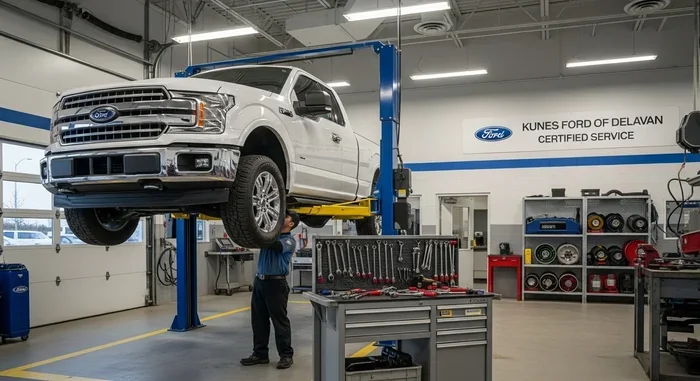
Are There Recalls on a 2016 Ford F-150 – Full Guide
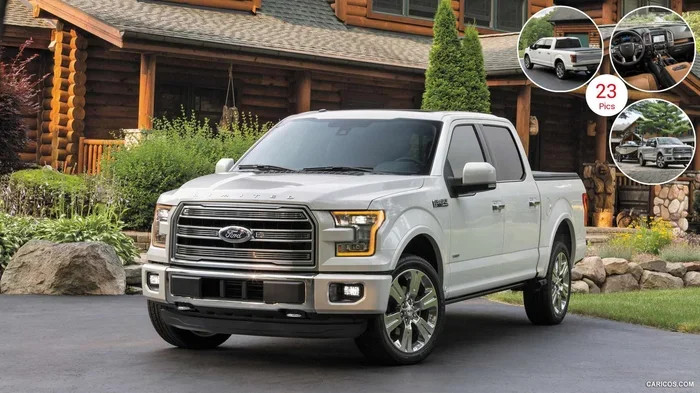
The 2016 Ford F-150 has had several recalls that owners should know about. These recalls cover issues ranging from brake problems to airbag defects and powertrain concerns. Checking your truck’s recall status is simple and could keep you and your family safe on the road.
Owning a 2016 Ford F-150 is a great experience. This truck has been one of the best-selling vehicles in America for years. It’s tough, reliable, and built to handle heavy loads. But like any vehicle, it’s not perfect. Over the years, Ford has issued several recall notices for this model. These recalls address real safety concerns that every owner should know about.
If you own a 2016 F-150 or are thinking about buying one, understanding these recalls is essential. Vehicle recalls exist to protect drivers and passengers from defective parts. They are not something to ignore or brush off. In this guide, we break down every recall that has affected the 2016 Ford F-150. We’ll explain what each recall covers, why it matters, and what you should do next.
The 2016 Ford F-150 weighs around 4,000 to 5,000 lbs heavy for a car, which makes its safety features even more important. When a truck this size has a defect, the consequences can be serious. That’s why staying on top of recall information is so critical. Let’s dive into the details.
Key Takeaways
- Multiple recalls exist: The 2016 Ford F-150 has been subject to several recall campaigns covering safety-critical components.
- NHTSA is your go-to source: The National Highway Traffic Safety Administration tracks all official recall notices for the F-150.
- Recall repairs are free: Ford dealerships must fix any recalled part at no cost to the vehicle owner.
- Check your VIN: A quick VIN lookup will tell you exactly which recalls apply to your specific truck.
- Some recalls are urgent: Certain recall issues like brake and airbag defects need immediate attention.
- Older recalls may still apply: Even if you bought the truck used, open recalls can still be addressed.
📑 Table of Contents
- Understanding Vehicle Recalls and Why They Matter
- Recalls Specific to the 2016 Ford F-150
- How to Check if Your 2016 F-150 Has Open Recalls
- What to Do If Your 2016 F-150 Has an Open Recall
- Safety Ratings and Overall Reliability of the 2016 F-150
- Common Mistakes F-150 Owners Make with Recalls
- Expert Tips for Staying on Top of Recalls
- Conclusion
Understanding Vehicle Recalls and Why They Matter
What Is a Vehicle Recall?
A vehicle recall happens when a manufacturer identifies a defect in one of its vehicles. This defect could affect safety, performance, or compliance with federal regulations. When a recall is issued, the manufacturer is required by law to notify all affected owners. The fix is always provided free of charge.
Recalls are not a sign of a bad vehicle overall. They are a normal part of the automotive industry. Even the best trucks can have issues that only surface after thousands of vehicles hit the road. Ford, like every other automaker, takes recalls seriously and works to address them quickly.
How Recalls Are Issued
The recall process usually starts with one of two things. Either Ford identifies a pattern of complaints from owners, or the National Highway Traffic Safety Administration (NHTSA) launches an investigation. The NHTSA is the federal agency responsible for vehicle safety. They have the power to force manufacturers to issue recalls if a safety defect is found.
Once a recall is announced, Ford sends notices to all registered owners. These notices explain the problem, the risk it poses, and the steps to get it fixed. You can also check recall status yourself using the NHTSA website or your truck’s VIN number.
Recalls Specific to the 2016 Ford F-150
The 2016 Ford F-150 has been subject to several recall campaigns over the years. Each recall addresses a specific issue. Let’s look at the major ones that owners need to be aware of.
Brake System Recalls
One of the most significant recall categories for the 2016 F-150 involves the brake system. Brake problems on any vehicle are serious. On a truck that weighs as much as the F-150, reliable brakes are absolutely essential. Some recall notices have addressed issues with the brake booster and brake pedal feel.
In certain cases, the brake booster could malfunction, leading to increased stopping distances. This is a safety-critical issue that should be addressed immediately. If your 2016 F-150 has an open brake recall, don’t wait. Visit your local Ford dealership and get it fixed for free.
Powertrain and Transmission Recalls
The powertrain is the heart of any truck. For the 2016 F-150, Ford has issued recalls related to the transmission and engine components. Some owners reported rough shifting or unexpected behavior from the automatic transmission.
These powertrain recalls can affect how the truck performs on the road. In some cases, the issue could lead to the truck stalling or losing power while driving. That’s obviously dangerous, especially on highways. Ford has worked to address these issues through software updates and hardware replacements at dealerships.
Airbag Recalls
Airbag recalls are always a big deal. The 2016 Ford F-150 has been part of broader airbag recall campaigns that affected multiple Ford models. Airbag defects can mean the difference between a minor accident and a life-threatening one.
Some airbag recall issues involve the inflator mechanism. In certain conditions, the airbag might not deploy properly or could deploy with excessive force. Ford has replaced affected airbag components as part of these recall campaigns. If your truck has an open airbag recall, getting it fixed should be a top priority.
Fuel System Recalls
Another area where recalls have affected the 2016 F-150 is the fuel system. Fuel leaks are a serious safety hazard. They can lead to fires or explosions in the worst-case scenario. Ford has addressed fuel system issues through specific recall campaigns that targeted the fuel tank and fuel line connections.
If you notice any signs of a fuel leak, such as a smell of gasoline around the truck or visible fuel stains on the ground, get your truck inspected right away. Even if the recall has been addressed, a new leak could develop over time.
Electrical System and Software Recalls
Modern trucks like the 2016 F-150 rely heavily on electrical systems and software. Ford has issued recalls for issues with the infotainment system, sensor modules, and other electronic components. Some of these recalls required a simple software update at the dealership, while others needed physical parts replacement.
Electrical issues might seem minor compared to brake or airbag problems, but they can still affect safety. A malfunctioning sensor or warning light could mean you miss an important alert from your truck’s systems.
How to Check if Your 2016 F-150 Has Open Recalls
Checking your truck’s recall status is easier than you might think. You don’t need to be a mechanic or a car expert. Here are the simple steps you can take right now.
Use the NHTSA Recall Lookup Tool
The NHTSA website has a free recall lookup tool. You just need to enter your vehicle identification number (VIN). The VIN is a unique 17-character code that identifies your specific truck. You can usually find it on the dashboard near the windshield or on the driver’s side door jamb.
Once you enter your VIN, the tool will show you all open recalls for that exact vehicle. It’s the most reliable way to check your recall status. The NHTSA updates this database regularly, so you can trust the results.
Contact Your Ford Dealer
Another easy option is to call your local Ford dealership. They can look up your VIN in their system and tell you about any open recalls. Most dealerships are happy to help with this, and it only takes a few minutes.
If you do find open recalls, the dealership will schedule a free repair appointment. They have the parts and the expertise to fix the issues properly. This is part of the recall process, and it costs you nothing.
Check Your Recall Mailers
Don’t throw away those recall notices in the mail. Ford sends formal recall letters to all affected owners. These letters explain the problem in detail and tell you what to do next. If you’ve moved recently, make sure Ford has your current address on file.
What to Do If Your 2016 F-150 Has an Open Recall
Finding an open recall on your truck can feel stressful. But don’t worry, the process is straightforward and the repair is free. Here’s exactly what you should do.
- Verify the recall: Use the NHTSA website or call your dealer to confirm the recall applies to your specific vehicle.
- Schedule a service appointment: Call your Ford dealership and book a time to bring the truck in for the recall repair.
- Don’t delay: Especially for safety-related recalls like brake or airbag issues, get the repair done as soon as possible.
- Keep records: Save the recall repair paperwork. It can be useful if you ever sell the truck or have a dispute.
- Follow up: If the dealership can’t fix the issue right away, ask when the repair will be completed and follow up to make sure it gets done.
Remember, recall repairs are always free. Ford is legally required to fix the issue at no cost to you. Don’t let anyone tell you otherwise. If a dealership tries to charge you for a recall repair, you can file a complaint with the NHTSA.
Safety Ratings and Overall Reliability of the 2016 F-150
The 2016 Ford F-150 has a solid safety record overall. It earned strong marks in crash tests conducted by the Insurance Institute for Highway Safety (IIHS). The truck also received a 3 Stars On Car rating from NHTSA in several categories. These ratings reflect the truck’s structural integrity and the effectiveness of its safety systems when they work properly.
That said, recalls can temporarily affect how safe a vehicle is. A truck with an unresolved recall might not perform as well in a crash as it should. This is why addressing recalls promptly is so important. The safety features of the 2016 F-150 are designed to work together. When one part is defective, it can compromise the whole system.
In terms of reliability, the 2016 F-150 is generally considered a strong model year. It introduced the aluminum body, which made the truck lighter and more fuel-efficient. Many owners report years of trouble-free driving. But staying on top of recalls is a key part of keeping your truck in top shape.
If you’re considering buying a used 2016 F-150, always check the recall history first. You can run a VIN check and see if any recalls are still open. A responsible seller should address open recalls before selling the truck. But it’s always smart to verify this yourself.
Common Mistakes F-150 Owners Make with Recalls
There are a few common mistakes that many truck owners make when it comes to recalls. Avoiding these can save you time, money, and most importantly, keep you safe.
- Ignoring recall notices: Some owners toss the mail and forget about the recall. This is the biggest mistake you can make.
- Assuming the recall was already fixed: If you bought the truck used, the previous owner might not have addressed the recall. Always verify with your VIN.
- Delaying the repair: Life gets busy, and it’s easy to put off a dealership visit. But safety-related recalls need immediate attention.
- Going to a non-Ford shop: Recall repairs must be done at authorized dealerships using genuine Ford parts. Independent shops can’t perform recall repairs.
- Not updating your contact info: If you moved or changed your phone number, Ford might not be able to reach you with recall notices.
One thing some owners overlook is that the 2016 F-150 has a push-start button, and knowing how to properly operate it matters for overall vehicle function. If you’re unsure about starting procedures, check the owner’s manual or consult your dealer. Also, if you’ve added aftermarket modifications like 20 percent window tint, make sure these don’t interfere with any sensors or safety systems that might be subject to recall work.
Expert Tips for Staying on Top of Recalls
Staying proactive about recalls doesn’t have to be complicated. Here are some expert tips that make the process easier.
- Sign up for NHTSA alerts: The NHTSA website lets you sign up for email notifications about new recalls for your vehicle.
- Check recalls twice a year: Make it a habit to run a VIN recall check every six months. New recalls can be issued at any time.
- Keep your VIN handy: Save your VIN number in your phone. You’ll need it whenever you check for recalls or schedule service.
- Register your vehicle: Make sure your truck is registered with Ford so they can reach you directly with recall notices.
- Talk to other F-150 owners: Online forums and communities are great resources for staying informed about common issues and new recalls.
Conclusion
The 2016 Ford F-150 is an excellent truck, but like any vehicle, it has been subject to several recall campaigns. These recalls cover important safety areas including brakes, airbags, the powertrain, the fuel system, and electrical components. Staying informed about these recalls is one of the most important things you can do as a truck owner.
Checking your recall status is simple and free. Use the NHTSA website, contact your Ford dealer, or run a VIN lookup today. If your truck has an open recall, schedule the repair immediately. The work is always free, and it could save your life or the lives of your passengers.
Don’t let recall notices sit in a drawer somewhere. Take action now. Your 2016 Ford F-150 deserves to be safe, reliable, and running at its best. A few minutes of effort today can give you peace of mind for miles to come.
Frequently Asked Questions
How many recalls does the 2016 Ford F-150 have?
The 2016 Ford F-150 has had multiple recall campaigns over the years, covering issues like brakes, airbags, powertrain, fuel systems, and electronics. The exact number can change as new recalls are issued or old ones are resolved. The best way to get an accurate count is to check the NHTSA website using your specific VIN.
Are recall repairs free for the 2016 Ford F-150?
Yes, all recall repairs are completely free. Ford is legally required to fix any recalled component at no cost to the vehicle owner. This includes parts, labor, and any related work. If a dealership tries to charge you, you should file a complaint with the NHTSA.
Can I still drive my 2016 F-150 if it has an open recall?
In most cases, you can still drive the truck, but it depends on the type of recall. For safety-critical recalls like brake or airbag issues, you should avoid driving the truck until the repair is completed. For less urgent recalls, you can usually continue driving while scheduling the fix. Always read the recall notice carefully for guidance.
How long does a recall repair take for the 2016 F-150?
Recall repair times vary depending on the issue. Some software-related recalls can be completed in under an hour. Others, like brake or airbag replacements, might take a few hours. Your Ford dealership can give you a more accurate estimate when you schedule the appointment.
What if I bought a used 2016 F-150 and there are open recalls?
Open recalls can still be fixed even if you’re not the original owner. Take your VIN to a Ford dealership and they can address any outstanding recalls for free. You have the right to get these repairs done regardless of the truck’s ownership history.
How do I know if a recall has been completed on my 2016 F-150?
You can check your recall status using the NHTSA VIN lookup tool. If a recall has been completed, it will show as resolved in the database. You can also ask your Ford dealership to confirm whether any recalls have been addressed on your specific truck.