Are There Recalls on the 2016 Ford F-150 You Should Know
The 2016 Ford F-150 has had several recalls over the years, covering issues from airbag sensors to brake problems. Knowing about these recalls is essential for every truck owner. Always check your VIN and stay updated on recall notices to keep your vehicle safe and roadworthy.
Key Takeaways
- Multiple recalls exist: The 2016 Ford F-150 has been subject to several recall campaigns covering safety and mechanical issues.
- Check your VIN: The fastest way to see if your specific truck is affected is by using the NHTSA VIN Lookup tool.
- Free repairs: All recall repairs are performed at no cost to the vehicle owner by authorized Ford dealers.
- Common issues include: Airbag defects, brake line corrosion, and transmission software problems.
- Stay proactive: Regularly checking for recalls protects you and your passengers on the road.
- Push start button: Some owners also report issues with the push start button, which you can learn more about here.
- Safety ratings matter: Understanding how recalls impact your vehicle’s safety score helps you make informed decisions.
📑 Table of Contents
- Are There Recalls on the 2016 Ford F-150 You Should Know?
- Understanding Vehicle Recalls
- Major Recalls on the 2016 Ford F-150
- How to Check If Your 2016 F-150 Is Affected
- Common Recalls Across Ford Truck Models
- Practical Tips for Staying Safe with Your 2016 F-150
- The Bigger Picture: Why Recalls Matter for Truck Owners
- Common Mistakes Owners Make with Recalls
- Final Thoughts on 2016 Ford F-150 Recalls
Are There Recalls on the 2016 Ford F-150 You Should Know?
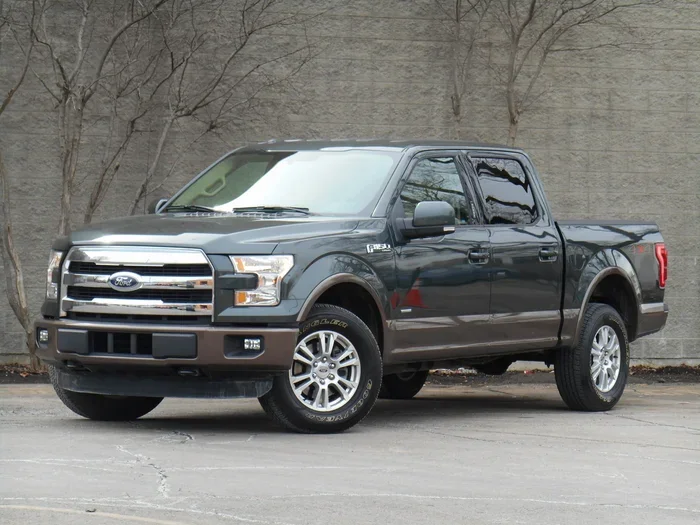
The 2016 Ford F-150 remains one of the most popular pickup trucks on the road. It offers strong towing capacity, a smooth ride, and solid build quality. But popularity doesn’t make any vehicle immune to problems. Every year, thousands of vehicles get recalled for various reasons. And the 2016 F-150 is no exception.
If you own or are thinking about buying a 2016 Ford F-150, knowing about recalls is critical. Recalls exist to protect you and everyone on the road. They address safety defects and mechanical issues that could lead to serious accidents. In this article, we break down every major recall on the 2016 F-150. We also tell you how to check if your truck is affected and what steps to take next.
Ignoring a recall notice is never a good idea. Even if your truck seems fine, a hidden defect can cause real danger. Let’s dive into everything you need to know about 2016 Ford F-150 recalls.
Understanding Vehicle Recalls
What Is a Vehicle Recall?
A vehicle recall happens when a manufacturer finds a defect in their product. This defect could affect safety, performance, or compliance with federal regulations. The National Highway Traffic Safety Administration (NHTSA) oversees recall campaigns in the United States. When a defect is identified, the manufacturer issues a recall notice. They then work with dealers to fix the problem at no cost to the owner.
Recalls can range from minor software updates to major mechanical failures. For example, a recall might involve replacing a faulty sensor or updating engine control software. In serious cases, a recall might involve a complete component replacement. The key thing to remember is that recalls exist to keep you safe.
Why the 2016 Ford F-150 Matters
The 2016 F-150 was part of Ford’s sixth generation of this iconic truck. It introduced an aluminum body, which made the vehicle lighter and more fuel efficient. This was a big deal at the time. But the switch to aluminum also brought new engineering challenges. Some of these challenges led to the recalls we discuss below.
The 2016 model year sits right in the middle of the F-150’s current production run. It has been on the road long enough for issues to surface. Yet it is still new enough that many trucks are still in active use. This makes staying informed about recalls especially important for current and former owners.
Major Recalls on the 2016 Ford F-150
Airbag Sensor Recall
One of the most significant recalls for the 2016 Ford F-150 involved the airbag sensor. In certain vehicles, the sensor could malfunction and fail to deploy the airbag during a collision. This is obviously a serious safety concern. The recall was issued after NHTSA received multiple reports of airbag failures in crash tests and real-world incidents.
The fix for this recall involved replacing the airbag control module. Ford dealers performed the replacement free of charge. If your 2016 F-150 was affected, you should have already received a recall notice by mail. However, not everyone gets these notices. That’s why it’s important to proactively check your vehicle’s recall status.
Brake Line Corrosion Issue
Another major recall addressed brake line corrosion in certain 2016 F-150 models. The brake lines in some trucks were found to corrode faster than expected. This was especially common in regions that use road salt during winter months. Corroded brake lines can lead to reduced braking performance or even complete brake failure.
Ford addressed this issue by replacing the affected brake lines with improved, corrosion-resistant materials. The recall campaign covered a wide range of 2016 F-150 trucks. If you live in a colder climate, this recall is particularly relevant to you. Regularly checking your brake condition is always a smart practice.
Transmission Software Update
The 2016 F-150 also had a recall related to transmission software. In some vehicles, the transmission control module had a software glitch. This glitch could cause the truck to shift unexpectedly or hesitate during acceleration. While not as immediately dangerous as an airbag or brake issue, it still posed a safety risk on the highway.
The fix was a simple software update performed at a Ford dealership. This type of recall is common across the automotive industry. Software updates are quick and usually take less than an hour. But they are just as important as physical repairs because they address the root cause of the problem.
Fuel Pump Failure Recall
Some 2016 Ford F-150 trucks were also subject to a fuel pump failure recall. A faulty fuel pump could cause the engine to stall unexpectedly. This is dangerous, especially at highway speeds or in heavy traffic. The recall involved replacing the fuel pump with an improved version designed to last longer.
Ford identified this issue early and acted quickly. If your truck experienced sudden stalling, this recall is worth checking immediately. A stalled engine in the wrong situation can lead to accidents and injuries.
How to Check If Your 2016 F-150 Is Affected
Use the NHTSA VIN Lookup Tool
The easiest way to check for recalls is through the NHTSA VIN Lookup tool on their official website. You enter your vehicle’s 17-character VIN, and the system pulls up any active recalls. This tool is free and updated regularly. It covers all makes and models, not just Ford trucks.
Your VIN is usually found on the driver’s side dashboard. You can also find it on the door jamb sticker or your vehicle registration document. Make it a habit to check this tool at least twice a year. New recalls can be issued at any time, and staying current keeps you safe.
Contact Your Local Ford Dealer
Another reliable method is to contact your local Ford dealer directly. Give them your VIN, and they can look up your vehicle’s complete recall history. Dealers have access to Ford’s internal database, which is updated in real time. They can also tell you if any recalls have been completed on your specific truck.
Many owners don’t realize that dealers can check recall status even if you bought the truck used. The recall history follows the vehicle, not the owner. So whether you bought your 2016 F-150 new or used, you are entitled to free recall repairs.
Check Ford’s Official Website
Ford maintains a recall lookup page on their official website. You can enter your VIN there as well. The site also provides information about how to schedule a recall repair appointment. Ford’s website is a great resource for staying informed about the latest recall campaigns.
Some owners also subscribe to Ford’s email alerts. These alerts notify you when new recalls are issued for your vehicle model. It’s a simple step that can save you a lot of trouble down the road.
Common Recalls Across Ford Truck Models
Comparing the 2016 F-150 to Other Years
It’s helpful to understand how the 2016 F-150 recalls compare to other model years. The 2015 and 2017 F-150 trucks also had their share of recalls. Some issues, like the airbag sensor problem, spanned multiple model years. This is common when a manufacturing defect affects a production run rather than a single year.
Here is a quick comparison of common recall categories across recent F-150 models:
- 2015 F-150: Airbag inflator issues, transmission shifter problems
- 2016 F-150: Airbag sensor, brake line corrosion, transmission software, fuel pump
- 2017 F-150: Seat belt pretensioner issues, rear axle problems
As you can see, some issues overlap between years. This is why checking your specific VIN matters. A general model year search might miss details that are unique to your truck.
What to Do If Your Truck Has an Active Recall
If you discover that your 2016 Ford F-150 has an active recall, don’t panic. Recalls are more common than most people think. The important thing is to act quickly. Here is what you should do:
- Read the recall notice carefully. It will explain the defect and the risk involved.
- Contact your Ford dealer. Schedule an appointment for the repair as soon as possible.
- Keep records. Save all recall repair documentation for your files.
- Do not delay. The longer you wait, the longer you drive with a known defect.
Remember, all recall repairs are completely free. Ford is legally required to fix recall issues at no cost to you. If a dealer tries to charge you, contact Ford customer service or file a complaint with NHTSA.
Practical Tips for Staying Safe with Your 2016 F-150
Regular Maintenance Goes a Long Way
Staying on top of regular maintenance helps you catch potential issues early. Follow Ford’s recommended service schedule for your 2016 F-150. Regular oil changes, brake inspections, and fluid checks keep your truck running smoothly. They also give technicians a chance to spot problems before they become serious.
When you bring your truck in for service, ask the technician to check for any open recalls. Many owners forget to ask this simple question. It takes just a few minutes and could save you from a serious safety issue.
Quick Tips for Recall Awareness
- Check your VIN on the NHTSA website every six months
- Keep your contact information updated with Ford and your dealer
- Sign up for email recall alerts from Ford’s official site
- Pay attention to recall notices that arrive by mail
- Share recall information with other 2016 F-150 owners you know
Safety Ratings and Recalls
It’s worth noting that recalls can affect a vehicle’s overall safety rating. Trucks that have unresolved recalls may receive lower scores in safety evaluations. If you’ve ever wondered what those 3 stars on car ratings mean, they often reflect the number and severity of known issues, including recalls. A truck with multiple unfixed recalls is less safe than one with all issues resolved.
When you are buying a used 2016 F-150, always check the recall history first. A truck with completed recalls is a much safer choice than one with open recalls. You can also use this information as a negotiating point when discussing the price with a seller.
The Bigger Picture: Why Recalls Matter for Truck Owners
Recalls Protect Everyone on the Road
Recalls are not just about fixing your truck. They are about protecting everyone who shares the road with you. A defective airbag or brake system doesn’t just put you at risk. It puts your passengers, other drivers, and pedestrians in danger too. That’s why recall compliance is so important.
The automotive industry takes recalls seriously. Manufacturers work closely with NHTSA to identify and fix defects as quickly as possible. Most recall campaigns are resolved within a few months of being announced. But it still depends on owners like you to actually get the repairs done.
What If You Bought Your Truck Used?
If you bought your 2016 F-150 from a previous owner, you might not know about past recalls. The good news is that recall history follows the vehicle, not the owner. You are still entitled to free repairs for any open recall. Just check your VIN and get the work done at an authorized Ford dealer.
Some people worry that buying a used truck with recalls means the truck is unsafe. That’s not necessarily true. A truck with completed recalls is just as safe as a new one. The key is to make sure all recalls have been addressed. A quick VIN check gives you complete peace of mind.
How Recalls Affect Resale Value
Open recalls can lower the resale value of your truck. Buyers are more cautious about vehicles with known defects. On the other hand, a 2016 F-150 with all recalls completed looks much better on the market. It shows the owner has taken care of the vehicle properly.
Before selling your truck, check for any open recalls and get them fixed. It’s a small investment that can make a big difference in your selling price. Buyers appreciate transparency and a well-maintained vehicle history.
Common Mistakes Owners Make with Recalls
Many truck owners make avoidable mistakes when it comes to recalls. Here are some of the most common ones:
- Ignoring recall notices: Some owners throw away recall letters without reading them. This is a risky habit.
- Assuming the problem is minor: Even a small-sounding defect can be dangerous in real-world driving conditions.
- Not checking for used truck recalls: If you buy a used F-150, always verify the recall status before driving it.
- Delaying repairs: Putting off recall repairs leaves you and others at risk for longer than necessary.
- Not updating your contact info: If Ford can’t reach you, you might miss important recall notices.
Avoiding these mistakes keeps you safe and your truck in top shape. It also ensures you get the most out of your 2016 Ford F-150 for years to come.
Final Thoughts on 2016 Ford F-150 Recalls
The 2016 Ford F-150 is a great truck with a lot to offer. But like any vehicle, it has had its share of recall campaigns. The most important thing you can do as an owner is to stay informed. Check your VIN regularly, respond to recall notices promptly, and keep your truck properly maintained.
Recalls are not something to fear. They are a sign that the manufacturer is committed to safety and quality. When you address recalls quickly, you protect yourself, your family, and everyone else on the road. A well-maintained 2016 F-150 with all recalls completed is a reliable and safe vehicle for many more miles ahead.
Take a few minutes today to check your truck’s recall status. It could be the best decision you make for your safety this year. And if you have any questions about your push start button or other features, make sure to check resources that help you understand your truck better. When you are shopping for a larger vehicle, whether a 7 seater car on rent in Pune or a 7 seater car on rent in Mumbai, always verify the recall status first. For a broader understanding of vehicle safety ratings, knowing what those ratings mean is essential. The more you know, the safer you drive.
Frequently Asked Questions
How do I know if my 2016 Ford F-150 has an open recall?
Use the NHTSA VIN Lookup tool on their official website. Enter your 17-character VIN, and the system will show any active recalls. You can also contact your local Ford dealer or check Ford’s official recall page. It takes just a few minutes and is completely free.
Are recall repairs free for the 2016 Ford F-150?
Yes, all recall repairs are free of charge. Federal law requires manufacturers to fix recall defects at no cost to the owner. This applies regardless of how old your truck is or whether you bought it new or used. If a dealer tries to charge you, report it to NHTSA.
What should I do if I ignore a recall on my 2016 F-150?
Ignoring a recall is risky. The defect that triggered the recall could compromise your safety or the safety of others. If you have ignored a recall, contact your Ford dealer immediately and schedule the repair. It’s better to address the issue now than risk an accident later.
Can I still drive my 2016 Ford F-150 if it has an active recall?
In most cases, yes. But it depends on the severity of the defect. For serious safety issues like airbag or brake problems, you should avoid driving the truck until the repair is completed. Check the recall notice for specific guidance from Ford and NHTSA.
How often should I check for recalls on my 2016 F-150?
You should check for recalls at least twice a year. New recalls can be issued at any time. Checking every six months ensures you stay current. Also check whenever you buy a used truck or notice any unusual behavior in your vehicle.
Do recalls affect the resale value of a 2016 Ford F-150?
Yes, open recalls can lower resale value. Buyers prefer trucks with all recalls completed. Before selling, get any open recalls fixed. This not only improves safety but also makes your truck more attractive to potential buyers.