How Long Does It Take to Reset TPMS Sensor on a BMW
Resetting the TPMS sensor on a BMW typically takes between 5 and 30 minutes, depending on your model and the method you choose. Most BMW owners can complete a TPMS reset at home using the iDrive system or a simple reset button under the steering wheel. Understanding the TPMS reset process saves time and helps you avoid unnecessary trips to the mechanic. Whether you drive a BMW X5 TPMS model or a BMW 3 series TPMS variant, the process is straightforward once you know the steps.
If you have ever seen that little yellow light shaped like a horseshoe on your BMW dashboard, you know the panic it can cause. The tire pressure monitoring system, or TPMS, is designed to keep you safe by alerting you when your tire pressure drops below the recommended level. But once you have fixed the issue, how do you turn that light off? More importantly, how long does it take to reset TPMS sensor on a BMW?
The answer is simpler than you might think. In most cases, a TPMS reset BMW procedure takes just a few minutes. However, the exact TPMS sensor reset time can vary based on your BMW model, the year it was manufactured, and the method you use. Some drivers complete the process in under five minutes, while others may need up to half an hour if complications arise.
This guide walks you through everything you need to know about resetting your BMW tire pressure light. We will cover the step-by-step process, common problems, and expert tips to make the job easy. Whether you are a DIY enthusiast or a first-time BMW owner, this article has you covered.
Key Takeaways
- Quick Reset: Most BMW TPMS resets take 5 to 15 minutes using the iDrive system or manual reset button.
- Model Matters: Different BMW models like the BMW X5 TPMS and BMW 3 series TPMS may have slightly different reset procedures.
- Common Issues: Sensor battery life, false warnings, and temperature changes are the top reasons TPMS lights stay on.
- DIY-Friendly: You can reset TPMS yourself without special tools in most cases.
- Prevention Tips: Regular tire pressure check BMW routines help avoid frequent TPMS warnings.
📑 Table of Contents
What Is TPMS and Why Does It Matter on a BMW?
Before we dive into the reset process, let us quickly understand what TPMS does and why it is so important on your BMW. The tire pressure monitoring system uses sensors inside each wheel to monitor air pressure in real time. When the pressure drops too low, the system triggers a warning on your dashboard.
How TPMS Works on BMW Models
BMW uses an indirect and direct TPMS system depending on the model and year. The BMW wheel sensor sends data to the car’s computer. If the computer detects a significant drop in pressure, it illuminates the tire pressure warning light. This is not just a cosmetic issue. Driving on underinflated tires can reduce fuel efficiency, cause uneven tire wear, and even lead to dangerous blowouts.
BMW takes tire pressure monitoring seriously because these vehicles are engineered for performance. Proper tire pressure ensures optimal handling, braking, and ride comfort. Ignoring the TPMS light can compromise all of these features.
For owners of a 5 to 8 lakh car segment BMW, maintaining the TPMS is especially important because these vehicles often come with run-flat tires that may not show visible signs of deflation. The BMW dashboard warning lights are your first line of defense, and keeping them functioning properly is part of essential BMW maintenance tips.
How Long Does It Take to Reset TPMS Sensor on a BMW
The TPMS reset procedure time depends on several factors. Let us break down the typical TPMS sensor reset time for different scenarios so you know what to expect.
Reset Time by BMW Model
Different BMW models have slightly different reset processes. Here is a general breakdown of how long each method takes:
- BMW 3 series TPMS reset: About 5 to 10 minutes using the iDrive menu.
- BMW X5 TPMS reset: Around 5 to 15 minutes, depending on the iDrive version.
- Older BMW models (pre-2010): May require a manual reset button and take 3 to 7 minutes.
- BMW models with digital iDrive (2018+): Usually 5 to 10 minutes through the infotainment screen.
On average, most drivers find that a TPMS reset BMW takes about 10 minutes. The process is quick and does not require any special equipment in most cases.
Manual Reset vs. Diagnostic Tool Reset
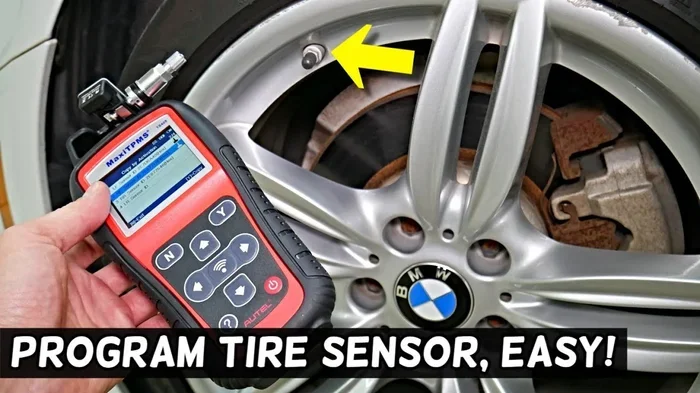
There are two main ways to reset your TPMS on a BMW. The first is the manual method using the iDrive system or a physical reset button. The second involves a BMW diagnostic tool at a dealership or repair shop.
The manual method is faster and free. A diagnostic tool reset may take a bit longer because you need to visit a service center, but it offers the advantage of reading error codes and confirming that all sensors are functioning correctly. If you have recently replaced a tire pressure sensor battery, the diagnostic tool method is recommended to ensure proper calibration.
For diesel BMW owners, it is worth noting that certain maintenance tasks, such as tracking 000 miles a lot for a diesel engine, can overlap with TPMS service intervals. Keeping up with both helps your BMW run smoothly.
Step-by-Step Guide to Resetting TPMS on a BMW
Now that you know the TPMS sensor reset time, let us walk through the actual process. Follow these steps carefully for a smooth reset.
Using the iDrive System
Most modern BMW models come equipped with the iDrive infotainment system. This makes the BMW iDrive TPMS reset process very user-friendly. Here is how to do it:
- Park your BMW on a flat surface and turn the ignition to the “ON” position. Do not start the engine.
- Press the “Menu” button on your iDrive controller to open the main menu.
- Navigate to “Vehicle Info” and then select “Vehicle Status.”
- Look for the “Tire Pressure” or “TPMS” option.
- Select “Reset TPMS” or “Reset Tire Pressure Monitoring System.”
- Confirm the reset when prompted. The system will begin calibrating the sensors.
- Wait for the confirmation message on screen. This usually takes 2 to 5 minutes.
- Start the engine and drive for about 10 to 15 minutes. The system needs this time to relearn the sensor IDs.
After driving for the recommended time, check your dashboard. The tire pressure warning light should be off. If it remains on, you may need to repeat the process or try the manual reset method.
Using the Manual Reset Button
Some BMW models, especially older ones, have a physical reset button. This is usually located under the steering wheel on the left side of the dashboard. Here is what to do:
- Turn the ignition to the “ON” position without starting the engine.
- Locate the reset button under the steering column.
- Press and hold the button until the TPMS warning light on the dashboard starts flashing.
- Release the button and wait for about 3 seconds.
- Press and hold the button again until the light turns off.
- Start the engine and drive for 10 to 15 minutes to allow the system to recalibrate.
This reset TPMS button BMW method is quick and takes less than 5 minutes. However, it only works on models that have the physical button. If your BMW does not have one, use the iDrive method instead.
During the reset process, you might also want to check your 12V car socket to 3 pin adapter if you use any electrical accessories, as a loose connection can sometimes interfere with the TPMS system readings.
Common TPMS Problems on BMW Vehicles
Even after a successful reset, TPMS issues can return. Understanding the most common problems helps you address them quickly and avoid repeat trips to the mechanic.
Sensor Battery Life and Replacement
Every BMW wheel sensor runs on a small battery. These batteries typically last between 5 and 10 years. When the battery dies, the sensor cannot transmit data, and the TPMS light stays on even if your tires are properly inflated.
Signs that your tire pressure sensor battery needs replacement include:
- The TPMS light comes on even after a reset.
- The light flickers intermittently.
- The system reports a “sensor malfunction” error.
- One specific tire shows no pressure reading at all.
A TPMS battery replacement usually takes about 15 to 30 minutes at a service center. The cost is reasonable, typically ranging from 50 to 150 dollars per sensor depending on your BMW model.
False Warnings and How to Fix Them
Sometimes the TPMS light comes on even when your tires are fine. This is called a false warning and it can be frustrating. Common causes include:
- Temperature changes: Cold weather can temporarily lower tire pressure and trigger the light.
- Recent tire rotation: Moving tires between positions can confuse the sensor calibration.
- Sensor interference: Aftermarket accessories or nearby electronic devices can sometimes interfere with sensor signals.
- Slow air leaks: A tiny puncture may not be visible but can cause a gradual pressure drop.
If you experience false warnings, try resetting the system again after confirming that all tires are at the correct pressure. A tire pressure check BMW routine every two weeks can help catch small issues before they trigger the TPMS light.
When to Seek Professional Help for TPMS Issues
Most TPMS reset BMW procedures are simple enough to handle at home. However, there are situations where professional help is the right call.
You should visit a BMW service center or qualified mechanic if:
- The TPMS light stays on after multiple reset attempts.
- Your BMW diagnostic tool readings show a sensor error code that you cannot clear.
- You suspect a tire pressure sensor battery has died and needs replacement.
- You have a BMW 3 series TPMS or BMW X5 TPMS model with a complex iDrive system that is not responding to the reset.
- You notice physical damage to a tire sensor or valve stem.
Professional BMW tire service centers have the right equipment and expertise to diagnose and fix TPMS issues quickly. They can also perform a comprehensive tire pressure monitoring system check to ensure all sensors are working correctly.
Preventing TPMS Problems on Your BMW
Prevention is always better than cure, and this applies to your BMW’s TPMS as well. A few simple habits can keep your tire pressure warning light from coming on unnecessarily.
Regular Maintenance Habits
- Check tire pressure monthly: A simple tire pressure check BMW routine takes just a few minutes and keeps your system accurate.
- Keep a tire pressure gauge in your trunk: This lets you check pressure anytime, anywhere.
- Follow BMW maintenance tips: Stick to the service schedule recommended by BMW for optimal TPMS performance.
- Replace sensor batteries proactively: If your BMW is over 7 years old, consider replacing sensor batteries before they die completely.
- Avoid mixing tire types: Using different tire brands or sizes can confuse the TPMS sensors and trigger false warnings.
By following these simple steps, you can enjoy a hassle-free driving experience and keep your BMW dashboard warning lights working as they should.
Conclusion
How long does it take to reset TPMS sensor on a BMW? In most cases, the answer is between 5 and 30 minutes. The TPMS reset procedure is straightforward, and most BMW owners can handle it at home without any special tools. Whether you use the iDrive system or the manual reset button, the key is to follow the steps carefully and give the system time to recalibrate after the reset.
Remember that the BMW tire pressure light is there to protect you. If it keeps coming back on, do not ignore it. Check your tire pressure, inspect your sensors, and seek professional help when needed. With the right approach, you can keep your BMW’s TPMS functioning perfectly and enjoy safe, confident drives every time you hit the road.
Taking a few minutes to understand your tire pressure monitoring system pays off in the long run. It saves you time, money, and gives you peace of mind knowing your BMW is running at its best.
Frequently Asked Questions
Can I drive my BMW with the TPMS light on?
You can drive short distances with the TPMS light on, but it is not recommended. The light indicates that your tire pressure is below the safe level, which can affect handling and increase the risk of a blowout. Check your tire pressure as soon as possible and perform a TPMS reset BMW procedure once the issue is resolved.
How often should I reset my BMW TPMS sensor?
You should only need to reset your BMW wheel sensor system after adjusting tire pressure, rotating tires, or replacing a sensor. If the TPMS light keeps coming back on, there may be an underlying issue such as a low tire pressure sensor battery or a slow leak that needs attention.
Do I need a special tool to reset TPMS on a BMW?
No, most BMW models allow you to reset the TPMS using the iDrive system or a manual reset button. However, a BMW diagnostic tool can be helpful if you are dealing with persistent errors or sensor battery replacements. For a quick reset, the built-in methods work perfectly fine.
How long do TPMS batteries last in a BMW?
TPMS sensor batteries typically last between 5 and 10 years. When the battery starts to die, you may notice the tire pressure warning light coming on frequently. A TPMS battery replacement is a quick procedure that a BMW service center or tire shop can handle in about 15 to 30 minutes.
Why does my BMW TPMS light come back after a reset?
If the tire pressure warning light returns after a reset, it usually means the underlying issue has not been fixed. Common causes include slow air leaks, dead sensor batteries, temperature changes, or a sensor that needs recalibration. A thorough tire pressure check BMW routine can help identify the root cause.
Is TPMS reset different for a BMW 3 series and BMW X5?
The core reset process is similar, but the BMW 3 series TPMS and BMW X5 TPMS may use different iDrive menu paths depending on the model year. Newer models with digital iDrive follow a more streamlined process, while older models may rely on the physical reset button under the steering wheel. Always refer to your specific model’s owner manual for the exact steps.
=== CONCLUSION ===
Resetting your TPMS sensor on a BMW is a quick and manageable task that most owners can handle on their own. The TPMS sensor reset time ranges from 5 to 30 minutes depending on your model and the method you choose. By following the steps outlined in this guide, you can confidently address the BMW tire pressure light whenever it appears.
Regular maintenance, including routine tire pressure check BMW habits and proactive sensor battery replacement, keeps your TPMS functioning reliably. Remember that the tire pressure monitoring system is a vital safety feature, and keeping it in good working order is part of being a responsible BMW owner.
Take a few minutes today to familiarize yourself with your BMW’s TPMS reset process. It is one of those simple BMW maintenance tips that can save you time, money, and a lot of stress on the road. Your BMW deserves the best care, and a well-maintained TPMS is a big part of that.