Harley-Davidson Switchback Common Problems and Fixes
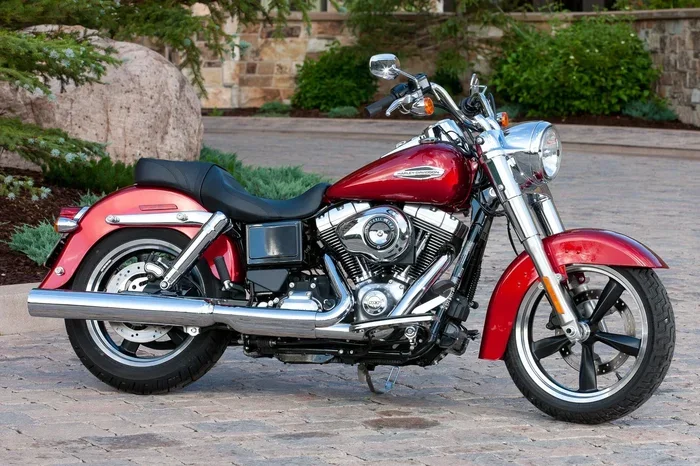
The Harley-Davidson Switchback is a powerful cruiser, but it has its share of known issues that owners should be aware of. From engine quirks to electrical gremlins, understanding these common problems early can save you time, money, and headaches. This guide covers every major issue and provides clear, actionable fixes for each one.
The Harley-Davidson Switchback is a bold, bagger-style cruiser that turns heads on every road. It combines raw power with a relaxed riding position, making it a favorite among long-distance riders. But like any motorcycle, the Switchback comes with its own set of challenges. Many owners have reported issues that range from minor annoyances to serious mechanical failures.
If you own a Switchback or are thinking about buying one, knowing these common problems ahead of time is a smart move. This guide breaks down every major issue, explains why it happens, and gives you clear fixes you can try yourself or have a mechanic handle. We also share prevention tips that will keep your bike running strong for years to come.
Understanding your motorcycle is the first step toward trouble-free riding. The more you know about what can go wrong, the better prepared you are. Let us walk you through the most frequent Harley-Davidson Switchback common problems and how to solve them.
Key Takeaways
- Engine and power delivery issues are among the most reported Switchback problems, often linked to air intake and fuel tuning.
- Electrical and wiring faults can cause flickering lights, dead batteries, and gauge malfunctions if not addressed early.
- Brake system concerns including pad wear and fluid leaks need regular inspection for rider safety.
- Suspension and handling problems like front fork leaks can affect ride comfort and stability.
- Fuel system and exhaust leaks are common on older models and can reduce performance significantly.
- Regular maintenance is the best way to prevent most of these issues from becoming serious.
- Knowing the recall history and owner complaints helps you make informed buying and repair decisions.
📑 Table of Contents
Engine and Power Delivery Issues
The engine is the heart of any Harley-Davidson, and the Switchback is no exception. Riders have reported several engine-related issues that can affect performance and reliability. Most of these problems are manageable if you catch them early.
Rough Idle and Stalling
One of the most common complaints from Switchback owners is a rough idle. The bike may shake at a stoplight or stall unexpectedly. This problem often points to a dirty throttle body or a vacuum leak. Over time, carbon buildup can restrict airflow and mess with the fuel-air mixture.
Here is what you can do to fix this:
- Clean the throttle body with a specialized cleaner every 10,000 miles.
- Check all vacuum lines for cracks or loose connections.
- Reset the idle learn procedure after cleaning.
- Replace the air filter if it looks dirty or clogged.
These simple steps usually resolve idle issues quickly. If the problem persists, it could be a sensor malfunction, which requires a diagnostic scan.
Power Delivery Hesitation
Some riders notice a hesitation or lag when twisting the throttle. This is especially noticeable at mid-range RPMs. The most common cause is a clogged fuel injector or a weak fuel pump. When fuel does not flow smoothly, the engine stumbles.
Try these fixes for hesitation problems:
- Use a quality fuel injector cleaner in your tank every few tanks of gas.
- Check the fuel pump pressure with a gauge. It should read between 55 and 65 PSI.
- Inspect the fuel filter for blockages and replace it if needed.
- Make sure your fuel is fresh and not old or contaminated.
Regular fuel system maintenance goes a long way toward smooth power delivery. Do not ignore even small signs of hesitation, as they can worsen over time.
Excessive Vibration at Highway Speeds
Harleys are known for vibration, but the Switchback should not shake the handlebars badly at highway speeds. Excessive vibration often comes from an unbalanced wheel, worn engine mounts, or loose clutch components.
To address vibration issues:
- Have your wheels balanced every 5,000 miles or after any tire change.
- Inspect engine mounts for cracks or separation.
- Check the clutch hub for wear and proper torque.
- Ensure your rear tire is properly inflated to the recommended PSI.
Vibration is more than just uncomfortable. It can cause fatigue on long rides and loosen bolts over time. Address it sooner rather than later.
Electrical and Wiring Problems
Electrical issues are a frequent headache for many motorcycle owners, and the Switchback is no different. The bike has a fair amount of wiring, and over time, connections can corrode or loosen.
Battery Drain and Starting Problems
A dead battery is one of the most frustrating problems you can face. Switchback owners sometimes report batteries that drain even when the bike is not in use. This often points to a parasitic draw somewhere in the electrical system.
Here is how to troubleshoot battery drain:
- Use a multimeter to test for parasitic draw. It should be under 50 milliamps.
- Check if any accessories were left plugged in or wired incorrectly.
- Inspect the battery terminals for corrosion and clean them with a wire brush.
- Replace the battery if it is more than three years old.
A good quality battery tender is a great investment for any Switchback owner who parks the bike for long periods.
Flickering or Dim Headlights
Flickering lights can be dangerous on the road. This issue is often caused by a loose ground wire, a failing voltage regulator, or a weak alternator. The Switchback uses a standard Harley electrical system that can develop these gremlins over time.
To fix flickering lights:
- Trace the ground wires and ensure they are tight and clean.
- Test the voltage regulator output. It should read steady at 13.5 to 14.5 volts.
- Inspect the alternator stator for signs of failure.
- Replace any corroded connectors you find along the wiring harness.
Do not ignore electrical issues. They can escalate quickly and leave you stranded on the side of the road.
Gauge and Display Malfunctions
Some owners have reported that the speedometer, tachometer, or fuel gauge on their Switchback acts up randomly. This can be caused by a loose connection behind the gauge cluster or a fault in the wiring harness connector.
Quick tips for gauge problems:
- Check the connector plug behind the instrument cluster for corrosion.
- Reset the ECU by disconnecting the battery for 15 minutes.
- If the problem returns, the cluster itself may need replacement.
Gauge issues are usually not dangerous, but they make riding less convenient and can hide important information like your speed or fuel level.
Brake and Safety Concerns
Your brakes are the most important safety feature on any motorcycle. The Switchback comes with a solid braking system, but it is not immune to wear and problems. Staying on top of brake maintenance is non-negotiable.
Brake Pad Wear and Noise
Worn brake pads are a normal part of riding, but some Switchback owners report pads wearing out faster than expected. This can happen if you ride in stop-and-go traffic often or if the brake calipers are sticking.
Signs your brake pads need attention include:
- A grinding or squealing sound when braking.
- Reduced braking power or longer stopping distances.
- The brake pad indicator light coming on.
- Visible thinness of the pad material through the wheel spokes.
Replace pads as soon as you notice these signs. Riding on worn pads damages the rotors and compromises your safety.
Brake Fluid Leaks
Brake fluid leaks are serious and should never be ignored. On the Switchback, leaks often occur at the caliper seals or the brake line fittings. A soft or spongy brake lever is the most obvious sign of a leak.
What to do if you suspect a brake fluid leak:
- Inspect the calipers and brake lines visually for any wet spots or drips.
- Check the brake fluid reservoir for a low fluid level.
- Bleed the brake system after any repair to remove air from the lines.
- Use DOT 4 brake fluid as specified by Harley-Davidson.
If you are not comfortable working on brakes yourself, take the bike to a qualified mechanic immediately. Brakes are not something to experiment with.
ABS System Faults
The Switchback comes equipped with ABS for added safety. Some owners have encountered ABS warning lights on the dashboard. This can be triggered by a faulty wheel speed sensor, a wiring issue, or a problem with the ABS module itself.
To address ABS warnings:
- Have a diagnostic tool read the ABS fault codes.
- Clean the wheel speed sensors and check the tone rings for debris.
- Inspect the wiring harness for any chafed or damaged wires near the wheels.
- Reset the system after any repair to see if the light returns.
A working ABS system can be the difference between a controlled stop and a dangerous skid. Do not ride with an active ABS warning light.
Suspension and Handling Concerns
The Switchback is designed for comfortable long rides, and its suspension plays a big role in that experience. However, some owners have reported suspension problems that affect ride quality and handling.
Front Fork Leaks
Fork seal leaks are one of the most common suspension issues on the Switchback. When the fork seals fail, oil seeps out and the forks lose their damping ability. You may notice oil on the lower fork tubes or a change in how the bike handles over bumps.
To fix fork leaks:
- Inspect the fork tubes and seals regularly for any signs of oil.
- Replace the fork seals if you notice any weeping or dripping.
- Have a mechanic rebuild the forks if the problem is severe.
- Use the correct fork oil weight as specified in your owner manual.
Catching a fork leak early can prevent more expensive damage to the fork internals.
Rear Shocker Performance
The rear shock on the Switchback can also develop issues over time. Some riders report that the shock feels too stiff or too soft, especially when carrying a passenger or luggage. This is often a matter of adjusting the preload and damping settings.
Tips for rear shock maintenance:
- Adjust the preload to match your riding weight and style.
- Check for any visible damage or leaks on the shock body.
- Replace the rear shock if it bottoms out frequently or makes unusual noises.
- Consider upgrading to a higher-quality aftermarket shock for better performance.
A well-tuned suspension makes a huge difference in how the bike feels and handles. Do not overlook this aspect of your Switchback maintenance.
Wheel Alignment and Tracking
If your Switchback pulls to one side or the tires wear unevenly, you may have a wheel alignment problem. This can happen after hitting a pothole or curb, or it can develop gradually over time.
Signs of alignment issues include:
- The bike drifting to one side on a straight road.
- Uneven tire wear on the front or rear tire.
- Vibration that gets worse at higher speeds.
- A feeling of instability during braking.
Have your alignment checked at least once a year or after any major impact. Proper alignment extends tire life and improves safety.
Fuel System and Exhaust Troubles
The fuel system and exhaust are critical to how your Switchback runs and sounds. Problems in either area can rob the bike of performance and efficiency.
Fuel Injector Cleaning and Replacement
Clogged fuel injectors are a common culprit behind poor performance on the Switchback. When injectors cannot deliver fuel properly, the engine runs lean, loses power, or idles roughly.
Keep your fuel system healthy with these steps:
- Use a quality fuel injector cleaner every 5,000 miles.
- Replace the fuel filter at regular intervals as specified in your service manual.
- Inspect the fuel pump for consistent pressure and operation.
- Use high-quality fuel from reputable stations to reduce contamination.
If cleaning does not solve the problem, a fuel injector replacement may be necessary. This is a more involved repair but well worth the improvement in performance.
Exhaust Leaks and Rattles
Exhaust leaks are another issue that Switchback owners encounter. Over time, the exhaust system can develop cracks, loose connections, or worn gaskets. You may hear a ticking or rattling sound that gets louder as the engine warms up.
To address exhaust leaks:
- Inspect the exhaust connections and gaskets visually for any gaps or damage.
- Tighten any loose bolts on the exhaust flanges.
- Replace worn gaskets or cracked pipes as needed.
- Consider upgrading to an aftermarket exhaust system for better sealing and sound.
An exhaust leak not only sounds bad but can also allow harmful fumes into the rider’s cockpit. Fix it promptly for both performance and safety reasons.
Fuel Tank Venting Issues
Some Switchback owners have experienced fuel tank venting problems. This can cause the tank to collapse slightly or make it difficult to fill up the tank. The vent valve or the breather hose may become blocked over time.
Quick fixes for fuel tank venting:
- Check the vent valve on top of the tank for any blockage.
- Inspect the breather hose for kinks, cracks, or clogs.
- Clear any debris from the vent system carefully.
- Replace the vent valve if it is stuck or damaged.
This is a small issue that can cause big headaches if left unchecked. A simple inspection can save you a lot of frustration at the fuel pump.
Maintenance Tips to Prevent Future Issues
The best way to deal with Harley-Davidson Switchback common problems is to prevent them from happening in the first place. A solid maintenance routine keeps your bike healthy and reduces the chance of unexpected breakdowns.
Create a Regular Maintenance Schedule
Consistency is key when it comes to motorcycle maintenance. Set up a schedule that covers all the major service intervals. Here is a simple checklist to follow:
- Change the engine oil every 5,000 miles or once a year.
- Replace the air filter every 10,000 miles.
- Inspect and clean the throttle body every 10,000 miles.
- Check brake fluid level and condition every 5,000 miles.
- Inspect all electrical connections and grounds every 3,000 miles.
- Check tire pressure before every ride and rotate tires every 5,000 miles.
- Have the suspension inspected annually.
Sticking to this schedule takes a little time but pays off big. Your Switchback will reward you with reliable performance and a long lifespan.
Keep Records of Repairs and Inspections
One of the best habits you can develop is keeping a maintenance log. Write down every service, repair, and inspection you perform. This helps you track patterns and catch recurring issues before they become serious problems.
Your log should include:
- The date and mileage of each service.
- What work was done or parts were replaced.
- Any symptoms or unusual observations you noticed.
- Contact information for your mechanic or dealer.
This record-keeping is also valuable if you ever decide to sell the bike. A well-documented maintenance history increases resale value and buyer confidence.
Invest in Quality Parts and Fluids
It can be tempting to save money with cheaper parts and fluids, but this often leads to more problems down the road. Using OEM or high-quality aftermarket parts ensures that everything works as designed and lasts longer.
Quick tips for quality parts:
- Use genuine Harley-Davidson or OEM-spec fluids and filters.
- Choose reputable aftermarket brands for components like brake pads and chains.
- Do not mix different brands or types of brake fluid or coolant.
- Invest in a good battery from a trusted manufacturer.
Quality parts cost a bit more upfront but save you money in repairs and downtime over the life of the bike.
Owner Complaints and Recall Information
It is always a good idea to research what other owners have experienced with the Switchback. Reading owner complaints and checking for any recall notices gives you a realistic picture of what to expect.
Common Owner Complaints
Beyond the mechanical issues we have covered, some owners have shared broader complaints about the Switchback. These include concerns about wind protection at highway speeds, seat comfort on very long rides, and the weight of the bike making it tricky to maneuver at low speeds.
Most of these concerns are subjective and depend on your riding style and needs. However, they are worth considering before you buy. Test riding the bike yourself is the best way to see if it is the right fit for you.
Recall History
Harley-Davidson has issued recalls on various models over the years. It is important to check if your specific Switchback year and model number is affected by any recalls. You can do this by visiting the NHTSA website or contacting your local Harley dealer with your VIN number.
Recalls are usually fixed free of charge at authorized dealerships. Never ignore a recall notice, as it often addresses a safety-related issue.
Conclusion
The Harley-Davidson Switchback is a fantastic cruiser, but it does come with its share of common problems. From engine hiccups to electrical gremlins and suspension concerns, being informed is your best defense. The good news is that most of these issues are well-documented and have clear fixes available.
Regular maintenance is the foundation of a trouble-free riding experience. When you stay on top of oil changes, brake inspections, and electrical checks, you catch small problems before they become big ones. Keep a maintenance log, use quality parts, and do not ignore warning signs like unusual sounds or warning lights.
Every motorcycle has its quirks, and the Switchback is no different. But with the right knowledge and a proactive approach, you can enjoy many miles of smooth, reliable riding. Apply the fixes and tips from this guide, and your Harley-Davidson Switchback will keep turning heads and delivering the ride you love.
Take care of your bike, and it will take care of you. Happy riding.
Frequently Asked Questions
What are the most common Harley-Davidson Switchback problems?
The most frequently reported issues include rough idle, power delivery hesitation, electrical problems like battery drain and flickering lights, brake pad wear, and front fork leaks. These problems are well-documented among Switchback owners and have proven solutions.
How do I fix rough idle on my Harley-Davidson Switchback?
Start by cleaning the throttle body with a specialized cleaner and checking for vacuum leaks. Reset the idle learn procedure after cleaning. If the problem continues, a diagnostic scan can reveal sensor malfunctions that need attention.
Are electrical issues common on the Harley-Davidson Switchback?
Yes, electrical problems are fairly common on the Switchback, especially as the bike ages. Battery drain, flickering headlights, and gauge malfunctions are frequently reported. Regular inspection of wiring and connections can help prevent these issues.
How often should I maintain my Harley-Davidson Switchback?
You should follow the maintenance schedule in your owner manual, which typically includes oil changes every 5,000 miles, air filter replacement every 10,000 miles, and brake inspections every 5,000 miles. Sticking to this schedule prevents most common problems.
Is the Harley-Davidson Switchback reliable for long-distance riding?
Overall, the Switchback is a reliable cruiser for long-distance riding when properly maintained. However, some owners report vibration fatigue and seat discomfort on very long trips. Upgrading suspension components and adding comfort accessories can improve the experience significantly.
What should I do if my Switchback has an active recall?
Contact your local Harley-Davidson dealer with your VIN number and ask about any open recalls. Recalls are fixed free of charge at authorized dealerships and often address safety-related issues that should be resolved immediately.