Does the Alfa Romeo 4C Have Power Steering Explained
The Alfa Romeo 4C does feature power steering, but it uses a hydraulic system rather than the electric power steering found in most modern cars. This setup gives drivers incredible steering feedback and a more connected feel behind the wheel. The 4C was designed as a lightweight mid-engine sports car where every detail, including the steering, prioritizes driver engagement and pure driving pleasure.
Does the Alfa Romeo 4C have power steering? This is a question that pops up a lot among car enthusiasts and potential buyers. The short answer is yes, but the way it works is quite different from what most people are used to. The Alfa Romeo 4C is not your average sports car. It was built from the ground up to deliver a pure, unfiltered driving experience. And the steering system plays a huge role in that mission.
If you are considering buying or already own an Alfa Romeo 4C, understanding how its power steering works is essential. It affects everything from daily driving comfort to track-day performance. In this article, we will break down the entire steering system in detail. We will look at how it works, why Alfa Romeo chose this approach, and what it means for your driving experience. We will also cover maintenance tips and common issues so you can keep your 4C running at its best.
The 4C is a mid-engine sports car that weighs around 1,973 pounds. That lightweight design is a big part of its appeal. Combined with a turbocharged 1.75-liter engine producing about 237 horsepower, the car is nimble and quick. But what really sets the 4C apart is how connected you feel to the road. And that connection starts with the steering wheel in your hands.
Key Takeaways
- The Alfa Romeo 4C uses hydraulic power steering: Unlike many modern sports cars that rely on electric systems, the 4C opts for a hydraulic setup for superior road feel.
- No electric power steering assist: The 4C provides minimal electronic intervention, giving drivers a raw and responsive steering experience.
- Steering feedback is exceptional: The hydraulic system delivers clear communication from the road, making it a favorite among driving enthusiasts.
- Maintenance matters: Regular checks of the hydraulic power steering fluid and components help keep the system performing at its best.
- The 4C is a driver-first car: Every engineering choice, including the steering design, supports the car’s lightweight and agile character.
- Common issues exist: Knowing potential problems with the steering system helps owners address them early and avoid costly repairs.
📑 Table of Contents
- What Is the Alfa Romeo 4C?
- Does the Alfa Romeo 4C Have Power Steering?
- Hydraulic vs Electric Power Steering
- Driving Experience and Steering Feel
- Maintaining Your Alfa Romeo 4C Steering System
- Common Steering Issues and How to Fix Them
- Expert Insights on the Alfa Romeo 4C Steering System
- Quick Tips for the Best Steering Experience
- Key Takeaways
What Is the Alfa Romeo 4C?
The Alfa Romeo 4C is a two-seat mid-engine sports car that was produced from 2013 to 2020. It was designed to bring the spirit of classic Alfa Romeo sports cars into a modern, lightweight package. The car features a carbon fiber monocoque chassis and a lightweight body made mostly of aluminum. This gives it an incredibly low curb weight compared to competitors.
The 4C was engineered to be a driver-focused car. Every component was chosen with performance and feel in mind. From the engine placement to the suspension setup, nothing was left to chance. The steering system is one of the most important parts of this equation. It is what connects the driver to the road and translates input into action.
Key Specifications of the Alfa Romeo 4C
- Engine: 1.75L turbocharged inline-4
- Horsepower: 237 hp
- Weight: Approximately 1,973 lbs
- Transmission: 6-speed dual-clutch automatic
- Top Speed: 160 mph
- 0-60 mph: 4.5 seconds
- Chassis: Carbon fiber monocoque
These numbers tell you a lot about the car’s character. The low weight and powerful engine make the 4C a blast to drive. But the steering system is what ties everything together. It is the interface between you and the machine.
Does the Alfa Romeo 4C Have Power Steering?
Yes, the Alfa Romeo 4C does have power steering. However, it uses a hydraulic power steering system rather than the electric power steering systems found in most modern cars. This is a deliberate choice by Alfa Romeo, and it has a big impact on how the car feels on the road.
Hydraulic power steering uses a pump driven by the engine to pressurize fluid. This fluid then assists the steering rack, making it easier to turn the wheels. The result is a steering feel that is more natural and connected than what you get with electric systems. For a car like the 4C, which is all about the driving experience, this choice makes perfect sense.
How the Hydraulic Steering System Works
The hydraulic power steering system in the 4C operates through a series of components working together. A belt-driven pump pressurizes the power steering fluid. This pressurized fluid then flows to the steering rack. When you turn the steering wheel, the fluid helps move the rack, which in turn turns the wheels.
Because the system relies on hydraulic pressure rather than electric motors, the feedback you feel through the steering wheel is much more direct. You can sense road texture, tire grip levels, and front-end behavior more clearly. This is something that electric power steering systems often filter out or dampen.
For those who love the feel of a traditional sports car, this hydraulic setup is a major advantage. It gives the 4C a personality that electric-steering cars simply cannot match. The steering wheel talks to you, and you can feel what the front tires are doing at all times.
Why Alfa Romeo Chose Hydraulic Steering
Alfa Romeo chose hydraulic power steering for the 4C for several reasons. First, the company wanted to keep the car as lightweight as possible. Electric power steering systems add weight and complexity. By using a hydraulic system, Alfa Romeo kept the 4C’s weight down and maintained its agile character.
Second, the hydraulic system provides better feedback at low speeds and high speeds alike. Electric systems often change their assist levels based on vehicle speed, which can create an artificial feel. The hydraulic system in the 4C offers more consistent and natural assistance across all speeds.
Third, Alfa Romeo has a long history of building driver-focused cars. The hydraulic steering setup fits perfectly with this philosophy. It is a choice that prioritizes driving feel over convenience features. For enthusiasts, this is exactly what they want.
Hydraulic vs Electric Power Steering
The debate between hydraulic and electric power steering is an important one. Both systems have their strengths and weaknesses. Understanding the differences helps you appreciate why the 4C’s choice matters.
Hydraulic Power Steering
Hydraulic power steering uses engine-driven pumps and fluid pressure to assist steering. This is the traditional approach that has been used in cars for decades. The main benefits include:
- Natural feel: The steering feedback is more organic and connected to road conditions.
- Consistent assistance: Hydraulic systems provide smooth and even assist at all speeds.
- Better feedback: Drivers can feel more information about the road through the steering wheel.
- Sportier character: Hydraulic systems are preferred in performance and sports cars for their responsiveness.
The downside of hydraulic systems is that they add weight and consume engine power. The pump is driven by a belt, which means it puts a small load on the engine. However, for a car like the 4C, this trade-off is worth it for the improved feel.
Electric Power Steering
Electric power steering uses an electric motor to assist steering. This is the most common system in modern cars today. The main benefits include:
- Lighter weight: Electric systems are generally lighter than hydraulic ones.
- Better fuel economy: The electric motor only draws power when steering is active.
- Low maintenance: There is no fluid to check or replace.
- Adjustable assist: The system can vary assistance levels based on driving conditions.
However, electric power steering often lacks the feel and feedback of hydraulic systems. Many drivers describe electric steering as numb or artificial. For a car like the Alfa Romeo 4C, this would be a dealbreaker.
Comparison Table
| Feature | Hydraulic Power Steering | Electric Power Steering |
|---|---|---|
| Feedback Quality | Excellent | Moderate to Good |
| Weight | Heavier | Lighter |
| Maintenance | Higher (fluid checks) | Lower |
| Fuel Economy Impact | Slight | Minimal |
| Cost | Higher | Lower |
| Sport Feel | Superior | Good |
| Low-Speed Ease | Very Good | Excellent |
As you can see, hydraulic power steering has clear advantages when it comes to driving feel. This is why the Alfa Romeo 4C uses it. The car is designed for enthusiasts who value connection and feedback over convenience.
Driving Experience and Steering Feel
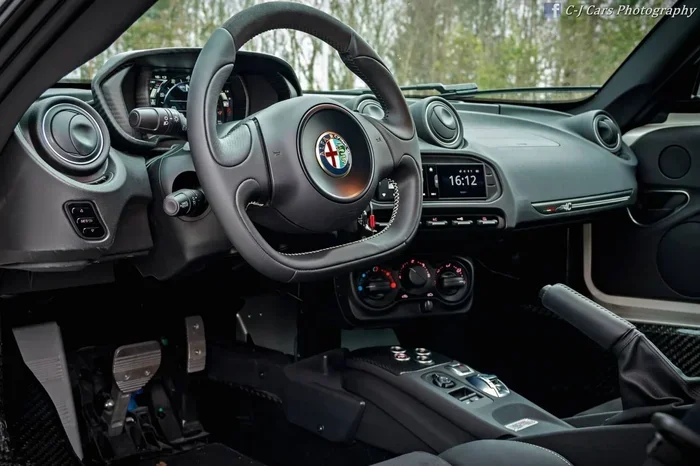
The steering feel of the Alfa Romeo 4C is one of its biggest selling points. When you grip that leather-wrapped steering wheel, you immediately notice something different. The car communicates with you in a way that modern cars with electric steering simply cannot match.
At low speeds, the hydraulic steering feels light and effortless. Parking the 4C is easy, and you can maneuver through tight spaces without breaking a sweat. As you pick up speed, the steering naturally firms up. This gives you more confidence when cornering at higher velocities.
On winding roads, the 4C really shines. The steering is incredibly responsive and precise. You can feel the front tires gripping the road, and the car changes direction exactly when and how you want it to. This level of feedback makes every drive more engaging and fun.
Why Steering Feel Matters
Steering feel is not just a nice-to-have feature. It is critical for a sports car. When you can feel what the front wheels are doing, you can drive with more confidence and precision. This is especially important on track days or spirited drives on back roads.
The hydraulic system in the 4C provides a level of communication that electric systems struggle to replicate. You feel road imperfections, camber changes, and weight transfer through the steering wheel. This makes you a better driver because you get real-time information about what the car is doing.
For comparison, many modern sports cars have switched to electric power steering to save weight and improve fuel economy. While these systems work well, they often feel disconnected. The Alfa Romeo 4C stays true to its roots by keeping the hydraulic setup that enthusiasts love.
Maintaining Your Alfa Romeo 4C Steering System
Keeping your 4C’s steering system in top shape is important for both performance and safety. The hydraulic power steering system requires regular attention to ensure it works properly. Here are some maintenance tips to keep in mind.
Power Steering Fluid Checks
The hydraulic system relies on power steering fluid to operate correctly. Over time, this fluid can degrade or become contaminated. Check the fluid level regularly and top it off as needed. Most experts recommend changing the fluid every 30,000 to 50,000 miles to keep the system running smoothly.
Use only the recommended fluid type for your 4C. Using the wrong fluid can damage seals and internal components. Check your owner’s manual for the correct specification.
Hose and Line Inspection
The hydraulic steering system has several hoses and lines that carry pressurized fluid. These can develop leaks over time. Inspect them regularly for signs of wear, cracks, or fluid drips. Catching a small leak early can prevent a much bigger and more expensive problem down the road.
Steering Rack Maintenance
The steering rack is the core component of the system. Keep it clean and free of debris. If you notice any unusual noises or stiffness in the steering, have it inspected by a qualified mechanic right away. Early diagnosis can save you from costly repairs.
Electrical System Considerations
While the steering system itself is hydraulic, the car’s overall electrical system plays a supporting role. For instance, if you are adding accessories or troubleshooting electrical issues, understanding the car’s 12V power socket car setup can be helpful. The 12V socket provides power for various accessories and diagnostic tools. Keeping it in good working condition ensures your electrical system functions properly, which indirectly supports the overall health of the car.
Regular maintenance of the entire vehicle, including the electrical system, helps ensure your 4C stays reliable and performs at its best. A well-maintained car is a more enjoyable car to drive.
Common Steering Issues and How to Fix Them
Like any car, the Alfa Romeo 4C can experience steering issues over time. Being aware of these problems helps you address them early. Here are some of the most common issues and what you can do about them.
Stiff or Heavy Steering
If your 4C suddenly feels stiff or hard to turn, the most common cause is low power steering fluid. Check the fluid reservoir first. If the level is low, top it off and look for leaks in the system. If the fluid level is fine, the power steering pump may be failing and need replacement.
Whining or Groaning Noises
Noises when turning the steering wheel often indicate air in the hydraulic system or low fluid levels. Bleeding the system and refilling with fresh fluid usually resolves this issue. If the noise persists, the power steering pump may need inspection or replacement.
Vibration in the Steering Wheel
Steering wheel vibration can be caused by several factors. Worn suspension components, unbalanced wheels, or issues with the steering rack itself can all contribute. Have a mechanic perform a thorough inspection to pinpoint the exact cause.
Power Steering Fluid Leaks
Leaks are one of the most common hydraulic steering problems. Look for puddles of fluid under the car or wet spots around hoses and connections. Small leaks can often be fixed by replacing a hose or seal. Larger leaks may require more extensive repairs.
Delayed Steering Response
If there is a delay between turning the wheel and the car responding, this could indicate a problem with the steering rack or pump. This issue should be addressed promptly because it affects safety and driving confidence.
Expert Insights on the Alfa Romeo 4C Steering System
Automotive experts consistently praise the Alfa Romeo 4C for its steering feel. Many reviewers describe it as one of the best-handling cars in its class. The hydraulic power steering system is frequently cited as a key reason for this praise.
According to several automotive publications, the 4C offers a steering experience that rivals cars costing several times more. The combination of lightweight construction and hydraulic steering creates a dynamic and engaging driving experience that is hard to find in a production car today.
Experts also note that the 4C’s steering system is relatively simple compared to modern electronic systems. This simplicity means there are fewer components that can fail, which can translate to lower long-term maintenance costs. However, regular maintenance of the hydraulic components is still essential.
For owners who want to get the most out of their 4C, experts recommend focusing on the basics. Keep the power steering fluid fresh, check for leaks regularly, and address any issues promptly. This simple approach will keep the steering system performing beautifully for years to come.
Quick Tips for the Best Steering Experience
- Check fluid levels monthly: A quick check can prevent major issues.
- Use the correct fluid: Always follow the manufacturer’s recommendation.
- Listen for unusual sounds: Early detection saves money.
- Keep tires properly inflated: Correct tire pressure improves steering response.
- Get regular alignments: Proper alignment reduces wear on steering components.
- Drive the car regularly: Sitting for long periods can cause seals to dry out.
Key Takeaways
- The Alfa Romeo 4C does have power steering: It uses a hydraulic system rather than an electric one.
- The hydraulic setup provides superior feedback: You feel more connected to the road through the steering wheel.
- Alfa Romeo chose this design deliberately: It supports the car’s lightweight, driver-focused character.
- Regular maintenance is essential: Fluid checks, leak inspections, and timely repairs keep the system working well.
- The steering feel is a standout feature: Many experts consider it one of the best in the sports car segment.
- Common issues are manageable: Most steering problems are fixable if caught early.
- The 4C is a driver’s car through and through: Every detail, including the steering, reinforces this philosophy.
Frequently Asked Questions
Does the Alfa Romeo 4C have power steering?
Yes, the Alfa Romeo 4C does have power steering. However, it uses a hydraulic power steering system instead of the electric power steering found in most modern cars. This hydraulic setup provides superior road feedback and a more connected driving experience.
What type of power steering does the Alfa Romeo 4C use?
The Alfa Romeo 4C uses a hydraulic power steering system driven by an engine-mounted pump. This system pressurizes fluid to assist the steering rack, giving the driver a natural and responsive feel. It is a traditional setup that Alfa Romeo chose for its superior driving dynamics.
Is the Alfa Romeo 4C steering hard to turn?
No, the steering is not hard to turn. The hydraulic power steering system provides assistance that makes turning the wheel comfortable at all speeds. At low speeds, it feels light and easy, while at higher speeds, it firms up for better control and confidence.
How often should I check the power steering fluid in my 4C?
It is recommended to check the power steering fluid at least once a month. Also, have the fluid changed every 30,000 to 50,000 miles to keep the system running smoothly. Regular checks help prevent leaks and maintain optimal steering performance.
What should I do if my 4C steering feels stiff?
If your steering feels stiff, first check the power steering fluid level. Low fluid is the most common cause of stiff steering. If the fluid level is fine, inspect for leaks and have the system checked by a qualified mechanic. Early attention prevents more serious damage.
Why does the Alfa Romeo 4C not use electric power steering?
Alfa Romeo chose hydraulic power steering for the 4C to preserve driving feel and feedback. Electric systems, while lighter and more fuel-efficient, often provide a numb and artificial steering experience. The hydraulic setup aligns with the 4C’s philosophy of being a pure driver’s car that communicates with the driver.
=== CONCLUSION ===
The Alfa Romeo 4C is a special car that stands out in the crowded sports car market. One of the key reasons it feels so special is its hydraulic power steering system. When you ask does the Alfa Romeo 4C have power steering, the answer is yes, and it is done in a way that prioritizes driver engagement above all else.
The hydraulic system delivers exceptional feedback and a connected feel that electric power steering simply cannot match. Every turn of the wheel tells you something about the road, the tires, and the car’s behavior. This level of communication makes the 4C a joy to drive on any road, whether it is a daily commute or a spirited weekend outing.
Maintaining the steering system is straightforward but important. Regular fluid checks, leak inspections, and timely repairs will keep your 4C performing at its best. The simplicity of the hydraulic system means fewer electronic gremlins to worry about, which is a welcome benefit for owners who prefer a more traditional approach.
If you own an Alfa Romeo 4C, you already know what makes this car special. And if you are considering buying one, the steering feel alone is worth experiencing. The 4C proves that sometimes, older technology done right is better than the latest trends. It is a car that puts the driver first in every way possible, and the steering system is a perfect example of that philosophy.