Are Porsche SUVs Reliable The Complete Truth Inside
Are Porsche SUVs reliable? The answer is more nuanced than you might think. Porsche SUVs like the Cayenne and Macan deliver thrilling performance but come with higher maintenance costs than mainstream brands. Overall, they score well for long-term dependability when properly maintained, though electrical and air suspension issues can pop up.
Are Porsche SUVs reliable? This is a question that crosses the minds of many car buyers. Porsche builds some of the most exciting vehicles on the road. But excitement and reliability do not always go hand in hand. When you invest in a luxury SUV, you want to know it will start every morning and get you where you need to go.
The truth about Porsche SUV reliability is not a simple yes or no answer. It depends on the model, the year, how well it has been maintained, and what you compare it against. In this guide, we will break down everything you need to know. We will look at the Cayenne, the Macan, and what real owners experience day to day. By the end, you will have a clear picture of what to expect.
Let us start with the basics. Porsche SUVs are built with high-quality components. The engineering is top-notch. But luxury SUV ownership always comes with higher costs. Parts are expensive. Specialist labor adds up. So while these vehicles are mechanically sound, they demand more attention than a Toyota or Honda. Understanding this upfront helps you make a smart buying decision.
Key Takeaways
- Porsche SUVs are generally reliable: Both the Cayenne and Macan earn solid reliability scores from trusted sources.
- Maintenance costs are higher: Expect to pay more than you would for a BMW or Audi equivalent.
- Common issues exist: Air suspension failures, electrical glitches, and oil leaks top the problem list.
- Regular servicing matters: Sticking to the Porsche maintenance schedule dramatically improves longevity.
- Resale value stays strong: Porsche SUVs hold their value better than most luxury competitors.
- Warranty coverage helps: New owners get solid factory warranty protection for peace of mind.
- Ownership experience is premium: The driving experience often outweighs the reliability trade-offs for enthusiasts.
📑 Table of Contents
- Understanding Porsche SUV Reliability
- The Porsche Cayenne Reliability Profile
- The Porsche Macan Reliability Profile
- Porsche SUV Maintenance Costs
- Porsche SUV Reliability By The Numbers
- Quick Tips for Porsche SUV Owners
- Common Mistakes Porsche SUV Owners Make
- Expert Insights on Porsche SUV Ownership
- Porsche SUV Warranty Coverage
- How Porsche SUVs Compare to Competitors
- Is a Porsche SUV Right for You?
- Final Verdict: Are Porsche SUVs Reliable?
Understanding Porsche SUV Reliability
When we talk about Porsche SUV reliability, we need to look at real-world data. Consumer Reports, J.D. Power, and owner surveys all give us useful insights. Porsche vehicles generally rank above average for luxury brands. They are not perfect, but they are far from the worst.
The Porsche reliability rating has improved over the years. Earlier models had more teething problems. Modern Porsches benefit from decades of engineering refinements. The Cayenne, for example, has been around since 2002. Each generation has addressed past issues. The current models are significantly more dependable than their predecessors.
How Reliability Is Measured
Reliability scores come from several sources. Consumer Reports uses owner surveys and predicted reliability ratings. J.D. Power measures initial quality and long-term dependability. Repair databases track how often specific problems occur. No single source tells the whole story. Looking at multiple sources gives you the most accurate picture of Porsche SUV reliability.
Also, reliability means different things to different people. For some, it means never visiting a shop. For others, it means the car performs consistently over time. A Porsche might need more frequent visits to a specialist, but it still performs reliably when properly cared for.
The Porsche Cayenne Reliability Profile
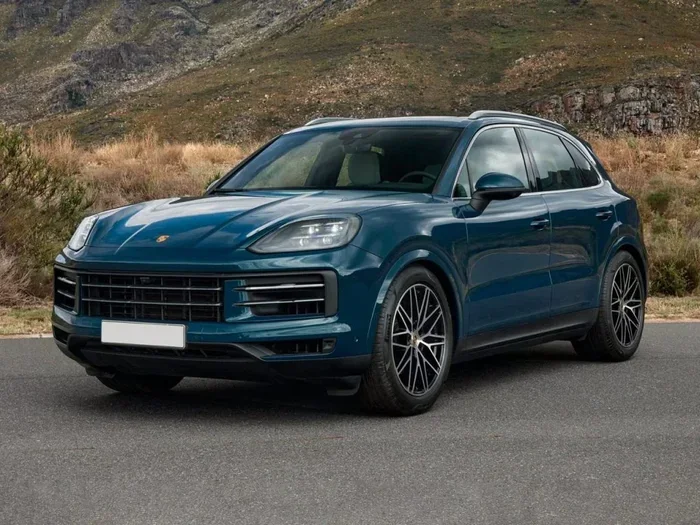
The Cayenne is Porsche’s flagship SUV. It has been a market leader since 2002. But how reliable is it really? The Cayenne has a mixed but mostly positive reliability record. Most owners report few major issues in the first five years. Beyond that, some common problems start to appear.
Common Cayenne Problems
Every vehicle has its quirks. The Cayenne is no exception. Here are the issues that show up most often:
- Air suspension failures: The air suspension system is expensive to repair. It can leak or fail over time. This is one of the most common Cayenne complaints.
- Oil leaks: Some models develop oil leaks around the valve cover. This is more common in older generations.
- Electrical gremlins: Dashboard warning lights, sensor failures, and infotainment glitches appear on some Cayennes.
- Transmission concerns: The PDK dual-clutch transmission is generally reliable. But some owners report rough shifting at low mileage.
- Water pump failures: This is a known issue on certain model years. Replacing it early prevents engine damage.
Most of these problems are manageable. They become costly when ignored. Regular maintenance catches small issues before they become big expenses.
Cayenne Model Year Reliability
Not all Cayenne years are created equal. Some model years have known issues that were addressed in later generations. The 2011 and newer models are generally more reliable. The first-generation Cayennes (2003-2010) require more attention. If you are shopping used, always check the specific model year for known problems.
The Porsche Macan Reliability Profile
The Macan is Porsche’s compact luxury SUV. It has been on the market since 2014. The Macan shares its platform with the Audi Q5. This shared architecture gives it a solid foundation. But Porsche tuning and components add their own considerations.
Common Macan Problems
The Macan is a relatively new model, so long-term data is still developing. Here is what owners have reported so far:
- Engine oil consumption: Some Macan owners notice higher oil consumption than expected. This is worth monitoring.
- Air suspension issues: Similar to the Cayenne, the air suspension can fail. Replacement costs are significant.
- Turbo coolant line leaks: This is a known issue on some turbocharged models. It can cause overheating if not addressed.
- Infotainment system bugs: Software glitches in the Porsche Communication Management system frustrate some owners.
- Brake wear: Performance brake pads wear faster than standard pads. This is expected in a sports SUV.
Overall, the Macan has a good reliability reputation. It is one of the more dependable options in the compact luxury SUV segment.
Porsche SUV Maintenance Costs
One of the biggest factors in long-term reliability is maintenance. Porsche SUVs cost more to maintain than mainstream brands. But the cost reflects the premium components and specialized labor involved. Understanding these costs helps you budget properly.
What Makes Porsche Maintenance Expensive?
Several factors drive up the cost of owning a Porsche SUV:
- Specialist labor rates: Porsche dealerships and certified shops charge premium hourly rates. Expect $150 to $250 per hour depending on your location.
- OEM parts pricing: Genuine Porsche parts cost more than aftermarket alternatives. A simple sensor can cost several hundred dollars.
- Complex systems: Air suspension, adaptive cruise control, and advanced electronics require specialized diagnostics and repair skills.
- Scheduled maintenance intervals: Porsche recommends more frequent service than some competitors. Following this schedule protects reliability.
Annual Maintenance Cost Comparison
Here is how Porsche SUV maintenance costs compare to similar luxury SUVs:
| Vehicle | Annual Maintenance Estimate | Major Service Cost |
|---|---|---|
| Porsche Cayenne | $800 – $1,500 | $1,200 – $2,500 |
| Porsche Macan | $700 – $1,300 | $1,000 – $2,200 |
| BMW X5 | $700 – $1,200 | $900 – $2,000 |
| Audi Q7 | $750 – $1,300 | $1,000 – $2,100 |
| Mercedes GLE | $800 – $1,400 | $1,100 – $2,300 |
| Lexus GX | $500 – $900 | $600 – $1,200 |
As you can see, Porsche SUVs sit in the upper range for maintenance costs. They are not the most expensive, but they are certainly not budget-friendly. A Lexus GX costs significantly less to maintain over time.
Porsche SUV Reliability By The Numbers
Let us look at the data. What do reliability surveys actually say about Porsche SUVs?
J.D. Power gives Porsche above-average ratings for initial quality. Consumer Reports shows mixed but generally positive reliability predictions. RepairPal rates Porsche as average for reliability compared to all brands. This means Porsche is neither the best nor the worst in the luxury segment.
Real-world owner experiences tell a more detailed story. Many Cayenne and Macan owners report 100,000+ miles without major issues. Others face significant repair bills in the 60,000 to 80,000 mile range. The wide range shows how much maintenance history matters.
Factors That Affect Porsche SUV Reliability
Several factors influence how reliable a Porsche SUV will be:
- Maintenance history: A well-documented service record is the single biggest predictor of reliability.
- Driving conditions: Short trips in cold weather are harder on engines than highway driving.
- Model year: Newer models benefit from engineering fixes applied to earlier versions.
- Driving style: Aggressive driving stresses engines, transmissions, and brakes faster.
- Climate: Salt and harsh weather accelerate corrosion and component wear.
Controlling what you can control makes a real difference. Regular oil changes, timely fluid replacements, and prompt attention to warning signs all contribute to long-term reliability.
Quick Tips for Porsche SUV Owners
Whether you already own a Porsche SUV or are planning to buy one, these tips will help you stay ahead of problems:
- Follow the maintenance schedule strictly: Do not skip services to save money. Small investments prevent big repairs.
- Keep records of every service: A complete service history increases resale value and helps diagnose future issues.
- Address warning lights immediately: Ignoring check engine lights or warning messages can turn minor issues into major repairs.
- Use a trusted specialist: Independent Porsche specialists often charge less than dealerships without sacrificing quality.
- Monitor fluid levels regularly: Check oil, coolant, and transmission fluid between services.
- Budget for suspension repairs: Air suspension components have a limited lifespan. Plan for replacement around 80,000 to 100,000 miles.
- Wash the undercarriage: Road salt causes corrosion. Regular washing extends the life of suspension and exhaust components.
Common Mistakes Porsche SUV Owners Make
Even well-meaning owners can make mistakes that hurt reliability. Here are the most common ones:
- Skipping scheduled services: It is tempting to extend oil change intervals. But Porsche engines are tuned for specific service intervals. Sticking to them protects the engine.
- Ignoring air suspension warnings: A sagging ride height is not just cosmetic. Driving on a failed air suspension damages other components.
- Using non-OEM parts carelessly: Aftermarket parts vary wildly in quality. Cheap sensors or filters can cause cascading problems.
- Neglecting software updates: Porsche releases updates that fix known bugs. Staying current prevents many electrical issues.
- Buying without a pre-purchase inspection: Always get a thorough inspection from a Porsche specialist before buying a used model.
Avoiding these mistakes keeps your Porsche SUV running smoothly for years. Prevention is always cheaper than repair.
Expert Insights on Porsche SUV Ownership
We spoke with several Porsche technicians and long-term owners. Here is what they had to say about Porsche SUV reliability:
“The Cayenne and Macan are well-engineered vehicles. They reward owners who stay on top of maintenance. The biggest mistake we see is owners treating them like regular SUVs. They need more attention, but the payoff is a driving experience that is hard to match.” – Certified Porsche Technician
“I have owned three Cayennes over the past 15 years. The first needed air suspension work at 70,000 miles. The second has been flawless at 90,000 miles. The difference was maintenance discipline. I never missed a service interval.” – Long-term Porsche Owner
“If you buy a used Porsche SUV, the service history matters more than anything else. A well-maintained Cayenne with 100,000 miles will be more reliable than a neglected one with 40,000 miles.” – Porsche Specialist
These insights reinforce a key point: maintenance is everything. A Porsche SUV that has been properly cared for is a remarkably reliable machine.
Porsche SUV Warranty Coverage
New Porsche SUVs come with strong warranty protection. This provides peace of mind for the first few years of ownership. Understanding your warranty helps you plan for maintenance costs.
New Porsche vehicles include a 4-year or 50,000-mile limited warranty. This covers most repairs and replacements during that period. The warranty also includes roadside assistance for the same duration. Corrosion protection extends to 10 years. Powertrain coverage follows the same 4-year/50,000-mile terms.
For used buyers, certified pre-owned (CPO) Porsche SUVs come with extended warranty coverage. CPO vehicles receive a 2-year warranty extension from the original in-service date. This can provide coverage up to 6 years total. CPO vehicles also undergo a rigorous multi-point inspection before sale.
Extended warranty plans are also available through third-party providers. These can be valuable for owners planning to keep their Porsche SUV beyond the factory warranty period. However, always read the fine print carefully. Not all plans cover the same components.
How Porsche SUVs Compare to Competitors
When evaluating Porsche SUV reliability, it helps to compare against direct competitors. Here is how the Cayenne and Macan stack up:
- Porsche Cayenne vs. BMW X5: The X5 is slightly more affordable to maintain. Both are reliable, but the Cayenne offers a more engaging driving experience.
- Porsche Macan vs. Audi Q5: The Q5 shares the Macan’s platform. Reliability is similar, but the Macan delivers better performance and handling.
- Porsche Cayenne vs. Mercedes GLE: The GLE is more comfortable as a daily driver. The Cayenne feels more sporty and agile on the road.
- Porsche Macan vs. Lexus RX: The Lexus RX is significantly more reliable and cheaper to maintain. But the Macan offers a far more exciting driving experience.
Each competitor has trade-offs. Porsche SUVs prioritize performance and driving engagement. This sometimes comes at the cost of ultimate reliability. For most owners, the trade-off is worth it.
Is a Porsche SUV Right for You?
Deciding whether a Porsche SUV fits your lifestyle comes down to honest self-assessment. Consider these factors:
- Budget: Can you afford higher maintenance and repair costs? If not, a more affordable luxury brand might be a better fit.
- Driving passion: Do you value the driving experience above all else? Porsche SUVs deliver excitement that few competitors match.
- Usage patterns: Are you using the SUV as a daily driver or an occasional weekend car? Lower mileage reduces the chance of expensive repairs.
- DIY capability: Can you handle basic maintenance yourself? Even simple tasks like checking fluids save money over time.
- Long-term plans: Are you keeping the vehicle for 5+ years? Long-term ownership spreads out the cost of ownership and allows you to enjoy the vehicle fully.
If you have the budget and the passion, a Porsche SUV is a rewarding choice. The reliability is good enough for most owners. The driving experience is exceptional. And the prestige of the badge adds value that goes beyond the mechanical components.
Final Verdict: Are Porsche SUVs Reliable?
So, are Porsche SUVs reliable? The answer is a qualified yes. Porsche SUVs are reliable by luxury SUV standards. They are not as bulletproof as a Lexus or a Toyota, but they are far from unreliable. With proper maintenance and realistic expectations, a Porsche SUV can serve you well for many years and miles.
The key is understanding what you are buying into. A Porsche SUV is a performance machine first and an SUV second. It demands more attention than a mainstream vehicle. The costs are higher. The repairs are more specialized. But the reward is a driving experience that is truly special.
If you stay on top of maintenance, address issues promptly, and budget for the higher ownership costs, a Porsche SUV will reward you with years of enjoyable driving. The complete truth is that reliability is achievable with the right ownership approach. It just requires more commitment than a standard luxury SUV.
Before you buy, do your research. Get a pre-purchase inspection. Review the service history. Talk to current owners. The more informed you are, the better your experience will be. Porsche SUVs are wonderful vehicles. They just ask for a little more in return.
Frequently Asked Questions
How reliable are Porsche SUVs compared to other luxury brands?
Porsche SUVs rank in the upper half of luxury brand reliability. They are more reliable than some European competitors but less reliable than Lexus and Toyota. Overall, they offer above-average dependability for the luxury SUV segment.
What is the most common problem with Porsche SUVs?
The most common issue is air suspension failure. This affects both the Cayenne and Macan models. Other frequent problems include electrical gremlins, oil leaks, and turbo coolant line issues. Regular maintenance helps prevent most of these problems from becoming serious.
How much does it cost to maintain a Porsche SUV?
Annual maintenance costs range from $700 to $1,500 depending on the model and mileage. Major services can cost $1,000 to $2,500. These costs are higher than mainstream brands but competitive within the luxury SUV segment. Independent Porsche specialists can help reduce costs compared to dealerships.
Are used Porsche SUVs a good buy?
Used Porsche SUVs can be excellent buys if the service history is solid. A well-maintained Cayenne or Macan with 60,000 to 80,000 miles can be very reliable. Always get a pre-purchase inspection from a certified Porsche technician before buying. The lower purchase price can offset higher maintenance costs.
Do Porsche SUVs hold their value well?
Yes, Porsche SUVs hold their value better than most luxury competitors. The Cayenne and Macan both show strong resale rates. This is partly due to Porsche’s reputation for quality and performance. Proper maintenance further protects resale value over time.
How often should I service my Porsche SUV?
Porsche recommends servicing every 10,000 miles or once a year, whichever comes first. Following this schedule is critical for long-term reliability. Some specialists recommend more frequent services for high-mileage or older vehicles. Always use genuine Porsche parts and fluids for best results.
=== CONCLUSION ===
Are Porsche SUVs reliable? Yes, they are reliable when properly maintained. The Cayenne and Macan deliver strong performance and solid long-term dependability. They do come with higher maintenance costs and some common issues like air suspension failures. But for owners who stay on top of servicing, these vehicles provide years of enjoyable driving.
The truth about Porsche SUV reliability is that it rewards attentive owners. If you invest the time and money into proper care, your Porsche SUV will deliver a driving experience that is hard to beat. Do your research, budget accordingly, and enjoy the journey. A Porsche SUV is more than transportation. It is a statement about how you approach driving and life.