Everything You Need to Know About Car Rubbing Polish Charges
Car rubbing polish charges vary widely based on your vehicle size, paint condition, and service level. On average, you can expect to pay between $100 and $500 for a standard polishing job. Understanding what drives these costs helps you make smart decisions and avoid overpaying for your next detailing service.
If you have ever wondered why car rubbing polish charges differ so much from one shop to another, you are not alone. Many car owners face confusion when trying to figure out how much they should pay for a polishing service. The truth is, several factors go into setting these prices. Your vehicle size, paint condition, and the type of service you choose all play a role.
In this guide, we break down everything you need to know about car rubbing polish charges. We cover average costs, what affects pricing, and how to pick the right service for your budget. Whether you have a daily driver or a luxury vehicle, this article has you covered.
By the end, you will feel confident about what to expect when you walk into a detailing shop or book a mobile service. Let us dive in and explore the world of car polishing costs together.
Key Takeaways
- Average Cost Range: Car rubbing polish charges typically range from $100 to $500 depending on service level and vehicle size.
- Several Factors Matter: Paint condition, vehicle size, location, and detailer expertise all influence final pricing.
- Service Types Vary: From basic swirl removal to full paint correction, different services carry different price tags.
- DIY vs. Professional: Doing it yourself costs less upfront but professional results last longer and look better.
- Hidden Costs Exist: Always ask about what’s included in the quoted price to avoid surprises.
- Regular Maintenance Saves Money: Keeping up with routine care reduces the need for expensive correction services later.
📑 Table of Contents
- What Are Car Rubbing Polish Charges?
- Average Car Rubbing Polish Charges by Service Level
- Factors That Affect Car Rubbing Polish Charges
- Types of Car Rubbing Polish Services
- How to Choose the Right Service Provider
- Common Mistakes to Avoid with Car Polish Charges
- Expert Tips for Saving Money on Car Rubbing Polish Charges
- Conclusion
What Are Car Rubbing Polish Charges?
Car rubbing polish charges refer to the fees a detailing professional or shop charges for polishing your vehicle’s paintwork. Polishing involves using abrasive compounds and machines to remove minor scratches, swirl marks, and oxidation from your car’s surface. This process restores the paint to a smooth, glossy finish.
Polishing is different from waxing or sealing. While waxing adds a protective layer on top of the paint, polishing actually reshapes the paint surface itself. That is why it often costs more and requires more skill.
Most shops offer polishing as part of a larger car detailing package. You might see it bundled with washing, clay bar treatment, and waxing. Some shops also sell it as a standalone service. The price depends heavily on what is included and the level of correction needed.
Why Does Polishing Matter?
Over time, your car’s paint takes a beating. Road debris, bird droppings, tree sap, and UV rays all cause damage. Even regular washing can create fine swirl marks if you use the wrong tools. Paint correction through polishing removes these imperfections and brings back the deep, mirror-like shine your car had when you first drove it off the lot.
Regular polishing also makes future waxing and sealing more effective. A smooth surface holds protective products better, which means your car stays looking great for longer between services.
Average Car Rubbing Polish Charges by Service Level
The cost of car rubbing polish charges can vary a lot depending on the level of service. Here is a general breakdown of what you can expect to pay.
Basic Polish (Swirl Mark Removal)
A basic polish focuses on removing light swirl marks and restoring some shine. This is the most affordable option and works well for cars with mostly healthy paint. Basic polish charges typically range from $100 to $200 for a standard sedan. Larger vehicles like SUVs may cost $150 to $300.
This service usually takes one to two hours. It is a great choice if your car just needs a quick refresh before a special event or sale.
Standard Paint Correction
Standard paint correction goes deeper than a basic polish. It addresses moderate scratches, oxidation, and more stubborn swirl marks. Standard polish costs usually fall between $200 and $400 for most passenger vehicles.
This process can take anywhere from two to four hours. Detailers often use multiple stages of polish with progressively finer compounds. The result is a noticeably smoother and more reflective paint surface.
Premium or Full Correction
Premium paint correction tackles severe paint defects, deep scratches, and heavy oxidation. This is the most expensive option, with premium car polishing charges ranging from $400 to $800 or more. Luxury vehicles and large SUVs can cost even higher.
Full correction is a time-intensive process that can take an entire day. It often includes multiple polishing stages, machine polishing, and hand finishing. The results are dramatic and can make an older car look almost new.
| Service Level | Average Cost Range | Duration | Best For |
|---|---|---|---|
| Basic Polish | $100 – $200 | 1-2 hours | Light swirl marks, quick refresh |
| Standard Correction | $200 – $400 | 2-4 hours | Moderate scratches, oxidation |
| Premium Correction | $400 – $800+ | Full day | Severe defects, luxury vehicles |
Factors That Affect Car Rubbing Polish Charges
Not all car rubbing polish charges are created equal. Several key factors influence how much you will pay. Understanding these helps you set realistic expectations and avoid surprises.
Vehicle Size and Type
Larger vehicles need more product, more time, and more effort. A compact sedan will cost less to polish than a full-size truck or an SUV. Luxury vehicles with complex body lines and premium paint may also command higher fees because they require extra care and attention.
- Sedans and coupes: Lower cost due to smaller surface area.
- SUVs and trucks: Higher cost due to larger panels and more surface area.
- Luxury and exotic cars: Premium pricing for specialized care and rare paint finishes.
Paint Condition
The worse your paint condition, the more work is required, and the higher the polish correction cost will be. A car with light swirl marks needs far less effort than one covered in deep scratches and heavy oxidation. Detailers assess your paint before quoting a price, so be honest about your car’s condition.
Geographic Location
Where you live plays a big role in pricing. Detailing services in major cities and affluent areas tend to charge more than those in smaller towns or rural areas. Cost of living, local competition, and demand all factor into regional car detailing pricing.
Detailer Experience and Reputation
Experienced detailers with strong reputations charge more for their services. This is not necessarily a bad thing. A skilled professional is more likely to deliver excellent results without damaging your paint. When it comes to paint correction pricing, you often get what you pay for.
Products and Equipment Used
High-quality polishing compounds, premium pads, and professional-grade machines cost more. Shops that invest in top-tier products and tools may charge higher auto detailing rates, but they also tend to deliver better and safer results.
Additional Services
Many shops bundle polishing with other services like clay bar treatment, paint sealing, or ceramic coating. These add-ons increase the total exterior detailing cost but also add significant value. Always ask what is included in the quoted price.
Types of Car Rubbing Polish Services
Not all polishing services are the same. Different techniques and tools serve different purposes. Here are the most common types you will encounter when researching car rubbing polish charges.
Machine Polishing
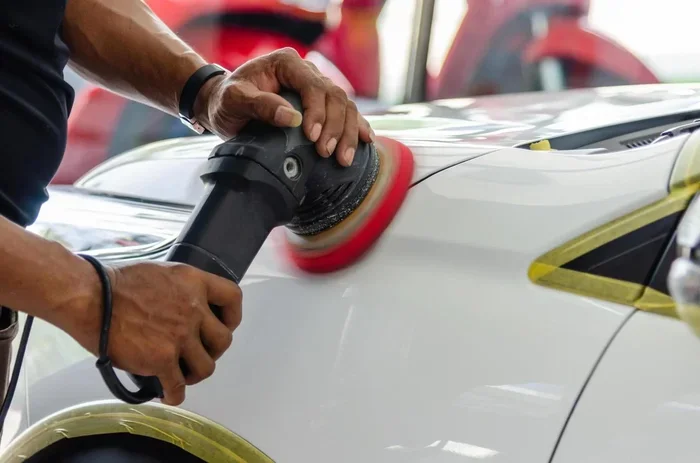
Machine polishing uses a rotary or dual-action polisher to remove paint defects quickly and evenly. This is the most common method used by professionals. A dual action polisher is safer for beginners and less experienced detailers because it reduces the risk of burning through the paint.
Machine polishing delivers consistent, professional-grade results. It is the go-to choice for most paint correction services and can handle everything from light refinement to heavy correction.
Hand Polishing
Hand polishing involves using applicator pads and polishing compounds by hand. This method is gentler and works well for light maintenance and minor imperfections. Hand polishing cost is usually lower than machine polishing because it takes less equipment and skill.
However, hand polishing cannot match the precision and efficiency of machine work. It is best suited as a supplement to machine polishing or for vehicles with minimal paint issues.
Spot Correction
Spot correction targets specific areas of damage rather than the entire vehicle. If you have a few scratches on the hood or some swirl marks on the hood, spot correction can address those areas without the full expense of a complete polish. Spot repair pricing is typically much lower, ranging from $50 to $150 per area.
Ceramic Coating After Polishing
Many car owners choose to apply a ceramic coating after polishing. This adds a durable protective layer that lasts months or even years. Ceramic coating cost is separate from polishing charges but adds tremendous long-term value. Expect to pay an additional $300 to $1,000 for a professional ceramic coating application.
Quick Detail and Polish Combo
Some shops offer a quick detail combined with a light polish for an affordable price. This is ideal for maintaining your car’s appearance between major services. Quick detail and polish packages typically cost between $80 and $150 and take about an hour to complete.
How to Choose the Right Service Provider
Finding the right provider for car rubbing polish charges is just as important as understanding the costs. A bad experience can cost you far more in paint damage than you save in money.
Check Reviews and Portfolios
Start by reading online reviews and looking at before-and-after photos. A reputable detailer will have a portfolio of their work and plenty of positive customer feedback. Look for reviews that specifically mention paint correction results and professionalism.
Ask About Their Process
A good detailer will walk you through their process step by step. They should explain what compounds they use, what machine they work with, and how many stages of polishing they plan. If a shop rushes through this conversation, consider it a red flag.
Get Multiple Quotes
Always get quotes from at least two or three providers. This gives you a sense of the going rate for car polishing services in your area. Be wary of prices that seem too low, as they may indicate cutting corners or using cheap products.
Look for Certifications
Certified detailers have undergone training and testing to prove their skills. Look for certifications from organizations like the International Detailing Association (IDA) or product manufacturers like Meguiar’s or Gyeon. These credentials give you confidence in the quality of work you will receive.
Ask About Warranty or Guarantee
Professional shops often stand behind their work with a satisfaction guarantee. If you are not happy with the results, they will rework the paint at no extra charge. This is a strong sign of confidence and commitment to quality.
Common Mistakes to Avoid with Car Polish Charges
Avoiding common mistakes can save you money and protect your car’s paint. Here are some pitfalls to watch out for when dealing with car rubbing polish charges.
Choosing the Cheapest Option
The lowest price is not always the best deal. Cutting corners on product quality, machine type, or technique can lead to poor results or even permanent paint damage. Always balance cost with quality when choosing a provider.
Not Asking What Is Included
One shop’s $200 polish might include a clay bar and wax, while another’s $200 polish is just the machine work alone. Always ask for a detailed breakdown of what is included in the quoted polish and wax cost before you commit.
Ignoring Paint Condition
If your car has significant paint damage, a basic polish will not fix it. Attempting a basic service on a car that needs full correction wastes money and leaves your paint looking worse. Let the professional assess the condition first.
Skipping Regular Maintenance
Skipping routine care leads to buildup of defects that require expensive correction later. Regular washing, quick details, and light polishing keep your paint healthy and reduce long-term costs.
Not Understanding the Difference Between Polish and Wax
Many people confuse polishing with waxing. They are two different services with different goals. Polishing corrects the paint surface, while waxing protects it. Understanding this difference helps you choose the right service and avoid paying for something you do not need.
Expert Tips for Saving Money on Car Rubbing Polish Charges
You do not have to break the bank to get great results. Here are some practical tips to help you manage car rubbing polish charges without sacrificing quality.
Bundle Services Together
Many detailing shops offer discounts when you book multiple services together. If you need polishing, waxing, and interior cleaning, a bundled package often saves you 10-20% compared to booking each service separately.
Maintain Your Paint Between Services
Regular washing, using a quick detailer spray, and applying a quality wax every few months keeps your paint in good shape. This reduces the need for expensive correction and keeps polish maintenance cost low over time.
Look for Seasonal Deals
Detailing shops often run promotions during slower months. Spring and fall are popular times for detailing, but winter and summer sometimes offer discounted rates. Signing up for email newsletters or following your favorite shops on social media helps you catch these deals.
Consider Mobile Detailing
Mobile detailers often have lower overhead costs than brick-and-mortar shops. This can translate into lower mobile car detailing prices for the same quality of work. Plus, the convenience of having the service come to you saves you time and effort.
Invest in Paint Protection
After polishing, investing in a ceramic coating or high-quality paint sealant protects your work and extends the time between services. While the upfront cost is higher, it saves money in the long run by reducing how often you need polishing.
DIY for Light Maintenance
For light swirl marks and minor imperfections, a quality DIY polish kit can do the job for $30 to $80. These kits include a polish, applicator pads, and instructions. They work best on cars with mostly healthy paint and only minor defects.
Conclusion
Car rubbing polish charges are an investment in your vehicle’s appearance and long-term value. Whether you choose a basic refresh or a full paint correction, understanding what drives the cost helps you make informed decisions. The key is to balance quality with affordability and choose a provider who values their craft.
Remember that regular maintenance keeps your paint healthy and reduces the need for expensive services down the road. A little care between professional visits goes a long way in preserving that showroom shine. Now that you understand the ins and outs of car rubbing polish charges, you are ready to book your next service with confidence.
Take the time to research providers in your area, ask the right questions, and do not be afraid to invest in quality. Your car deserves it, and the results will speak for themselves every time you walk out the door.
Frequently Asked Questions
How much does it cost to polish a car?
The average car rubbing polish charges range from $100 for a basic polish on a small sedan to $800 or more for premium full correction on a large SUV. The exact cost depends on your vehicle size, paint condition, and the service level you choose.
Is car polishing worth the cost?
Yes, professional polishing is worth the cost if your car has swirl marks, light scratches, or dull paint. It restores the paint surface and enhances the overall appearance. Regular polishing also helps protective products like wax and ceramic coating last longer.
How often should I get my car polished?
Most experts recommend polishing your car once or twice a year for maintenance. If your car is exposed to harsh weather or sits outdoors frequently, you may need it more often. However, over-polishing can thin the paint, so follow professional advice for your specific vehicle.
What is the difference between polishing and waxing?
Polishing removes imperfections from the paint surface using abrasive compounds, while waxing adds a protective layer on top of the paint. They serve different purposes and are often done together for the best results. Think of polishing as the correction step and waxing as the protection step.
Can I polish my car myself to save money?
Yes, you can do light polishing yourself using a DIY polish kit that costs between $30 and $80. This works well for minor swirl marks and light oxidation. However, for deeper scratches or heavy correction, professional equipment and skills produce much better and safer results.
Do car rubbing polish charges include clay bar treatment?
Not always. Some shops include clay bar treatment in their polishing packages, while others charge extra for it. Always ask for a detailed breakdown of what is included in the quoted price before booking your service. This prevents any surprises on the final bill.