Car Parking Tiles Design Ideas to Transform Your Driveway
Transform your driveway with the right car parking tiles design. Whether you want a modern, classic, or eco-friendly look, the perfect tiles can boost your home’s curb appeal and make parking easier. This guide covers the best materials, popular design ideas, and practical tips to help you create a stunning parking area that lasts for years.
Your driveway is one of the first things visitors notice about your home. A well-designed parking area does more than just hold your car. It sets the tone for your entire property’s look and feel. That is exactly why car parking tiles design has become such a popular topic among homeowners.
Gone are the days of plain concrete slabs and cracked asphalt. Today, homeowners have access to a wide range of materials, patterns, and colors. These options let you create a parking space that is both functional and beautiful. Whether you are building a new driveway or renovating an old one, the right tile choice makes all the difference.
This guide walks you through everything you need to know. From material options to design patterns, from installation tips to maintenance advice, we have covered it all. Let us dive in and explore how you can transform your driveway with the perfect car parking tiles design.
Key Takeaways
- Material choice matters: Resin-bound gravel, interlocking pavers, and rubber tiles each offer unique benefits for car parking tiles design.
- Pattern selection impacts both looks and function: Herringbone, grid, and basketweave patterns improve strength and visual appeal.
- Permeable options help the environment: Eco-friendly tiles reduce surface water runoff and support sustainable drainage.
- Proper installation is key to longevity: Good preparation, base layers, and joint filling make a huge difference.
- Regular maintenance keeps tiles looking great: Simple cleaning and sealing routines extend the life of your parking surface.
- DIY is possible but professional help ensures quality: Know your skill level before deciding on installation.
📑 Table of Contents
- Why Car Parking Tiles Design Matters
- Best Materials for Car Parking Tiles Design
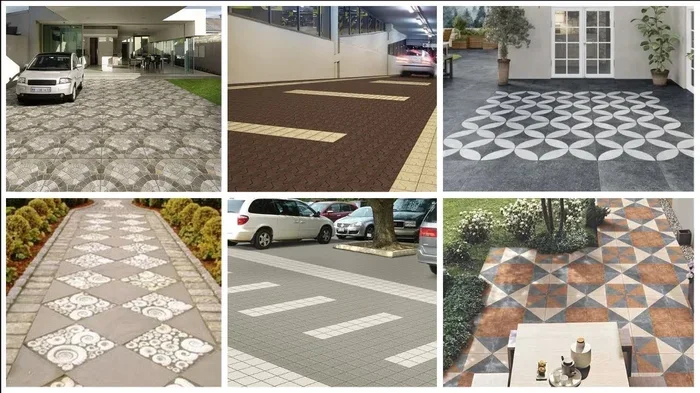
- Popular Car Parking Tiles Design Ideas
- How to Choose the Right Parking Tile Pattern
- Installation Tips for Car Parking Tiles
- Maintenance and Care for Your Parking Tiles
- Common Mistakes to Avoid in Car Parking Tiles Design
- Expert Insights on Parking Tile Design Trends
- Cost Considerations for Your Parking Tile Project
- Conclusion
Why Car Parking Tiles Design Matters
You might wonder why design matters so much for a parking area. After all, it is just where you park your car. But think about it. Your driveway takes up a large portion of your home’s exterior. It deserves the same attention you give to your living room or garden.
A thoughtful car parking tiles design offers several real benefits. First, it improves your home’s curb appeal. A well-designed driveway can increase your property value significantly. Second, it adds functionality. The right tiles handle heavy vehicle weight and resist stains from oil and fuel. Third, it enhances safety. Anti-slip surfaces keep your family and guests safe, especially in wet weather.
Many homeowners also choose tiles for environmental reasons. Permeable options allow rainwater to drain naturally. This reduces surface runoff and supports local water systems. So the design choice you make impacts more than just aesthetics.
Boosting Curb Appeal with Car Parking Tiles Design
Your driveway is a visual extension of your home’s facade. When you invest in a striking car parking tiles design, the entire front of your home benefits. Clean lines, complementary colors, and interesting patterns create a polished, finished look.
Think about popular neighborhoods. The homes that stand out often have beautifully designed driveways. A bold pattern or a contrasting tile color catches the eye. It tells visitors that the homeowner cares about details. This kind of first impression is hard to achieve with any other home improvement project.
Functionality and Durability of Parking Tiles
A driveway endures a lot of wear and tear. Cars pull in and out daily. Tires leave marks. Oil drips. Rain pools. Your tiles need to handle all of this without cracking, shifting, or staining.
The best car parking tiles design solutions balance beauty with strength. Heavy-duty materials like concrete pavers and resin-bound gravel stand up to vehicle weight. Interlocking designs distribute pressure evenly across the surface. This means fewer cracks and less maintenance over time.
Best Materials for Car Parking Tiles Design
Choosing the right material is the foundation of any great parking tile project. Each material has its own strengths, costs, and visual appeal. Let us look at the most popular options available today.
Interlocking Pavers
Interlocking pavers are a top choice for car parking tiles design. They come in concrete, brick, and natural stone varieties. Their interlocking mechanism creates a stable, flexible surface that resists shifting under heavy loads.
These pavers are incredibly durable. A well-installed interlocking paver driveway can last 25 to 50 years. They also offer tremendous design flexibility. You can mix colors, sizes, and patterns to create a truly custom look.
Resin-Bound Gravel
Resin-bound gravel has grown in popularity for modern car parking tiles design. It combines natural stones with a clear resin binder. The result is a smooth, seamless surface that looks stunning and performs well.
This material is permeable, which means water passes through it naturally. That makes it an excellent choice for areas with drainage concerns. Resin-bound gravel comes in many stone colors, so you can match it to your home’s exterior perfectly.
Rubber Parking Tiles
Rubber tiles offer a softer, more forgiving surface for parking areas. They are made from recycled materials, making them an eco-friendly option. Rubber tiles absorb impact well, which helps protect both your vehicle and the tile surface.
These tiles are relatively easy to install. Many are designed as DIY projects. They also come in a variety of colors and textures. For homeowners looking for a budget-friendly car parking tiles design solution, rubber tiles are worth considering.
Concrete and Porcelain Tiles
Concrete and porcelain tiles bring a sleek, modern look to parking areas. Porcelain tiles in particular are extremely dense and resistant to stains. They handle vehicle weight surprisingly well when properly installed.
Concrete tiles are more affordable and widely available. Porcelain tiles tend to be more expensive but offer a premium finish. Both options work well for contemporary car parking tiles design themes.
Popular Car Parking Tiles Design Ideas
Now that you know the materials, let us explore some of the most popular design ideas. These styles range from classic to modern, so there is something for every taste.
Herringbone Pattern
The herringbone pattern is a timeless choice for car parking tiles design. Tiles are laid at 45 or 90-degree angles in a zigzag formation. This pattern is not only beautiful but also incredibly strong.
Herringbone layouts distribute weight evenly across the surface. This makes them ideal for areas that support heavy vehicles. The diagonal lines also create a sense of movement and visual interest. Many homeowners pair herringbone patterns with two contrasting tile colors for a striking effect.
Grid and Basketweave Patterns
Grid patterns offer a clean, modern look that suits contemporary homes. Tiles are laid in straight rows and columns, creating a neat, orderly appearance. This design is simple to install and works well with most tile shapes.
Basketweave patterns alternate pairs of tiles horizontally and vertically. This creates a woven texture that adds depth without complexity. Both grid and basketweave designs are popular choices for car parking tiles design projects that prioritize a tidy, streamlined aesthetic.
Circular and Radial Designs
For a truly unique look, consider a circular or radial design. Tiles are arranged in concentric circles or fan shapes around a central point. This creates a dramatic focal point in your driveway.
Radial designs work best with curved driveways or circular parking areas. They require more planning and precision during installation. But the result is a parking space that looks like a work of art. If you want your car parking tiles design to be a real statement piece, a radial layout is hard to beat.
Two-Tone and Mixed Material Designs
Using two or more materials or colors adds visual depth to your driveway. A common approach is to use a primary tile color for the main parking area and a contrasting border tile to define the edges.
Mixed material designs can combine concrete pavers with natural stone accents. Or you might pair light-colored tiles with darker ones for a bold checkerboard effect. These creative combinations turn a simple parking area into a design feature. Two-tone car parking tiles design solutions are increasingly popular in modern home exteriors.
Eco-Friendly and Permeable Designs
Sustainability is a growing concern for many homeowners. Permeable car parking tiles design options address this by allowing rainwater to filter through the surface.
Permeable pavers have gaps between them that let water seep into the ground below. Resin-bound gravel and certain plastic grid systems also support natural drainage. These designs help reduce flooding and support groundwater recharge. They can also qualify you for local environmental incentives in some areas.
How to Choose the Right Parking Tile Pattern
Selecting a pattern for your car parking tiles design involves more than picking what looks nice. You need to consider your budget, your vehicle size, and the level of maintenance you are willing to do.
Factors to Consider
- Vehicle size and weight: Larger vehicles need stronger tile arrangements and denser materials.
- Driveway size: Smaller driveways benefit from simple patterns that do not overwhelm the space.
- Budget: Intricate patterns require more tiles and more labor, increasing costs.
- Climate: Freeze-thaw cycles affect certain materials more than others. Choose tiles rated for your local weather.
- Maintenance preference: Some patterns trap more dirt and require more frequent cleaning.
Matching Design to Your Home Style
Your parking tile design should complement your home’s architectural style. Traditional homes often pair well with brick or natural stone pavers in classic patterns. Modern homes look great with clean grid layouts and sleek porcelain or resin tiles.
Take a walk around your neighborhood for inspiration. Notice what styles fit in and what stands out. A successful car parking tiles design enhances your home without clashing with the surrounding architecture.
Installation Tips for Car Parking Tiles
A beautiful car parking tiles design means nothing if the installation is done poorly. Proper preparation and execution are essential for a long-lasting result.
Preparing the Base
The base layer is the most important part of any parking tile installation. Start by excavating the area to a depth of at least 200 to 300 millimeters. Remove organic soil and replace it with a compacted aggregate base.
Use a plate compactor to firm up the base layer. A stable base prevents tiles from shifting or sinking over time. For heavier-duty installations, consider adding a layer of geotextile fabric to improve stability.
Laying the Tiles
Start laying tiles from a straight edge or corner. Work your way outward, maintaining consistent gaps between tiles. These gaps allow for expansion and drainage, depending on your tile type.
Use a spirit level frequently to check for evenness. Uneven tiles create trip hazards and make parking difficult. Take your time with this step. Rushing through tile placement is one of the most common mistakes in car parking tiles design projects.
Joint Filling and Edge Restraints
After the tiles are laid, fill the joints with sand or a specialized jointing compound. This locks the tiles in place and prevents movement. Edge restraints are equally important. They hold the tiles firmly within the driveway boundaries.
Use plastic or metal edge restraints anchored into the base. Without proper edging, tiles can shift outward over time, ruining the look and function of your parking area.
Maintenance and Care for Your Parking Tiles
Once your car parking tiles design is complete, keeping it in great shape is straightforward. Regular maintenance preserves both the appearance and the structural integrity of your tiles.
Routine Cleaning
Sweep your driveway regularly to remove dirt and debris. For deeper cleaning, use a pressure washer on a low setting. Avoid using harsh chemicals that could damage the tile surface or harm nearby plants.
Oil stains are common in parking areas. Treat them quickly with a commercial oil remover or a paste of baking soda and water. The longer a stain sits, the harder it becomes to remove.
Sealing and Protection
Sealing your tiles adds an extra layer of protection. It helps resist stains, reduces weed growth in joints, and enhances the tile color. Most tiles benefit from resealing every two to three years.
Choose a sealer appropriate for your tile material. Natural stone pavers need a different sealer than concrete or porcelain. Check the manufacturer’s recommendations before applying any product to your car parking tiles design.
Repairing Damaged Tiles
Even the best tiles can crack or chip over time. The good news is that individual tiles are easy to replace. Simply lift the damaged tile, remove the base material underneath, and set a new tile in place.
Keep a few spare tiles from your original installation. This makes future repairs quick and seamless. Prompt repairs also prevent water from seeping into the base and causing bigger problems.
Common Mistakes to Avoid in Car Parking Tiles Design
Even the best plans can go wrong if you overlook important details. Here are some common mistakes homeowners make when designing their parking tile areas.
Skipping Proper Drainage Planning
Water is the enemy of any paved surface. Without proper drainage, standing water weakens the base layer and causes tiles to shift. Always plan for a slight slope away from your garage or home. Consider installing a drainage channel if your driveway tends to collect water.
Choosing Tiles That Are Too Thin
Not all tiles are built to handle vehicle weight. Thin decorative tiles may look attractive but will crack under a car’s load. Always select tiles rated for vehicular traffic when planning your car parking tiles design.
Ignoring Expansion Gaps
Tiles expand and contract with temperature changes. Leaving too little space between tiles causes them to push against each other and crack. Always follow the manufacturer’s recommended gap size for your specific tile type.
Underestimating the Cost
It is easy to focus on tile prices and forget about the full project cost. Base preparation, edge restraints, joint filling, and labor all add up. Get a detailed quote before you start, and always budget for a small contingency.
Expert Insights on Parking Tile Design Trends
The world of car parking tiles design is constantly evolving. New materials and techniques emerge each year, offering homeowners even more options to create stunning driveways.
One trend gaining momentum is the use of permeable paving systems. As cities introduce stricter stormwater regulations, permeable tiles are becoming a practical necessity, not just a design choice. Another trend is the rise of textured and embossed tiles that mimic the look of natural stone at a fraction of the cost.
Color-infused concrete and porcelain tiles are also becoming more popular. These tiles offer rich, consistent color throughout the material, so chips and scratches are far less visible. Experts predict that customizable tile patterns, enabled by digital design tools, will be the next big innovation in parking tile design.
Cost Considerations for Your Parking Tile Project
Understanding the cost of a car parking tiles design project helps you plan effectively. Costs vary widely depending on the material you choose, the complexity of the pattern, and whether you hire a professional or tackle the project yourself.
Interlocking pavers typically cost between $15 and $30 per square foot installed. Resin-bound gravel ranges from $40 to $80 per square meter. Rubber tiles are generally the most affordable option at $10 to $25 per square foot. Porcelain and high-end natural stone tiles can exceed $50 per square foot.
Remember that the cheapest option upfront may cost more over time if it requires frequent repairs or replacement. Invest in quality materials and solid installation for the best long-term value.
Conclusion
Your driveway is more than just a place to park your car. It is a key part of your home’s exterior design. A well-planned car parking tiles design transforms this often-overlooked space into a feature that enhances your entire property.
From choosing the right material to selecting a pattern that suits your home’s style, every decision counts. Whether you prefer the timeless elegance of herringbone pavers or the modern simplicity of a grid layout, there is a car parking tiles design solution that fits your needs. Invest the time to plan carefully, choose quality materials, and maintain your tiles properly. The result is a parking area that looks great, performs well, and adds real value to your home for decades to come.
Frequently Asked Questions
What is the best material for car parking tiles design?
Interlocking concrete pavers are widely considered the best all-around choice. They are durable, handle heavy vehicle weight, and come in many styles. Resin-bound gravel is another excellent option, especially if you want a permeable surface that supports natural drainage.
How long do car parking tiles last?
Most high-quality parking tiles last between 20 and 50 years, depending on the material and how well they are installed. Concrete pavers and porcelain tiles tend to have the longest lifespan. Regular maintenance like sealing and joint refilling helps extend their life even further.
Can I install car parking tiles myself?
Yes, many tile types are suitable for DIY installation, especially rubber tiles and interlocking pavers. However, proper base preparation is critical. If you are unsure about drainage, leveling, or edge restraints, hiring a professional installer ensures a better and longer-lasting result.
Are permeable tiles worth the extra cost?
Permeable tiles are worth considering if you live in an area with heavy rainfall or strict drainage regulations. They reduce surface water runoff, ease pressure on storm drains, and help recharge groundwater. Over time, they can also reduce flooding-related damage to your property.
How do I prevent oil stains on my parking tiles?
Treat oil stains quickly before they set in. Use a commercial oil remover or apply a paste of baking soda and water. Sealing your tiles also provides an extra layer of protection against stains. Regular sweeping and cleaning prevent dirt and grime from building up in the tile surface.
What is the most popular car parking tiles design pattern?
The herringbone pattern is the most popular choice for parking areas. It is both visually appealing and structurally strong. The diagonal arrangement distributes vehicle weight evenly, making it a practical and beautiful option for most driveway styles.