Revolutionize Your Ride with a Car Carbon Cleaning Machine
A car carbon cleaning machine is a powerful tool that removes harmful carbon deposits from your engine, restoring lost performance and fuel economy. Whether your vehicle has direct injection, a turbocharger, or high mileage, carbon buildup can silently damage your engine over time. This guide covers everything you need to know about engine decarbonization, including how these machines work, the different cleaning methods, and why regular maintenance with a carbon removal device keeps your ride running smooth and efficient.
If you have noticed your car feeling sluggish, getting worse gas mileage, or running rough, the culprit might be hiding inside your engine. Carbon buildup is one of the most common yet overlooked problems in modern vehicles. The good news is that a car carbon cleaning machine can solve this problem quickly and effectively.
Over the years, engines have become more advanced, but they have also become more prone to carbon deposits. Direct injection systems, turbochargers, and tighter emission controls all contribute to this issue. Without regular cleaning, carbon can choke your engine and cause serious damage over time. That is exactly why more car owners and mechanics are turning to specialized engine decarbonization tools.
In this guide, we will walk you through everything you need to know about carbon cleaning machines. We will explain how they work, why carbon builds up, the different cleaning methods available, and how to pick the right machine for your needs. By the end, you will understand why this simple maintenance step can save you hundreds of dollars in repairs and keep your vehicle running like new.
Key Takeaways
- Restores Engine Power: A car carbon cleaning machine removes deposits that rob your engine of horsepower and torque.
- Improves Fuel Economy: Clean combustion chambers and intake valves help your engine burn fuel more efficiently.
- Reduces Harmful Emissions: Regular decarbonization lowers exhaust emissions and helps your vehicle pass inspections.
- Extends Engine Life: Removing carbon buildup prevents long-term damage to pistons, rings, and sensors.
- Multiple Methods Available: From hydrogen cleaning to walnut blasting, there is a method suited for every engine type.
- Easy to Use at Home or Shop: Modern machines are user-friendly and do not require advanced mechanical skills.
- Saves Money Long-Term: Preventing costly repairs through regular carbon cleaning pays for itself quickly.
📑 Table of Contents
- What Is a Car Carbon Cleaning Machine and How Does It Work?
- Why Carbon Buildup Happens in Modern Engines
- Benefits of Using a Carbon Cleaning Machine
- Types of Carbon Cleaning Methods Explained
- How to Choose the Right Carbon Cleaning Machine
- How Often Should You Clean Carbon Buildup?
- Is a Carbon Cleaning Machine Worth the Investment?
- Conclusion
What Is a Car Carbon Cleaning Machine and How Does It Work?
A car carbon cleaning machine is a device designed to remove carbon deposits from critical engine components. These deposits form over time as fuel burns inside the combustion chamber. Left unchecked, they build up on intake valves, piston tops, spark plugs, and exhaust ports.
The machine works by introducing a cleaning agent or process into the engine. Depending on the type of machine, this can involve hydrogen gas, a liquid chemical solution, or physical abrasion. The goal is the same in every case: break down and remove the sticky, hard residue that accumulates inside your engine.
How Carbon Cleaning Works Step by Step
Most carbon cleaning sessions follow a simple process. First, the machine connects to the engine through the intake manifold or a vacuum line. Then, the cleaning medium flows into the combustion chambers while the engine runs. As the carbon deposits dissolve or loosen, they are either burned off or drained away during the cleaning cycle.
Here is a basic breakdown of the process:
- Step 1: The machine connects to the engine’s air intake or fuel system.
- Step 2: The cleaning agent is introduced into the combustion chambers.
- Step 3: The engine runs at a controlled RPM while the agent breaks down carbon.
- Step 4: Loose deposits are expelled through the exhaust or drained from the engine.
- Step 5: The engine is inspected and tested to confirm improved performance.
A typical session takes between 20 and 45 minutes, depending on the severity of the buildup. Most drivers notice an immediate improvement in engine smoothness and power after the cleaning is complete.
Why Carbon Buildup Happens in Modern Engines
Understanding why carbon forms in the first place helps you appreciate the value of a carbon removal machine. Modern engines are designed to be fuel-efficient and clean, but they have certain features that actually promote carbon deposits.
The Role of Direct Injection
Direct injection engines spray fuel directly into the combustion chamber rather than onto the intake valves. In older port-injected engines, fuel washing over the valves kept them relatively clean. With direct injection, the valves are exposed only to air and oil vapor, which leads to significant carbon buildup over time.
This is one of the biggest reasons why newer vehicles need engine decarbonization more frequently. If you drive a car made after 2010, there is a good chance it uses direct injection, which means you should pay close attention to carbon cleaning.
Short Trips and Stop-and-Go Driving
Another major contributor is driving style. If you mostly take short trips around town, your engine never reaches full operating temperature for long enough to burn off carbon naturally. Stop-and-go traffic makes this problem even worse because the engine spends so much time idling under low load.
Over time, these short trips create a layer of soot and residue that hardens into stubborn deposits. Regular use of a carbon cleaning machine can reverse this buildup before it causes real damage.
Low-Quality Fuel and Oil
The fuel and oil you use also play a role. Lower-quality fuels contain more impurities that leave behind carbon residue. Similarly, oils that do not meet your engine’s specifications can contribute to faster deposit formation. Using high-quality fuel and the right grade of oil helps, but it does not eliminate the need for periodic cleaning.
Benefits of Using a Carbon Cleaning Machine
A car carbon cleaning machine offers many tangible benefits that go beyond just making your engine sound better. Here is what you can expect when you commit to regular carbon cleaning:
Improved Engine Performance
Carbon deposits reduce the effective compression inside your cylinders. They also restrict airflow through dirty intake valves and clogged fuel injectors. Once these deposits are removed, your engine can breathe freely again. You will notice smoother idling, stronger acceleration, and more responsive throttle.
Better Fuel Economy
When carbon builds up, your engine has to work harder to produce the same amount of power. This inefficiency burns more fuel. After a cleaning session, many drivers report a noticeable improvement in miles per gallon. For people who drive a lot, these savings add up quickly over time.
Lower Emissions
Carbon deposits interfere with the combustion process, leading to incomplete fuel burn. This produces higher levels of harmful exhaust emissions. A clean engine burns fuel more completely, which means fewer pollutants released into the air. If your vehicle needs to pass an emissions test, engine decarbonization can make a real difference.
Prevention of Costly Repairs
Severe carbon buildup can cause real mechanical problems. Deposits on piston rings can cause them to stick, leading to compression loss. Carbon on the intake valve can prevent it from sealing properly. In turbocharged engines, carbon can clog the turbo vanes and reduce boost pressure. A carbon cleaning machine helps you avoid these expensive repairs by keeping deposits under control.
Types of Carbon Cleaning Methods Explained
Not all carbon cleaning machines work the same way. There are several different methods, each with its own advantages and best use cases. Let us break them down so you can understand which approach fits your needs.
Hydrogen Carbon Cleaning
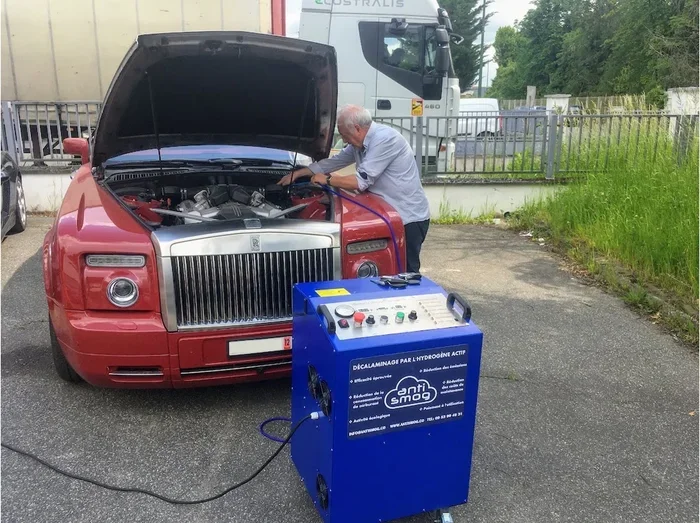
Hydrogen cleaning is one of the most popular methods used by professionals today. The machine generates hydrogen gas from water through electrolysis. This hydrogen is then fed into the engine’s air intake, where it mixes with the air-fuel mixture and flows into the combustion chambers.
Inside the chambers, the hydrogen reacts with carbon deposits through a process called oxidation. The carbon breaks down into carbon dioxide and water vapor, which exit through the exhaust. This method is chemical-free, non-abrasive, and very effective for most engine types.
Many professional shops now offer hydrogen carbon cleaning as a standalone service because the equipment is relatively affordable and the process is fast and clean.
Chemical Dosing
Chemical dosing machines introduce a liquid cleaning solution into the engine while it runs. The solution dissolves carbon deposits over a period of time, and the broken-down residue is expelled through the exhaust system.
This method works well for moderate buildup and is often used as a maintenance tool. However, it may not be as effective for heavy deposits. Chemical dosing is also available in bottle form for DIY enthusiasts who want to clean their engines at home.
Walnut Blasting
Walnut blasting is a more hands-on method that involves removing the intake manifold and physically blasting carbon off the intake valves with crushed walnut shells. The abrasive shells are gentle enough not to damage metal surfaces but tough enough to remove even hardened deposits.
This method is especially effective for direct injection engines where carbon builds up heavily on the intake valves. However, it requires more disassembly and labor compared to hydrogen or chemical methods. It is usually performed by experienced mechanics in a shop setting.
Comparison of Cleaning Methods
| Method | Best For | Time Required | Effectiveness | DIY Friendly |
|---|---|---|---|---|
| Hydrogen Cleaning | General maintenance, light to moderate buildup | 20-30 minutes | High | Moderate |
| Chemical Dosing | Light buildup, regular maintenance | 15-20 minutes | Moderate | Yes |
| Walnut Blasting | Heavy buildup, direct injection engines | 1-2 hours | Very High | No |
How to Choose the Right Carbon Cleaning Machine
If you are considering buying a car carbon cleaning machine for your shop or personal use, there are several factors to keep in mind. The right machine depends on your needs, budget, and the types of vehicles you work on.
Consider the Engine Types You Work On
Different machines are better suited for different engines. If you mostly work on modern direct injection vehicles, a hydrogen cleaning machine or walnut blasting setup will give you the best results. For older port-injected engines, a simpler chemical dosing machine may be sufficient.
Think about the range of vehicles you typically service. A versatile hydrogen machine can handle gasoline engines of various sizes and configurations, making it a solid investment for a busy shop.
Look for Ease of Use
The best engine decarbonizer machines are straightforward to operate. Look for clear instructions, intuitive controls, and quick setup times. If you plan to use the machine yourself at home, prioritize models with simple connections and minimal disassembly requirements.
Check the Machine’s Output and Capacity
For hydrogen machines, pay attention to the hydrogen production rate measured in liters per minute. Higher output means faster cleaning sessions. For chemical dosing machines, check the tank capacity and whether it can handle multiple vehicles on a single fill.
Build Quality and Durability
A carbon cleaning machine is an investment, so choose one built to last. Look for machines with quality components, solid construction, and good warranty coverage. Reading reviews from other users can also give you valuable insight into long-term reliability.
How Often Should You Clean Carbon Buildup?
The frequency of carbon cleaning depends on several factors, including your driving habits, vehicle age, and engine type. Here are some general guidelines to help you decide when to use a car carbon cleaning machine:
- Every 30,000 to 50,000 miles: For most vehicles with moderate driving habits, this interval works well for preventive maintenance.
- Every 15,000 to 25,000 miles: If you drive mostly short trips or in heavy traffic, carbon builds up faster and needs more frequent cleaning.
- At 100,000+ miles: High-mileage vehicles benefit greatly from a thorough cleaning to restore lost performance and prevent further damage.
- When symptoms appear: If you notice rough idling, reduced power, increased fuel consumption, or check engine lights, it is time to investigate carbon buildup.
Regular engine diagnostic checks can also help you monitor carbon levels before they become a serious problem. Many modern scan tools can detect subtle changes in engine performance that signal the early stages of deposit buildup.
Quick Tips for Reducing Carbon Buildup
While a carbon cleaning machine is the most effective way to remove existing deposits, you can also take steps to slow down future buildup:
- Use high-quality fuel: Top-tier gasoline contains detergents that help keep injectors and valves cleaner.
- Take longer drives: Occasionally running your engine at higher RPMs for extended periods helps burn off light deposits.
- Change oil regularly: Fresh oil with the correct viscosity reduces the oil vapor that contributes to valve carbon.
- Replace fuel filters on schedule: A clean fuel filter ensures proper fuel delivery and reduces the chance of deposits forming.
- Avoid excessive idling: Prolonged idling lowers combustion temperatures, which encourages carbon formation.
Common Mistakes to Avoid
Even with the best carbon removal tools, mistakes can happen. Here are some common errors to watch out for:
- Ignoring early symptoms: Waiting too long to address rough running or power loss allows deposits to harden and become much harder to remove.
- Using the wrong cleaning method: Not every machine works for every engine. Using a chemical solution on a heavily clogged direct injection engine may not produce satisfying results.
- Skipping post-cleaning inspection: Always check your engine after a cleaning session. Verify that performance has improved and that no new issues have appeared.
- Over-relying on fuel additives: While fuel system cleaners help with minor deposits, they cannot replace a proper machine cleaning for heavy buildup.
Expert Insights on Carbon Cleaning
Many experienced mechanics agree that engine decarbonization should be part of a standard maintenance routine, especially for vehicles with over 60,000 miles. According to automotive experts, hydrogen cleaning has become the go-to method for most shops because it is fast, effective, and requires no disassembly of engine components.
One shop owner shared, “We started offering hydrogen carbon cleaning as an add-on service, and it has become one of our most requested treatments. Customers love the immediate difference in how their car runs.”
The key takeaway from experts is this: do not wait for problems to appear. Proactive carbon cleaning keeps your engine healthy and prevents the kind of damage that leads to expensive repairs down the road.
Is a Carbon Cleaning Machine Worth the Investment?
If you are on the fence about investing in a car carbon cleaning machine, consider the costs it can help you avoid. A single engine repair caused by severe carbon buildup can cost anywhere from $500 to $2,000 or more, depending on the damage. Compare that to the cost of a cleaning session, which typically runs between $50 and $150 at a shop, or the one-time purchase price of a home-use machine.
Beyond the financial benefits, there is the value of keeping your vehicle running at its best. A clean engine delivers smoother operation, better acceleration, and improved fuel economy. For car enthusiasts and daily drivers alike, the difference after a proper carbon cleaning session is often dramatic.
Whether you are a professional mechanic looking to add a profitable service to your shop, or a car owner who wants to maintain your vehicle’s health between professional services, a carbon cleaning machine is a smart investment. It gives you the power to tackle one of the most common engine problems directly, without expensive trips to the mechanic.
Conclusion
A car carbon cleaning machine is one of the most effective tools you can use to keep your engine running at peak performance. Carbon buildup is inevitable in modern vehicles, but with regular engine decarbonization, you can prevent the problems that lead to power loss, poor fuel economy, and costly repairs.
From hydrogen cleaning to walnut blasting, there are multiple proven methods to remove carbon deposits and restore your engine’s efficiency. The key is to stay proactive and not wait until symptoms become severe. By incorporating regular carbon cleaning into your maintenance routine, you protect your investment and enjoy a smoother, more responsive driving experience for years to come.
Take the time to understand your engine’s needs, choose the right cleaning method, and make carbon removal a regular part of your vehicle care. Your engine will thank you with better performance, cleaner emissions, and a longer lifespan.
Frequently Asked Questions
How long does a carbon cleaning session take?
A typical session with a car carbon cleaning machine takes between 20 and 45 minutes. The exact time depends on the cleaning method used and the severity of the carbon buildup. Most drivers see immediate improvements in engine performance after the session is complete.
Can I use a carbon cleaning machine on a diesel engine?
Yes, many carbon cleaning machines are compatible with diesel engines. Diesel engines tend to accumulate carbon deposits in the combustion chambers and on intake valves as well. Hydrogen cleaning and chemical dosing methods work effectively on diesel engines, though walnut blasting may be needed for severe buildup.
Is carbon cleaning safe for my engine?
Absolutely. When performed correctly, engine decarbonization is completely safe and non-destructive. Hydrogen cleaning and chemical dosing do not require any disassembly, and they do not damage engine components. In fact, regular cleaning helps protect your engine from the wear and damage caused by carbon deposits.
How much does it cost to buy a carbon cleaning machine?
The price varies depending on the type and brand. Basic chemical dosing machines can cost anywhere from $200 to $500. Hydrogen cleaning machines typically range from $500 to $2,000, depending on their features and output capacity. Professional-grade walnut blasting setups cost more but deliver the most thorough results.
Will carbon cleaning fix a check engine light?
In some cases, yes. If the check engine light is triggered by issues caused by carbon buildup, such as rough idling or misfires, cleaning the deposits may resolve the problem. However, not all check engine lights are caused by carbon, so it is important to run a proper engine diagnostic to identify the root cause before assuming cleaning will fix it.
Can I prevent carbon buildup without a cleaning machine?
You can slow down buildup by using high-quality fuel, taking longer drives at highway speeds, and changing your oil regularly. However, even with the best driving habits, carbon deposits will eventually form in modern engines. A carbon cleaning machine provides a much more thorough and effective solution than fuel additives or driving habits alone.